Nila Kartika Wati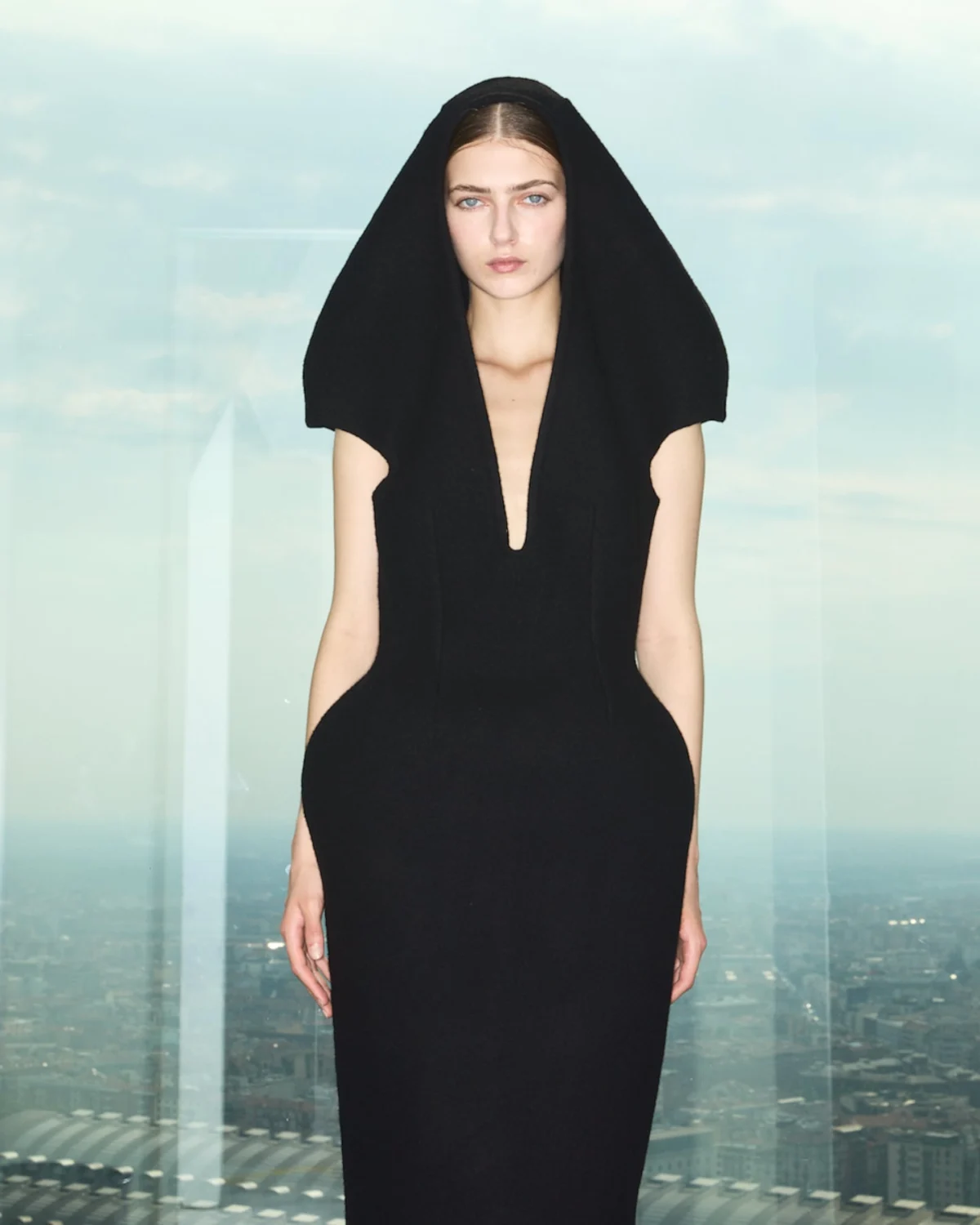
Milan, Italy – As the global fashion industry navigates evolving consumer demands and a dynamic geopolitical landscape, a new generation of designers in Milan is challenging traditional notions of "Made in Italy." These upstarts are not only embracing bespoke craftsmanship and cross-cultural dialogue but are also integrating cutting-edge technology into their creative processes, signaling a significant shift in the luxury fashion ecosystem. This movement, exemplified by designers like Galib Gassanoff and supported by initiatives like the Camera Moda Fashion Trust, is poised to redefine Italian fashion for the 21st century.
The recent awarding of grants by the Camera Moda Fashion Trust to promising designers, including Galib Gassanoff’s label Institution, underscores the growing momentum behind these innovative forces. These grants, often a crucial lifeline for emerging talent, represent a strategic investment by the Italian fashion establishment in nurturing the next wave of creative entrepreneurs. The trust’s commitment to fostering new talent is particularly significant in an industry that historically relies on established maisons, highlighting a conscious effort to diversify and democratize the creative landscape.
The New Vanguard: Customization as a Cornerstone
At the heart of this new Milanese fashion narrative is a renewed emphasis on custom orders. In an era where fast fashion dominates headlines and mass production is the norm, these designers are actively pushing back by offering highly personalized experiences. This approach resonates deeply with a discerning clientele that increasingly values exclusivity, craftsmanship, and a direct connection to the maker.
Galib Gassanoff’s Institution, a recipient of a Camera Moda Fashion Trust grant, exemplifies this trend. The brand’s commitment to unique pieces, often tailored to individual client specifications, speaks to a broader desire for authenticity and a rejection of the disposable. This focus on bespoke creation not only elevates the perceived value of the garment but also fosters a more sustainable model by reducing overproduction and waste. Industry analysts note that the luxury market, in particular, is experiencing a resurgence of interest in made-to-order services, with consumers willing to pay a premium for garments that are uniquely theirs. Data from recent luxury market reports indicates a steady growth in the personalized goods sector, suggesting a strong economic underpinning for this design philosophy.
Embracing a Global Palette: Cross-Cultural Dialogue in Design
Beyond individual customization, Milan’s emerging designers are also championing a rich tapestry of cross-cultural influences. This embrace of global perspectives is not merely aesthetic; it reflects a deeper understanding of the interconnectedness of the modern world and a recognition that true innovation often arises from the collision of diverse ideas.
This international outlook is evident in the creative processes of many new designers, who draw inspiration from a multitude of traditions, materials, and techniques. This can manifest in unexpected material combinations, reinterpretations of traditional silhouettes from different cultures, or collaborations with artisans from around the globe. Such an approach fosters a more inclusive and dynamic fashion ecosystem, moving away from the historically insular nature of some fashion capitals. The impact of globalization on fashion consumption and production means that designers who can authentically weave global narratives into their work are likely to find broader appeal and resonance with an international audience. This trend aligns with broader societal shifts towards multiculturalism and a greater appreciation for diverse heritage.
The High-Tech Edge: Innovating "Made in Italy"
The integration of technology is another defining characteristic of Milan’s new fashion guard. Far from being a purely artisanal endeavor, "Made in Italy" is being augmented by sophisticated digital tools, advanced manufacturing techniques, and innovative material science. This high-tech angle is not about replacing craftsmanship but about enhancing it, offering new possibilities for design, production, and customer engagement.
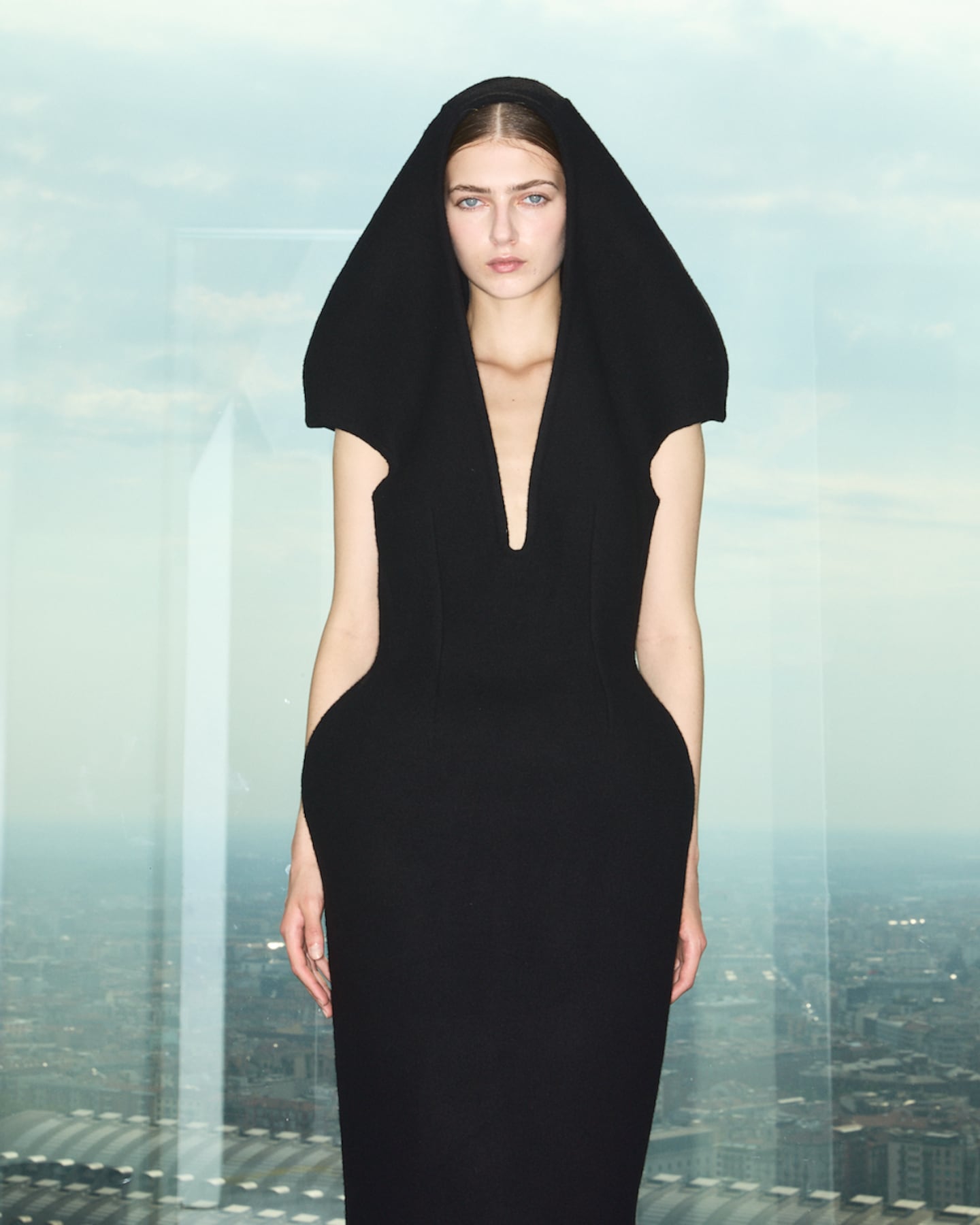
This can range from the use of 3D printing for intricate detailing and rapid prototyping to the application of AI in design ideation and pattern making. Furthermore, emerging designers are exploring smart textiles and sustainable material innovations, often sourced through advanced research and development. For instance, advancements in biodegradable polymers or recycled composite materials are opening up new avenues for luxury goods with a significantly reduced environmental footprint. The integration of these technologies allows for greater precision, efficiency, and the creation of entirely new aesthetic possibilities, pushing the boundaries of what "Made in Italy" can represent. This technological adoption is crucial for maintaining competitiveness in a global market where innovation is a key differentiator.
Supporting the Future: The Role of Industry Initiatives
The Camera Moda Fashion Trust plays a pivotal role in fostering this new generation of talent. By providing financial support, mentorship, and visibility, the trust acts as a crucial incubator for designers who might otherwise struggle to gain traction. The 2026 designer grants, awarded to promising talents such as Galib Gassanoff, represent a significant endorsement and a strategic investment in the future of Italian fashion.
The trust’s mission aligns with a broader industry understanding that nurturing emerging designers is not just about supporting individual careers but about ensuring the long-term vitality and relevance of the Italian fashion industry. Historically, Milan has been a powerhouse of luxury fashion, but maintaining that position requires continuous innovation and adaptation. Initiatives like the Camera Moda Fashion Trust are vital in this regard, helping to bridge the gap between creative potential and commercial success. The selection process for these grants often involves rigorous evaluation of design originality, business acumen, and potential for growth, indicating a strategic approach to identifying and supporting future industry leaders.
Broader Industry Shifts: Lanvin, Gucci, and Ferrari
While Milan’s emerging designers are charting a new course, larger industry players are also navigating significant transitions. The appointment of a new CEO at Lanvin signals a period of strategic realignment for the historic French house, aiming to recapture its former glory and adapt to contemporary market demands. Such leadership changes are often indicative of a company’s strategic pivot, seeking to inject new vision and operational efficiency.
In the realm of high-profile collaborations, Gucci’s deal with Formula 1 reflects a growing trend of luxury brands seeking to engage with lifestyle and entertainment sectors. These partnerships aim to broaden brand reach, tap into new consumer demographics, and create synergistic marketing opportunities. The intersection of fashion and motorsport, for example, taps into a shared audience that values performance, heritage, and aspirational branding.
Conversely, Ferrari’s recent foray into the electric vehicle (EV) market has been met with a degree of scrutiny. The company’s initial launch of its first all-electric model faced some challenges, highlighting the complexities of transitioning established automotive brands into the rapidly evolving EV landscape. While Ferrari’s brand equity is immense, the technical and market demands of the EV sector present unique hurdles that require careful navigation. The success of such ambitious ventures often hinges on a delicate balance between maintaining brand identity and embracing technological innovation, a challenge that many established luxury brands are currently facing.
The Road Ahead for Milanese Fashion
The convergence of bespoke craftsmanship, global perspectives, and technological innovation paints a compelling picture of Milan’s future in fashion. The designers emerging from this dynamic environment are not just creating clothes; they are crafting experiences, fostering dialogue, and redefining what it means to be a part of the prestigious "Made in Italy" legacy.
The success of these initiatives and the continued evolution of these designers will be closely watched by the global fashion community. As consumer preferences shift towards authenticity, sustainability, and personalized engagement, this new wave of Milanese talent appears well-positioned to lead the charge, offering a compelling vision for the future of luxury fashion. Their ability to blend tradition with innovation, and local craftsmanship with global awareness, will be key to their enduring impact. The coming years will undoubtedly reveal the full extent of their influence on the international fashion stage.