Jono Maryono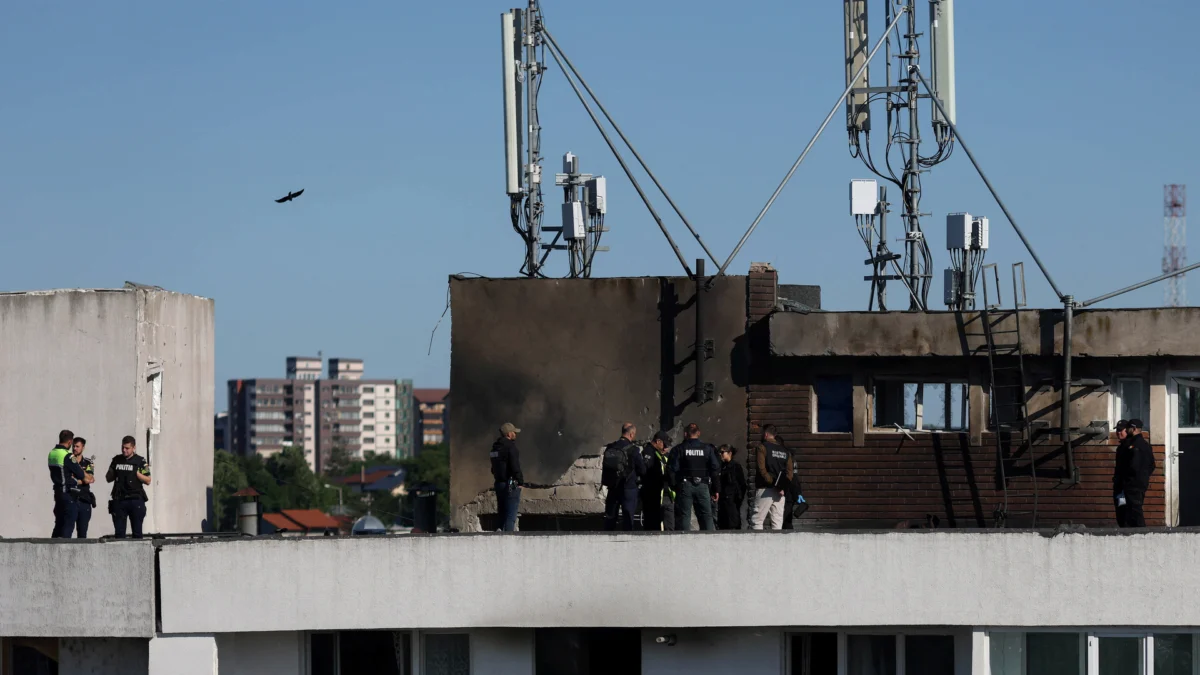
Bucharest, Romania – In a swift and decisive response to a significant security breach, Romania announced on May 29, 2026, that it will expel the Russian consul stationed in the southeastern city of Constanta and permanently shut down the Russian consulate there. The dramatic move follows an incident where a drone, believed to be intended for military targets in neighboring Ukraine, veered off course and crashed into an apartment complex in the Romanian border town of Galati.
The decision, communicated by Romanian President Nicusor Dan, underscores the escalating tensions along NATO’s eastern flank and highlights the direct, tangible risks posed by the ongoing conflict in Ukraine to neighboring allied nations. The incident marks a severe violation of Romanian airspace and sovereignty, prompting a strong diplomatic and security reaction from Bucharest.
The Galati Incident: A Direct Threat on Romanian Soil
The drone strike, which occurred in the early hours of May 29, 2026, has sent shockwaves through Romania and across the North Atlantic Treaty Organization. While details are still emerging, initial reports indicate that the drone, part of a larger aerial assault targeting Ukrainian infrastructure, malfunctioned or was diverted, ultimately striking a residential building in Galati. Fortunately, early reports suggest there were no fatalities, though significant property damage has been confirmed. Emergency services were immediately deployed to the scene to assess the situation, provide assistance to residents, and secure the impact area.
Galati, a major port city on the Danube River, is strategically located close to the Ukrainian border, making it a sensitive area in the context of the war. Its proximity to the conflict zone means it has been exposed to potential spillover effects, but a direct strike on civilian infrastructure represents a new and alarming escalation. The Romanian Ministry of Defense is currently conducting a thorough investigation into the incident, working to determine the exact type of drone, its origin, and the precise circumstances that led to its crash on Romanian territory. Preliminary assessments suggest it was a drone of Russian origin, likely launched as part of a wider offensive against Ukraine.
Romania’s Diplomatic Retaliation: Expulsion and Consulate Closure
President Nicusor Dan’s announcement of the expulsion of the Russian consul and the closure of the consulate in Constanta is the most forceful diplomatic action Romania has taken against Russia since the full-scale invasion of Ukraine began in February 2022. The decision signifies Romania’s firm stance against what it perceives as a deliberate or negligent act of aggression that jeopardizes its national security and the safety of its citizens.
The consulate in Constanta, a Black Sea port city similar in strategic importance to Galati, has been a focal point of Russian diplomatic presence in southeastern Romania. Its closure is intended to send a clear message to Moscow that such violations of Romanian territory and sovereignty will not be tolerated. This action aligns with similar diplomatic expulsions and consulate closures undertaken by other European nations in response to Russian actions throughout the ongoing conflict.
Background: The Shadow of War on Romania’s Borders
Romania, a member of NATO since 2004 and the European Union since 2007, shares a significant border with Ukraine, including a land border and a maritime border along the Danube River. Since the commencement of Russia’s full-scale invasion of Ukraine in February 2022, Romania has been a crucial logistical hub for Western aid to Ukraine and has hosted a growing number of Ukrainian refugees.
The country has consistently condemned Russia’s aggression and has been a vocal advocate for robust NATO and EU responses. However, the Galati incident brings the abstract threat of the conflict into stark, physical reality for Romanian civilians. This is not the first time Romanian territory has been implicated in the conflict’s spillover. In late 2022 and early 2023, debris from Russian missiles and drones targeting Ukraine was found on Romanian soil, prompting investigations and diplomatic protests. However, a direct drone strike on civilian infrastructure represents a significant escalation in the nature and proximity of these incidents.
Timeline of Escalation and Response
The events leading up to the expulsion announcement can be traced through a series of escalating security concerns:
- February 24, 2022: Russia launches a full-scale invasion of Ukraine, triggering immediate geopolitical shifts and increased security vigilance across Eastern Europe, including Romania.
- Throughout 2022-2023: Reports emerge of debris from Russian aerial attacks on Ukraine being found on Romanian territory. These incidents, while not directly targeting Romania, highlight the proximity of the conflict and the potential for unintended consequences. Romanian authorities conduct investigations and issue diplomatic protests.
- Early 2024: Increased Russian aerial activity and attempts to target Ukrainian infrastructure near Romania’s borders lead to heightened concerns about airspace violations and potential spillover. NATO reinforces its presence in Romania and other Eastern European member states.
- May 29, 2026 (Early Morning): A drone, believed to be part of a Russian aerial assault on Ukraine, crashes into an apartment complex in Galati, Romania, causing property damage but no reported fatalities.
- May 29, 2026 (Later in the Day): Romanian President Nicusor Dan announces the expulsion of the Russian consul in Constanta and the closure of the Russian consulate, citing the drone strike as a direct violation of Romanian sovereignty and a threat to its citizens.
Supporting Data and Context: The Broader Landscape of Aerial Attacks
The incident in Galati occurs against a backdrop of intensified Russian aerial bombardments of Ukrainian cities and infrastructure. Since the beginning of the conflict, Russia has employed a wide array of aerial assets, including cruise missiles, ballistic missiles, and various types of drones, in its attempts to degrade Ukraine’s military capabilities and civilian morale.
According to open-source intelligence analyses, Russia has utilized Iranian-designed Shahed-series kamikaze drones extensively, known for their ability to evade some air defense systems. These drones, often launched in waves, are designed for precision strikes. However, their relatively low speed and susceptibility to electronic warfare and air defense interception can lead to malfunctions, deviations from planned flight paths, or premature self-destruction.
The strategic importance of the Danube River and the Black Sea to both Romania and Ukraine cannot be overstated. Galati, as a major port, is a vital economic and logistical node. Any disruption or perceived threat in this region has significant implications for regional stability and international trade. The presence of Russian diplomatic missions in Romania, while standard diplomatic practice, has been viewed with increased scrutiny by Romanian authorities since the escalation of the conflict in Ukraine.
Official Responses and International Reactions
While specific international reactions were still developing at the time of reporting, Romania’s decisive action is expected to be met with support from its NATO allies. The alliance has consistently underscored its commitment to collective defense and the territorial integrity of its member states.
Potential Reactions from Allied Nations:
- NATO Headquarters: Likely to issue a statement reiterating support for Romania and condemning the violation of sovereign airspace.
- United States: Expected to voice strong solidarity with Romania and potentially offer further security assistance or intelligence sharing.
- European Union: May issue a statement from the High Representative for Foreign Affairs and Security Policy, condemning the act and reaffirming the EU’s commitment to Ukraine and its neighbors.
- Neighboring Countries (e.g., Moldova, Poland): Will likely express solidarity and heightened concern, given their own proximity to the conflict.
Russian Response:
Russia’s Ministry of Foreign Affairs is expected to issue a statement denying responsibility for the drone strike or framing it as an unavoidable consequence of the conflict, potentially blaming Ukraine for creating conditions that lead to such incidents. They may also criticize Romania’s expulsion decision as an overreaction or an attempt to provoke further escalation.
Broader Impact and Implications
The expulsion of the Russian consul and the closure of the consulate in Constanta carry significant implications for Romania-Russia relations and the broader regional security landscape:
- Deterioration of Diplomatic Ties: This action marks a severe downgrade in diplomatic relations between Romania and Russia, likely leading to further restrictions on consular services and increased mutual suspicion.
- Strengthened NATO Resolve: Romania’s firm response is likely to be viewed positively by NATO allies, reinforcing the alliance’s commitment to deterring any aggression against its member states. It could also lead to further enhancements in NATO’s defensive posture along the Eastern flank.
- Increased Security Measures: Romania is expected to bolster its air defense capabilities and surveillance measures along its border with Ukraine and its Black Sea coastline. The incident will undoubtedly fuel debates about the adequacy of current defense systems and the need for increased investment in military preparedness.
- Economic and Logistical Concerns: The incident, while contained, highlights the vulnerability of critical infrastructure, including port facilities and residential areas, in regions bordering conflict zones. This could lead to reassessments of security protocols for trade routes and civilian populations.
- Precedent for Future Incidents: Romania’s decisive action sets a precedent for how NATO members will respond to future violations of their sovereign airspace, particularly those that pose a direct threat to civilian populations. This firm stance is crucial for maintaining deterrence and preventing further escalations.
The drone strike on Galati serves as a stark reminder that the war in Ukraine has far-reaching consequences, extending beyond the immediate battlefield. Romania’s swift and resolute response demonstrates its commitment to protecting its citizens and upholding its territorial integrity, underscoring the interconnectedness of regional security in the face of ongoing geopolitical instability. The coming days will likely see further diplomatic maneuvering and a continued assessment of the security implications for Romania and the wider NATO alliance.