Jono Maryono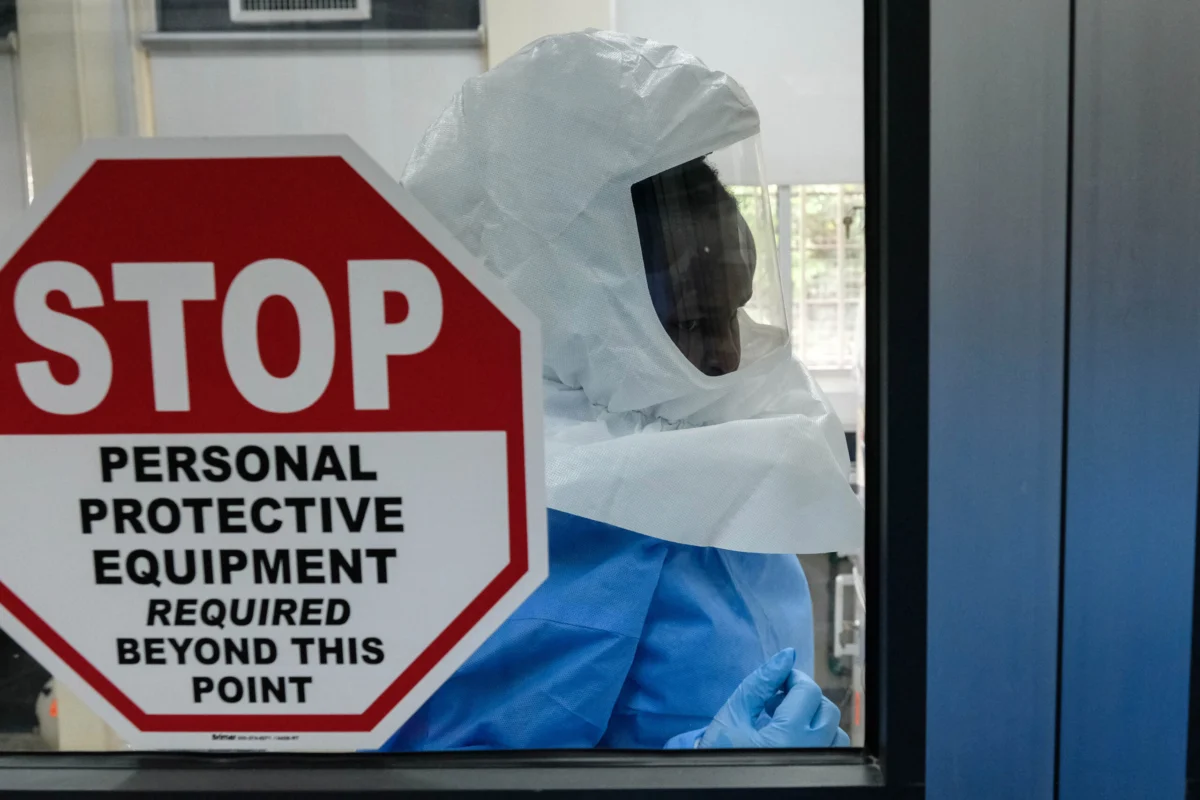
The Democratic Republic of the Congo (DRC) and Uganda are grappling with a concerning outbreak of the Bundibugyo (BVD) strain of the Ebola virus, a rare and highly lethal variant, prompting a swift and multifaceted response from governments worldwide. As of the latest reports, the World Health Organization (WHO) has documented a grim tally of 220 suspected deaths and approximately 900 suspected cases within the DRC since Kinshasa officially declared the outbreak on May 15th. Uganda has also confirmed five cases, resulting in one fatality. This escalating situation has triggered a wave of travel restrictions and enhanced public health measures across continents, as nations strive to contain the potential spread of this formidable disease.
The WHO has significantly elevated its risk assessment for the DRC, moving it from "high" to "very high" at the national level, underscoring the severity of the current situation within the affected country. However, the global risk assessment remains at a "low" level, a testament to the targeted nature of the current outbreak and the proactive measures being implemented. Despite this, the fear of international contagion has driven a preemptive and robust response from a coalition of countries, demonstrating a united front against the looming threat of a wider epidemic.
Chronology of the Outbreak and Initial Responses
The initial signs of the Bundibugyo strain’s resurgence emerged in the eastern regions of the Democratic Republic of the Congo. While the exact origin point and timeline of transmission are still under investigation by epidemiological teams, the official declaration by Kinshasa on May 15th marked the point at which national and international attention was fully mobilized. This declaration triggered a cascade of actions, starting with immediate containment efforts within the DRC.
Within days of the official declaration, the Congolese Ministry of Transport and Communications took decisive action on May 27th, suspending all flights to and from Bunia, a city in eastern DRC and a key hub within one of the eleven affected health zones. This drastic measure, while disruptive, was aimed at severing potential airborne transmission pathways and isolating the most heavily impacted areas. The exceptions granted for humanitarian, medical, and emergency flights highlight the delicate balance between stringent containment and the urgent need to deliver life-saving aid and expertise.
Simultaneously, Uganda began implementing its own border control measures. Direct flights between Uganda and the DRC were suspended, and a four-week halt was placed on bus and boat crossings. The weekly markets in border districts, often bustling centers of cross-border commerce and social interaction, were also put on hold. These measures, while designed to limit human-to-human transmission, also acknowledged the vital flow of essential goods and freight, ensuring that vital supplies and food could continue to reach communities.
International Travel Bans and Border Curbs: A Global Shield
The escalating concern over the Bundibugyo strain’s potential for international spread has led to a significant number of countries imposing stringent travel bans and entry restrictions. These measures, while impacting global mobility and trade, are viewed as critical in preventing the virus from establishing a foothold in new territories.
North America’s Proactive Stance:
Canada and the Bahamas have announced immediate 90-day bans on residents from the DRC, Uganda, and South Sudan. This preemptive measure aims to prevent individuals who may have been exposed to the virus from entering their territories. For Canadian citizens, permanent residents, and other foreign nationals who have recently been in affected areas, a mandatory 21-day quarantine upon arrival in Canada has been instituted, regardless of symptom presentation. This underscores a stringent "better safe than sorry" approach to public health.
The Bahamas has similarly implemented entry restrictions for 30 days, subject to ongoing review by its health ministry. This swift action reflects the vulnerability of island nations and the critical importance of maintaining disease-free status.
The United States has taken a particularly comprehensive approach. Initially, all non-citizens who had traveled to the DRC, Uganda, or South Sudan within the preceding 21 days were banned from entering the U.S. This ban was subsequently extended by the Centers for Disease Control and Prevention (CDC) to include green card holders who had visited these regions. U.S. citizens returning from affected countries are being directed to specific airports equipped with enhanced screening facilities, including Washington Dulles International Airport, Hartsfield-Jackson Atlanta International Airport, and George Bush Intercontinental Airport in Houston. This strategic redirection allows for concentrated screening and potential isolation of individuals who may pose a risk. Reports have also indicated the potential deployment of U.S. public health officers to Kenya to staff a quarantine facility, intended for Americans exposed to or at high risk of contracting the virus, as well as those already diagnosed.
Middle Eastern and Asian Responses:

In the Middle East, Jordan and Bahrain have also implemented entry suspensions for travelers originating from the affected nations. Jordan suspended entry from the DRC and Uganda on May 19th, while Bahrain extended its ban to include foreign travelers from South Sudan, the DRC, and Uganda for a period of 30 days. These measures highlight the interconnectedness of global travel and the need for coordinated international action.
Asian Nations Step Up Screening:
Further afield, India, Thailand, and Mexico have bolstered their screening protocols. India has enhanced screening measures at major international airports and issued travel advisories urging its citizens to avoid travel to the DRC, Uganda, and South Sudan. The nation has also postponed an India-Africa summit and canceled a meeting of the International Big Cat Alliance, many of whose member nations are in Africa, demonstrating the broad impact of the outbreak on international diplomacy and collaboration.
Thailand has stipulated that visitors from the DRC and Uganda will only be permitted entry through Bangkok’s Suvarnabhumi Airport, subject to negative screening tests upon arrival. Mexico’s health secretary has announced increased Ebola screening at its airports, reflecting a heightened state of alert across various continents. Notably, none of these countries have reported any Ebola cases.
Understanding the Bundibugyo Strain and Containment Strategies
The Bundibugyo (BVD) strain of Ebola is characterized by its rarity and a high fatality rate, leading to severe viral hemorrhagic fever. The virus is transmitted through direct contact with the blood or bodily fluids of an infected person or a deceased individual, as well as through contact with contaminated objects. This mode of transmission underscores the critical importance of hygiene, sanitation, and immediate isolation of infected individuals.
The WHO’s response in the affected regions has focused on a multi-pronged strategy. This includes rigorous contact tracing to identify individuals who may have been exposed, the establishment of dedicated treatment centers to provide care and prevent further spread within healthcare settings, and robust infection prevention and control measures. These fundamental public health interventions are the bedrock of any successful Ebola outbreak response.
However, the WHO Director-General, Tedros Adhanom Ghebreyesus, has voiced concerns about the timeliness of the detection. He stated that "the delay in detecting the outbreak means that we are now playing catch-up with a very fast-moving epidemic." He further emphasized the urgency of the situation, noting, "We are urgently scaling up operations, but at the moment, the epidemic is outpacing us." Despite these challenges, he expressed confidence in the global community’s ability to overcome the outbreak, stating, "But we know this virus, and we know how to stop it. We have stopped every previous Ebola outbreak, and we will stop this one, too."
The Role of Air Travel and International Aviation Protocols
In the context of a globalized world, air travel plays a pivotal role in the potential spread of infectious diseases. The United Nations has issued a call for airlines and governments to adhere strictly to protocols established by the International Civil Aviation Organization (ICAO) during the COVID-19 pandemic. These protocols emphasize the use of electronic health declarations and contactless border processes to minimize human interaction and reduce transmission risks.
The ICAO has maintained that international flights remain safe, provided that appropriate measures are in place. They have urged countries to avoid closing borders or imposing broad travel or trade restrictions. Instead, the focus, according to the ICAO, should be on "exit screening" for departing passengers from affected countries, rather than solely on "entry screening" for arrivals. Exit screening, the ICAO suggests, can be implemented at international airports in affected countries for all individuals exhibiting unexplained illness associated with fever and other symptoms consistent with potential BVD. This approach aims to identify and intercept potential cases before they depart, thereby acting as a proactive measure to safeguard international travel.
Broader Implications and the Path Forward
The current Ebola outbreak, while primarily concentrated in the DRC and Uganda, serves as a stark reminder of the persistent threat posed by emerging infectious diseases. The swift and comprehensive international response, including widespread travel bans and enhanced screening, highlights the lessons learned from previous global health crises. The economic impact of these travel restrictions, particularly on the affected regions and the global tourism and aviation industries, is a significant consideration. However, the immediate priority remains the containment of the virus and the protection of public health.
The scientific community continues to work on developing more effective treatments and vaccines for Ebola. While progress has been made in recent years, the emergence of rare strains like Bundibugyo underscores the need for ongoing research and development. The success of the global response will depend on continued collaboration between international health organizations, national governments, and the scientific community, coupled with the unwavering commitment to implementing and adapting public health strategies in the face of evolving threats. The ultimate goal remains the eradication of this dangerous pathogen and the prevention of future outbreaks.