Layla Zulfa
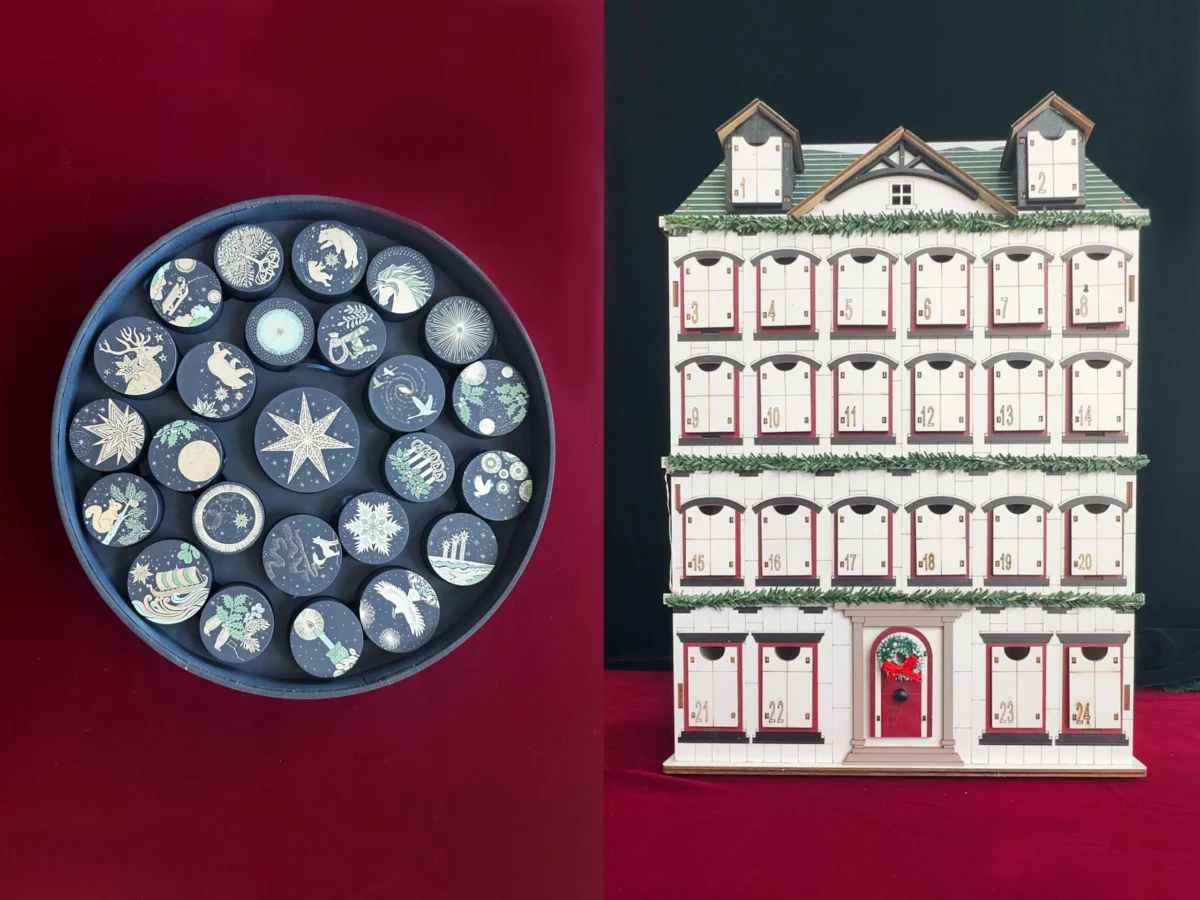
The holiday season is often synonymous with a frantic pace of social obligations, professional deadlines, and the logistical challenges of hosting festive gatherings. As the calendar approaches December, the demand for meaningful, manageable ways to mark the passage of time becomes increasingly pronounced. While traditional advent calendars have historically been associated with simple confectionery or religious observance, the contemporary market has evolved into a sophisticated industry segment. Today’s advent calendars serve as curated experiences, ranging from high-end beauty collections and artisanal culinary offerings to architectural home decor pieces that function as both countdown tools and permanent design fixtures.

The Evolution of the Advent Tradition
The advent calendar, derived from 19th-century German traditions, was originally designed to track the days leading up to Christmas. Early iterations were rudimentary, often involving chalk marks on doors or the lighting of candles. It was not until the early 20th century that the commercialized paper calendar with hidden doors gained global traction. In the current retail landscape, the concept has transcended its origins, shifting toward "lifestyle gifting." According to recent consumer spending reports, the luxury advent calendar segment has seen a consistent annual growth rate, as consumers prioritize high-utility, giftable items that offer a daily ritual of discovery. This shift is particularly evident in the beauty and gourmet food sectors, where brands now use these products to drive brand loyalty and showcase product diversity.
Pre-Filled Collections: Curation as a Service
The most significant trend in the modern market is the "pre-filled" model, which offloads the logistical burden of curation from the consumer to the manufacturer. These collections are designed to provide a comprehensive sampling of a brand’s flagship products.

The Jo Malone London Fragrance Advent Calendar exemplifies this approach. Retailing at approximately $495, the three-tiered structure is designed as a display piece rather than a disposable item. By including miniature and travel-size versions of core products like English Pear and Freesia cologne and Lime Basil and Mandarin hand care, the brand effectively utilizes the calendar as a sophisticated marketing vehicle.
Similarly, the culinary sector has embraced this model with products like the Bonne Maman Mini Jam Advent Calendar. Priced at $56, this collection focuses on artisanal flavor profiles—such as strawberry guava and mango raspberry lime—that appeal to a demographic interested in gourmet experiences. Industry analysts note that these products succeed because they offer a repeatable, low-stakes luxury that fits into existing morning routines.

Artisanal Collaboration and Global Curation
High-end advent calendars often rely on collaborative efforts to elevate the product beyond mere novelty. The Dandelion Chocolate Advent Calendar ($205) serves as a case study in global curation. By sourcing 24 distinct, award-winning chocolatiers from North America and Japan, the brand transforms the calendar into a collaborative gallery of flavor. This model, which includes additional non-food elements like an illustrated book of Nordic folklore, positions the calendar as a multi-sensory experience rather than a singular consumable.
This emphasis on quality and narrative is further reflected in the beauty sector. The Liberty Beauty Advent Calendar, which retails for $395, is notable for its architectural design—a nod to the iconic London department store’s Tudor facade. By partnering with figures such as Helena Bonham Carter, the brand leverages high-profile cultural capital to distinguish its product in a crowded marketplace, where competition from luxury retailers is at an all-time high.

Fragrance and Sensory Immersion
The luxury fragrance market has leaned heavily into the advent format, as it allows for the introduction of complex scent profiles over a 25-day period. Diptyque’s Scented Treasures Advent Calendar ($525) and the Apotheke Holiday Advent Calendar ($250) both capitalize on the consumer’s desire for home atmosphere enhancement.
The strategy here is rooted in "discovery retailing." For fragrance aficionados, the cost of the calendar is often justified by the inclusion of limited-edition scents that would be difficult to source individually. Furthermore, the inclusion of maintenance tools—such as candle snuffers or specialized diffusers—adds a layer of functional value that extends the life of the products well beyond the holiday season.

The Rise of the DIY and Reusable Aesthetic
While pre-filled calendars dominate the luxury space, a parallel movement toward sustainable, reusable, and DIY (Do-It-Yourself) options is gaining momentum. This shift responds to consumer concerns regarding packaging waste and the desire for personalized holiday traditions.
Items such as the Crate & Barrel Hotel Holiday Advent Calendar ($169) and the Maren Baxter Light-Up Wooden Advent Calendar ($168) offer an architectural, reusable foundation. These pieces function as high-end home decor that can be populated with customized gifts, ranging from jewelry to small tokens of appreciation. The environmental implications of this trend are significant; by investing in a durable, year-after-year piece, households can reduce the carbon footprint associated with single-use, disposable cardboard calendars.

Market Implications and Future Outlook
The popularity of these calendars is not merely a seasonal phenomenon but a reflection of changing consumer preferences regarding the "unboxing" experience. The anticipation of daily discovery provides a psychological reprieve during a high-stress season. From an economic standpoint, these calendars are powerful tools for retailers to increase average transaction values. By bundling products, brands can move inventory that might otherwise go unnoticed while simultaneously fostering a deeper connection with the consumer.
The demand for these items is typically front-loaded. Data suggests that the optimal purchasing window for high-demand, limited-edition calendars closes by early December. As the market becomes more saturated, consumers are increasingly discerning, favoring brands that provide a blend of aesthetics, utility, and sustainability.

Strategic Recommendations for Consumers
For those looking to integrate these items into their holiday planning, several factors should be weighed:
- Utility vs. Novelty: Assess whether the contents of a pre-filled calendar will actually be used. If the goal is to discover new products, a luxury beauty or fragrance calendar is ideal. If the goal is long-term decor, a reusable wooden or metal structure is a superior investment.
- Budget Allocation: With price points ranging from $48 for simple wax calendars to over $900 for high-end designer collaborations, it is essential to determine whether the value proposition aligns with personal spending goals.
- Lead Time: Because many of these items are produced in limited quantities, early planning—often as early as late October or early November—is required to ensure availability.
- Sustainability Considerations: Consider the lifecycle of the product. Does the calendar offer secondary use as home storage, or is it destined for recycling?
Conclusion
The advent calendar has successfully rebranded itself from a childhood tradition into an essential component of modern holiday luxury. By combining high-quality product curation with sophisticated, often heirloom-quality packaging, brands have managed to capture the attention of a consumer base that values both form and function. As we look toward future holiday seasons, the trend toward personalization and sustainability is expected to continue, likely leading to more customizable, durable, and ethically sourced options that prioritize the long-term enjoyment of the holiday countdown. Whether through the lens of a luxury fragrance collection or a handcrafted wooden village, the act of counting down remains a quintessential part of the holiday experience, now elevated to an art form.