Johny Marice
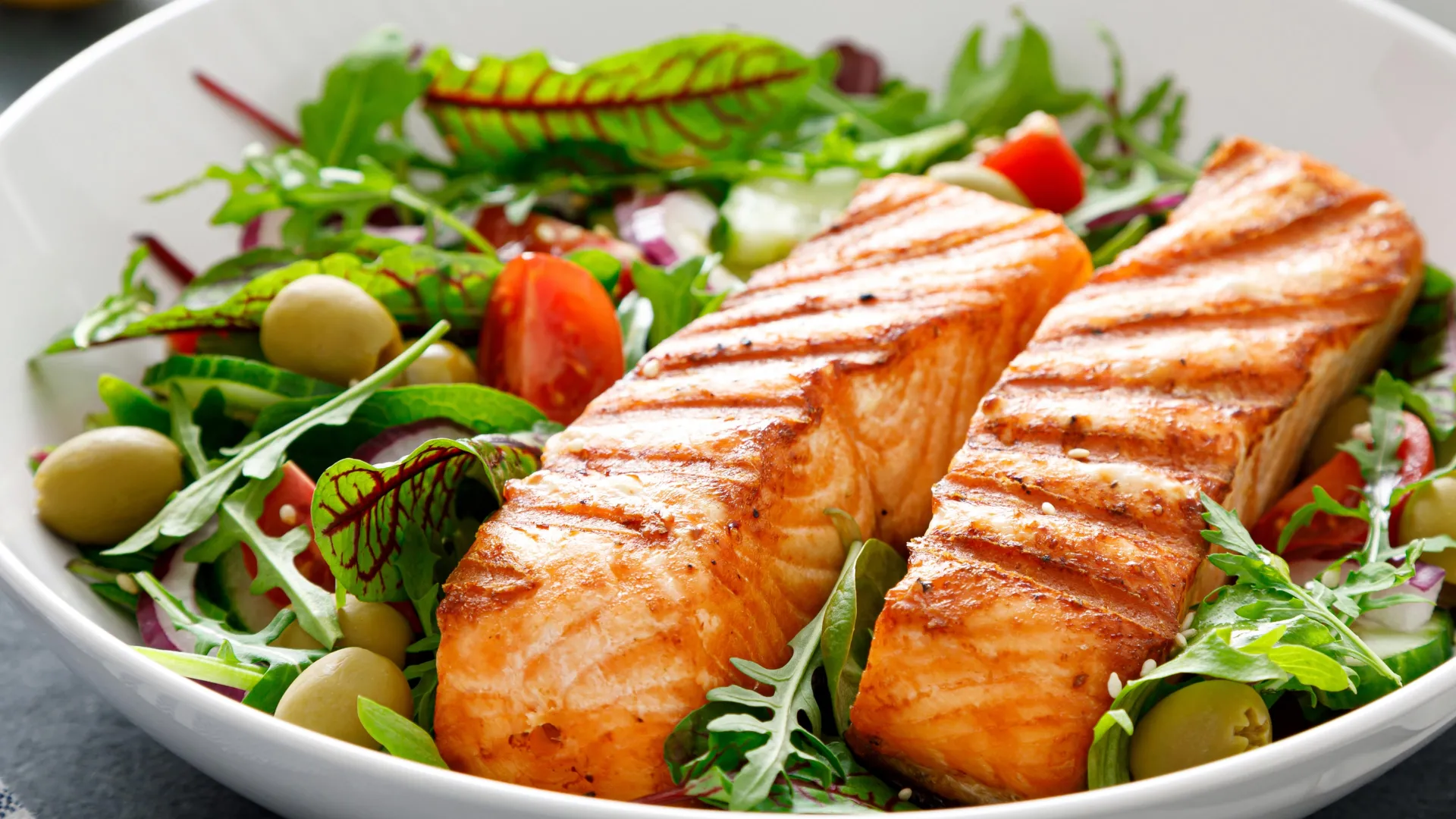
A groundbreaking study led by the USC Leonard Davis School of Gerontology has unveiled a previously unknown biological mechanism that explains how the Mediterranean diet preserves cardiovascular, cognitive, and cellular health. Researchers have identified that this dietary pattern influences the production of two specific mitochondrial microproteins—humanin and SHMOOSE—which serve as molecular messengers that facilitate cellular resilience against aging and disease. By linking centuries-old dietary traditions with modern molecular biology, this research provides a transformative perspective on why the Mediterranean diet remains one of the most effective nutritional strategies for promoting longevity.
The Science of Mitochondrial Microproteins
For decades, mitochondria were viewed strictly as the "powerhouses" of the cell, responsible for converting nutrients into adenosine triphosphate (ATP), the primary energy currency of life. However, recent scientific advancements, pioneered by researchers such as Dr. Pinchas Cohen, have revealed that these ancient organelles also function as dynamic signaling hubs.
The study focuses on microproteins encoded within the mitochondrial DNA itself, specifically within segments known as open reading frames. While these regions were once dismissed as "junk DNA," they are now understood to encode potent, biologically active peptides. Humanin, discovered by Dr. Cohen’s team in 2003, has been widely studied for its role in metabolic regulation and protection against oxidative stress. SHMOOSE, a more recently identified microprotein, has gained scientific interest due to its specific protective effects on neurons and its association with reduced risks of neurodegenerative conditions like Alzheimer’s disease.
Chronology of Discovery and Dietary Correlation
The investigation into these proteins represents the culmination of over 20 years of research into mitochondrial biology. The USC team conducted an analysis of blood samples from a cohort of older adults, categorizing them based on their adherence to the Mediterranean diet. The findings were stark: individuals who strictly followed the diet, characterized by a high intake of olive oil, legumes, fish, fruits, and vegetables, possessed significantly higher concentrations of both humanin and SHMOOSE.
Conversely, those who consumed higher amounts of refined carbohydrates—such as white bread, pastries, and processed snacks—exhibited lower levels of these protective peptides. Furthermore, the study identified a direct correlation between specific food groups and protein production. For example, high consumption of olive oil and fish was explicitly linked to elevated humanin levels, while a reduction in refined sugars combined with olive oil intake appeared to bolster SHMOOSE production.
Oxidative Stress and the Cardiovascular Connection
A critical component of the research involved examining the relationship between microproteins and oxidative stress. Oxidative stress occurs when harmful molecules, known as reactive oxygen species (ROS), exceed the body’s natural antioxidant capacity. This state is a primary driver of chronic inflammation, arterial damage, and age-related cellular decline.
The researchers observed that participants with higher levels of humanin displayed lower activity of Nox2, an enzyme that facilitates the production of reactive oxygen species. This suggests that the Mediterranean diet may serve as a dual-action defense system: it provides antioxidant-rich nutrients that directly neutralize oxidative stress, while simultaneously signaling the mitochondria to produce proteins that suppress the enzymatic pathways responsible for generating harmful free radicals. This mechanism potentially offers a robust explanation for the lower rates of heart disease observed in populations residing in the Mediterranean basin.
Official Perspectives and Academic Context
Dr. Roberto Vicinanza, the lead author of the study and an Instructional Associate Professor of Gerontology, emphasizes that these microproteins function as translators between nutritional input and biological output. "These microproteins may act as molecular messengers that translate what we eat into how our cells function and age," Dr. Vicinanza stated. "It’s a new biological pathway that helps explain why the Mediterranean diet is so powerful."
The senior author of the study, Dr. Pinchas Cohen, Dean of the USC Leonard Davis School, suggests that these findings elevate the status of humanin and SHMOOSE as potential biomarkers. "These findings suggest that specific components of the Mediterranean diet may directly influence mitochondrial biology," said Dr. Cohen. "Humanin and SHMOOSE could serve as biomarkers for adherence to the Mediterranean diet and have clinical significance."
By quantifying these proteins, clinicians might eventually be able to measure how effectively a patient is responding to dietary changes, moving beyond subjective food frequency questionnaires toward objective biological assessment.
Broader Implications: Toward Precision Nutrition
The implications of this research extend into the burgeoning field of precision nutrition, which seeks to tailor dietary advice to an individual’s unique physiological requirements. If future clinical trials confirm that increased microprotein production is a direct result of diet, rather than an incidental association, it could fundamentally change the approach to geriatric medicine.
For decades, the Mediterranean diet has been synonymous with "healthy aging." Large-scale epidemiological data, such as the Seven Countries Study, originally brought this diet to the global stage in the mid-20th century, highlighting the remarkably low incidence of coronary heart disease in Greece and Italy. While public health initiatives have long promoted the diet based on these population-level outcomes, the current USC study provides the molecular "why" that has been missing.
However, the researchers remain cautious. Because the current study is observational, it identifies a strong correlation but cannot definitively claim causation. Future research must involve controlled, longitudinal clinical trials to determine if increasing dietary intake of specific Mediterranean components leads to a measurable increase in mitochondrial proteins and, subsequently, improved health outcomes in human subjects.
Cultural Heritage and Global Sustainability
The significance of the Mediterranean diet is not merely biological; it is also cultural and environmental. Dr. Vicinanza has been instrumental in promoting the diet as a sustainable, heritage-based lifestyle. His collaboration with the Municipality of Pollica in Italy—a UNESCO-recognized emblematic community for the Mediterranean diet—has helped foster international recognition, including the establishment of the International Day of the Mediterranean Diet, observed annually on November 16.
This initiative seeks to address the rise of ultra-processed food consumption, which has been linked to the global epidemic of metabolic diseases. By framing the diet as an adaptation to which human mitochondria are evolutionarily tuned, the researchers are bridging the gap between ancient culinary practices and modern molecular medicine. This perspective supports the idea that the human body functions optimally when provided with whole, minimally processed foods that align with ancestral nutritional patterns.
Future Research Directions
The research team is already looking toward the next phase of study. The goal is to move from observing associations to proving causality. This will likely involve testing whether controlled dietary interventions can modulate mitochondrial protein levels in diverse populations and whether such changes can delay the onset of age-related conditions like type 2 diabetes and Alzheimer’s disease.
Additionally, the potential for these proteins to act as biomarkers for metabolic health could have far-reaching clinical applications. If physicians can test for humanin and SHMOOSE levels, they might identify patients at high risk for cardiovascular or neurodegenerative disease long before clinical symptoms appear. Such advancements would represent a paradigm shift in how we approach preventative health, shifting from treating disease symptoms to supporting the underlying biological machinery of the cell.
The study, while small, provides a vital roadmap for future inquiries. It reaffirms the importance of diet as a primary tool for health optimization and offers a compelling, evidence-based reason to prioritize nutrient-dense, plant-forward eating patterns. As the global population continues to age, understanding these microscopic pathways will be essential in developing strategies that ensure not just longer lives, but healthier, more vibrant years for individuals worldwide. The work was supported by the USC Daryl and Irwin Simon Nutrition for Alzheimer’s Disease Prevention Research Fund, the Hanson-Thorell Family Research Award, and grants from the National Institutes of Health and the Italian Ministry of University and Research.