Ronny Sianturi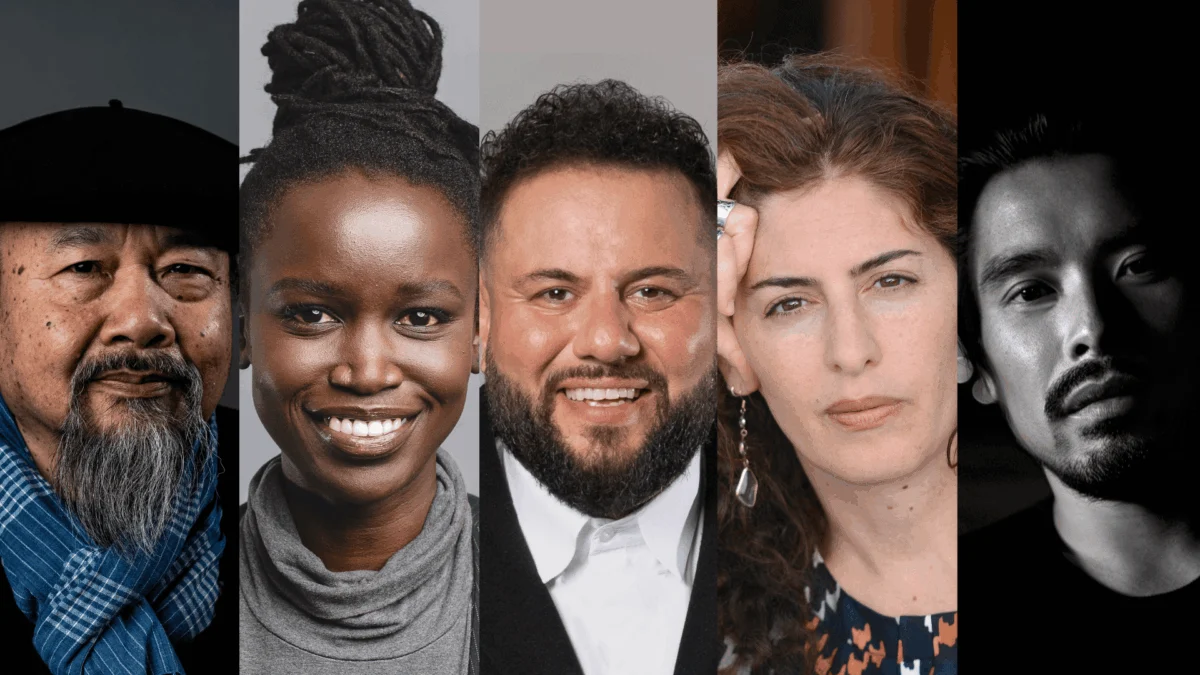
The global cinematic landscape has once again been illuminated by the vital narratives of displaced filmmakers, as Academy Award-winning actress and UNHCR Goodwill Ambassador Cate Blanchett announced the five recipients of the second cycle of the prestigious Displacement Film Fund (DFF) short film grant scheme. The impactful unveiling took place during a significant panel event at the Cannes Film Festival on Monday, underscoring the festival’s commitment to showcasing diverse and often underrepresented voices.
Among the distinguished filmmakers selected for this crucial support are Bao Nguyen, Mohammed “Mo” Amer, and Annemarie Jacir, the acclaimed director behind the powerful film Palestine 36. Joining them are Rithy Panh, a celebrated documentarian known for his profound explorations of Cambodian history, and Akuol de Mabior, a rising South Sudanese filmmaker. This curated selection represents a diverse array of backgrounds and experiences, united by a shared commitment to authentic storytelling about displacement.
The Displacement Film Fund, a collaborative initiative launched in 2025, is a testament to the power of collective action within the film industry. Co-founded by Cate Blanchett and the International Film Festival Rotterdam’s (IFFR) Hubert Bals Fund, the DFF operates with the explicit mission to champion and fund the work of filmmakers who are themselves displaced or who possess a demonstrable track record in creating deeply resonant narratives about the experiences of displaced populations. This mission is further bolstered by a coalition of influential figures from the film industry, creative arts, business leadership, and philanthropic sectors, all united by a shared vision.
Each of the five selected filmmakers will receive a substantial production grant of €100,000 (approximately $116,350 USD). This financial support is crucial for enabling the production of high-quality short films that can effectively convey complex human experiences. The culmination of this investment will be the world premiere of these completed projects at the International Film Festival Rotterdam (IFFR) in 2027, scheduled to run from January 28 to February 7. This premiere platform offers these vital stories an international stage and critical visibility.
The announcement at Cannes serves as a significant marker in the DFF’s growing trajectory. The fund’s inaugural cycle, which concluded in 2025, saw production grants awarded to an equally impressive roster of filmmakers: Mohammad Rasoulof, Maryna Er Gorbach, Mo Harawe, Hasan Kattan, and Shahrbanoo Sadat. Their short films – Sense of Water, Rotation, Whispers of a Burning Scent, Allies in Exile, and Super Afghan Gym, respectively – have already made their world premieres at IFFR 2026, garnering critical attention and sparking important conversations.
The significance of the Cannes Film Festival as a venue for this announcement cannot be overstated. As the Marché du Film, the festival’s industry marketplace, designates Japan as its 2026 Country of Honor, the DFF’s presence highlights the international scope and ambition of its mission. Beyond the festival circuit, the DFF is actively working to ensure broader reach and impact for its supported films. It was revealed that the inaugural collection of DFF films will be screened at the Tokyo International Film Festival in October. Furthermore, a theatrical run has been confirmed at the esteemed Film Forum in New York during the fall season. This New York screening is particularly noteworthy as it will qualify the five films for Academy Award consideration, potentially bringing these narratives to an even wider global audience and the highest echelon of cinematic recognition.
Cate Blanchett, in her capacity as co-founder and driving force behind the DFF, articulated her profound optimism and commitment. "The short form is a fantastic medium for these narratives, and the way audiences are connecting with the first five films is extraordinary," she stated. "I’m heartened by the success of our first cohort and thrilled to be revealing the next group of artists to be supported." Her words encapsulate the fund’s belief in the power of concise, impactful storytelling to resonate deeply with viewers.
Clare Stewart, managing director of IFFR, and Tamara Tatishvili, head of the Hubert Bals Fund, echoed Blanchett’s sentiments, underscoring the collaborative spirit and the profound impact of the DFF. "It is a privilege to return to Cannes with the Displacement Film Fund, following the remarkable journey we’ve embarked on with the first cohort and the success of their premiere screenings at IFFR 2026," they remarked. "The recipients of our second cycle once again reflect an extraordinary breadth of filmmaking talent – with each navigating their own personal experiences of displacement, and we are proud to help bring their vital stories into the spotlight. At a time of ongoing global uncertainty, our commitment to maintaining this fund only deepens, alongside our belief in championing film as a powerful force for encouraging empathy and positive change." Their statement emphasizes the fund’s enduring relevance and its role in fostering understanding and progress through cinema.
The Second Cycle of Displacement Film Fund Recipients and Their Projects
The DFF’s commitment to amplifying the voices of displaced filmmakers is vividly demonstrated through the detailed descriptions of the five projects selected for the second cycle:
Mohammed “Mo” Amer: A Comedian’s Journey Through Immigration Hurdles
Mohammed “Mo” Amer, the award-winning Palestinian-American comedian, writer, and director, is widely recognized for his starring role in Netflix’s semi-autobiographical series MO. His project, tentatively titled Return to Sender (Palestine/U.S.), promises to offer a sharp, yet deeply personal, exploration of identity and belonging in the modern world. The synopsis reveals: "After receiving his refugee travel document, a Palestinian stand-up comedian embarks on the world tour of his dreams, but each new country presents increasingly absurd immigration hurdles that test his emotional and mental resolve." Amer’s unique blend of humor and poignant observation is expected to bring a fresh perspective to the challenges faced by refugees navigating global systems. The project’s focus on the bureaucratic and emotional toll of travel for those seeking safety and opportunity highlights a critical, often overlooked, aspect of the refugee experience.
Annemarie Jacir: Unearthing Narratives in Haifa
Annemarie Jacir, a Palestinian director, writer, and producer whose feature films have consistently been selected as Palestine’s official Oscar submissions, brings her directorial prowess to the short film format with Deconstruction (working title) (Palestine). Jacir’s work is known for its nuanced portrayal of Palestinian life and identity. The film is set in Haifa, a city rich with layered histories, and its narrative centers on a man navigating a landscape where the past is constantly being re-examined and reshaped. The description reads: "Set in Haifa – a city built on layers of presence and absence, memory and reinvention – the short film Deconstruction follows a man navigating the in-between as the past is uncovered, rearranged, sold, and made new." This project delves into themes of memory, heritage, and the ongoing process of identity formation within a complex historical context.
Akuol de Mabior: Preserving Lineage in the Face of Conflict
South Sudanese filmmaker Akuol de Mabior, who grew up in Kenya and was born in Cuba, has already made significant strides in her career. Her feature directorial debut, No Simple Way Home (2022), was a landmark as the first South Sudanese film to screen at the Berlin International Film Festival. Her DFF-supported project, Traces of a Broken Line (working title) (South Africa/South Sudan), tackles the profound impact of war on familial bonds and cultural transmission. The film’s synopsis is stark: "War breaks a lineage, forcing a mother to preserve what she can no longer pass down." This project is poised to offer a deeply emotional and visceral depiction of loss, resilience, and the intergenerational legacy of conflict, exploring the ways in which mothers strive to maintain cultural continuity amidst devastating circumstances.
Bao Nguyen: Bridging Generational Divides Through a Simple Skill
Vietnamese-American filmmaker Bao Nguyen, a founding partner of East Films and recognized for his directorial work on films such as The Stringer, Be Water, The Greatest Night in Pop, and BTS: The Return, is set to direct How to Ride a Bike (working title) (U.S./Vietnam). This project explores the poignant story of a Vietnamese refugee father who, despite never having learned to ride a bicycle himself, attempts to teach his young son. The synopsis reveals a deeply personal journey: "A Vietnamese refugee father who never learned to ride a bike tries to teach his young son, and when he fails, begins learning in secret, confronting a lifelong shame he has carried since boyhood." This narrative promises to be a powerful exploration of intergenerational trauma, the weight of unspoken shame, and the quiet courage required to confront the past and build a stronger future. The bicycle, a symbol of freedom and mobility, becomes a vehicle for confronting deeply ingrained emotional barriers.
Rithy Panh: Reconstructing Memory Through Cinematic Fragments
Acclaimed Cambodian director, writer, and producer Rithy Panh, whose body of work has profoundly examined memory, trauma, and the enduring legacy of the Khmer Rouge regime, will bring his distinctive vision to Time… Speak (working title) (France/Germany). Panh is celebrated for films like The Rice People, The Missing Picture (which won the Un Certain Regard prize at Cannes and earned an Academy Award nomination), Graves Without a Name, and Everything Will Be OK. His DFF project delves into the fragmented nature of memory and the power of cinema to give voice to the silenced. The synopsis states: "An exiled filmmaker returns to the broken fragments of his memory – shattered figurines, archives, and silences – to reconstruct through cinema a form of life in which the disappeared continue to speak." This project represents a deeply personal and artistic endeavor to grapple with collective trauma and ensure that the voices of those lost are not forgotten. Panh’s approach, often blending documentary and artistic interpretation, is expected to yield a profoundly moving and thought-provoking film.
Broader Impact and Industry Implications
The success and expansion of the Displacement Film Fund carry significant implications for the film industry and for the broader discourse surrounding displacement. By providing substantial financial support and international platforms, the DFF is actively working to dismantle barriers that often prevent displaced filmmakers from accessing resources and reaching audiences. The fund’s focus on short films is a strategic choice, recognizing this format’s capacity for concise yet powerful storytelling, often serving as a crucial stepping stone for emerging or re-emerging filmmakers.
The DFF’s commitment to Academy Award qualification through theatrical screenings in major cultural hubs like New York signifies a deliberate effort to elevate these narratives to the highest levels of cinematic recognition. This not only provides a potential career boost for the filmmakers but also ensures that the complex realities of displacement are presented on a global stage, challenging preconceived notions and fostering empathy.
The collaborative nature of the DFF, bringing together established industry figures, philanthropic organizations, and film festivals, serves as a model for how the industry can collectively address critical social issues. The fund’s continued growth and the caliber of its recipients underscore a growing recognition within the film world of the imperative to support stories that often go unheard. As global displacement continues to be a defining issue of our time, the work of the Displacement Film Fund and the powerful films it enables will undoubtedly play a crucial role in shaping public understanding and promoting a more compassionate world. The upcoming premieres at IFFR 2027 and the continued outreach to festivals and theatrical venues will be closely watched, as they represent not just artistic achievements but vital contributions to global dialogue.