Johny Marice
- Mental Health & Wellness
- April 27, 2026
- 26 views
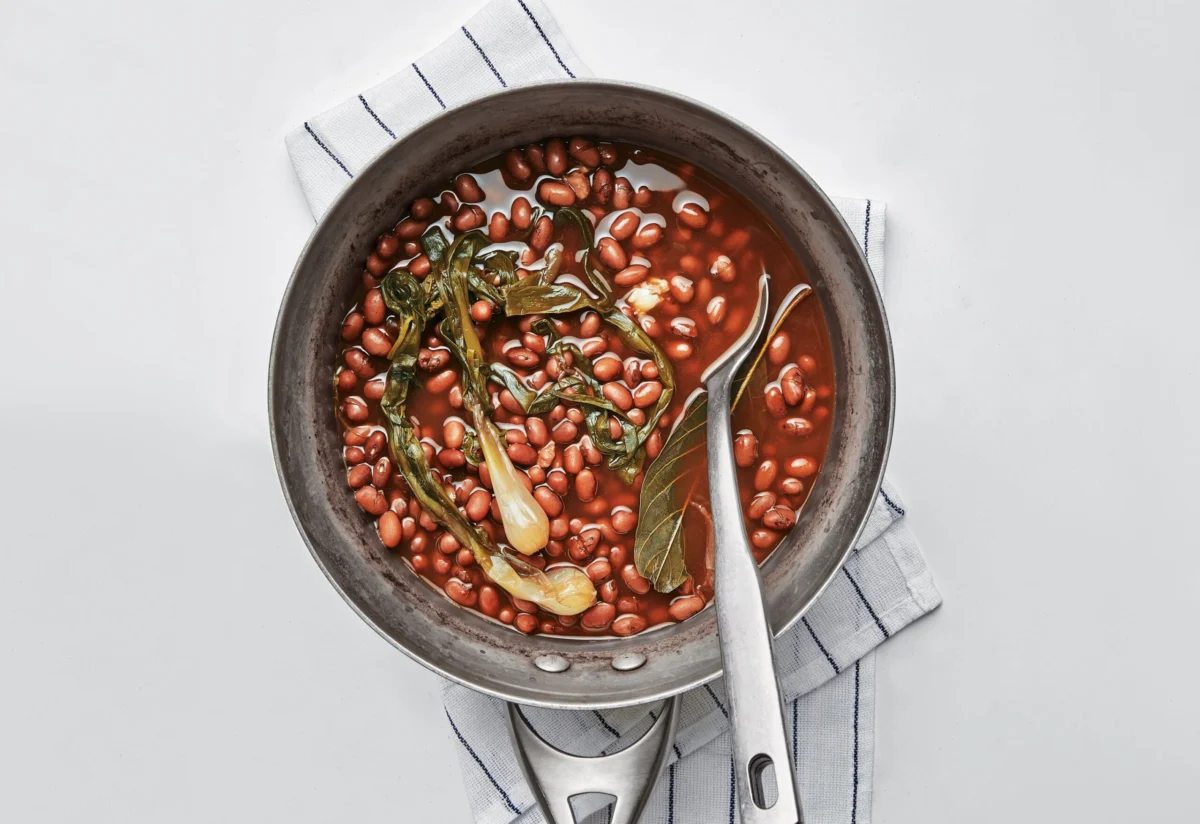
Internalized Stress in Older Chinese Americans May Quietly Increase Memory Loss Risk, Rutgers Study Finds
New research from Rutgers Health suggests that older Chinese Americans who tend to internalize stress may be at a quietly increasing risk of memory loss. The groundbreaking study, published in…

- Mental Health & Wellness
- April 27, 2026
- 25 views
Midlife Vitamin D Levels Associated with Lower Brain Tau Protein Years Later
A significant new study published on April 1, 2026, in Neurology Open Access, an official journal of the American Academy of Neurology, suggests a compelling link between higher vitamin D…
- Mental Health & Wellness
- April 27, 2026
- 22 views
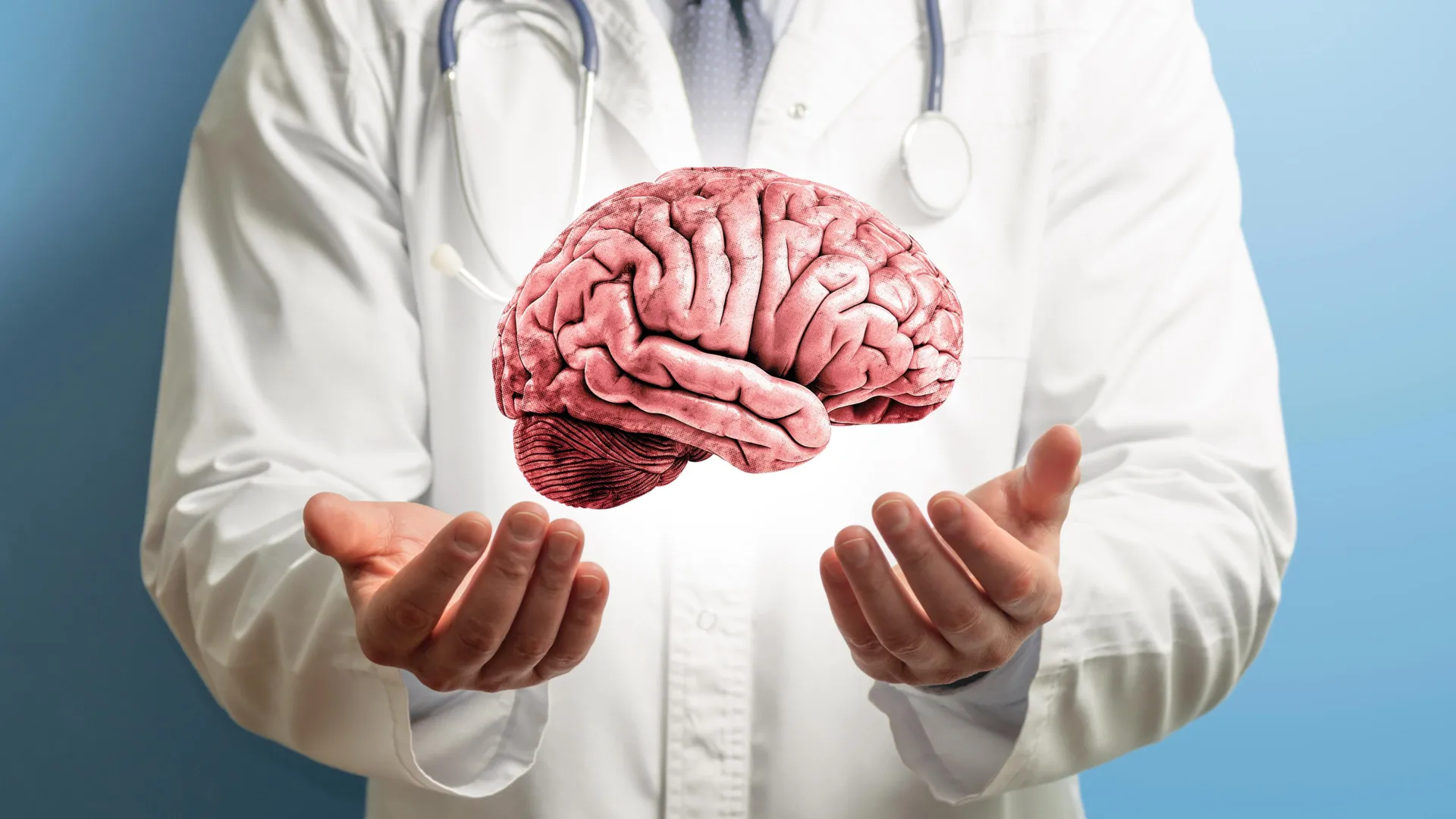
A Chasm in Understanding: Public Enthusiasm for Autism Research Outpaces Knowledge of Brain Donation
A recent survey released by Autism BrainNet, a leading organization dedicated to advancing autism research through postmortem brain donation, has illuminated a significant disconnect between public enthusiasm for understanding autism…
- Mental Health & Wellness
- April 27, 2026
- 32 views
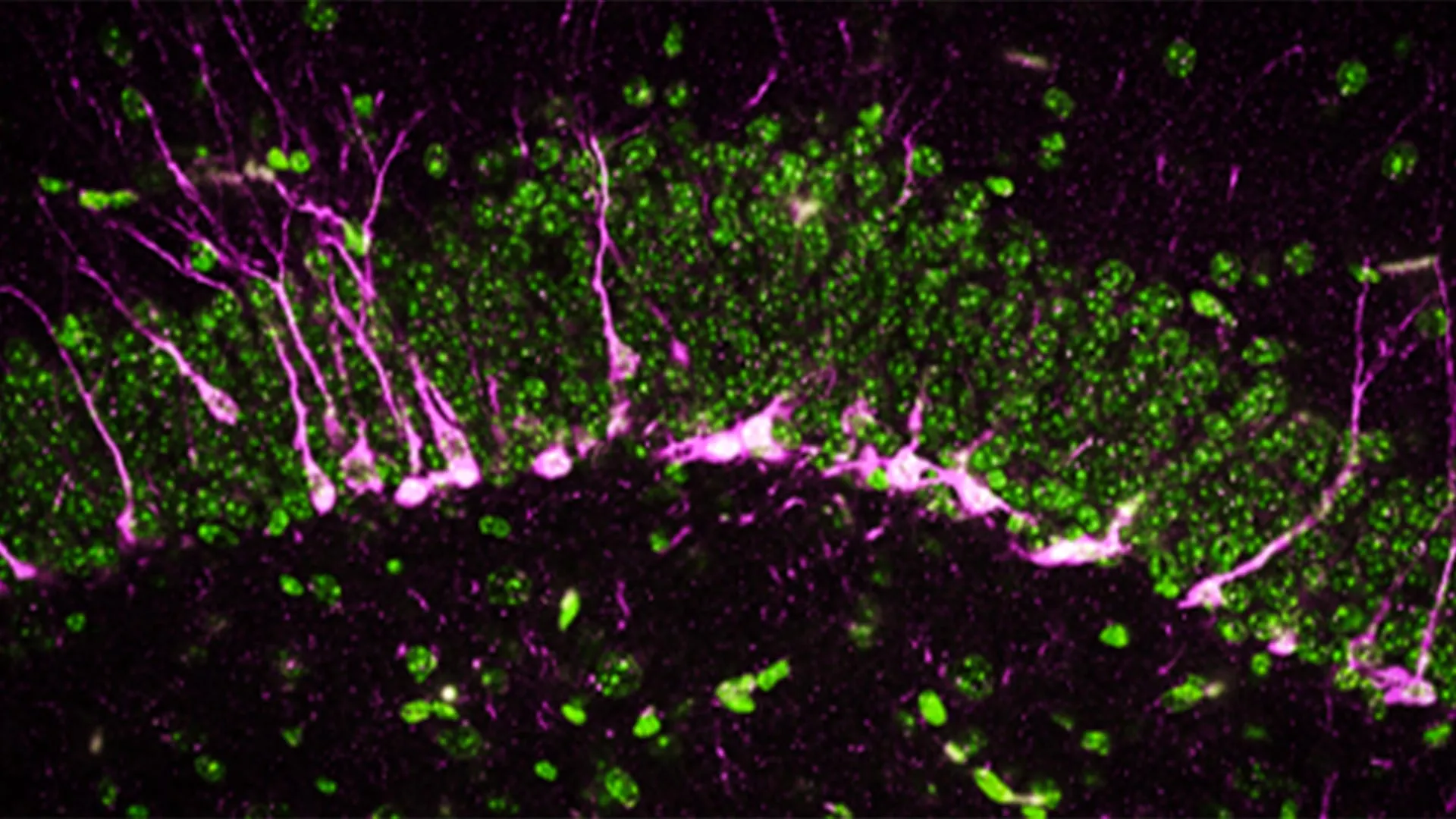
A New Approach to Alzheimer’s Disease Treatment Emerges from Research on a Protein That Produces a Vital Brain Gas
Researchers at Johns Hopkins Medicine have unveiled a promising new avenue in the fight against Alzheimer’s disease, fueled by a recently funded study from the National Institutes of Health (NIH).…

- Mental Health & Wellness
- April 26, 2026
- 26 views
A Declining Sense of Smell: The Earliest Whisper of Alzheimer’s Disease Unveiled by Immune System Dysfunction
A subtle yet significant shift in our olfactory senses—a declining ability to detect and differentiate scents—may serve as one of the most poignant and earliest harbingers of Alzheimer’s disease, preceding…
- Mental Health & Wellness
- April 26, 2026
- 29 views
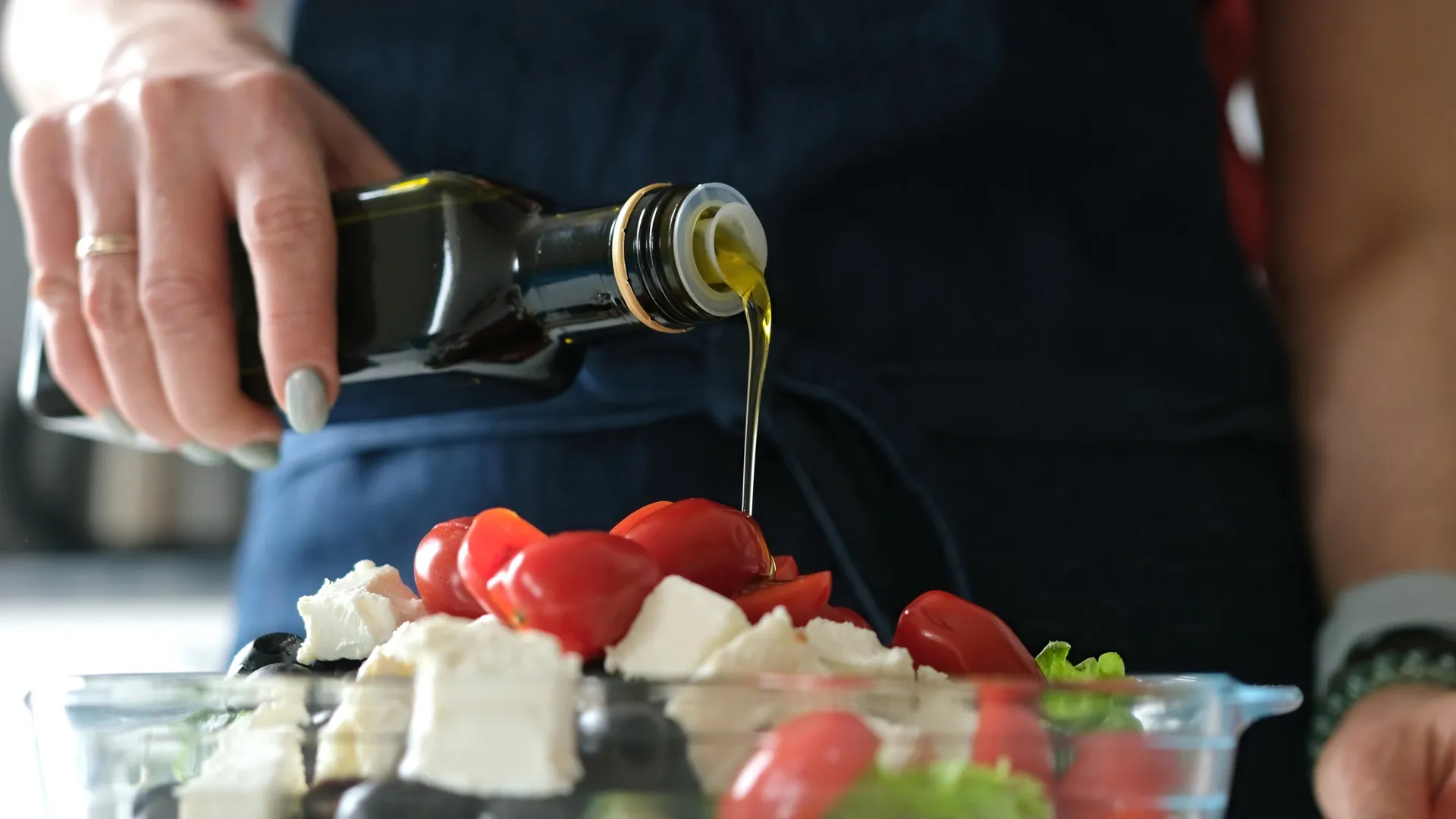
Extra Virgin Olive Oil Emerges as a Powerful Ally in Preserving Cognitive Health Through Gut Microbiome Modulation
A groundbreaking new study has unveiled a significant connection between the consumption of extra virgin olive oil (EVOO) and the preservation of cognitive function, mediated by its profound impact on…

- Mental Health & Wellness
- April 26, 2026
- 27 views
Fish Oil Supplements May Hinder Brain Injury Recovery, New Study Suggests
A groundbreaking study emerging from the Medical University of South Carolina (MUSC) is casting a shadow of doubt over the widespread use of fish oil supplements, particularly for individuals grappling…
- Mental Health & Wellness
- April 26, 2026
- 23 views
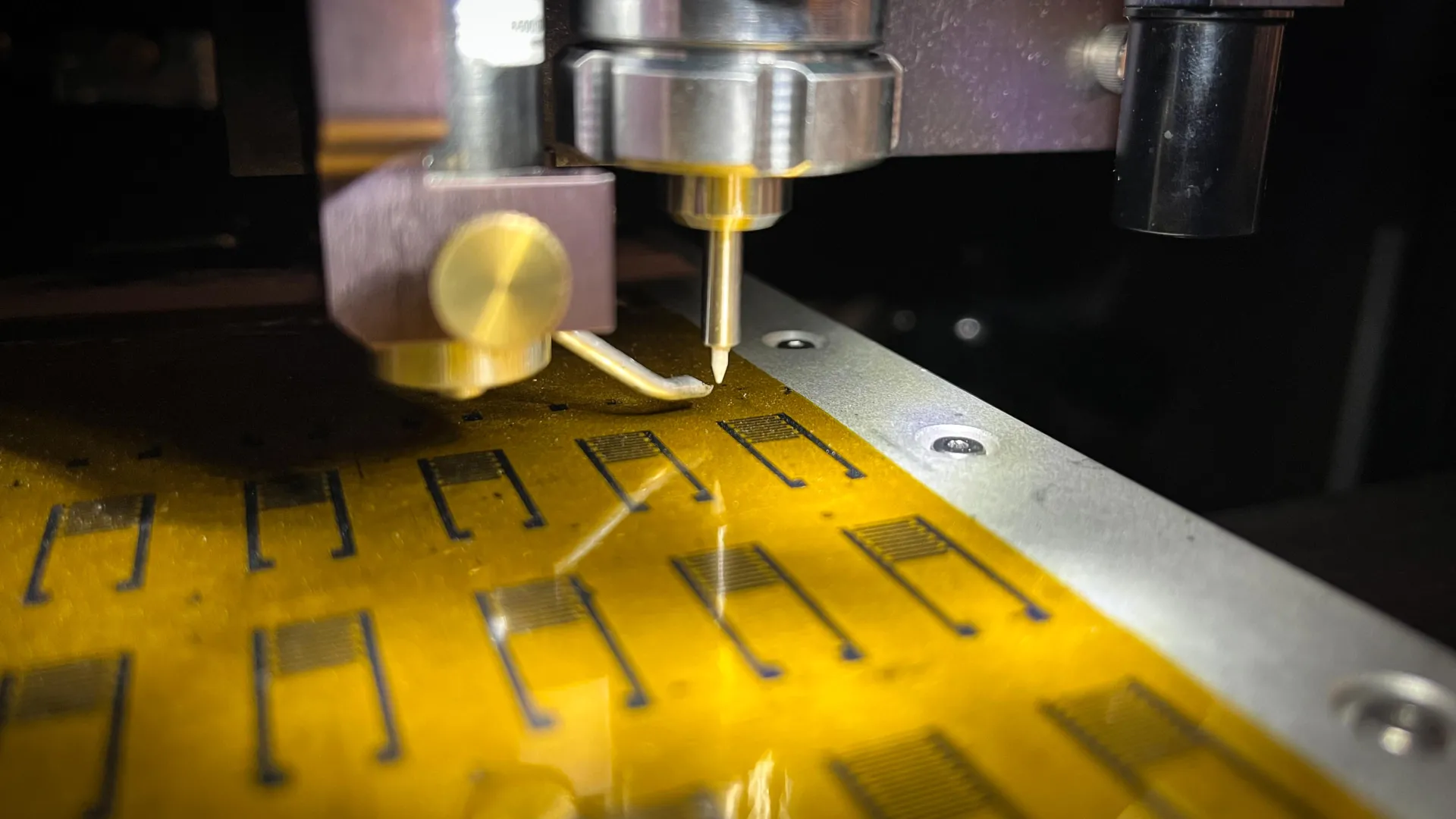
Printed Artificial Neurons Mimic Biological Brain Cells and Interact Directly with Living Tissue
Northwestern University engineers have achieved a significant breakthrough in bio-integrated electronics, developing printed artificial neurons that not only mimic the electrical signals of biological neurons but can also directly interact…
- Mental Health & Wellness
- April 25, 2026
- 26 views
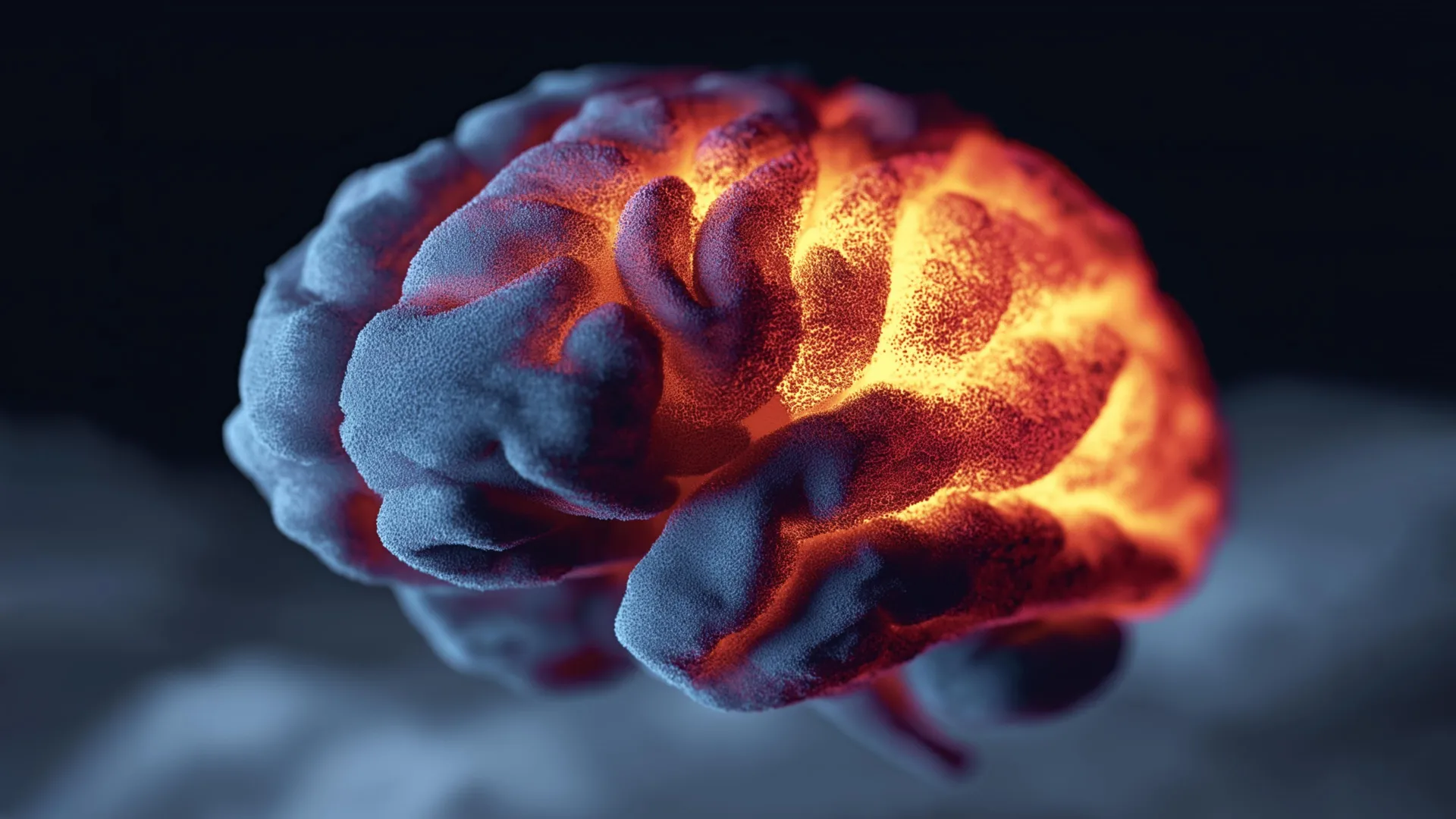
The Gut-Brain Axis: Unraveling the Molecular Link Between Morganella morganii and Depression
Scientists have increasingly recognized that the gut microbiome, the vast ecosystem of microorganisms residing within our digestive tract, plays an indispensable role in maintaining overall health, with a growing body…
- Mental Health & Wellness
- April 25, 2026
- 28 views
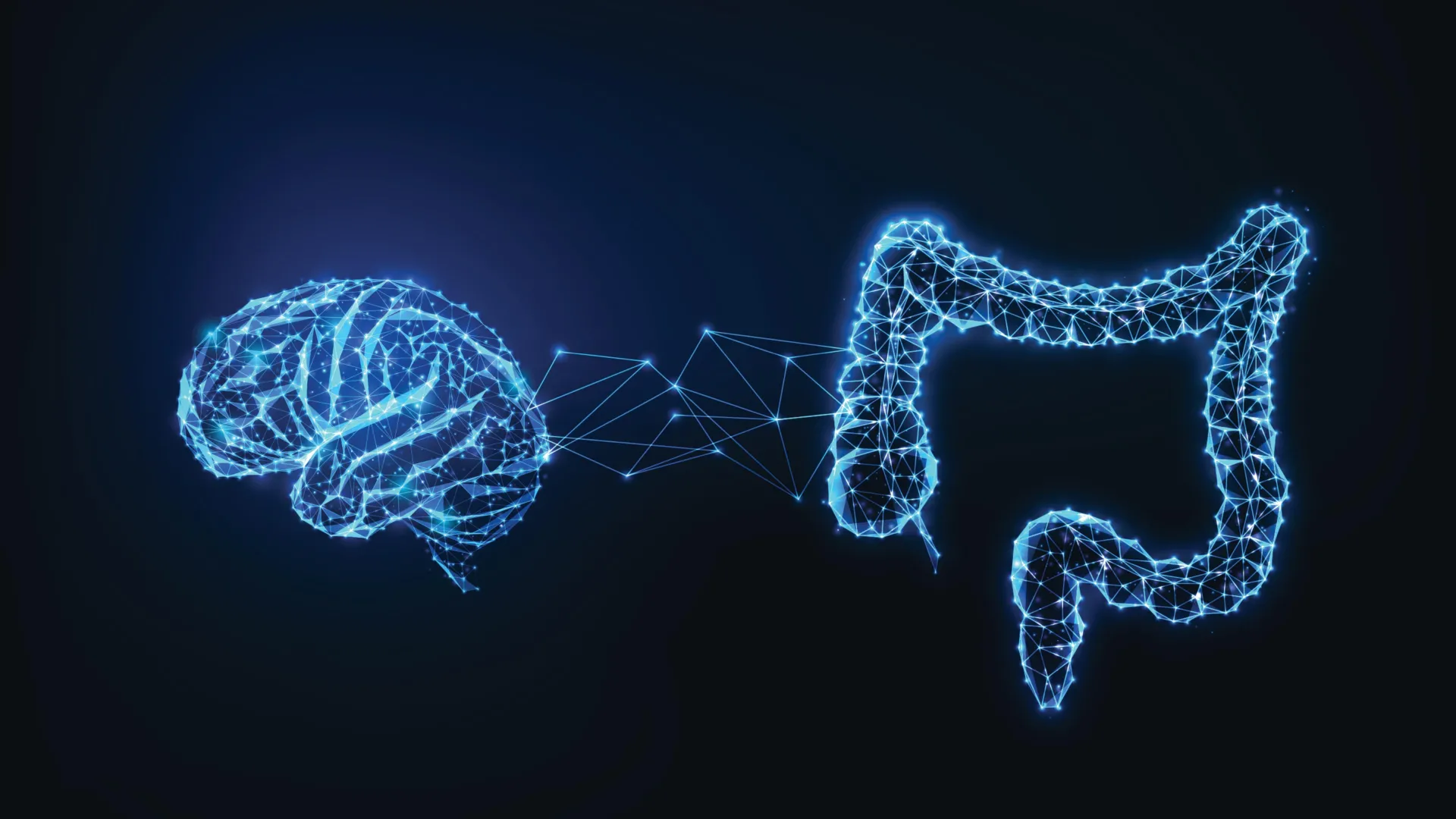
Gut Bacteria Identified as a Key Driver in Devastating Brain Disorders ALS and FTD, Paving the Way for Novel Therapies
Researchers at Case Western Reserve University have unveiled a groundbreaking discovery that could fundamentally alter the medical community’s understanding and treatment of Amyotrophic Lateral Sclerosis (ALS) and Frontotemporal Dementia (FTD),…