Danny Garick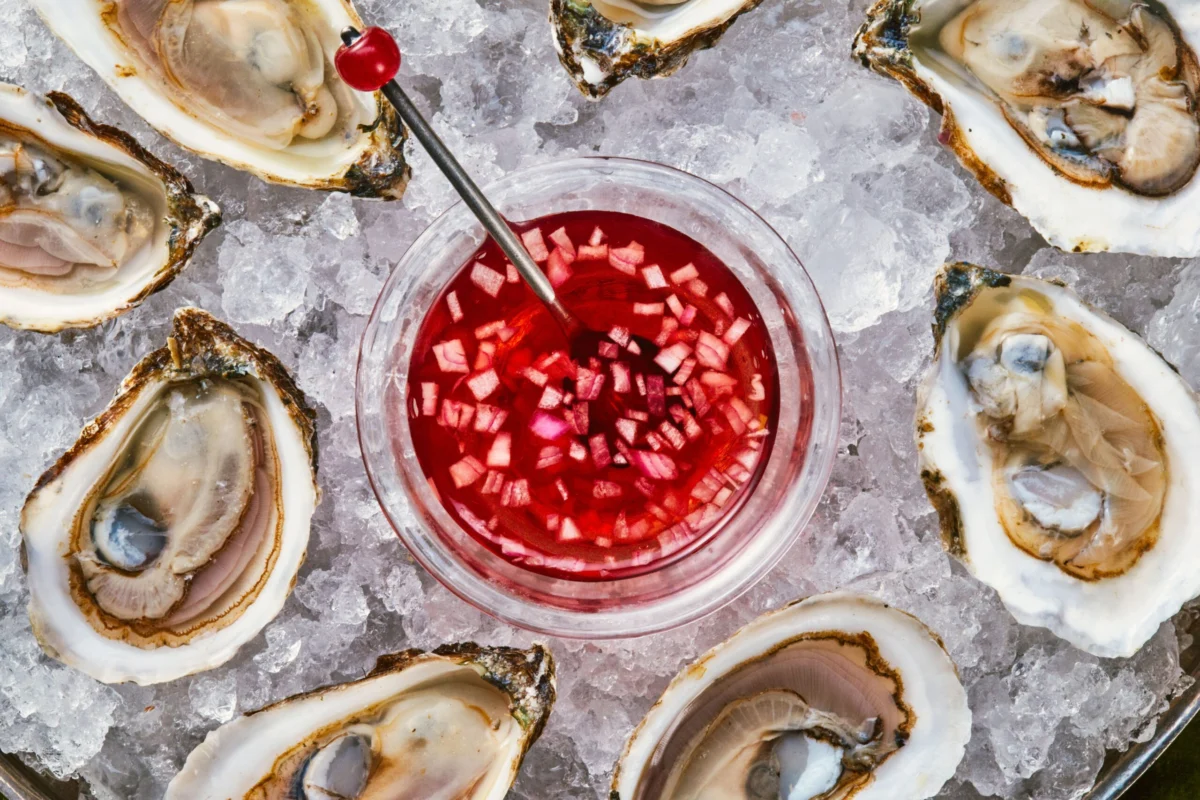
The Master Guide to Classic Mignonette Sauce and the Art of the Raw Bar serves as a definitive exploration of one of the most enduring staples in French culinary history, a condiment that remains the gold standard for seafood enthusiasts and professional chefs alike. At its core, the classic mignonette is a minimalist French sauce composed of three primary elements: high-quality vinegar, finely minced shallots, and freshly cracked black pepper. While the recipe is deceptively simple, its role in the gastronomic world is profound, providing a sharp, acidic counterpoint to the briny, metallic, and often creamy profile of raw oysters. This synergy of flavors does more than just season the shellfish; it enhances the natural characteristics of the oyster, allowing the specific terroir—or "merroir"—of the water from which it was harvested to shine through. As the global demand for raw bars and sustainable aquaculture continues to rise, the mignonette remains a focal point of the seafood experience, bridging the gap between traditional Parisian bistros and modern coastal dining.
The Historical Evolution of the Mignonette
The term "mignonette" originally referred not to a sauce, but to a small sachet of peppercorns and spices used to flavor soups and stews in traditional French kitchens. Over time, the definition shifted toward the specific preparation of cracked black pepper itself. By the 19th century, as the consumption of raw oysters became a refined social activity in Europe and North America, the need for a standardized accompaniment arose. While lemon wedges and cocktail sauces—the latter often heavy with horseradish and tomato—became popular in the United States, the French culinary tradition favored the more subtle and sophisticated vinegar-based preparation.
The transition from a spice bag to a liquid condiment occurred as chefs realized that the acetic acid in vinegar acted as a natural flavor enhancer for shellfish. Unlike heavier sauces that might mask the freshness of a premium oyster, the mignonette was designed to be translucent and light. Historically, the use of shallots (Allium cepa aggregatum) was a deliberate choice by French cooks; shallots provide a delicate, sophisticated sweetness and a hint of garlic-like aroma without the aggressive bite of white or red onions. This historical preference has persisted for centuries, cementing the red wine vinegar and shallot combination as the "mother" version of the sauce.
The Chemistry of Flavor: Why Mignonette Works
From a chemical and sensory perspective, the success of the mignonette is rooted in the balance of pH levels. Oysters are naturally high in salts and proteins, which can leave a lingering richness on the palate. The acetic acid in red wine or champagne vinegar serves as a palate cleanser, cutting through the "fatty" sensation of creamier West Coast oysters and highlighting the "crisp" notes of East Coast varieties.
Furthermore, the texture of the shallots is a critical component of the experience. Professional culinary standards dictate that shallots must be minced to a fine brunoise—perfectly even cubes of approximately one to two millimeters. This ensures that the shallot pieces remain suspended in the vinegar and provide a subtle crunch that contrasts with the soft, gelatinous texture of the oyster. The black pepper, meanwhile, adds a floral heat. When freshly cracked, the essential oils in the pepper (piperine) provide a sensory bridge between the sharp vinegar and the savory umami of the seafood.
Market Trends and the Global Oyster Renaissance
The resurgence of interest in classic mignonette sauce coincides with a broader "Oyster Renaissance" in the global food market. According to recent industry data from the Food and Agriculture Organization (FAO) and various seafood trade groups, the global oyster market has seen a steady compound annual growth rate (CAGR) of approximately 3.5% over the last decade. This growth is driven by a shift in consumer preference toward high-protein, low-carbon-footprint foods and the expansion of "raw bar" culture in urban centers.
In major markets like New York, London, and Tokyo, the proliferation of specialized oyster bars has led to a renewed focus on artisanal condiments. Consumers are no longer satisfied with generic vinegar; there is a growing demand for premium vinegars, including barrel-aged red wine vinegar, artisanal Champagne vinegar, and small-batch rice vinegars. This trend has turned the humble mignonette into a vehicle for culinary branding, with many high-end establishments offering "mignonette flights" to accompany different oyster species.
Technical Standards for Preparation and Service
To achieve a professional-grade mignonette, chefs adhere to a specific set of technical standards. The ratio is paramount: typically, one part finely minced shallots to two or three parts vinegar, with black pepper added to taste.
The Vinegar Selection
While red wine vinegar is the traditional choice, providing a robust and fruity acidity, other varieties offer different profiles:

- Champagne Vinegar: Offers a lighter, more floral note that pairs exceptionally well with delicate, sweet oysters like the Kumamoto.
- Sherry Vinegar: Adds a nutty, complex depth that complements more mineral-heavy oysters.
- Rice Vinegar: A popular choice for fusion-style raw bars, offering a milder acidity that allows for the addition of ginger or citrus.
Temperature and Maceration
A critical but often overlooked step in the preparation of mignonette is the maceration period. Journalistic inquiries into top seafood kitchens reveal that the sauce is rarely served immediately after mixing. Instead, it is allowed to sit in a refrigerated environment for at least 30 minutes to two hours. This allows the vinegar to soften the shallots and extract the piperine from the pepper, creating a cohesive flavor profile. Crucially, the sauce must be served chilled. Serving a room-temperature mignonette over ice-chilled oysters creates a thermal disparity that can detract from the eating experience.
Supporting Data: The Impact of the Raw Bar Industry
The economic implications of the oyster and condiment industry are significant. In the United States alone, oyster production is valued at over $200 million annually. This industry supports thousands of jobs in coastal communities and promotes environmental health, as oysters act as natural filters for estuarine ecosystems.
The "mignonette economy" also affects the agricultural sector. The demand for shallots, particularly the French "gray" shallot, has seen an uptick as more restaurants move away from dried or pre-minced ingredients in favor of fresh, hand-prepared aromatics. Data suggests that high-end seafood restaurants can go through dozens of pounds of shallots per week purely for mignonette production, highlighting the scale at which this "simple" sauce operates in the commercial sphere.
Regional Adaptations and Modern Innovations
While the classic French recipe remains the benchmark, regional variations have emerged as the raw bar concept has traveled globally. In the Pacific Northwest, it is common to see "citrus mignonettes" where grapefruit or yuzu juice is blended with vinegar to mirror the bright, fruity notes of local oysters. In the Southern United States, some chefs introduce a "spicy mignonette" by incorporating finely diced jalapeños or a dash of local hot sauce, acknowledging the region’s preference for heat.
Furthermore, the "mignonette granita" has become a popular modernist twist in fine dining. By freezing the mignonette and scraping it into fine ice crystals, chefs can serve a chilled topping that melts instantly upon contact with the palate, providing a temperature-controlled burst of acidity.
Broader Implications: Sustainability and Culinary Education
The continued relevance of the mignonette sauce also speaks to the importance of culinary education and the preservation of classic techniques. In an era where food trends often lean toward the over-complicated, the mignonette stands as a testament to the power of three-ingredient cooking. It teaches aspiring chefs about the importance of ingredient quality and the precision of knife skills.
Moreover, the pairing of mignonette with oysters encourages a deeper understanding of sustainable seafood. Because the sauce is so transparent, it requires the oyster itself to be of the highest quality. This, in turn, pressures suppliers to maintain rigorous standards of freshness and encourages consumers to support sustainable aquaculture practices.
Conclusion: The Enduring Legacy of Simplicity
The classic mignonette sauce is more than just a condiment; it is a vital component of a centuries-old culinary ritual. From its origins in the French kitchen to its current status as a global indicator of a quality raw bar, the sauce has remained remarkably unchanged. Its ability to balance the complex, briny flavors of the sea with the sharp, earthy notes of the land ensures its place in the gastronomic canon for years to come.
As the seafood industry evolves and new flavors are introduced to the raw bar, the fundamental blueprint of vinegar, shallots, and pepper remains the definitive choice for those seeking the purest expression of the oyster. Whether served in a bustling brasserie or a quiet coastal shack, the mignonette continues to fulfill its primary mission: to enhance, never to overwhelm, the natural treasures of the ocean.