Danny Garick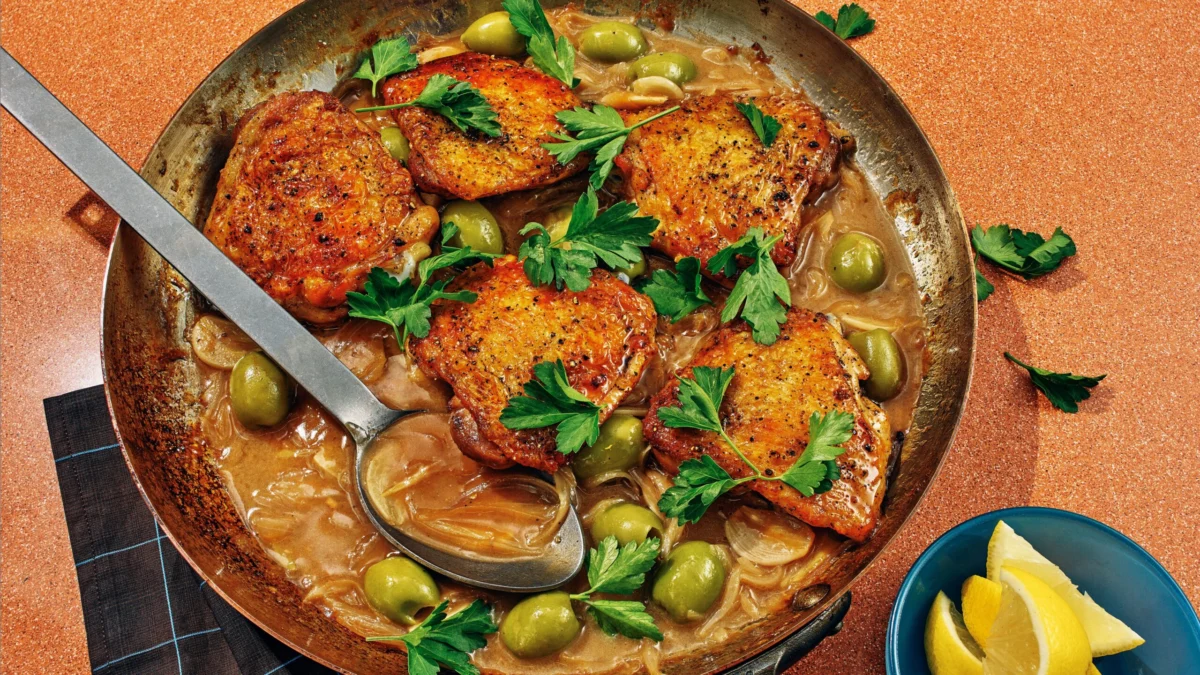
The olive, a staple of the Mediterranean diet for millennia, has transitioned from a localized agricultural product to a dominant force in the global culinary and beverage industries, influencing everything from high-end mixology to home-pantry staples. Botanically classified as a drupe—a fruit containing a single large stone or pit—the olive serves as the foundational element for a multi-billion-dollar global market. While often categorized by consumers as a vegetable due to its savory application, its role as a "briny fruit" defines its unique chemical profile, characterized by high concentrations of monounsaturated fats and polyphenols. The modern consumer landscape has seen a significant diversification in how these fruits are utilized, moving beyond simple oil production toward a sophisticated appreciation of specific varietals such as the Castelvetrano, the Kalamata, and the Manzanilla.
Historical Context and the Evolution of Cultivation
The cultivation of Olea europaea traces back approximately 7,000 to 8,000 years to the Mediterranean Basin, specifically the Levant region. Historical records indicate that the Phoenicians were instrumental in spreading olive cultivation across North Africa and into Southern Europe, including present-day Spain and Italy. By the time of the Roman Empire, olive oil and table olives were considered essential commodities, used not only for nutrition but also for lighting, medicine, and religious ceremonies.
In the contemporary era, the geography of olive production remains concentrated but is facing shifts due to climatic changes. Spain currently leads global production, accounting for approximately 40% to 50% of the world’s olive oil and a significant portion of table olives. Italy and Greece follow, though countries like Tunisia, Turkey, and Morocco have significantly increased their market share over the last decade. In the United States, California has emerged as a primary hub for domestic production, catering to a growing demand for locally sourced, premium olive products.
Market Dynamics and Economic Indicators
The global olive oil and table olive market was valued at approximately USD 14.2 billion in 2022 and is projected to reach over USD 18 billion by 2030, according to industry analysis. This growth is driven by a heightened consumer focus on heart-healthy fats and the "premiumization" of pantry staples.
Data from the International Olive Council (IOC) suggests that while traditional markets in Europe remain stable, emerging markets in North America and Asia-Pacific are seeing double-digit growth in consumption. This shift is attributed to the integration of Mediterranean culinary practices into global diets. The "pantry pasta" phenomenon—where consumers rely on shelf-stable, high-flavor ingredients like olives, capers, and anchovies—has bolstered retail sales of jarred olives. Furthermore, the snack food sector has seen an influx of "on-the-go" olive pouches, moving the product from the glass jar to the snack aisle, competing with nuts and chips as a healthier alternative.
Culinary Versatility: From Appetizers to Main Courses
The modern culinary application of olives is characterized by a "nose-to-tail" approach to the fruit, where even the brine is utilized as a flavoring agent. Professional chefs and home cooks alike have expanded the use of olives beyond the traditional relish tray.
Varietal Specialization
The rise of the Castelvetrano olive, a bright green fruit from the Nocellara del Belice region of Sicily, represents a shift in consumer preference toward milder, "buttery" profiles. Unlike the intense saltiness of a traditional Spanish Manzanilla, the Castelvetrano offers a gateway for consumers who previously found olives too polarizing. Conversely, the robust, wine-like flavor of the Kalamata remains the standard for Mediterranean-inspired braises and salads, providing a necessary acidic and salty counterpoint to rich meats and feta cheeses.
The Role of Olive Brine
Olive brine, once discarded as a byproduct of the curing process, has become a valuable commodity in its own right. In the beverage industry, the "Dirty Martini" remains a top-tier classic cocktail, but recent trends have seen the emergence of the "Dirty Martini Spritz" and other savory-forward drinks. This has led to the commercial bottling of olive brine, marketed specifically to bars and home mixologists. Beyond the bar, brine is increasingly used as a "secret ingredient" in marinades, salad dressings, and even bread-making, where it provides both salinity and a complex fermented depth.
Analysis of the "Cocktail Effect" on Olive Sales
The resurgence of classic cocktail culture has had a direct impact on the olive industry. Garnishes are no longer an afterthought; they are central to the drink’s identity. Industry reports from spirits distributors indicate that the demand for "colossal" and "super colossal" sized olives—often stuffed with blue cheese, pimento, or jalapeño—has risen in tandem with the gin and vodka markets.
Market analysts observe that the "Dirty Martini" serves as a primary driver for high-end olive sales in the hospitality sector. When a recipe like the "Dirty Martini Spritz" gains traction on social media platforms or in culinary publications, there is a measurable "halo effect" on retail sales. Consumers seek to replicate the bar experience at home, leading to increased purchases of premium jarred olives and specialized bar tools.
Environmental Challenges and Supply Chain Stability
Despite the robust demand, the olive industry faces significant headwinds, primarily driven by climate change and phytosanitary threats. The Mediterranean region has experienced record-breaking heatwaves and prolonged droughts over the last three harvest cycles. In Spain, these conditions led to a nearly 50% reduction in olive oil production during the 2022-2023 season, causing global prices to surge to record highs.
Furthermore, the spread of Xylella fastidiosa, a bacterium that causes "olive quick decline syndrome," has devastated groves in Southern Italy, particularly in Puglia. This has forced the industry to invest heavily in research for resistant olive varieties and more efficient irrigation technologies.
Official statements from agricultural unions in the European Union have called for increased subsidies to help farmers transition to "climate-smart" agriculture. The focus is on preserving centuries-old groves that are not only economically vital but also serve as significant carbon sinks and cultural heritage sites.
Nutritional Profile and Health Implications
The enduring popularity of the olive is inextricably linked to its status as a "superfood." Clinical studies consistently highlight the benefits of the Mediterranean diet, with olives and olive oil serving as the primary source of fat.
- Monounsaturated Fatty Acids (MUFAs): Olives are rich in oleic acid, which has been linked to reduced inflammation and improved cardiovascular health.
- Antioxidants: They contain Vitamin E and various polyphenols, such as oleuropein and hydroxytyrosol, which protect cells from oxidative stress.
- Fermentation Benefits: Most table olives undergo a fermentation process (either in brine or salt) that can contribute to gut health, similar to other fermented foods like kimchi or sauerkraut.
However, health professionals often note the high sodium content in cured olives, advising moderation for individuals with hypertension. This has led to a market niche for "low-sodium" or "dry-cured" olives, which provide flavor without the excessive salt intake.
Future Outlook: Technology and Sustainability
Looking forward, the olive industry is poised for a technological transformation. Automation in harvesting is becoming essential as labor shortages affect traditional growing regions. High-density planting—where olive trees are grown in hedgerows—allows for mechanical harvesters to move through fields, significantly reducing the time and cost of production compared to hand-picking.
In terms of sustainability, the industry is exploring the circular economy. Olive pits are being repurposed as biofuel, and the wastewater from olive mills is being treated for use in fertilization. These innovations are critical for maintaining the industry’s viability in a more environmentally conscious global market.
The trajectory of the olive from an ancient Mediterranean staple to a modern, versatile culinary icon reflects broader trends in global food culture. Whether integrated into a "quick pantry pasta," served as a standalone snack, or used to garnish a sophisticated cocktail, the olive remains a quintessential ingredient. As production methods adapt to a changing climate and consumer tastes continue to evolve toward savory, complex flavors, the "briny little fruit" is expected to maintain its prominent position in both the global economy and the professional kitchen. The continued intersection of tradition and innovation ensures that the olive industry will remain a focal point of agricultural and culinary discourse for the foreseeable future.