Danny Garick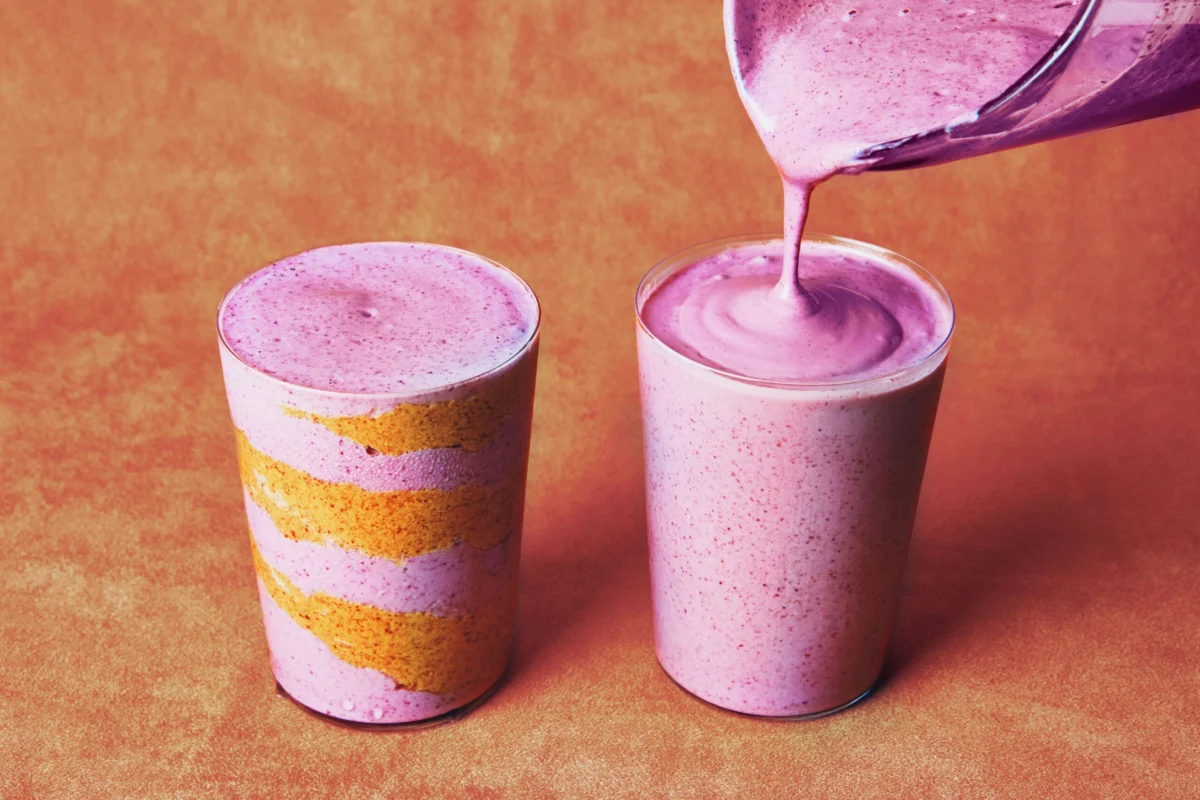
The retail landscape for dairy products is currently experiencing a significant shift as cottage cheese, once relegated to the periphery of the refrigerator aisle, has reclaimed a central position in the American diet. Recent market observations indicate a surge in demand so pronounced that consumers frequently encounter empty shelves at major supermarket chains. This revitalized interest is not merely a nostalgic resurgence but a fundamental rebranding of the ingredient, driven by a cultural preoccupation with high-protein diets and a transformation in how the product is prepared and consumed. While the dairy product has historically been associated with mid-century weight-loss regimens, its contemporary iteration relies on culinary innovation—specifically the process of blending—to integrate it into a wide array of modern recipes ranging from savory dips to high-performance smoothies.
A Century of Consumption: The Historical Evolution of Cottage Cheese
The trajectory of cottage cheese in the United States is deeply intertwined with national policy and shifting health paradigms. Its first major peak in popularity occurred during World War I and World War II. During these periods, the United States government, through the Department of Agriculture, launched aggressive marketing campaigns promoting cottage cheese as a patriotic and affordable alternative to meat. The objective was to conserve beef and pork for soldiers overseas while ensuring the domestic population maintained adequate protein intake. Posters from the era touted it as "the meat of the people," cementing its status as a functional, utilitarian staple.
Following the wars, cottage cheese transitioned from a meat substitute to the cornerstone of the "diet plate" in the 1950s and 1960s. This era defined the product’s public image for decades: a scoop of low-fat curds served in a cantaloupe half or alongside a pale tomato slice on a bed of iceberg lettuce. It became synonymous with restrictive eating and aesthetic minimalism. However, as the 1980s and 1990s introduced a wider variety of processed "diet" snacks and the early 2000s saw the meteoric rise of Greek yogurt, cottage cheese fell out of favor. Greek yogurt offered a smoother texture and a more "exotic" health appeal, causing cottage cheese sales to stagnate for nearly twenty years.
The current "Cottage Cheese Renaissance" began in the early 2020s, fueled by social media platforms like TikTok and Instagram. Unlike the diet plates of the past, modern consumers are utilizing the ingredient as a versatile base for high-protein versions of indulgent foods. The hashtag #CottageCheese has amassed hundreds of millions of views, showcasing the product as a substitute for flour in "flatbreads," a base for "cookie dough," and a primary ingredient in protein-rich ice creams.
The Science of Texture: Why Blending Changed the Market
The primary barrier to cottage cheese’s universal acceptance has historically been its texture. The "curds and whey" composition, while nutritionally sound, is polarizing to many palates. In its original form, the product often becomes watery or lumpy when stirred into hot dishes or mixed with other ingredients. The breakthrough for modern culinary applications has been the widespread adoption of blending.
When processed in a high-speed blender or food processor, cottage cheese undergoes a metamorphosis. The curds are emulsified into a smooth, thick, and creamy liquid that mimics the consistency of heavy cream or sour cream but retains the high protein-to-calorie ratio of the original product. This "blended" version has opened doors to new categories:
- Dairy Substitutes: Blended cottage cheese is now used as a replacement for ricotta in lasagna, mayo in dressings, and cream in pasta sauces.
- Frozen Desserts: By blending cottage cheese with honey and fruit before freezing, creators have developed a high-protein alternative to traditional ice cream.
- Baking and Breads: The "two-ingredient flatbread"—made by blending cottage cheese with eggs and baking the mixture—has become a viral sensation for those seeking low-carb, high-protein alternatives to wheat products.
Nutritionally, cottage cheese offers a profile that is difficult to match. A standard one-cup serving of 2% cottage cheese contains approximately 24 to 28 grams of protein, largely in the form of casein. Casein is a slow-digesting protein that provides a sustained release of amino acids, making it particularly effective for satiety and muscle recovery.
Comparative Market Analysis: Smoothies and the Wellness Industry
The resurgence of cottage cheese is particularly evident in the "functional beverage" market. For years, the smoothie industry has relied on Greek yogurt, silken tofu, or protein powders to provide thickness and nutritional value. However, each of these ingredients presents a trade-off. Greek yogurt introduces a sharp tang that can overpower delicate fruits; avocado adds creaminess but also high caloric density; and protein powders can often result in a chalky or artificial aftertaste.

Cottage cheese has emerged as a "middle ground" solution. When blended into a smoothie, it provides a neutral, milky base that enhances the flavor of berries, nut butters, and seeds without the aggressive acidity of yogurt. Furthermore, it acts as a natural seasoning; because cottage cheese contains a small amount of sodium, it brightens the sweetness of the fruit, adhering to the culinary principle that all sweet dishes require a pinch of salt to achieve balance.
This shift toward accessible, high-protein smoothies stands in stark contrast to the luxury "superfood" trend exemplified by high-end retailers like Erewhon in Los Angeles. Erewhon has gained international notoriety for its "celebrity smoothies," which often retail for over $20. These drinks typically feature a laundry list of expensive, niche ingredients such as sea moss, collagen, hyaluronan, and various "adaptogenic" powders. While these products cater to a specific demographic of high-net-worth wellness enthusiasts, cottage cheese offers a democratized version of the same benefit. It provides the "superfood" density of protein and healthy fats at a fraction of the cost, using a staple ingredient available at any local grocer.
Economic and Industry Implications
The sudden spike in demand for cottage cheese has caught some dairy producers by surprise. According to industry data, while the overall dairy milk consumption in the U.S. has seen a long-term decline, the "spoonable" dairy category—which includes yogurt and cottage cheese—has remained a growth sector. The current trend has led to a diversification of product lines. Consumers are no longer just looking for "low-fat" options; there is an increasing demand for "double cream," "grass-fed," and "probiotic-rich" cottage cheese varieties.
Dairy industry analysts suggest that the "clean label" movement is also working in cottage cheese’s favor. Many modern protein supplements are highly processed and contain gums, thickeners, and artificial sweeteners. In contrast, cottage cheese is a minimally processed whole food. As consumers become more skeptical of "ultra-processed foods" (UPFs), the simplicity of cottage cheese—usually consisting of just milk, cream, and salt—becomes a significant selling point.
Broader Impact and Future Outlook
The implications of the cottage cheese trend extend beyond the breakfast table. It reflects a broader shift in how society views "diet food." We are moving away from the restrictive, low-calorie "rabbit food" mentality of the 1950s and toward a "pro-metabolic" or "protein-forward" approach. In this new paradigm, the goal is not to eat as little as possible, but to eat foods that are nutrient-dense and provide lasting energy.
However, the trend also highlights the power of digital influence on global supply chains. A single viral recipe can lead to regional shortages of a specific ingredient in a matter of days. For retailers, this necessitates a more agile approach to inventory management, tracking social media trends as closely as they track seasonal weather patterns.
As we look toward the future of this dairy staple, it is likely that the "blended" technique will become a permanent fixture in home kitchens. While the viral "cottage cheese cookie dough" may eventually fade as a fad, the use of cottage cheese as a high-protein, creamy base for smoothies and savory sauces represents a genuine culinary evolution. It is a rare example of a wartime survival food successfully rebranding itself for the age of optimization, proving that with a change in texture and a shift in marketing, even the most humble ingredients can achieve "superfood" status.
The success of the cottage cheese berry smoothie—a simple combination of frozen fruit, nut butter, and blended curds—serves as a case study for this movement. It is a meal that provides the satiety of a full breakfast with the convenience of a drink, bypassing the need for expensive powders or 20-ingredient recipes. In an era where "healthy" is often synonymous with "expensive" or "complicated," the return of cottage cheese is a reminder that the most effective nutritional solutions are often already sitting in the dairy aisle.