Danny Garick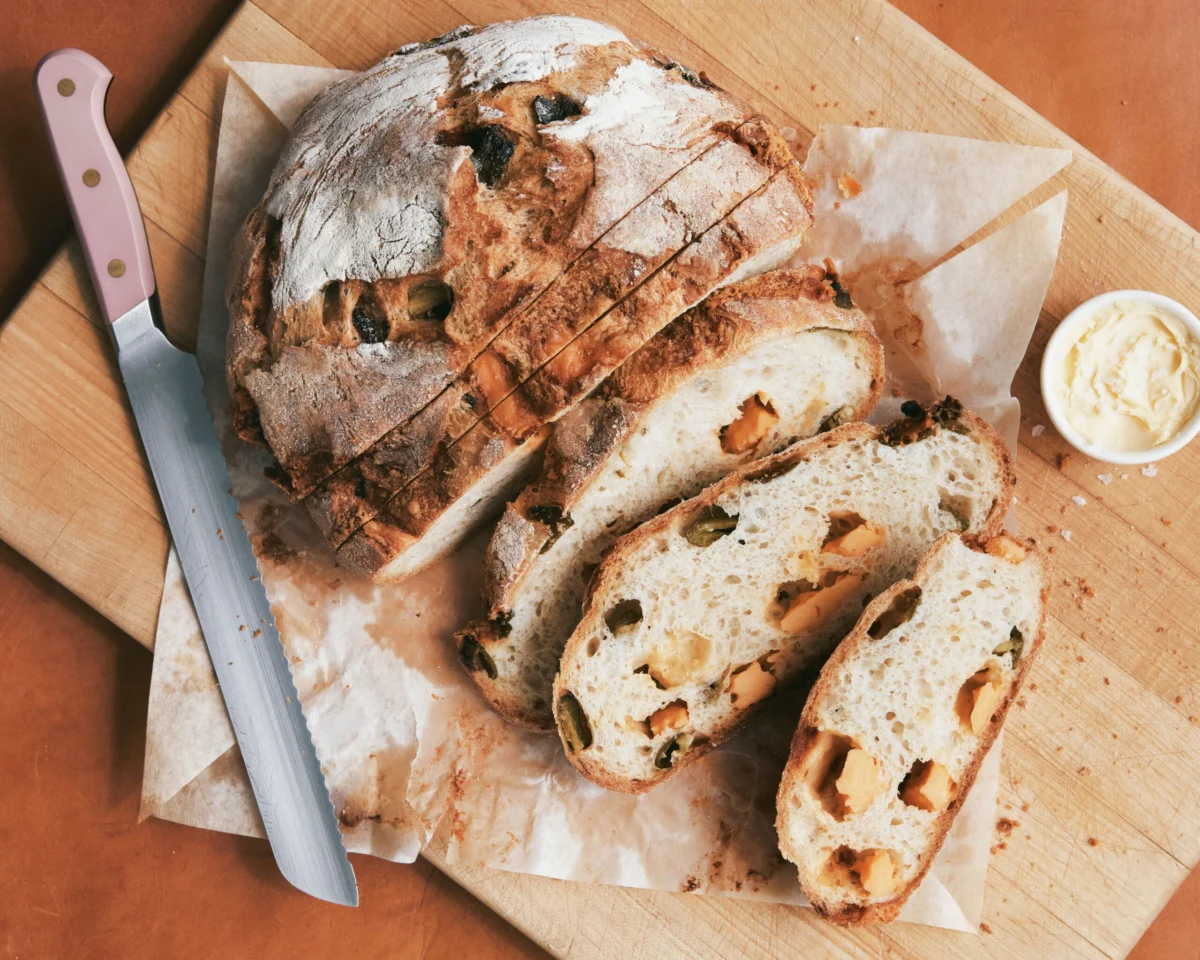
The traditional art of bread making, long considered a daunting discipline reserved for professional boulangers or dedicated hobbyists, has undergone a significant paradigm shift over the last two decades. For years, the barrier to entry for domestic bakers was the perceived complexity of gluten development—a process historically synonymous with the labor-intensive act of kneading. However, the rise of "no-knead" methodology has effectively democratized high-quality bread production, moving it from the high-pressure environment of competitive baking shows into the kitchens of casual home cooks. By leveraging the fundamental principles of chemistry, specifically hydration and time, these techniques have redefined the standards for homemade loaves, proving that an airy crumb and a blistered crust do not necessarily require hours of physical exertion.
The Science of Minimal Intervention
The foundational principle of no-knead bread lies in the biological and chemical processes of autolysis and long-term fermentation. In traditional bread making, vigorous kneading is used to align proteins—gliadin and glutenin—to form the gluten network that gives bread its structure. In no-knead recipes, this alignment occurs naturally through a high-hydration environment. When flour is saturated with a significant amount of water and left to rest for an extended period, typically between 12 and 24 hours, the enzymes within the flour begin to break down proteins and starches.
This slow-motion chemical reaction allows gluten strands to organize themselves into a strong, elastic web without manual intervention. Furthermore, the extended fermentation period facilitates the development of complex organic compounds, such as organic acids and esters, which contribute to a deeper flavor profile often missing from rapid-rise commercial breads. The use of a Dutch oven or a heavy lidded pot serves as a crucial technological adjunct in this process, trapping steam released by the high-moisture dough to mimic the professional steam-injection ovens used in artisanal bakeries. This creates the necessary environment for "oven spring" and the development of a thin, crispy crust.
A Chronology of the No-Knead Movement
The modern trajectory of no-knead bread can be traced through several key milestones that transitioned the technique from a niche scientific observation to a global culinary phenomenon.
- Early 2000s: The Sullivan Street Breakthrough: While various forms of "batter breads" existed previously, the definitive turning point occurred in 2006 when Jim Lahey of New York City’s Sullivan Street Bakery shared his method with food columnist Mark Bittman of The New York Times. The recipe, which required only flour, water, salt, and a minuscule amount of yeast, shocked the culinary world by producing a loaf that rivaled artisanal sourdoughs with almost zero manual labor.
- 2010–2015: The Digital Proliferation: Following the success of the Lahey method, culinary publications such as Bon Appétit and King Arthur Baking began experimenting with variations. This era saw the introduction of "folds"—a middle-ground technique where the dough is gently turned over itself a few times to strengthen the gluten without full-scale kneading. This period also saw the rise of specialty variations, including no-knead pizza doughs and enriched focaccias.
- 2017: The Focaccia Renaissance: Sarah Jampel’s "Shockingly Easy No-Knead Focaccia" became a viral sensation, particularly within the Bon Appétit ecosystem. Boasting a 4.7-star rating and over 1,500 user comments, the recipe simplified the process further by utilizing a high-fat environment (olive oil) and cold fermentation in the refrigerator, making the process adaptable to modern, busy schedules.
- 2020–2021: The Pandemic Catalyst: The COVID-19 lockdowns provided a massive impetus for home baking. As commercial bread supplies fluctuated and individuals sought low-stress domestic activities, no-knead recipes became a primary entry point for millions of new bakers. Data from this period indicated a 600% increase in searches for "bread recipes," with no-knead variations leading the trend due to their accessibility for beginners.
Supporting Data and Market Trends
The shift toward no-knead methods is reflected in broader market data concerning the flour and baking equipment industries. According to market research reports, the global home baking market was valued at approximately $14.5 billion in 2022 and is projected to reach $21.5 billion by 2030. A significant portion of this growth is attributed to the "convenience-artisan" segment—products and recipes that offer high-quality results with reduced labor.

In the United States, flour sales saw a dramatic spike during the peak of the no-knead trend. King Arthur Baking Company, one of the oldest flour producers in the country, reported that their sales tripled during the initial phases of the 2020 baking boom. Furthermore, the "no-knead" phenomenon has influenced the housewares market. Sales of enameled cast iron Dutch ovens—the primary vessel for no-knead baking—saw a steady upward trend of 12% annually as home cooks sought the necessary tools to achieve professional-grade crusts.
Cultural Impact and the "Baking Show" Effect
The popularity of no-knead bread also serves as a counter-narrative to the high-stakes environment depicted in media such as The Great British Baking Show. In these competitive formats, bread is often portrayed as a temperamental medium where minor errors in kneading or proofing lead to "stodgy" or "under-proved" disasters, as frequently critiqued by judges like Paul Hollywood.
The no-knead movement provides a psychological reprieve for the domestic cook. By removing the physical requirement of kneading, the technique eliminates the most common point of failure for novices: over-working or under-working the dough. Industry experts suggest that this "low-stakes" approach has actually increased the longevity of the baking hobby. When the barrier to entry is lowered, the success rate for the first-time baker increases, leading to a higher probability of continued engagement with the craft.
Analyzing Variations: From Pizza to Gluten-Free
The versatility of the no-knead method has allowed it to branch into various specialized categories, addressing diverse dietary needs and culinary applications:
- No-Knead Pizza Dough: Traditional pizza dough requires significant stretching and kneading to achieve the elasticity needed for a thin crust. No-knead versions utilize a 24-to-72-hour cold ferment in the refrigerator. This slow process allows the gluten to relax completely, making the dough easier to stretch by hand without it "snapping back," a common frustration for home pizzaiolos.
- Enriched Loaves: Recipes such as cheddar-jalapeño bread demonstrate that no-knead dough is robust enough to support heavy inclusions. The long fermentation helps the dough maintain its structure despite the addition of fats and solids that might otherwise deflate a more delicate, quickly-risen dough.
- Gluten-Free Innovation: Perhaps the most significant technical leap is the application of no-knead principles to gluten-free baking. Since gluten-free flours lack the proteins necessary for traditional kneading, these recipes rely entirely on hydration and binders like psyllium husk or xanthan gum. By skipping the shaping and scoring stages, these recipes have made high-quality gluten-free bread accessible to those with celiac disease or gluten sensitivities.
Statements from the Culinary Community
While some traditionalists initially viewed no-knead methods as a "shortcut" that bypassed the skill required for true craftsmanship, the consensus among professional bakers has largely shifted toward acceptance and even advocacy.
"The no-knead method isn’t about being lazy; it’s about understanding the science of time," noted one professional baker in a recent industry symposium. "We use time as an ingredient. If you have 18 hours to let the dough sit, you are letting the enzymes do the work that your arms would otherwise have to do. The results are scientifically identical in terms of gluten structure."

Feedback from the consumer side reinforces this sentiment. User reviews for popular no-knead recipes frequently highlight the "disbelief" that such a simple process could yield a product superior to store-bought artisanal loaves. This "ooh and ahh" factor, as noted in culinary circles, stems from the visual appeal of the large, irregular air pockets (the "open crumb") that are the hallmark of high-hydration, long-fermented doughs.
Broader Implications for Domestic Life
The rise of no-knead bread is more than a culinary trend; it is indicative of a broader shift in how individuals approach domestic labor. In an era characterized by digital burnout and fast-paced schedules, the "slow food" nature of no-knead baking offers a unique paradox: it is a slow process that requires very little active time. This allows it to fit into the gaps of a modern lifestyle, where a cook can spend five minutes mixing dough in the evening and five minutes shaping it the next morning.
Furthermore, the economic implications are notable. As the cost of artisanal bread in urban centers continues to rise, with some loaves exceeding $10.00, the ability to produce a comparable product at home for less than $1.00 in ingredients represents a significant value proposition. The democratizing effect of these recipes ensures that high-quality, nutritious bread is no longer a luxury item, but a staple that can be produced in any kitchen with a standard oven.
In conclusion, the transition of bread making from an intimidating chore to an accessible, science-based hobby represents a major milestone in modern gastronomy. By prioritizing hydration and fermentation over manual labor, the no-knead method has empowered a new generation of bakers to produce professional-quality results, ensuring that the ancient craft of bread making remains relevant and thriving in the 21st century.