Ferry Irwandi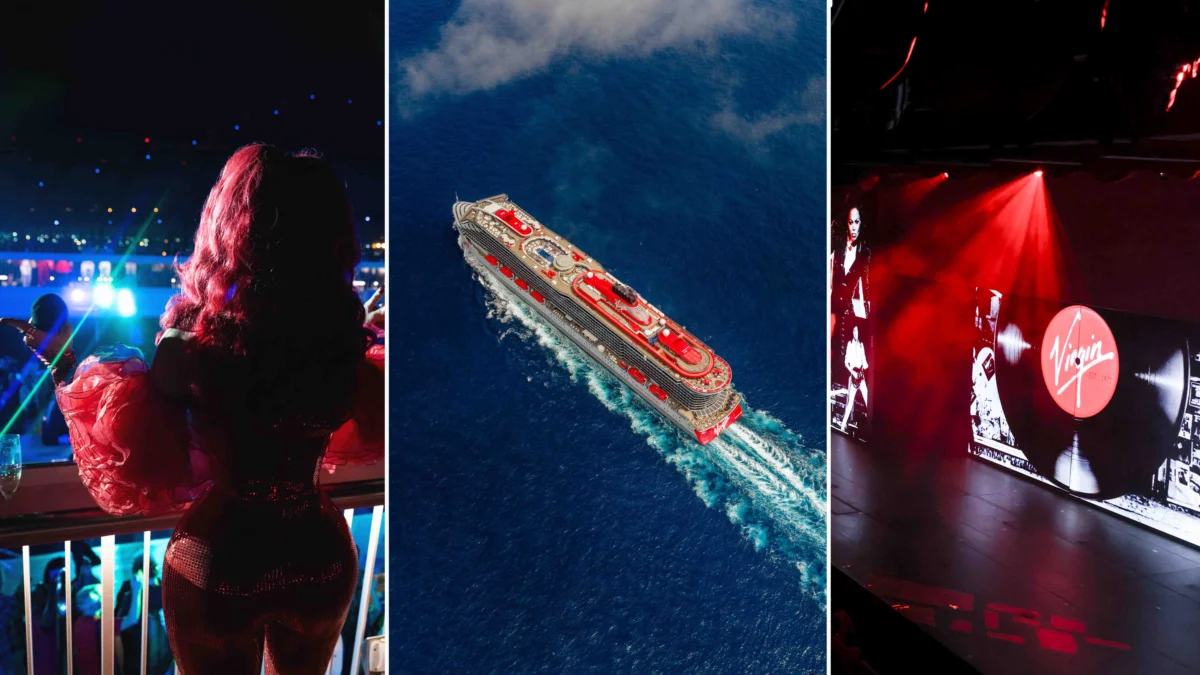
The global cruise industry has long been characterized by a traditional demographic: retirees, multi-generational families, and a structured, formal atmosphere. However, the entry of Virgin Voyages into the maritime sector in 2021 signaled a definitive shift in market strategy. By intentionally stripping away the conventional tropes of cruising—such as buffet lines, formal dress codes, and age-inclusive guest lists—the company sought to capture a younger, more diverse, and "cruise-curious" demographic. Central to this strategy is an ethos that blends luxury with "youthful mischief," creating a space that has resonated particularly strongly with the LGBTQ+ community and travelers seeking an alternative to the legacy carriers like Cunard or Royal Caribbean.
The Genesis and Strategic Disruption of Virgin Voyages
Virgin Voyages, a joint venture between the Virgin Group and Bain Capital, was first announced in 2014. From its inception, the goal was to "disrupt" the cruise industry in the same manner Virgin Atlantic disrupted the airline industry in the 1980s. Under the leadership of Sir Richard Branson, the brand prioritized a "Rockstar" service model, focusing on high-design aesthetics and an adults-only environment (18+).
The company’s first ship, the Scarlet Lady, was originally scheduled to debut in April 2020. The onset of the COVID-19 pandemic forced a global hiatus for the cruise industry, leaving the newly minted vessel docked and empty for over a year. Despite this setback, Virgin Voyages utilized the downtime to refine its brand identity. When it finally commenced operations in 2021, it did so with a marketing campaign that emphasized inclusivity, liberation, and a departure from the "stuffy" reputation of traditional ocean liners.

Chronology of Fleet Expansion and Market Entry
The rollout of the Virgin Voyages fleet has been a phased effort to establish a global presence:
- 2014–2019: Planning, design, and partnership with Italian shipbuilder Fincantieri.
- February 2020: Delivery of the Scarlet Lady, the first of four planned "Lady Ships."
- August 2021: Official launch of operations in the United Kingdom and the United States.
- 2022: Introduction of the Valiant Lady, focusing on Mediterranean itineraries.
- 2023: Launch of the Resilient Lady, expanding the brand’s reach into the Greek Isles and Australia.
- 2024–2025: Deployment of the Brilliant Lady, designed to navigate diverse regions including the Caribbean and the North American West Coast.
Each ship in the fleet maintains a consistent design language: sleek silver hulls, red accents, and interiors designed by world-renowned firms like Roman and Williams and Tom Dixon. The cabins are noted for their "Sea Terraces" featuring signature red hammocks, a design choice intended to maximize personal outdoor space.
The "Rockstar" Service Model and Onboard Experience
Virgin Voyages replaces the traditional "class" system of cruising with a "Rockstar" branding hierarchy. Guests in top-tier suites are designated as "Rockstars" or "Mega Rockstars," gaining access to exclusive areas like Richard’s Rooftop, a private sun deck. This status is denoted by specialized wearable technology—a black wristband—that facilitates seamless transactions and entry across the ship.
The onboard experience is defined by several key departures from industry norms:

Culinary Innovation
Unlike traditional cruises that rely on massive central dining rooms and buffets, Virgin Voyages features over 20 specialized eateries. These include Gunbae, a social-centric Korean BBQ restaurant where guests engage in traditional drinking games to foster community among strangers, and The Wake, a high-end steak and seafood venue. The "Galley" serves as a modern food hall, offering made-to-order meals rather than pre-prepared buffet items, a move designed to reduce food waste and improve quality.
Wellness and the Redemption Spa
The brand places a heavy emphasis on "Vitamin Sea," a philosophy that balances late-night entertainment with high-end wellness. The Redemption Spa offers a range of treatments from traditional massages to "total rebirth" therapies involving mineral-rich wraps and thermal suites. The spa operates with a high degree of autonomy, often employing specialized staff to manage its comprehensive wellness programs.
Entertainment and Inclusivity
The entertainment lineup on Virgin ships eschews Broadway-style revues in favor of immersive, contemporary performances. Shows like "Red Hot" celebrate the history of the Virgin brand through high-energy music and choreography. Furthermore, the brand has leaned into its "gay-friendly" reputation by featuring drag performers as permanent fixtures of the entertainment staff and hosting events that cater specifically to LGBTQ+ travelers.
Analysis of the LGBTQ+ Appeal and Demographic Shift
The cruise industry has a complex history with the LGBTQ+ market. Historically, gay travelers often opted for "charter cruises"—vessels entirely booked by specialized agencies like Atlantis Events—to ensure a safe and celebratory environment. Virgin Voyages has successfully positioned itself as a "year-round" alternative to these charters.

The brand’s appeal to this demographic is rooted in several factors:
- Adults-Only Policy: The absence of children creates a more sophisticated, nightlife-oriented atmosphere.
- Visible Representation: Marketing campaigns frequently feature LGBTQ+ crew members and celebrities, such as Michelle Visage of RuPaul’s Drag Race.
- Non-Judgmental Environment: The "come as you are" ethos removes the pressure of formal nights, allowing for more authentic self-expression.
Industry data suggests that the LGBTQ+ travel market is worth over $200 billion annually. By integrating inclusive practices into its core operational DNA rather than relegating them to "theme nights," Virgin Voyages has captured a significant share of this high-spending segment.
Industry Data and Economic Rebound
The launch of Virgin Voyages coincided with a broader recovery in the cruise sector. According to the Cruise Lines International Association (CLIA), passenger volume reached 31.7 million in 2023, surpassing 2019 levels by 7%. Virgin’s entry helped stimulate interest among younger demographics; CLIA reports that Millennials and Gen X travelers are now the fastest-growing segments in the industry.
Financially, the venture has seen significant backing. In late 2023, Virgin Voyages closed a $550 million capital raise led by Ares Management, intended to fuel further fleet expansion and technological integration. This investment underscores institutional confidence in the "boutique hotel at sea" model.

Challenges and Competitive Responses
Despite its success, Virgin Voyages faces challenges inherent to the luxury cruise market. The "Rockstar" model requires high operational costs, and the brand must continuously innovate to maintain its "edgy" reputation. Additionally, legacy carriers have begun to take notice. Celebrity Cruises, for instance, has updated its ship designs (the Edge Class) and marketing to appeal to the same affluent, design-conscious demographic that Virgin targets.
The company also navigates the logistical complexities of global operations. The Brilliant Lady, for example, faced delays in its initial deployment due to staffing and supply chain issues, highlighting the volatility of the maritime industry.
Broader Impact and Implications for the Future of Travel
Virgin Voyages’ success has broader implications for the travel industry at large. It demonstrates that there is a robust market for "unbundled" luxury, where guests are willing to pay a premium for specific experiences—like high-quality dining and specialized wellness—while eschewing traditional formalities.
The brand’s focus on social connectivity—exemplified by communal dining at Gunbae and the social layouts of its lounges—addresses a growing desire among modern travelers for "authentic" interaction. For solo travelers, the environment is designed to be less isolating than traditional ships, with curated events that encourage networking among the "Rockstar" guest list.

As the Brilliant Lady and its sister ships continue to expand their itineraries, the Virgin model serves as a case study in brand extension. By leveraging the existing cultural capital of the Virgin name, the company has successfully translated a "rock and roll" lifestyle into a viable, high-end maritime product.
Conclusion
Virgin Voyages has moved beyond the initial "disruptor" phase to become a significant player in the premium cruise market. By identifying and catering to underserved segments—specifically younger professionals and the LGBTQ+ community—the brand has redefined what a cruise can be. Its blend of high-design, inclusive entertainment, and a relaxed approach to luxury has not only secured its place in the industry but has also forced a re-evaluation of how travel brands engage with the modern consumer. As the fleet continues to grow, the "Virgin formula" remains a pivotal influence on the future of ocean-bound hospitality.