
 Reynand Wu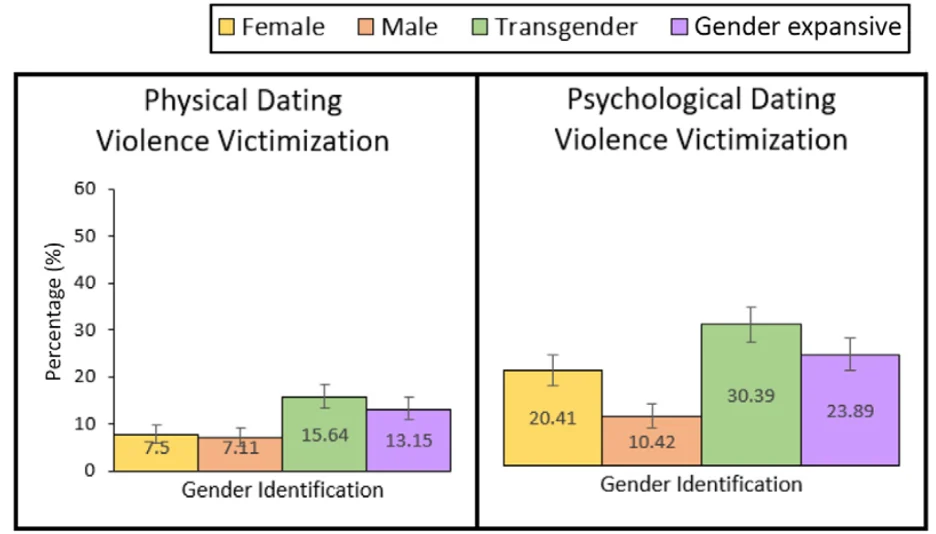
In recent years, sociologists and researchers have increasingly turned their attention to the evolving dynamics of modern romance, including the pervasive influence of hookup culture and the transformative role of dating applications. However, a critical blind spot in much of this discourse has been the experiences of transgender individuals, whose unique challenges and vulnerabilities often remain underexplored or entirely overlooked. Furthermore, discussions frequently narrow their focus to college campuses, failing to capture the widespread prevalence of dating apps across diverse age groups and social strata, where trans individuals of all ages seek connection.
The Digital Transformation of Romance: A Double-Edged Sword
The advent of online dating platforms has revolutionized how people meet, offering unprecedented access to potential partners and allowing individuals to express their identities and preferences with greater specificity. For many, these platforms represent a convenient and efficient way to navigate the complexities of modern relationships. However, for transgender people, this digital landscape, while offering avenues for connection, often presents a paradox: increased visibility can be accompanied by heightened vulnerability and exposure to discrimination and violence.
This tension is particularly acute given the societal backdrop of rising trans visibility alongside an alarming surge in anti-trans sentiment and legislation globally. While trans people are becoming more present in media and public discourse, this visibility often comes with a backlash, creating an environment where their rights and safety are increasingly contested. This broader socio-political climate invariably spills over into personal interactions, including dating.
A Disproportionate Burden of Violence and Discrimination
Research consistently highlights the severe risks trans individuals face in dating contexts. A 2021 study revealed a stark reality: trans youth are twice as likely as cisgender women to have experienced physical dating violence, and fifty percent more likely to have endured psychological dating violence. These figures underscore a deeply troubling disparity, indicating that the search for romantic connection for trans youth is frequently fraught with danger.
Beyond physical and psychological violence, trans individuals often contend with a pervasive culture of fetishization and prejudice. A 2023 study identified common experiences of trans people in dating, most notably being reduced to a fetish and having to constantly confront others’ often misinformed assumptions about their identities, bodies, and sexualities. One participant, a trans woman, articulated this frustration, stating, "Because I’m a trans woman, people instantly assume that I must be this massive bottom." This illustrates how trans identity is often immediately sexualized and stereotyped, stripping individuals of their complexity and autonomy. Similarly, a trans man reported feeling unseen and misunderstood, lamenting, "I just felt like they weren’t talking to me. They were talking to an idea they had about me." This sentiment captures the dehumanizing experience of being perceived through a lens of preconceived notions rather than as a multifaceted individual.
-
Beyond Physical Harm: The Scars of Psychological Abuse
Psychological dating violence, often manifesting as emotional manipulation, gaslighting, intimidation, and control, inflicts profound and lasting trauma. For trans individuals, this type of abuse can be compounded by misgendering, deadnaming, and invalidation of their identity by partners, further eroding their sense of self-worth and safety. The constant need to defend one’s identity or educate a partner about basic concepts of gender can be emotionally exhausting and isolating. -
The Weight of Assumptions and Misconceptions
The assumptions trans people encounter in dating are varied and often invasive. These can range from intrusive questions about their surgical status, hormones, or past to presumptions about their sexual preferences, roles, or even their fundamental identity. Many trans women report being approached by "chasers"—individuals exclusively attracted to trans women, often for fetishistic reasons, who may disregard their personhood. Trans men, conversely, may face skepticism about their masculinity or be infantilized. These experiences transform what should be a journey of mutual discovery into a minefield of judgment and objectification.
The Disclosure Dilemma: Navigating Identity and Safety in Online Spaces
The decision of when and how to disclose one’s transgender identity to a prospective partner is a critical and often anxiety-inducing aspect of dating for trans individuals, particularly in the digital realm. Research has explored the diverse strategies trans people employ on dating apps regarding this disclosure. The majority of participants in these studies proactively and explicitly disclose their identity, primarily citing grave concerns about potential violence or harassment. This upfront honesty, while vulnerable, is often a self-preservation tactic.
The fear is not unfounded. One participant, who identified as genderfluid and resided in a rural area, articulated a chilling reality when meeting someone face-to-face from a dating app: "that person could be the person that kills me." This profound statement underscores the very real and existential threat that can accompany the simple act of seeking connection for trans individuals, especially in less populated areas where social support systems may be scarce and anti-trans sentiment more prevalent. The act of going on a first date, a common rite of passage for many, becomes a calculated risk for trans people.
-
The Constant Threat Assessment
This constant awareness of potential danger transforms dating from a casual pursuit into a complex exercise in risk assessment. Every interaction, every new match, every proposed meeting location is evaluated for safety. This hypervigilance can lead to chronic stress and anxiety, impacting mental health and making it difficult to form genuine connections built on trust. The emotional labor involved in constantly vetting potential partners for safety is immense. -
Platform Shortcomings and User Experience
While some individuals opt for explicit disclosure, others engage in "softer" disclosure methods. This might involve strategically showcasing different facets of their identity through multiple profile pictures or carefully curated biographical details that hint at their trans identity without directly stating it. These methods aim to filter out those who might be prejudiced, while also protecting the individual from immediate hostility. However, this also puts the onus on the trans person to navigate the limitations of dating app design, which often lack inclusive gender options or robust tools for reporting discrimination. Many apps have historically offered only binary gender choices, forcing trans users to misgender themselves or select "other," which can limit their visibility or expose them to inappropriate matches.
Intersectionality of Vulnerability: BIPOC Trans Women at Heightened Risk
Within the trans community, vulnerability to dating violence and discrimination is not uniform; it is profoundly shaped by intersectional identities. Another 2021 study revealed that Black, Indigenous, and People of Color (BIPOC), queer, and transfeminine individuals are the most likely to have experienced dating violence. This highlights how race, gender identity, and sexual orientation intersect to create layers of marginalization and increased risk.
A subsequent 2022 study specifically examined the dating experiences of BIPOC trans women. This research uncovered a pervasive pattern where their cis male partners would frequently conceal their relationship from public view. This secrecy is a direct consequence of societal stigma and internalized transphobia, where partners fear social repercussions if their relationship with a trans woman is discovered. The consequences of this stigma are severe, often manifesting in physical violence and profound psychological trauma. One woman interviewed for the study powerfully articulated the life-threatening implications: "We getting killed just because of the guys here were scared that they secret would come out." This statement is a harrowing reminder of the lethal consequences of societal transphobia and the desperate measures some partners take to maintain a facade, even at the cost of another person’s life.
-
Secrecy, Stigma, and Systemic Violence
The demand for secrecy not only isolates BIPOC trans women but also places them in incredibly dangerous situations. When relationships are hidden, victims often lack external support systems, making them more susceptible to abuse and less able to seek help. This pattern is deeply rooted in systemic racism and transphobia, which devalue the lives and relationships of BIPOC trans women, making them targets for both intimate partner violence and broader societal prejudice. The historical context of violence against Black trans women, often ignored or minimized, further underscores this heightened risk. -
The Burden of Hypervigilance
To navigate these perilous waters, BIPOC trans women often develop intricate "survival strategies." These include constant hypervigilance, meticulously observing their surroundings and interactions for signs of danger. They may adapt their appearance, "dressing to avoid being found out," to minimize the risk of being recognized as trans in public spaces, particularly when with partners who wish to keep the relationship secret. Furthermore, they may actively avoid certain men or social situations known to be hostile. These strategies, while essential for survival, exact a heavy toll on mental health, fostering chronic stress, anxiety, and a profound sense of insecurity. The ability to simply exist and pursue happiness is constantly overshadowed by the need for self-preservation.
Pathways to a Safer Future: Policy, Education, and Platform Accountability
The authors of these critical studies are not only identifying problems but also proposing tangible remedies to address the systemic issues faced by trans people in dating. These recommendations span educational initiatives, technological improvements, and legal reforms.
-
The Crucial Role of Inclusive Education
First and foremost is the call for comprehensive trans-inclusive education. This encompasses a broad spectrum of learning environments, from school curricula and sex education programs to specialized violence prevention training. Such education aims to foster greater understanding of gender identity, pronouns, consent, and healthy relationships that are inclusive of all genders. Studies have shown that these educational interventions can significantly increase comfort levels for both trans individuals and their partners, reducing prejudice and promoting safer interactions. Programs should specifically address intersectionality, acknowledging the unique challenges faced by BIPOC trans individuals and other marginalized groups within the trans community. Advocacy groups like GLSEN and the National Center for Transgender Equality consistently highlight the need for such inclusive curricula. -
Redesigning Digital Dating for Safety and Equity
Second, there is a strong demand from dating app users for better filtering options and more inclusive platform design. One participant voiced a widely shared sentiment: "The majority of the interactions I have with cis men on dating apps are just shit, full stop . . . can I have less of them pop up?" This reflects a desperate need for tools that allow trans users to curate their dating experience, minimizing exposure to harassment, fetishization, and inappropriate advances. Dating app developers have a crucial role to play in this. This includes implementing more robust gender identity options, allowing users to specify their preferences for dating trans or cis individuals, and strengthening reporting mechanisms for transphobia, misgendering, and hate speech. Furthermore, platforms should actively promote educational content within their apps to foster a more respectful user base. -
Upholding Justice: Banning "Trans Panic Defenses"
Finally, some study authors emphatically recommend the prohibition of "trans panic defenses" in legal systems. These defenses are a disturbing legal tactic where perpetrators of violent crimes, including murder, attempt to justify their actions by claiming a temporary loss of control or severe emotional distress upon discovering their victim is transgender. This defense essentially blames the victim for their own assault or murder, perpetuating a dangerous narrative that trans identity can somehow provoke violence. As of early 2024, such defenses remain legal in a significant number of U.S. states, allowing perpetrators to avoid accountability or receive lesser sentences. The American Bar Association has formally called for their prohibition, recognizing them as discriminatory and a relic of antiquated prejudice. Banning these defenses is a critical step towards ensuring that violence against trans people is treated with the seriousness it deserves and that justice is served for victims.
Broader Societal Implications: The Cost of Inaction
The challenges faced by trans individuals in dating are not isolated incidents but symptoms of deeper societal biases and systemic discrimination. The inability to safely seek companionship and love has profound implications for mental health, contributing to higher rates of anxiety, depression, and post-traumatic stress among trans populations. It also hinders their ability to form healthy, fulfilling relationships, which are fundamental to human well-being.
As trans people achieve new levels of visibility in society, they are simultaneously facing unprecedented legislative attacks and a surge in hate speech and discrimination. This paradox intensifies the urgency of addressing the issues highlighted by social science research. Ensuring a safer and less anxious future for trans people in their pursuit of romantic and sexual partners is not merely an issue of individual well-being; it is a fundamental human rights issue and a litmus test for the inclusivity and equity of our society. Ignoring these challenges perpetuates a cycle of violence and marginalization, undermining the very fabric of a just and compassionate society.
Conclusion: Towards an Equitable Horizon
The journey towards equitable dating experiences for transgender individuals requires a multi-pronged approach involving legislative action, educational reform, and a profound shift in societal attitudes. From the classroom to the courtrooms, and crucially, within the digital spaces where modern relationships often begin, there is an imperative to dismantle the structures that perpetuate discrimination and violence. Only through concerted effort can we create a future where trans people can seek connection, love, and intimacy without fear, truly belonging to a world that values and protects them.







