Ferry Irwandi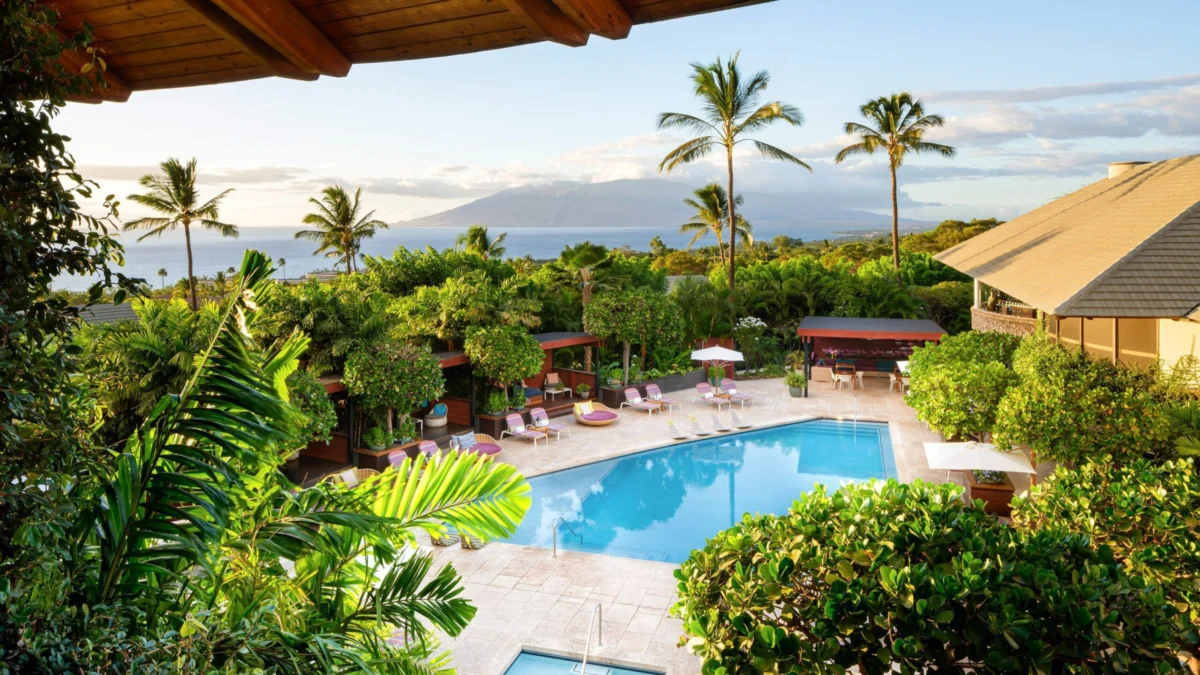
The hospitality landscape of Maui, Hawaii, represents a complex intersection of luxury tourism, indigenous cultural preservation, and environmental stewardship, attracting more than two million visitors annually to its shores. While the island is globally recognized for its volcanic topography, including the sacred peaks of Haleakala, and its world-class maritime conditions, the local hotel industry is currently undergoing a significant shift. For decades, the market has been dominated by two extremes: expansive high-capacity resorts and a burgeoning sector of short-term vacation rentals. However, a growing demand for boutique, intimate accommodations is reshaping how developers and travelers approach the Valley Isle, moving toward a model that prioritizes genuine hospitality and cultural immersion over sheer scale.
Market Dynamics and Regional Specialization
The Maui tourism economy is segmented into distinct geographic zones, each catering to specific demographic profiles and economic tiers. West Maui, encompassing the districts of Ka’anapali, Lahaina, and Kapalua, has historically served as the primary engine for the island’s tourism revenue. This region is characterized by high-density resort infrastructure, championship golf courses, and coastal adventure hubs. South Maui, particularly the Wailea area, functions as the island’s luxury corridor, hosting ultra-premium brands and expansive beachfront estates. In contrast, Kihei provides a more accessible entry point into the South Maui market, offering mid-range accommodations that appeal to budget-conscious domestic travelers.
Beyond the primary resort hubs, the North Shore and Upcountry regions offer a different economic and experiential proposition. The North Shore is the epicenter of the global windsurfing and big-wave surfing communities, centered around the town of Paia. This area serves as the gateway to the Road to Hana, a critical infrastructure artery that supports the rural economy of East Maui. Upcountry Maui, located on the higher elevations of Haleakala in towns like Makawao and Kula, has seen a rise in agro-tourism. This sector focuses on the island’s "paniolo" (cowboy) heritage and agricultural exports, providing a rural alternative to the traditional sun-and-sand vacation model.
Chronology of Tourism Development and Recent Shifts
The evolution of Maui’s hospitality sector can be traced back to the mid-20th century, following Hawaii’s transition to statehood in 1959. The 1960s marked the birth of the master-planned resort at Ka’anapali, which set the blueprint for large-scale tourism in the Pacific. For nearly fifty years, the trajectory was one of continuous expansion, interrupted only by global economic downturns or public health crises.
In the 2020s, however, the industry faced unprecedented challenges. The global pandemic initially halted arrivals, but the subsequent "revenge travel" boom led to record-breaking average daily rates (ADR) and a strain on local resources. This period highlighted the volatility of the short-term rental market, prompting local government officials to reassess zoning laws to protect housing for residents. The catastrophic wildfires of August 2023 further redefined the industry’s timeline, particularly in West Maui. The destruction of historic Lahaina necessitated a pivot toward more sensitive, community-focused tourism, with an emphasis on "Malama Maui"—a concept of giving back to the land and community during one’s stay.
Statistical Analysis of Seasonal Trends and Economic Impact
Data from the Hawaii Tourism Authority (HTA) indicates that the most strategic window for visiting Maui occurs between August and October. This period follows the peak summer travel season and precedes the winter holiday surge. During these months, travelers typically encounter lower occupancy rates, which translates to more competitive pricing and reduced pressure on natural attractions. May is also identified as a shoulder-season sweet spot, occurring after the spring break peak but before the summer influx.
The whale watching season, a significant driver of Q1 revenue, typically spans from January through March, though migratory patterns can bring North Pacific humpback whales into the Maui Nui Basin as early as November. During this peak period, hotel rates in Wailea and Ka’anapali often reach their annual highs. Conversely, the "shoulder months" see a shift in demographic toward solo travelers and couples seeking the "adults-only" retreats that are becoming increasingly popular in the boutique hotel segment.
Infrastructure and Logistics: The Rental Car Dependency
A critical challenge for Maui’s tourism infrastructure remains the reliance on private vehicle transportation. Public transit options, while available, are largely designed for local commuting and do not comprehensively reach major tourist attractions or remote trailheads. Analysis of the 2021 "car-rental shortage" revealed the fragility of this system, where daily rental prices spiked to several hundred dollars due to supply chain disruptions.
While rideshare services like Uber and Lyft operate on the island, their reliability is concentrated in the high-density areas of Kahului, Kihei, and Ka’anapali. In more remote regions like Hana or the slopes of Haleakala, these services are virtually non-existent. Consequently, industry experts recommend that visitors book rental vehicles months in advance or utilize professional tour operators. Guided tours, such as those provided by indigenous-owned companies like Hana and Beyond, are increasingly viewed as a sustainable alternative, as they reduce the number of individual vehicles on the fragile Road to Hana and provide deeper historical and environmental context that self-guided tourists often overlook.
Cultural Integration and the Regenerative Tourism Model
A significant trend in the Maui hospitality sector is the move toward "regenerative tourism," where the goal is to leave the destination better than it was found. This is evidenced by the rise of cultural workshops and educational tours. For example, the Maui Gold pineapple tours in Hali’imaile provide a family-friendly educational component to the island’s agricultural history. Similarly, the "wili" (winding) lei workshops at Haku Maui in Makawao allow visitors to engage with Hawaiian traditions through the use of native flora and ti leaves.
These activities are no longer seen as mere "add-ons" but are central to the branding of top-tier Maui hotels. Properties that facilitate these experiences tend to see higher guest satisfaction scores and a higher rate of return visitors. This shift is a direct response to a more conscientious consumer base that seeks authenticity and is wary of the "resort bubble" experience.
Official Responses and Future Outlook
State and county officials have expressed a commitment to balancing the economic benefits of tourism with the well-being of the permanent population. The Hawaii Tourism Authority’s "Destination Management Action Plan" for Maui emphasizes the need to manage the "hotspots" of over-tourism and diversify the economy through agro-tourism and local manufacturing.
Analysts suggest that the future of Maui’s hotel industry will be defined by a "flight to quality" and "flight to intimacy." As travelers become more discerning, the massive, anonymous resorts of the 1980s are being forced to renovate and incorporate more personalized, boutique-style services. Sustainability credentials, including water conservation systems and the elimination of single-use plastics, are also becoming standard requirements for new developments and major renovations.
Implications for the Global Travel Industry
Maui serves as a bellwether for other high-demand island destinations globally. The tension between high visitor volume and environmental preservation is a challenge faced by locations from the Maldives to the Balearic Islands. Maui’s success in navigating the recovery of West Maui and the integration of indigenous culture into the commercial hospitality framework will likely serve as a case study for global tourism boards.
The island’s ability to maintain its allure—characterized by its "sunset rainbows" and the "magic of massive waves"—while evolving its infrastructure to be more resilient and respectful of local culture remains its primary objective. For the traveler, the evolving Maui market offers a more diverse array of choices than ever before, ranging from hillside bed and breakfasts that overlook the central valley to beachfront cottages that provide a direct connection to the Pacific.
In summary, Maui remains a premier global destination, but the nature of its hospitality is in a state of productive flux. By understanding the regional nuances, seasonal data, and the importance of cultural respect, visitors can participate in a tourism model that supports the island’s longevity while enjoying the unparalleled natural beauty that has made Maui a cornerstone of the Hawaiian travel experience for generations. Professional travel planning now requires a move beyond the "sun and surf" checklist, favoring a more nuanced approach that considers the timing of the visit, the method of transport, and the cultural impact of one’s stay.