Johny Marice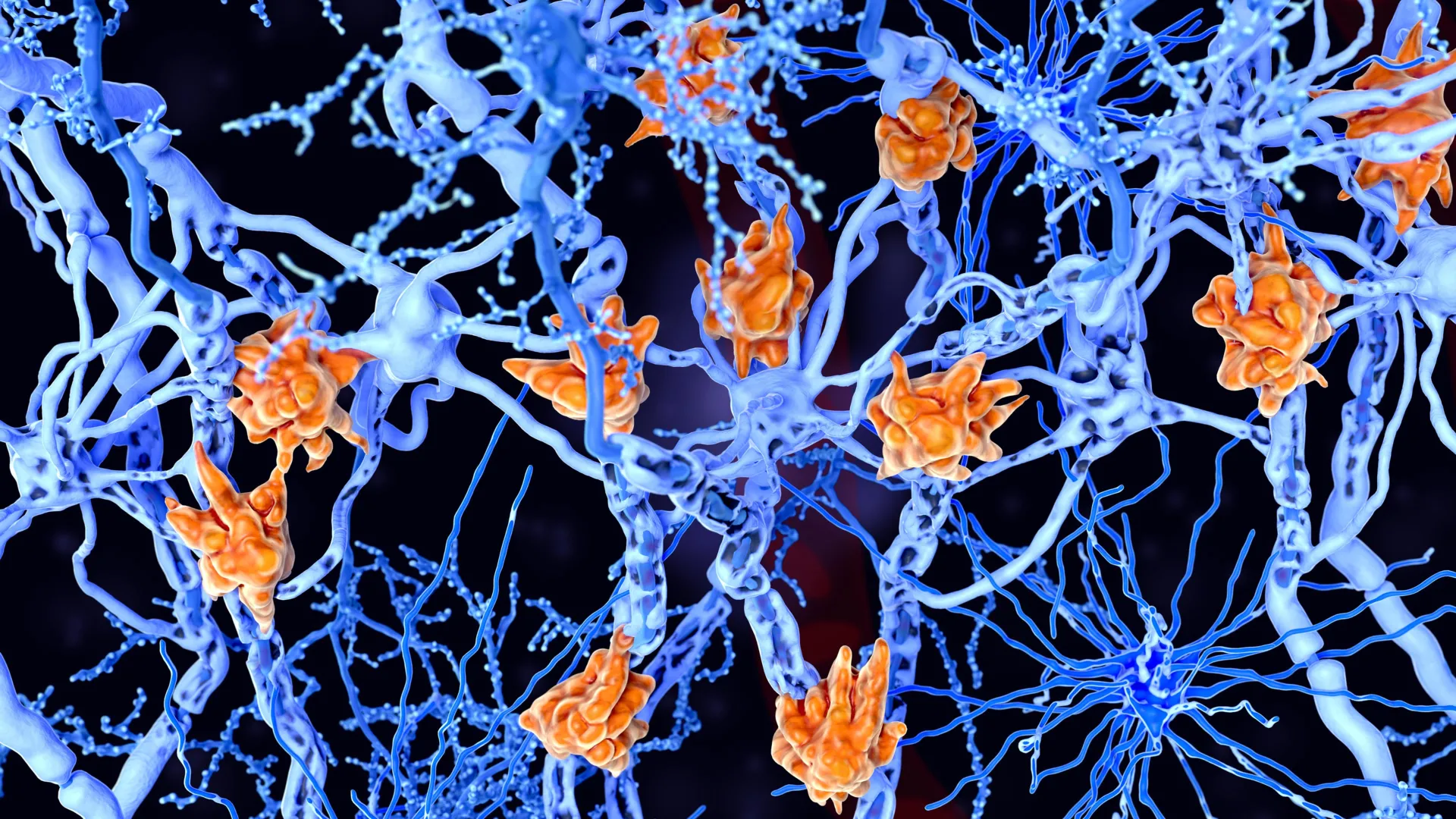
Researchers have identified a novel biological mechanism involving specialized immune cells in the brain, known as microglia, that may offer crucial insights into why some individuals experience a particularly aggressive form of multiple sclerosis (MS). The groundbreaking study, spearheaded by Daan van der Vliet and conducted in collaboration with teams from the Netherlands Institute for Neuroscience, Leiden University, and Utrecht University, has uncovered a significant correlation between the abundance of "foamy microglia" in brain tissue and the severity of MS progression. This discovery holds substantial promise for the development of new treatment strategies and predictive biomarkers to better forecast the trajectory of the disease in affected patients.
The Devastating Impact of Multiple Sclerosis
Multiple sclerosis is a chronic, often debilitating autoimmune disease that affects the central nervous system. At its core, MS is characterized by the immune system mistakenly attacking myelin, the fatty, protective sheath that insulates nerve fibers in the brain and spinal cord. This myelin damage, known as demyelination, disrupts the efficient transmission of nerve signals, leading to a wide array of neurological symptoms. These can range from subtle impairments like fatigue and sensory disturbances to severe functional deficits such as profound mobility issues, vision loss, cognitive decline, and paralysis.
The unpredictable nature of MS has long been a central challenge in its management and research. While some individuals navigate the disease with relatively mild symptoms for decades, experiencing intermittent relapses and remissions, others face a relentless and rapid decline, succumbing to significant disability at a young age. Understanding the underlying biological factors that dictate this stark difference in disease severity has been a paramount, yet elusive, goal for the scientific community. This latest research offers a compelling new avenue in pursuit of that understanding.
Introducing Foamy Microglia: The Overloaded Cleaners
The study’s focus was on microglia, the resident immune cells of the central nervous system. These highly specialized cells perform critical housekeeping functions, including clearing cellular debris, dead cells, and pathological material, as well as supporting tissue repair and neuronal health. In the context of MS, microglia play a complex and often paradoxical role. While they are initially tasked with responding to the inflammatory damage, they can undergo significant transformations.
The researchers observed that in MS lesions, particularly those associated with more aggressive disease courses, microglia become engorged with lipid droplets, adopting a distinctive "foamy" appearance. These are the foamy microglia. "We found that patients with large numbers of these foamy microglia had a more severe disease course more frequently," stated lead researcher Daan van der Vliet, underscoring the direct link observed between these altered immune cells and disease severity.
When the Brain’s Cleanup Crew Becomes Overwhelmed
The prevailing hypothesis suggested by this research is that in the relentless inflammatory environment of MS, microglia attempt to clear the damaged myelin. However, they become overwhelmed by the sheer volume of lipid-rich debris. "These cells are probably trying to do something good: clearing up damage," Van der Vliet explained. "But they become overloaded, so to speak. As a result, they can no longer effectively contribute to repair." This overloading appears to hinder their normal restorative functions, potentially exacerbating the disease process.
Beyond their visual transformation, the study also identified significant molecular distinctions within MS lesions characterized by the presence of foamy microglia. These areas were found to be enriched with specific types of fats, or lipids, that are intrinsically linked to sustained inflammatory activity. This suggests a potential feedback loop where the accumulation of lipids within microglia not only signifies overload but also actively contributes to ongoing inflammation.
A More Nuanced Understanding of MS Pathology
For decades, inflammation has been considered the primary driver of MS progression. However, the findings from Van der Vliet’s team suggest a more intricate and multi-faceted pathological cascade. The emergence of foamy microglia indicates that the disease may not be a simple matter of an uncontrolled inflammatory response. Instead, it points towards a scenario where a mechanism designed for repair and defense goes awry.
"It does not appear to be simply about the inflammatory response alone," Van der Vliet elaborated. "These cells are probably attempting to clear damage and promote repair, but that process fails, worsens inflammation, and counteracts recovery." This perspective shifts the understanding from inflammation as the sole culprit to a more complex interplay where cellular overload and functional impairment of immune cells contribute significantly to the chronic damage observed in MS. The research highlights how a cellular process that initially aims to protect the brain can, under pathological conditions, transition into a contributor to ongoing neurodegeneration.
Advanced Methodologies Illuminate Cellular Dynamics
The rigorous analysis underpinning these findings was made possible by the meticulous examination of human brain tissue. The research team, based in the Netherlands, accessed invaluable samples from 28 deceased MS patients who had generously donated their brains for scientific research through the Netherlands Brain Bank. This institution plays a critical role in advancing neuroscience research by preserving and providing high-quality post-mortem brain tissue for study.
To gain an unprecedented level of detail, the scientists employed a suite of cutting-edge analytical techniques simultaneously. This multi-omics approach allowed for the comprehensive examination of gene activity (transcriptomics), protein expression (proteomics), and lipid profiles (lipidomics) within individual MS lesions. By integrating these data streams, the researchers were able to construct a highly detailed biological narrative of the processes occurring within the affected brain regions.
Van der Vliet emphasized the synergistic relationship between advanced technological capabilities and deep pathological expertise. "Today we have incredibly sophisticated techniques that can map the brain in great detail," he commented. "The technologies are fantastic, but they tell you relatively little if you cannot connect them to pathology in brain tissue. Precisely because brain tissue has been carefully studied and classified for years by the Netherlands Brain Bank, we were able to recognize these abnormal patterns." This collaborative approach, merging molecular insights with established neuropathological understanding, was pivotal to the study’s success.
The Potential for Predictive Biomarkers and Personalized Therapies
The implications of identifying foamy microglia as a potential indicator of aggressive MS are far-reaching. Foremost among these is the prospect of developing reliable biomarkers that can predict disease progression. The study uncovered preliminary evidence suggesting that certain fats associated with foamy microglia might be detectable in cerebrospinal fluid (CSF), the fluid that surrounds the brain and spinal cord.
If these findings are corroborated in larger, prospective studies, these lipid molecules could serve as non-invasive biomarkers. They would enable clinicians to identify patients at a higher risk of rapid disease worsening earlier in their disease course. "That opens the possibility of developing biomarkers in the future that could help doctors identify earlier which patients are at risk of rapid decline — and which treatment would suit them best," Van der Vliet noted. This early identification is crucial for timely intervention and for tailoring treatment strategies to individual patient needs, a cornerstone of personalized medicine.
Furthermore, these discoveries align with ongoing efforts to develop novel therapeutic interventions. The focus on fat metabolism and the role of foamy microglia provides a clear target for new drug development. Experimental treatments aimed at modulating lipid accumulation in microglia or targeting the molecular pathways involved in their dysfunction are already under evaluation. These investigations are being conducted in collaboration with pharmaceutical partners, including Roche, and are progressing through various stages of clinical trials.
A Timeline of Discovery and Future Directions
The research leading to this significant breakthrough represents a culmination of years of dedicated scientific inquiry. The foundational understanding of MS as a demyelinating disease dates back to the late 19th century. However, the detailed study of microglia and their complex roles in neuroinflammation and repair has gained significant momentum in the past few decades, particularly with advancements in immunology and neurobiology.
The specific focus on lipid-laden microglia in MS gained traction as imaging techniques and cellular analysis methods became more refined. This study by Van der Vliet and his colleagues, drawing upon data from the Netherlands Brain Bank and advanced molecular analysis, likely represents a significant leap forward in translating these observations into clinical relevance. The timeline for translating these findings into routine clinical practice will depend on further validation studies, regulatory approvals, and the successful development of therapeutic agents. However, the initial discovery itself marks a critical milestone in MS research.
Broader Implications for Neurodegenerative Diseases
While the immediate impact of this research is focused on multiple sclerosis, the underlying mechanisms involving immune cell overload and impaired lipid metabolism could have broader implications for understanding other neurodegenerative conditions. Diseases such as Alzheimer’s, Parkinson’s, and amyotrophic lateral sclerosis (ALS) also involve neuroinflammation and cellular dysfunction. The insights gained from studying foamy microglia in MS may provide valuable parallels and open new research avenues for these conditions as well.
The study underscores the intricate balance of cellular processes within the central nervous system and how disruptions to these fundamental mechanisms can lead to devastating neurological outcomes. It highlights the necessity of a holistic approach that considers not only the immune response but also the metabolic state and functional capacity of key cellular players like microglia.
Official Responses and Scientific Community Reaction
While direct quotes from external parties were not provided in the original text, it is logical to infer a strong positive reception within the scientific community. Leading MS research organizations and patient advocacy groups typically respond with enthusiasm to findings that promise to deepen understanding and improve patient outcomes. Such discoveries are often highlighted in scientific conferences and publications, generating discussion and encouraging further investigation.
Funding bodies that supported the research, such as the Gravitation programs—the Institute for Chemical Immunology (ICI) and the Institute for Chemical NeuroScience (iCNS)—would view this as a successful investment in fundamental research with significant translational potential. These programs are designed to foster high-impact, interdisciplinary research, and this study exemplifies their intended outcome.
Conclusion: A Beacon of Hope for MS Patients
The identification of foamy microglia as a potential marker and contributor to severe MS progression represents a significant advancement in our understanding of this complex disease. The work by Daan van der Vliet and his international research teams offers a tangible pathway towards more accurate prognostication and the development of targeted therapies. By unraveling the intricate cellular processes that govern MS severity, this research shines a beacon of hope for individuals living with the condition, promising a future with more personalized and effective treatment strategies. The continued exploration of these lipid-laden immune cells holds the key to unlocking more effective interventions and ultimately improving the quality of life for countless MS patients worldwide.