Johny Marice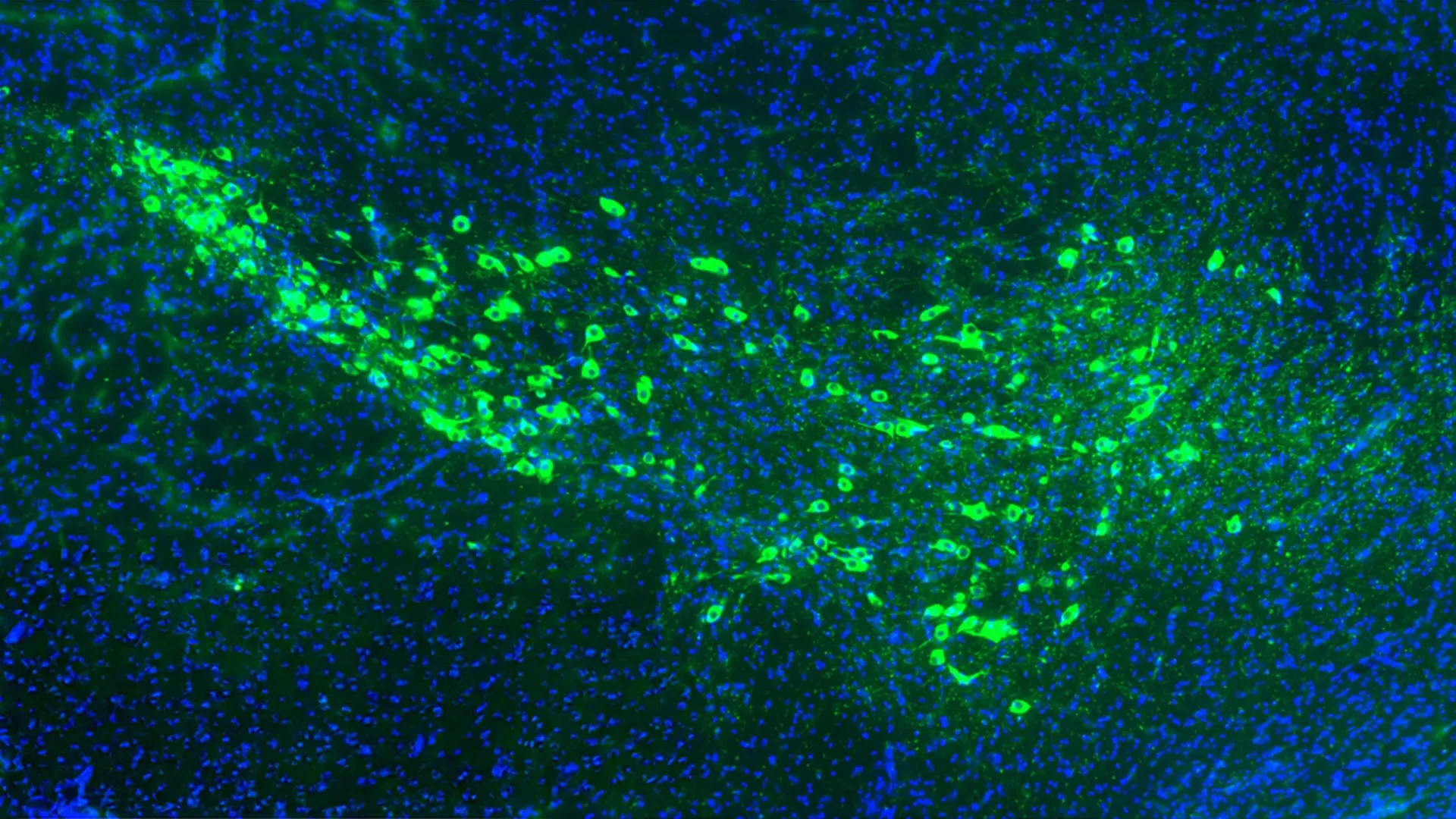
New Haven, CT – Groundbreaking research from Yale School of Medicine (YSM) has identified two critical proteins on the surface of motor neurons that appear to facilitate the spread of Parkinson’s disease throughout the brain. This significant discovery, published in the esteemed journal Nature Communications, marks a pivotal moment in understanding the disease’s progression and could pave the way for therapeutic interventions aimed at slowing or even halting its devastating advance, moving beyond the current focus on symptom management.
Parkinson’s disease is a relentlessly progressive neurological disorder characterized by the gradual degeneration and death of brain cells, particularly those responsible for motor control. A hallmark of this disease is the abnormal accumulation of a misfolded protein known as alpha-synuclein (α-synuclein). As these toxic protein aggregates form and then escape dying neurons, they are believed to transmit their pathological state to neighboring healthy cells, initiating a cascade of damage that leads to the characteristic symptoms of Parkinson’s.
For decades, a significant gap in scientific understanding has been the precise mechanism by which this misfolded α-synuclein gains entry into previously healthy neurons. The YSM study directly addresses this crucial question, pinpointing two specific cell surface proteins, metabotropic glutamate receptor 4 (mGluR4) and neural precursor cell expressed, developmentally regulated 1 (NPDC1), as key molecular transporters. These proteins, found on the surface of motor neurons, appear to act as docking sites and conduits, actively ushering the toxic α-synuclein into the interior of unsuspecting brain cells.
A Pivotal Breakthrough in Understanding Parkinson’s Pathogenesis
The implications of this discovery are profound, according to lead author Stephen Strittmatter, MD, PhD, the Vincent Coates Professor of Neurology and chair of the Department of Neuroscience at YSM. "Misfolded α-synuclein is the pathologic hallmark of Parkinson’s disease," Dr. Strittmatter stated in a press briefing. "If we understood how it gets into neurons, we could perhaps block or slow down the progression of the disease. But to do that, we need to understand the molecular mechanism of how it spreads."
The research team’s meticulous investigation involved the creation and screening of approximately 4,400 distinct cell cultures, each engineered to express a different protein on its surface. This comprehensive approach allowed them to systematically test which surface proteins would bind to the misfolded α-synuclein. While the vast majority of these tested proteins showed no interaction, a select group of 16 did exhibit binding. Crucially, among these were mGluR4 and NPDC1, proteins known to be present on dopamine-producing neurons in the substantia nigra – the brain region most severely impacted in Parkinson’s disease.
Unraveling the Spread: From Cell Surface to Cellular Interior
The study’s findings suggest that mGluR4 and NPDC1 not only bind to misfolded α-synuclein but also actively transport it into the cells. This intracellular invasion is the critical step that allows the pathological protein to propagate its damaging effects. Once inside a neuron, α-synuclein can misfold itself and potentially trigger the misfolding of other α-synuclein proteins, perpetuating the cycle of neurodegeneration.
This mechanism of intercellular transmission is a central theory in the pathogenesis of synucleinopathies, a group of neurodegenerative diseases including Parkinson’s, Lewy body dementia, and multiple system atrophy. The initial trigger for α-synuclein misfolding is still debated, but once it occurs, the ability of these aggregates to spread between cells is considered a major driver of disease progression. The identification of mGluR4 and NPDC1 provides concrete molecular targets that could be exploited to interrupt this spread.
Experimental Validation in Animal Models
To confirm the role of mGluR4 and NPDC1 in Parkinson’s disease progression, the researchers conducted experiments using genetically modified mice. In one crucial set of experiments, mice were engineered to lack functional mGluR4 or NPDC1. These mice were then exposed to misfolded α-synuclein. In stark contrast to their normal counterparts, which developed accumulations of the toxic protein and exhibited Parkinson’s-like symptoms, the mice lacking functional mGluR4 or NPDC1 showed significantly reduced uptake of α-synuclein and did not develop the characteristic neurological deficits.
Further reinforcing these findings, a separate study utilizing an established mouse model of Parkinson’s disease demonstrated that genetically removing the genes for either mGluR4 or NPDC1 not only reduced symptom progression but also significantly lowered the risk of death. These results strongly indicate that mGluR4 and NPDC1 function collaboratively to facilitate the transport of misfolded α-synuclein into neurons, at least within the mouse model.
A Growing Public Health Challenge Demands New Strategies
The urgency for developing disease-modifying therapies for Parkinson’s disease cannot be overstated. Neurodegenerative disorders, including Parkinson’s and Alzheimer’s disease, represent a substantial and growing public health challenge in the United States and globally. According to the Parkinson’s Foundation, approximately 1.1 million Americans are currently living with Parkinson’s disease, with nearly 90,000 new diagnoses occurring each year. The economic and personal burden of these conditions is immense, encompassing direct medical costs, lost productivity, and the profound impact on patients and their families.
The disease commonly manifests with motor symptoms such as tremors, rigidity, slowness of movement, and impaired balance. These symptoms arise from the loss of dopamine-producing neurons in the substantia nigra. As misfolded α-synuclein spreads and causes further neuronal damage, the disease continues its relentless progression, often leading to non-motor symptoms as well, including cognitive impairment, sleep disturbances, and mood disorders.
The Promise of Targeted Therapies
The identification of mGluR4 and NPDC1 as key transporters opens a promising new avenue for therapeutic intervention. Current treatments for Parkinson’s disease primarily focus on managing motor symptoms, often by replacing or mimicking dopamine. While these therapies can provide significant relief, they do not address the underlying degenerative process.
"This mechanism represents a promising target for future therapies," Dr. Strittmatter emphasized. "Blocking the spread of α-synuclein between neurons could provide a way to slow or even halt Parkinson’s progression." The potential exists to develop drugs or antibodies that could block the interaction between α-synuclein and mGluR4/NPDC1, thereby preventing its entry into healthy neurons and interrupting the devastating chain reaction of neurodegeneration.
An Aging Population Amplifies the Need
The demographic landscape further underscores the critical need for effective therapies. The population of individuals aged 65 and older is projected to experience substantial growth in the coming decades. This demographic shift will inevitably lead to an increase in the number of people at risk for age-related neurodegenerative diseases like Parkinson’s.
"We have an aging population. How we can stop or slow neurons from dying is an enormous problem," Dr. Strittmatter commented. "This is really the time to make some inroads into figuring out how to slow it down." The YSM research offers a tangible pathway toward achieving this critical goal.
Next Steps and Future Directions
The research team plans to further investigate the precise molecular interactions between α-synuclein and mGluR4/NPDC1, as well as explore the potential for therapeutic agents that can inhibit this interaction. Understanding whether these proteins are involved in the spread of α-synuclein in human brains, and if variations in these proteins contribute to disease susceptibility or severity, will be crucial next steps.
While this research is primarily based on in vitro studies and animal models, the findings are highly encouraging. The identification of specific molecular players in the spread of Parkinson’s disease provides a concrete starting point for drug development and offers a renewed sense of hope for millions affected by this debilitating condition. The journey from laboratory discovery to clinical application is often long and complex, but this breakthrough represents a significant leap forward in the fight against Parkinson’s disease.