Nila Kartika Wati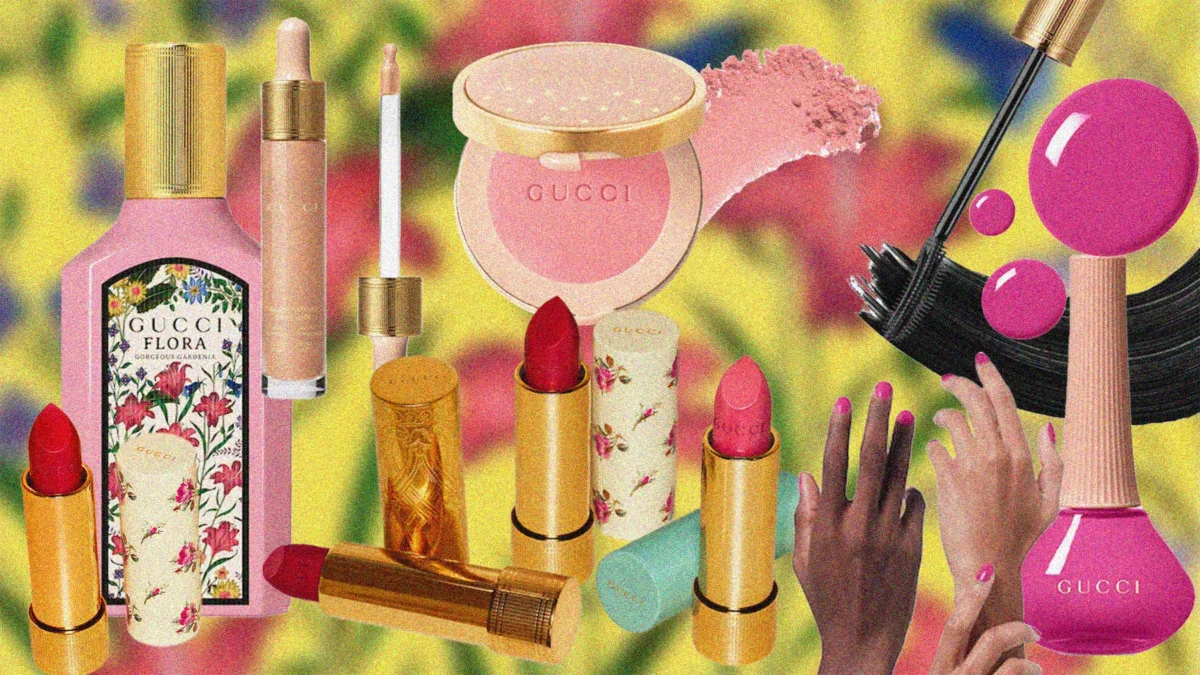
The recent agreement for Coty Inc. to relinquish Gucci’s beauty license a full year ahead of its scheduled expiration marks a significant strategic realignment within the luxury conglomerate Kering and its key beauty partner, L’Oréal. This early termination, while a considerable win for both Kering and L’Oréal, presents a critical juncture for Gucci. The brand’s ability to capitalize on this opportunity hinges on its capacity to forge a more distinct and stable brand identity, moving beyond the influence of its frequently changing creative directors. The transition is more than just a change of hands for a lucrative beauty portfolio; it signifies a deeper reflection on brand architecture and the long-term vision for one of fashion’s most iconic names.
The Strategic Unwinding: A Precedent-Setting Deal
The agreement between Coty and Kering, which saw the beauty license return to Gucci’s parent company earlier than anticipated, has sent ripples through the industry. Initially set to expire in 2027, the early termination underscores a mutual understanding that the time was ripe for a new chapter in Gucci’s beauty narrative. While financial specifics of the deal remain undisclosed, it is widely understood that Kering has assumed control of its beauty operations, paving the way for a more integrated and streamlined approach. This move allows Kering to fully leverage the immense brand equity of Gucci, a powerhouse in the luxury fashion sector with an estimated annual beauty sales figure of $570 million. The early surrender of the license suggests a strategic re-evaluation by Coty as well, likely focusing its resources on other core brands within its extensive beauty portfolio.
A Chronology of the Partnership and its Evolution
The relationship between Gucci and Coty for beauty licensing began in 2003, a period when many fashion houses were increasingly seeking to expand their reach into the lucrative beauty market through partnerships with established fragrance and cosmetics giants. Coty, at the time, was a significant player in this space, adept at translating the allure of high fashion brands into successful fragrance and makeup lines. Over the nearly two decades of their collaboration, Gucci Beauty achieved considerable success, launching iconic fragrances and a growing makeup collection that resonated with consumers worldwide.
However, the fashion industry is characterized by constant evolution, and Gucci has experienced significant creative leadership changes during this period. From the departure of Frida Giannini to the transformative tenure of Alessandro Michele, and now the anticipated direction under Sabato De Sarno, these shifts have undoubtedly influenced the brand’s aesthetic and its connection with its audience. While these creative visions have often brought renewed energy and commercial success, they have also, at times, contributed to a perception of flux in the brand’s core identity. This inherent dynamism, while a hallmark of creative industries, can present challenges when aiming for the consistent and enduring brand message crucial for the beauty sector.
The decision to bring the beauty license back in-house, ahead of schedule, can be interpreted as Kering’s strategic move to regain tighter control and ensure greater alignment between Gucci’s fashion vision and its beauty offerings. This is particularly relevant as the brand embarks on a new creative direction.
Financial Footprint and Growth Potential
Gucci Beauty’s estimated annual sales of $570 million represent a substantial revenue stream. This figure, while impressive, also highlights the untapped potential within the beauty market for a brand of Gucci’s caliber. The luxury beauty sector is experiencing robust growth, driven by increasing consumer demand for premium products, personalized experiences, and strong brand narratives.
The transfer of the license to L’Oréal, a global leader in beauty with unparalleled expertise in product development, marketing, and distribution, signals a strategic intention to elevate Gucci Beauty’s market presence. L’Oréal’s track record with other luxury fashion brands, such as Yves Saint Laurent and Giorgio Armani, demonstrates its capacity to nurture and expand beauty portfolios while maintaining brand integrity. The partnership is expected to leverage L’Oréal’s extensive research and development capabilities, its sophisticated supply chain, and its deep understanding of global consumer trends to unlock new growth avenues for Gucci Beauty. This includes potential expansion into new product categories, enhanced innovation in formulations, and more targeted marketing campaigns that resonate with both existing and new customer demographics.
Implications for Gucci and the Broader Luxury Landscape
The reintegration of Gucci Beauty under Kering’s direct management, with L’Oréal as the operational partner, has several key implications:
-
Brand Cohesion: The primary benefit is the potential for a more unified brand narrative. By bringing beauty operations in-house, Kering can ensure that the aesthetic, values, and messaging of Gucci’s fashion collections are seamlessly translated into its beauty products. This can lead to a stronger, more consistent brand identity that appeals to consumers across all touchpoints. The challenge, however, lies in the execution. Gucci will need to clearly articulate its core brand identity, one that transcends the specific vision of any single creative director. This requires a deep understanding of what makes Gucci enduringly desirable and translating that into tangible product strategies and marketing campaigns.
-
Enhanced Innovation and Product Development: L’Oréal’s extensive R&D capabilities and its expertise in beauty innovation are expected to drive the development of cutting-edge products. This could lead to more sophisticated formulations, novel product launches, and a faster response to emerging beauty trends. The partnership can foster a more agile approach to product development, allowing Gucci Beauty to remain at the forefront of the competitive beauty market.
-
Strategic Marketing and Distribution: With L’Oréal’s global reach and marketing prowess, Gucci Beauty is poised for enhanced market penetration. This includes optimizing distribution channels, developing targeted marketing strategies for different regions, and leveraging digital platforms to engage with consumers. The ability to directly influence marketing efforts ensures that the brand’s story is told consistently and effectively.
-
Financial Synergies: Bringing beauty operations in-house allows Kering to capture a larger share of the profits generated by its beauty business. This can contribute significantly to the overall financial performance of the Gucci brand and Kering as a whole. It also provides greater flexibility in reinvesting profits back into brand development and innovation.
-
Setting a Precedent: This strategic move by Kering may encourage other luxury conglomerates to re-evaluate their own beauty licensing strategies. The trend towards greater control over beauty operations, driven by the desire for brand synergy and enhanced profitability, could become more prevalent in the luxury sector.
The Road Ahead: Navigating Brand Identity and Creative Vision
The success of Gucci Beauty’s new chapter will ultimately depend on its ability to establish a clear and compelling brand identity that resonates consistently, regardless of the creative director at the helm of the fashion house. This involves defining the core essence of Gucci – what are its enduring values, its aesthetic pillars, and its aspirational qualities that appeal to its discerning clientele?
For Sabato De Sarno, the newly appointed Creative Director of Gucci, this transition presents both an opportunity and a significant challenge. His vision for the brand will need to be translated into a beauty strategy that feels authentic and cohesive. This might involve a strategic review of the current product portfolio, a reimagining of the brand’s visual identity in the beauty space, and the development of marketing campaigns that speak to a clear, unified brand narrative.
The luxury beauty market is increasingly driven by storytelling and emotional connection. Consumers are not just buying products; they are investing in brands that reflect their values and aspirations. Gucci Beauty, under its new leadership and operational partnership, has the potential to forge deeper connections with its consumers by articulating a brand identity that is both timeless and relevant. The coming years will be crucial in observing how Gucci navigates this complex landscape, transforming a significant business opportunity into a lasting testament to its enduring allure. The strategic pivot is complete; the meticulous work of brand building and consumer engagement now begins.