Nila Kartika Wati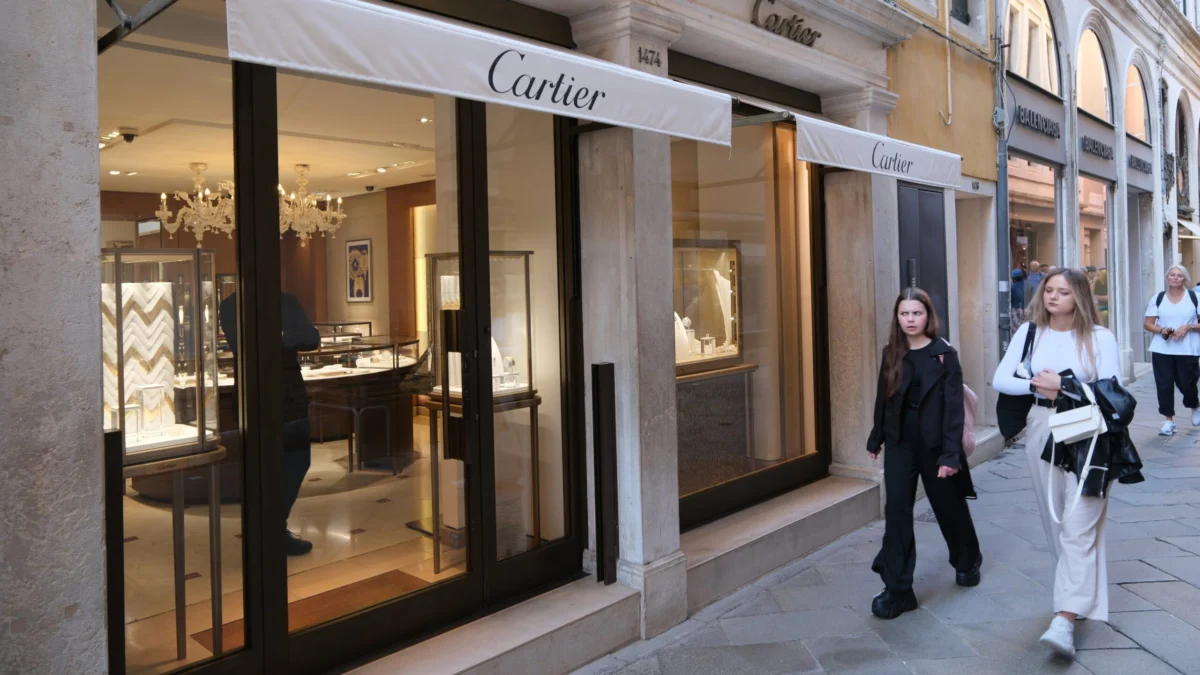
The Swiss luxury goods conglomerate Richemont is poised to release its latest earnings report, an event that will serve as a crucial indicator of the health and trajectory of the global luxury sector. Scheduled for release on Wednesday, this report is keenly anticipated not only for its insights into Richemont’s own performance, particularly its leading positions in jewelry and fashion, but also as a bellwether for the broader market. As rivals such as LVMH Moët Hennessy Louis Vuitton and Kering prepare to unveil their own financial results later this month, Richemont’s figures will offer early clues about prevailing consumer sentiment, demand patterns, and the resilience of the luxury market amidst evolving economic headwinds and shifting geopolitical landscapes.
Richemont’s Strategic Positioning and Market Influence
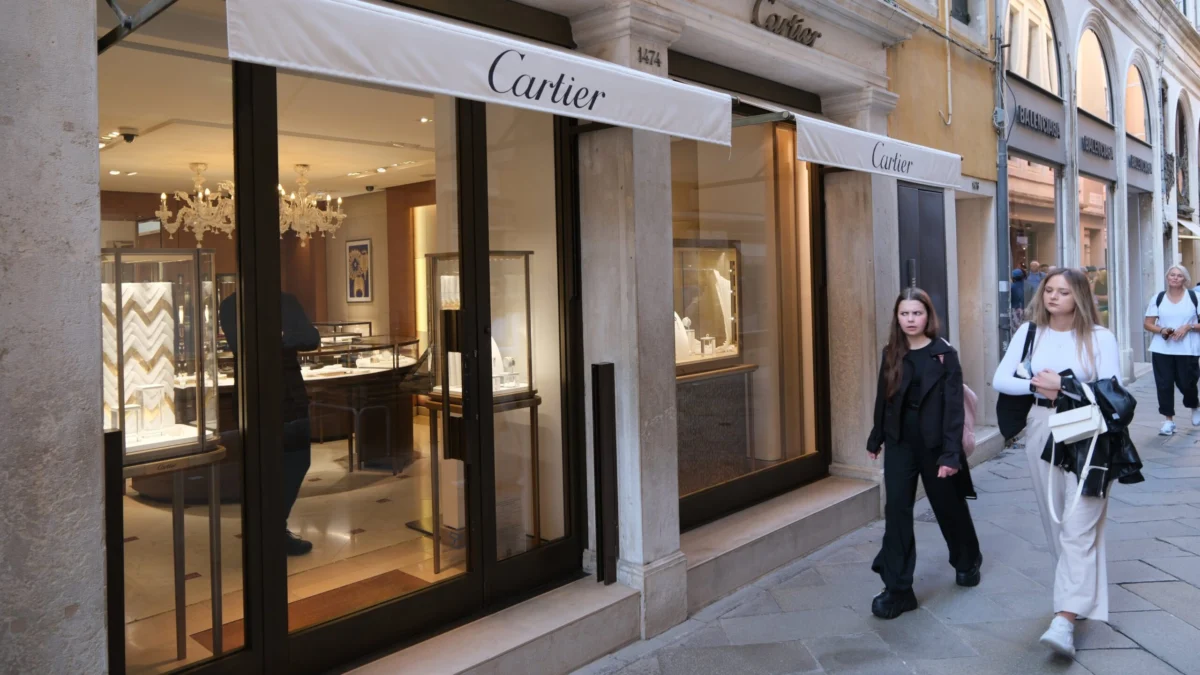
Richemont, a powerhouse in the luxury industry, boasts a diverse portfolio encompassing iconic brands across jewelry, fashion, and accessories. Its flagship jewelry houses, including Cartier, Van Cleef & Arpels, and Buccellati, have historically demonstrated robust performance, often acting as a stabilizing force within the often-volatile luxury market. The group’s fashion and accessories division, featuring esteemed names like Chloé, Alaïa, and Dunhill, also contributes significantly to its overall financial standing. The upcoming earnings report will provide a granular look at how these different segments have fared, with particular attention paid to the continued strength of high-end jewelry, which has emerged as a rare bright spot for the luxury industry in recent periods.
The timing of Richemont’s disclosure is particularly significant. By presenting its figures before its major European competitors, Richemont offers the market an initial assessment of the luxury landscape. This early insight allows investors, analysts, and industry observers to form preliminary conclusions about the sector’s momentum, enabling a more informed interpretation of subsequent reports from other key players. The performance of Richemont’s brands, especially in regions experiencing significant economic fluctuations or shifts in consumer spending, will be scrutinized for indications of sustained demand among affluent consumers.
Historical Performance and Emerging Trends
In recent fiscal years, the luxury sector has experienced a remarkable rebound following the initial disruptions of the COVID-19 pandemic. Consumers, particularly in Asia and the United States, demonstrated a strong appetite for high-value goods, driving significant revenue growth for leading luxury groups. Richemont, with its strong emphasis on hard luxury categories like jewelry and watches, has generally benefited from this trend. For instance, in its fiscal year ending March 31, 2023, Richemont reported a substantial increase in sales, driven by the exceptional performance of its jewelry maisons. The company’s jewelry division alone saw a significant uplift, underscoring the enduring appeal of iconic jewelry pieces and the continued patronage of its high-net-worth clientele.
However, the economic climate has become more complex. Rising inflation, increased interest rates, and geopolitical uncertainties have introduced new challenges. While the affluent consumer base often exhibits greater resilience to economic downturns, even this segment can be influenced by broader economic sentiment and shifts in discretionary spending. Therefore, the market will be looking for signs of whether this resilience is holding firm or if there are nascent indications of moderation in demand. Specific attention will be paid to geographical performance, with investors keen to understand the extent to which demand in key markets such as China, Europe, and the Americas is contributing to or detracting from overall growth. The recovery of the Chinese market, following the easing of pandemic-related restrictions, has been a critical factor for luxury brands, and Richemont’s report will offer an early assessment of this ongoing recovery.
Key Metrics to Watch
Investors and analysts will be dissecting several key metrics within Richemont’s report:
- Revenue Growth: The overall percentage increase or decrease in sales compared to the same period in the previous year will be the primary indicator of the company’s top-line performance. Segment-specific revenue growth, particularly for the jewelry and fashion divisions, will provide deeper insights.
- Regional Performance: Detailed breakdowns of sales by geographical region will be crucial. Particular focus will be on Asia-Pacific (especially China), Europe, and the Americas to gauge the impact of varying economic conditions and consumer behaviors in these key markets.
- Profitability: Operating profit and net profit margins will reveal the company’s ability to manage costs and translate revenue into earnings. Any shifts in profitability will be closely examined in light of potential inflationary pressures on raw materials, production, and logistics.
- Brand Performance: While consolidated figures are important, any specific commentary or data regarding the performance of individual flagship brands, such as Cartier and Van Cleef & Arpels, will be highly valued. These brands often lead the group’s growth and are significant indicators of luxury consumer preferences.
- Outlook and Guidance: The company’s forward-looking statements and any revised financial guidance will offer crucial insights into management’s expectations for the coming months and the anticipated trajectory of the luxury market.
Potential Implications for the Broader Luxury Market
Richemont’s report will have significant implications for the broader luxury market, acting as a crucial data point for upcoming earnings releases from competitors. A stronger-than-expected performance from Richemont could signal continued robustness in the luxury sector, potentially boosting investor confidence in companies like LVMH, Hermès, and Kering. Conversely, any signs of slowdown or weakness could lead to a more cautious outlook across the industry, prompting a reassessment of growth expectations.
Furthermore, Richemont’s performance will provide valuable context for understanding consumer behavior among the affluent. In an era of economic uncertainty, the ability of luxury brands to maintain desirability and command premium pricing is a testament to their brand equity and the purchasing power of their clientele. The report will offer clues as to whether these factors are still sufficiently strong to offset broader economic pressures.
Background and Chronology
The luxury market has navigated a complex post-pandemic recovery. Following a significant downturn in early 2020, the sector experienced a swift and robust rebound, fueled by pent-up demand, a shift towards aspirational spending, and the strong performance of digital channels. Richemont, like its peers, adapted to these changing dynamics, investing in e-commerce capabilities and refining its marketing strategies to connect with a global consumer base.
The subsequent period saw the luxury market become a focal point for investors seeking growth in an otherwise uncertain economic environment. However, concerns about inflation, rising interest rates, and potential recessions began to emerge in late 2022 and throughout 2023. This led to a more cautious sentiment regarding the sustainability of the rapid growth rates observed in the immediate post-pandemic period. Richemont’s upcoming report will be one of the first major indications of how the luxury sector is faring in this more challenging macroeconomic landscape as 2024 progresses.
Expert and Market Reactions (Inferred)
While official statements from competitors will follow their own earnings calls, industry analysts and market observers will be scrutinizing Richemont’s report for early indications. A positive surprise in Richemont’s results might lead to upward revisions in forecasts for other luxury conglomerates. Conversely, a disappointing outcome could trigger a wave of downward revisions, reflecting a more cautious view of the sector’s immediate future. Investment banks and research firms will likely issue statements immediately following the release, offering their interpretations and adjusting their target prices for related stocks.
The performance of the jewelry segment, in particular, will be a key area of focus. This category often demonstrates a high degree of resilience due to the inherent value of precious materials and the enduring appeal of iconic pieces as investments and heirlooms. Strong sales in jewelry for Richemont would suggest that its core clientele remains largely unaffected by economic pressures and continues to prioritize such purchases.
Broader Impact and Implications for the Fashion Industry
Beyond the immediate financial implications, Richemont’s report can shed light on broader trends shaping the fashion and luxury industries. This includes:
- Consumer Confidence: The purchasing patterns of affluent consumers are often seen as a leading indicator of broader economic confidence.
- Geographical Shifts: The report will offer insights into the ongoing dynamics of global luxury markets, particularly the recovery and growth potential in China and other emerging markets.
- Product Category Performance: The relative strength of jewelry versus fashion and accessories can indicate evolving consumer preferences and priorities within the luxury space.
- Brand Strength and Pricing Power: Consistent growth and profitability for heritage brands like Cartier demonstrate the enduring power of brand equity and the ability to maintain premium pricing even in challenging economic conditions.
As the global luxury market continues to evolve, Richemont’s financial disclosures remain a critical touchstone for understanding its current health and future direction. The upcoming earnings report will undoubtedly be a key event for market participants, offering vital intelligence for navigating the complex landscape of high-end consumer goods.