
Kang Muslim
- Human Behavior & Social Studies
- September 30, 2026
- 19 views
Long-term low-salt and high-salt diets differentially disrupt the gut – metabolite – brain axis and induce cognitive impairment
The human brain relies on a delicate biochemical equilibrium to maintain cognitive function, memory formation, and neurological health. While modern nutritional science has long focused on the hazards of excessive…

- Human Behavior & Social Studies
- September 29, 2026
- 17 views
Manipulating posture implicitly through environmental constraints influences mood and risk-taking behaviour
The physical architecture of our daily environments—from the ergonomic design of an office desk to the height of a coffee shop table—does far more than simply dictate physical comfort. According…

- Human Behavior & Social Studies
- September 29, 2026
- 22 views
Association of internet addiction symptoms with hair cortisol and hair testosterone concentrations
Recent scientific inquiry into the physiological consequences of behavioral disorders has revealed a striking connection between severe internet addiction and the human body’s long-term stress-regulation mechanisms. Published in the peer-reviewed…

- Human Behavior & Social Studies
- September 29, 2026
- 23 views
Long After the Split: The Association Between Parental Divorce and Mental Health in Adults
For decades, psychological research and popular culture have operated under a prevailing assumption: that the dissolution of a family unit through divorce leaves an indelible emotional scar on children, significantly…

- Human Behavior & Social Studies
- September 28, 2026
- 21 views
Long-term consequences of soft political repression on psychological well-being, systemic inflammation and cellular ageing
The invisible wounds inflicted by authoritarian governance can linger for decades, manifesting not only as psychological distress but as measurable physical deterioration within the human body. A groundbreaking study published…
- Human Behavior & Social Studies
- September 28, 2026
- 23 views
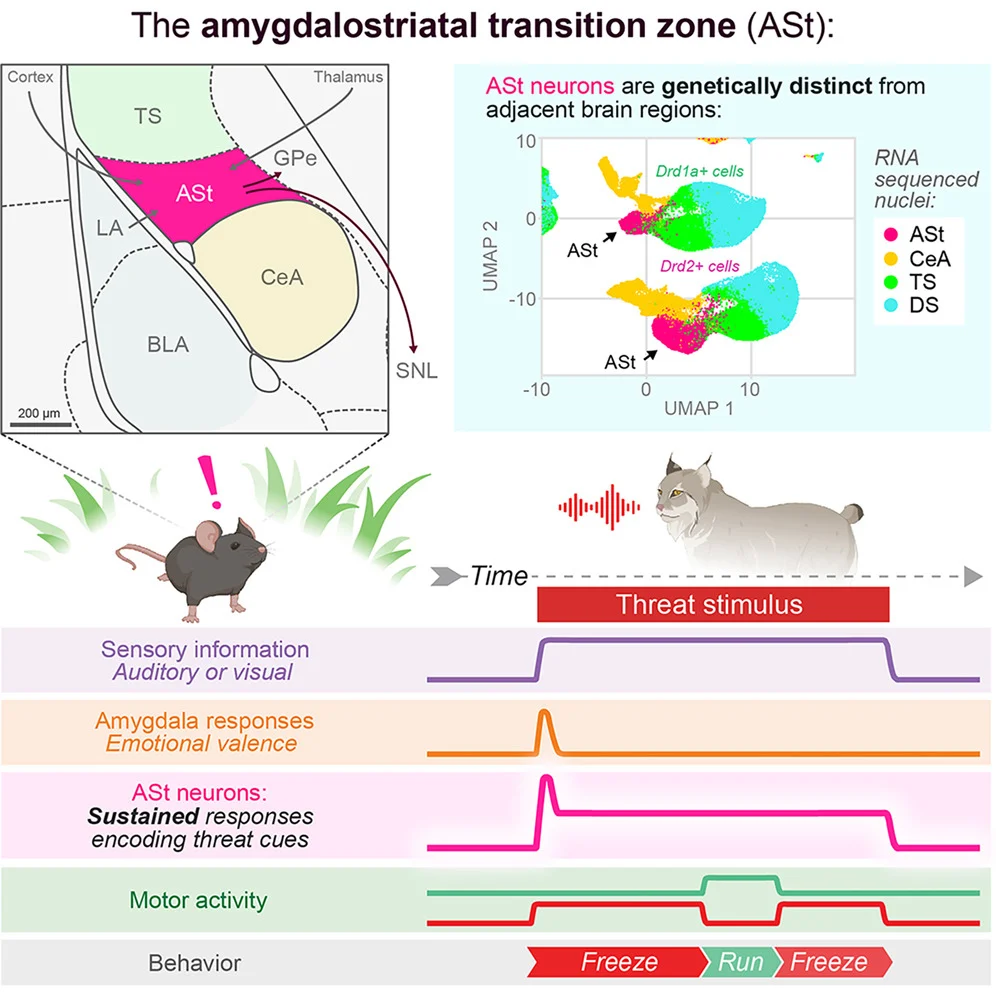
Amygdalostriatal transition zone neurons encode sustained cue responses to guide defensive behaviors
For decades, neuroscientists have faced a persistent paradox when studying how mammalian brains process fear and danger. While the amygdala—the brain’s recognized center for emotional processing—rapidly detects environmental threats, its…

- Human Behavior & Social Studies
- September 28, 2026
- 21 views
If I cannot bounce back easily, can I handle the truth? Satisfaction in romantic relationships, resilience and preference towards prosocial lies
The foundational bedrock of any successful romantic relationship is traditionally believed to be unyielding honesty. Couples counselors, psychologists, and cultural narratives frequently emphasize that absolute transparency fosters mutual trust, strengthens…
- Human Behavior & Social Studies
- September 27, 2026
- 23 views
Decoding the Autism Surge: Separating Biological Reality from Shifting Diagnostic Criteria
The global conversation surrounding autism spectrum disorder (ASD) has reached a critical juncture. Over the past few decades, public health data has charted an astonishing upward trajectory in autism diagnoses,…

- Human Behavior & Social Studies
- September 27, 2026
- 21 views
Autistic-Like Traits in Members of the General Population and Mate Retention Tactics: The Mediation of Attachment Styles and Reproductive Strategies
The intricate dynamics of human romantic relationships are shaped by a vast array of psychological and personality factors. Among these, the presence of autistic-like traits (ALTs) within the general population…

- Human Behavior & Social Studies
- September 27, 2026
- 26 views
Adolescents’ Experiences of Online Harms by Platform
As policymakers worldwide grapple with the pressing challenge of adolescent digital safety—ranging from legislative social media bans to age-gating mandates—a new study published in JAMA Pediatrics offers a nuanced look…






