
 Ferry Irwandi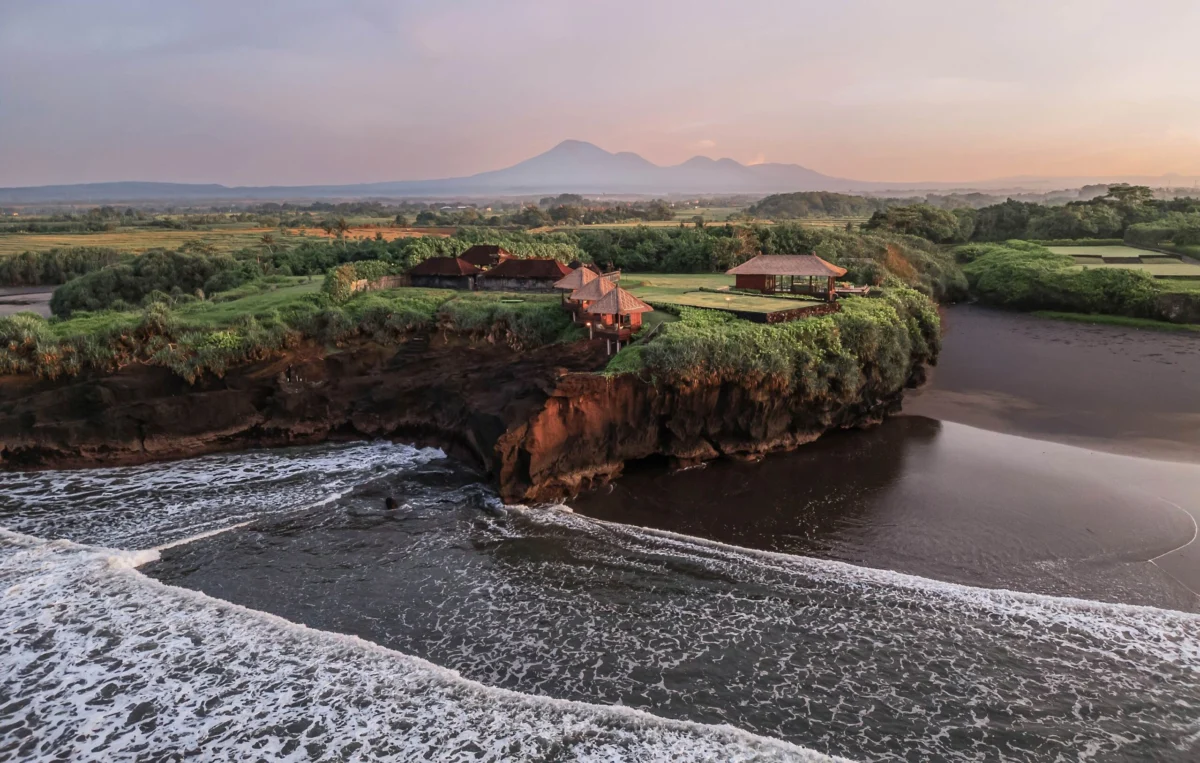
Bali continues to command its position as one of the world’s most resilient and sought-after travel destinations, capturing the global imagination for over a century. Indonesia’s crown jewel within its vast archipelago offers a complex tapestry of deeply rooted cultural traditions, hyper-local culinary arts, world-class surf breaks, and a comprehensive wellness infrastructure. Originally popularized by artists and anthropologists in the 1920s and 1930s, the island has experienced distinct waves of tourism evolution. Today, Bali balances its sacred water temples, terraced agricultural landscapes, and communal rituals with an increasingly sophisticated cosmopolitan infrastructure, drawing millions of international visitors and a permanent community of expatriates annually.
A Decade of Transformation: Tourism and Infrastructure Evolution
The island’s modern tourism trajectory has accelerated significantly over the past decade. Since 2014, Bali’s hospitality, culinary, and commercial landscapes have undergone profound expansion and modernization. Culinary entrepreneurs and internationally acclaimed chefs have flocked to the region, establishing destination dining venues that elevate indigenous Indonesian ingredients through contemporary techniques. Simultaneously, infrastructure improvements have enhanced accessibility to remote regions, connecting previously isolated coastal stretches and mountainous enclaves to international transit networks.
This development boom has been accompanied by a heightened emphasis on ecological responsibility and sustainable business practices. Hoteliers and tourism operators face mounting pressure to mitigate environmental impacts, leading to innovative approaches in architectural design, waste management, and community integration. Accommodations now range from high-altitude glamping setups in the misty mountain ranges and secluded bamboo treehouses suspended over river gorges to extravagant clifftop villas featuring cantilevered infinity pools. This architectural diversity allows travelers to experience the island through myriad design lenses, transforming creative concepts into physical realities.
Regional Breakdown: Navigating Bali’s Diverse Micro-Destinations
Spanning approximately 2,230 square miles, Bali defies generalization, presenting distinct micro-climates, cultural ecosystems, and geographic features across its various regions. Choosing the ideal location depends largely on individual traveler priorities, whether one seeks cultural immersion, athletic pursuits, or seclusion.
Ubud and the Central Highlands
Centered around the cultural heartland of Ubud—including the surrounding neighborhoods of Sayan, Kedewatan, and Keliki—this region is defined by deep river gorges, emerald-toned river valleys, and cascading rice terraces such as Tegalalang. Ubud serves as the historical epicentre for traditional arts, dance, wellness retreats, and holistic healing. Accommodations here typically emphasize integration with the natural environment, utilizing local woods, stone, and open-air pavilions to encourage meditative stillness.
The Bukit Peninsula and Southern Coastline
Occupying the southernmost tip of the island, the Bukit Peninsula—encompassing Jimbaran Bay, Uluwatu, and Nusa Dua—is recognized as the epicenter of ultra-luxury hospitality on the island. Characterized by dramatic limestone cliffs plunging into the Indian Ocean, this area commands an outsized concentration of high-end resorts, private beach clubs, and elite surf breaks. Nusa Dua, developed systematically as a planned resort enclave, caters to large-scale international tourism and corporate retreats, while Uluwatu attracts a discerning clientele seeking dramatic ocean views and sophisticated cliffside architecture.
Canggu, Seminyak, and the West Coast
For travelers prioritizing contemporary dining, high-end retail, beach clubs, and vibrant social scenes, the coastal strip spanning Seminyak, Berawa, and Canggu remains the primary destination. Over the past fifteen years, this corridor has evolved from a sleepy agricultural coast into a bustling cosmopolitan hub. Despite rapid urbanization, pockets of traditional life persist, creating a fascinating juxtaposition between ancient ceremonies and hyper-modern lifestyle venues.
Methodology for Hotel Selection
Curating a definitive list of premier accommodations in a destination boasting thousands of properties requires rigorous editorial standards. The selection process employed by leading travel journalists involves comprehensive firsthand evaluation, examining several core criteria:
- Design and Architecture: Properties must demonstrate exceptional aesthetic vision, whether honoring traditional Balinese architectural heritage or pioneering contemporary minimalist design.
- Location and Accessibility: A strategic positioning that either offers seamless access to key cultural and commercial hubs or provides intentional, restorative seclusion.
- Service Excellence: Impeccable, intuitive hospitality characterized by genuine warmth and professional execution.
- Sustainability Credentials: Measurable commitments to environmental conservation, community support, waste reduction, and cultural preservation.
Through this meticulous filtering process, industry experts have narrowed thousands of possibilities down to 28 standout properties. This elite grouping includes pioneering legacy resorts that established modern luxury standards on the island, innovative design icons pushing architectural boundaries, and boutique newcomers redefining bespoke hospitality.
Economic and Social Implications of Hospitality Growth
The rapid proliferation of high-end resorts and boutique properties across Bali carries significant economic and socio-cultural implications. Tourism remains the primary economic engine for the island, employing a substantial percentage of the local population and driving infrastructural investment. However, this growth also presents challenges related to water resource management, traffic congestion, and the preservation of sacred spaces.
Local authorities and community leaders, operating in tandem with forward-thinking hospitality groups, have increasingly prioritized sustainable development models. Initiatives such as banning single-use plastics, implementing geothermal and solar energy systems, and establishing community-led conservation programs reflect a growing industry consensus that long-term economic viability is inextricably linked to environmental stewardship. Furthermore, many luxury properties actively partner with local artisans, farmers, and cultural custodians, ensuring that tourism revenue directly benefits indigenous communities and helps preserve intangible cultural heritage.
Future Outlook for Bali’s Tourism Sector
As international travel continues to rebound and evolve post-pandemic, Bali’s hospitality sector is poised for continued refinement. The emphasis is shifting away from mass tourism toward high-value, low-impact travel experiences that prioritize wellness, cultural authenticity, and ecological accountability.
Properties that successfully integrate luxury with genuine environmental and social responsibility are setting new benchmarks for the global hospitality industry. For travelers navigating this dynamic landscape, the island offers an unmatched convergence of ancient tradition and contemporary sophistication, ensuring its enduring status as a global sanctuary for the discerning explorer.









