
 Ronny Sianturi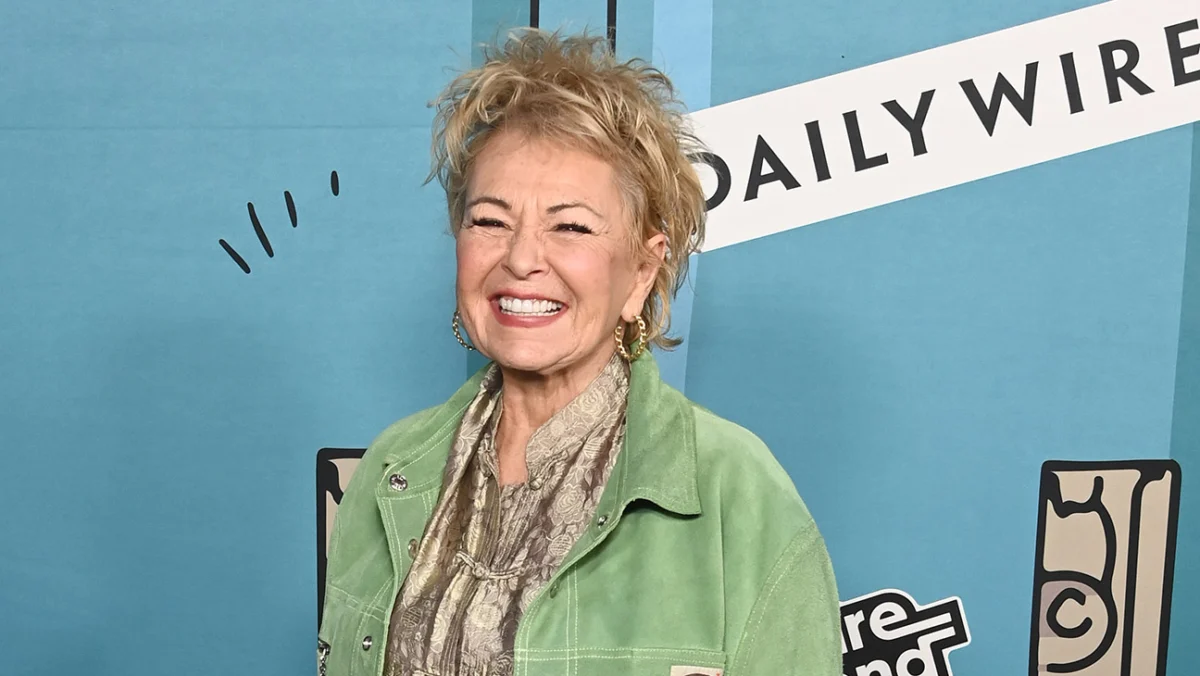
Eight years after the high-profile cancellation of her eponymous ABC sitcom, comedian and actress Roseanne Barr has quietly completed production on a brand-new, independently financed television series. Titled Meemaw: A Modern-Day Fable, the eight-episode project is currently being shopped to major streaming platforms and independent distributors. According to co-creator and writer-producer Allan Stephan, the project has already generated early interest from several potential buyers as sales representatives circulate an exclusive trailer across Hollywood.
The existence of the secret production first came to light through media reports detailing a star-studded cast and an unconventional shooting schedule in Austin, Texas. While no distribution deals have been finalized, the active outreach to streaming services indicates that Barr is attempting a calculated return to narrative television, testing the waters of an industry that largely distanced itself from her following a major social media controversy in 2018.
Plot, Cast, and Creative Direction
Meemaw: A Modern-Day Fable centers on the matriarch of a struggling Texas family of preppers—played by Barr—who is desperately trying to organize an extravagant bat mitzvah for her granddaughter. Stephan described the central narrative as a reflection of contemporary economic hardships, noting that the characters represent the everyday struggles of American farmers trying to put food on the table and keep their households unified amid modern financial pressures.
Rather than adhering to the traditional multi-camera setup of her previous network hits, the creators have labeled the half-hour production a fable. Stephan explained that the unique classification stems from stylistic choices within the storytelling, which incorporates animals and elements distinct from standard sitcom conventions.
The project features a notable ensemble cast, including Randy Quaid, Drea de Matteo, Omar Gooding, Doug Jones, and Indy Bugg. Additionally, the series includes comedic cameo appearances from Jon Lovitz, Tony Hinchcliffe, and Kim Congdon. Behind the scenes, the writing room was bolstered by comedy scribe and producer Allen Covert, a frequent collaborator of Adam Sandler known for his work on projects like Murder Mystery and Eight Crazy Nights.
Financing for the first season was raised independently through private efforts, spearheaded by Barr with assistance from her son, Jake Pentland. Although specific details regarding the private investors remain undisclosed, the ability to independently fund, cast, and shoot a complete eight-episode season highlights a growing trend among veteran creators seeking to bypass traditional studio gates.
Background Context and the 2018 ABC Cancellation
The launch of Meemaw marks Barr’s most significant narrative television endeavor since the abrupt termination of her career-defining relationship with ABC. In the late 1980s, Barr ascended to superstardom as a stand-up comedian who translated her working-class observational humor into Roseanne, a groundbreaking sitcom that portrayed an ordinary Illinois family navigating economic precarity. The original series ran from 1988 to 1997, earning critical acclaim and cementing Barr as a dominant force in network television.
Decades later, in March 2018, ABC successfully revived the series. The Roseanne revival debuted to massive ratings, drawing more than 18 million viewers and proving that the audience for blue-collar family comedies remained robust. However, the triumph was short-lived.
On May 29, 2018, Barr posted a racially offensive tweet targeting Valerie Jarrett, a former senior advisor to President Barack Obama. Within hours of the post, public outcry intensified, and corporate partners swiftly severed ties. ABC canceled the revival the same day, with network executives publicly denouncing the statement as abhorrent and inconsistent with company values.
Following the cancellation, Barr issued a public apology, stating she deeply regretted making a bad joke regarding Jarrett’s politics and physical appearance, acknowledging that her commentary was in exceptionally poor taste. Despite the apology, Barr faced a prolonged period of professional exile from mainstream network television, though she continued to perform stand-up comedy and engage with dedicated supporters through digital platforms and independent media appearances.
Positioning and Nonpartisan Appeal
In the wake of her industry ostracization, creators behind Meemaw are deliberately positioning the new series as a broad, nonpartisan entertainment product intended to transcend political divisions.
Stephan emphasized that the comedy avoids partisan talking points, aiming instead to replicate the universal appeal that characterized the original Roseanne in its prime. According to the co-creator, the series steers clear of left-versus-right political signaling, focusing strictly on domestic survival, economic hardship, and the universal dynamics of family life. By grounding the narrative in relatable socioeconomic struggles, the production team hopes to attract a wide audience unburdened by the polarizing political associations that have defined public perception of Barr in recent years.
Industry Implications and Distribution Realities
The efforts to secure a home for Meemaw highlight evolving distribution strategies within the modern television landscape. Independent television production has expanded significantly with the proliferation of subscription video-on-demand (SVOD) platforms and niche streaming networks hungry for recognizable intellectual property and established talent.
However, industry analysts note that initial interest from distributors does not guarantee a greenlight or a global streaming deal. Independent creators frequently engage in preliminary discussions with multiple platforms without securing formal acquisition contracts. The ultimate success of Meemaw will depend on whether a major streamer is willing to absorb the potential public relations risks associated with Barr’s return, weighed against the commercial upside of her built-in fan base and the project’s recognizable supporting cast.
If Meemaw successfully lands a distribution partner, it could signal a new pathway for canceled or controversial public figures seeking to re-enter the entertainment ecosystem through independent financing models. Conversely, a failure to secure a platform would underscore the enduring limitations faced by creators who have been blacklisted by major corporate gatekeepers.
For now, Barr and her team remain in active negotiations, testing whether audience appetite for nostalgic, blue-collar comedy can outweigh corporate caution in today’s highly scrutinized media environment. Representatives for the production continue to pitch the series as a fresh, timely fable about American resilience, leaving the next chapter of Barr’s tumultuous television career hanging in the balance.








