
 Kang Muslim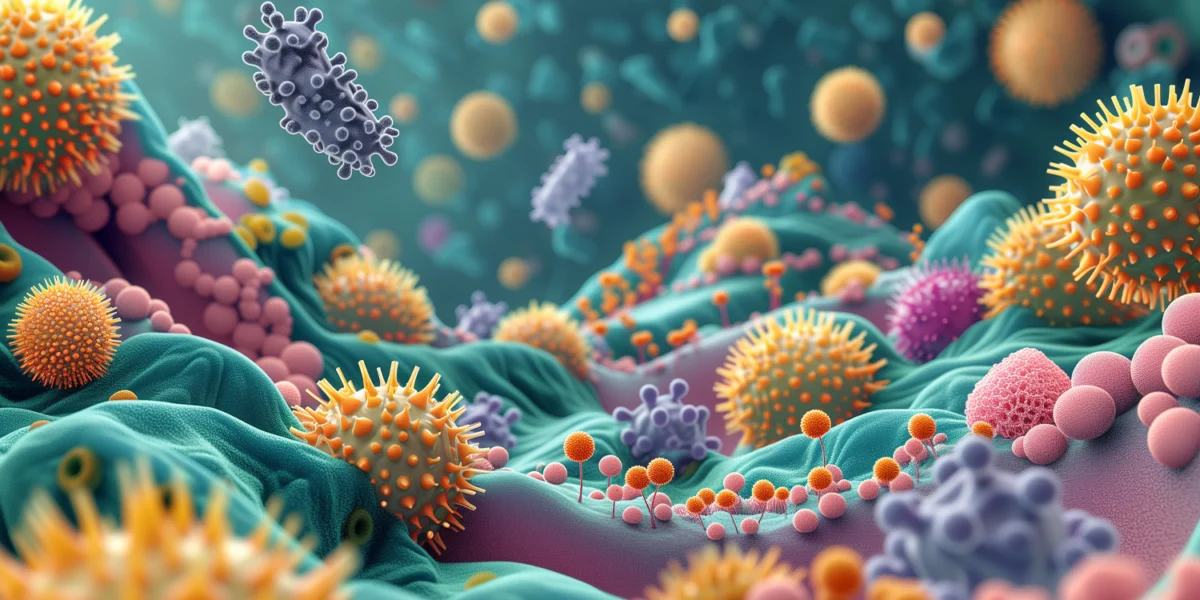
The human brain relies on a delicate biochemical equilibrium to maintain cognitive function, memory formation, and neurological health. While modern nutritional science has long focused on the hazards of excessive dietary sodium—particularly regarding cardiovascular strain and hypertension—recent investigations suggest that the inverse may be equally detrimental. A groundbreaking study published in the peer-reviewed journal Food Research International sheds new light on this delicate balance, demonstrating that both abnormally high and severely restricted dietary salt intakes can induce cognitive impairment in mammalian models. Crucially, the research reveals that these two dietary extremes compromise brain function through entirely distinct biological pathways.
Led by Anji Chen and a team of researchers from Zhejiang University in China, the study explored the complex interactions of the gut-brain axis. The findings indicate that while excessive sodium triggers aggressive systemic inflammation and oxidative stress, severe sodium restriction starves the gut microbiome of essential metabolic byproducts required for optimal neural plasticity. As public health initiatives continually advocate for dietary modifications to improve population health, these findings emphasize that optimal nutritional strategies must navigate a narrow physiological corridor rather than simply pursuing extreme reductions.
The Microbiome Connection: Bridging Animal Models and Human Biology
To understand how dietary minerals influence neurological health, researchers must contend with the fundamental differences between rodent and human physiology. The human digestive tract is home to trillions of microorganisms, collectively known as the gut microbiome, which engage in constant, bidirectional communication with the central nervous system via the gut-brain axis. Dietary components, including sodium, directly alter the composition of these microbial communities, changing the biochemical signals sent to the brain.
To enhance the translational relevance of their research to human populations, the Zhejiang University team utilized an advanced methodology known as microbiome humanization. The experimental design involved a carefully controlled timeline to establish human-derived gut bacteria in a controlled murine environment.
A cohort of 32 male mice was initially treated with broad-spectrum antibiotics to drastically deplete their native gut microbiota. Following this depletion phase, the animals were inoculated with a standardized solution containing human fecal matter. This procedure allowed human-derived microbial strains to successfully colonize the digestive tracts of the mice, creating a hybrid biological model that better mimics human gastrointestinal and metabolic responses.
Experimental Design and Chronology of the 14-Week Trial
Once the humanized microbiome was securely established within the animal subjects, the researchers initiated a rigorous 14-week dietary intervention protocol. The humanized mice were randomly allocated into three distinct experimental cohorts, each subjected to a precisely formulated diet for the duration of the study.
The first group served as the internal control and received a normal-salt diet matching standard nutritional requirements. The second group was subjected to a heavily restricted low-salt regimen, pushing sodium consumption to the opposite extreme. The third group received a high-salt diet designed to mimic excessive daily sodium loading. Additionally, a fourth control group consisting of standard mice with their natural, non-humanized gut bacteria maintained a normal-salt diet to control for baseline variations.
Throughout the 14-week feeding period, the animals’ physical health, water consumption, and behavioral patterns were monitored. Upon the conclusion of the dietary trial, the researchers subjected the mice to a battery of sophisticated behavioral evaluations designed to assess cognitive performance, memory retention, and anxiety-like tendencies.
To evaluate short-term spatial working memory, the team utilized a Y-shaped maze test, tracking the ability of the mice to remember previously explored corridors. Long-term recognition memory was measured using a novel object recognition test, which evaluated the animals’ propensity to investigate unfamiliar items compared to familiar ones. Finally, open-arena tests were conducted to gauge anxiety-like behaviors and locomotor activity.
Behavioral Outcomes: Memory Deficits Across Dietary Extremes
The behavioral testing yielded striking results that challenged the conventional assumption that only high salt intake poses a neurological threat. Both the low-salt and high-salt experimental groups exhibited substantial impairments in short-term spatial working memory and long-term recognition memory when compared against the normal-salt control group.
However, the manifestation of these cognitive deficits differed noticeably between the two dietary extremes. The high-salt diet produced the most severe and multifaceted cognitive decline. Beyond memory deficits, mice in the high-salt group displayed markedly elevated anxiety-like behavior in the open arena test. Furthermore, these animals exhibited hyperdipsia, drinking substantially more water to compensate for the elevated sodium load in their systems.
In contrast, the low-salt group experienced measurable short-term and long-term memory deficits without the concurrent symptoms of heightened anxiety or excessive thirst. This dissociation between memory loss and anxiety-like behaviors suggested that while both extremes result in cognitive impairment, the underlying physiological triggers operate through divergent mechanisms.
Neurological Analysis: Synaptic Disruption in the Hippocampus
To pinpoint the physical causes of these behavioral changes, the researchers harvested and analyzed brain tissue from the subjects, focusing heavily on the hippocampus. The hippocampus is a seahorse-shaped structure embedded deep within the temporal lobe that plays a central role in learning, spatial navigation, and the consolidation of information from short-term to long-term memory. Because of its high metabolic activity, this region is exceptionally sensitive to systemic disruptions and nutritional imbalances.
The scientific team quantified the expression levels of key proteins responsible for building and maintaining synapses—the specialized junctions that allow neurons to transmit electrical and chemical signals to one another. Both extreme diets were found to reduce the abundance of these critical synaptic proteins and essential growth factors.
Among the most notable molecular casualties was brain-derived neurotrophic factor (BDNF), a vital protein that promotes the survival of existing neurons and encourages the growth and differentiation of new neurons and synapses. The suppression of BDNF impairs the brain’s neuroplasticity, reducing its ability to adapt to new information and form stable memories.
Despite these shared outcomes, microscopic analysis revealed distinct structural differences in how the two diets damaged neural connectivity. The high-salt diet caused a widespread, generalized reduction in structural proteins across both the presynaptic (sending) and postsynaptic (receiving) terminals of the neurons. Conversely, the low-salt diet primarily targeted proteins involved in structural stability and synaptic adaptability while leaving the physical abundance of neuronal vesicles relatively intact.
Microbiome Shifts and Metabolic Consequences
To determine how the diets altered the gut environment, the researchers sequenced the genetic material of the microbial communities residing within the colons of the mice. The high-salt diet prompted an undesirable expansion of bacterial taxa previously associated with systemic inflammation and gut dysbiosis.
The low-salt diet induced a fundamentally different structural shift. While it slightly increased the populations of certain specialized bacterial species, it triggered a pronounced reduction in the overall abundance of beneficial microbes, particularly those belonging to the Lactobacillus genus, which are frequently associated with gastrointestinal and metabolic health.
These microbial alterations had immediate downstream effects on metabolism. As gut bacteria ferment dietary components, they generate vital metabolic byproducts known as short-chain fatty acids (SCFAs). These compounds play an instrumental role in modulating host immune responses, maintaining intestinal barrier integrity, and nourishing central nervous system cells.
Biochemical assays revealed that both extreme diets significantly reduced the concentrations of two primary helpful short-chain fatty acids: propionate and butyrate. However, the low-salt diet uniquely caused a sharp, precipitous drop in two additional compounds, acetate and isobutyrate. Acetate serves as a critical metabolic signaling molecule capable of crossing the blood-brain barrier from the gut. Its severe depletion under low-salt conditions points to a broad suppression of microbial metabolic capacity caused by sodium starvation.
Oxidative Stress, Lipid Profiles, and Systemic Inflammation
The physiological toll of these diets extended beyond the microbiome and the central nervous system, manifesting clearly in lipid profiles and systemic immune markers.
Intestinal lipid analysis of the high-salt cohort revealed classic indicators of severe oxidative stress—a destructive cellular state characterized by an excess of reactive oxygen species that damage lipids, proteins, and DNA. These mice also exhibited a marked increase in pro-inflammatory lipids. Blood serum tests confirmed that the high-salt diet elevated multiple circulating cytokines, signaling a systemic state of chronic, low-grade inflammation that likely contributed to the degradation of hippocampal tissue.
The low-salt cohort presented a contrasting biochemical profile. While these mice experienced a notable reduction in specific structural lipids necessary for maintaining healthy neuronal membranes, they did not exhibit the oxidative stress or elevated lipid peroxidation seen in high-salt subjects. Furthermore, blood tests showed no observable increase in systemic inflammatory cytokines.
These divergent pathways provide a clarifying framework for the study’s primary conclusion: high-salt diets impair cognition via neuroinflammation and oxidative damage, whereas severe salt restriction induces cognitive decline by starving the gut microbiome of essential metabolic signals.
Expert Reactions and Public Health Implications
The publication of these findings has sparked discussion among nutritional scientists, gastroenterologists, and neurologists regarding the complexities of dietary sodium recommendations. While international health organizations, including the World Health Organization, continue to urge populations to lower sodium intake to combat cardiovascular disease, researchers emphasize the importance of context.
Nutritional epidemiologists point out that while excessive sodium remains a primary public health menace in Western diets, these new findings serve as a reminder that minerals play indispensable roles in fundamental biochemistry. Extreme avoidance of sodium, particularly in vulnerable populations such as the elderly or individuals adhering to strict medical elimination diets, may carry unintended neurological consequences that have historically gone unrecognized in clinical settings.
Independent specialists note that the study reinforces the growing appreciation for the gut-brain axis as a master regulator of systemic health. Interventions designed to protect cognitive longevity may soon need to look beyond traditional neurology and incorporate targeted microbiome analyses and personalized nutritional counseling.
Limitations of the Study
Despite the rigorous design and advanced methodologies employed by the Zhejiang University researchers, several important limitations must be considered when interpreting the results.
First, the investigation was conducted entirely on a small sample of male mice. Although the use of humanized fecal microbiota transplantation successfully bridges a significant gap between animal models and human physiology, murine metabolic and neurological responses do not perfectly replicate the complexities of the human body. Clinical trials involving human subjects will be required to confirm whether these specific mechanisms operate similarly in people.
Second, the experimental diets represented extreme ends of the sodium spectrum. These acute parameters were necessary to isolate biological mechanisms and establish causality within a controlled laboratory setting, but they do not necessarily reflect typical human dietary habits or gradual sodium reduction strategies.
Finally, while the study established strong statistical correlations linking specific microbial shifts, depleted short-chain fatty acids, and diminished memory scores, it did not definitively prove that the missing metabolites were the sole direct cause of the observed cognitive decline.
Future Directions and Research Outlook
As nutritional science advances, researchers are already planning subsequent investigations to address the questions raised by this study. Future projects will aim to establish the precise lower thresholds for healthy human salt consumption, identifying the tipping point where beneficial dietary restriction transitions into harmful sodium deprivation.
Additionally, scientists are investigating whether targeted supplementation—such as administering specific short-chain fatty acids or prebiotic compounds—might prevent or reverse the cognitive decline associated with imbalanced sodium intake. If successful, such interventions could offer therapeutic avenues for protecting cognitive health in patients required to maintain strict dietary restrictions for cardiovascular or renal management.
This research marks a foundational step forward in understanding how dietary minerals influence neurological integrity. By mapping out the distinct pathways through which high-salt and low-salt diets disrupt the gut-metabolite-brain axis, the study provides a more nuanced understanding of nutrition, reminding researchers that in human biology, balance remains paramount.









