Ronny Sianturi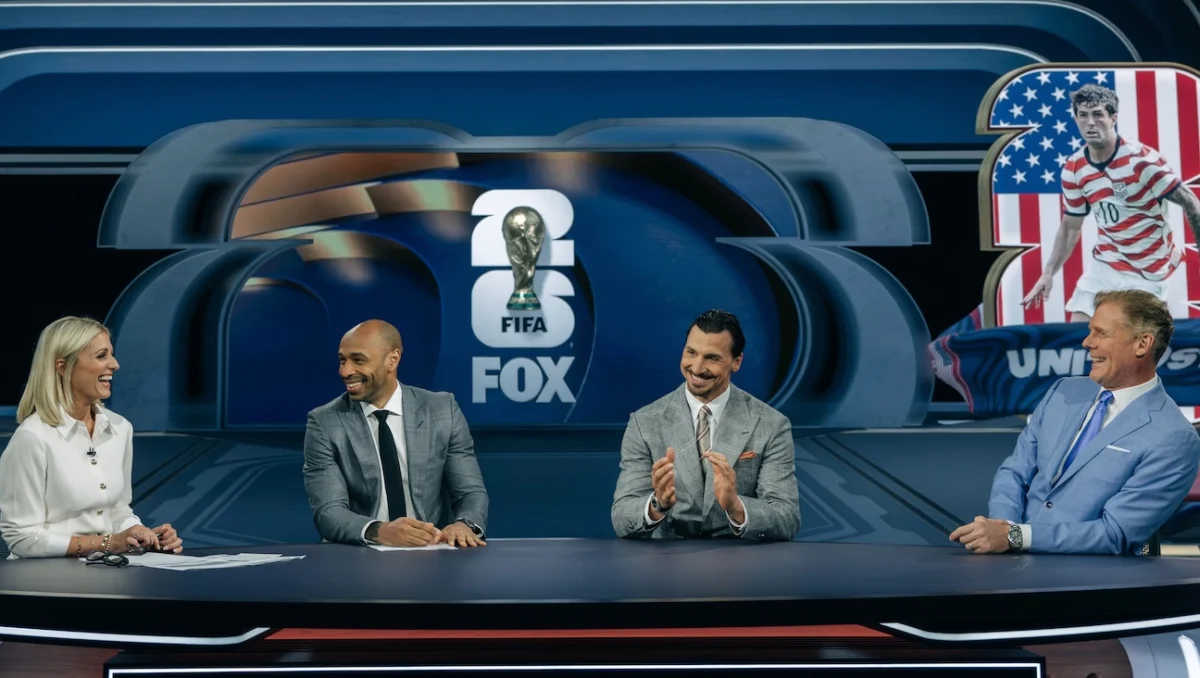
The highly anticipated 2026 Men’s FIFA World Cup is not only drawing massive viewership for live match action on Fox Sports but is also experiencing an unprecedented surge in audience engagement for its surrounding programming, particularly the pre-game show. In a significant development for sports broadcasting, Fox’s pre-game coverage has more than doubled its viewership compared to the 2022 tournament, showcasing a remarkable increase in viewer interest for the analysis and build-up to the global soccer spectacle.
Nielsen figures released for the initial 12 days of the 2026 tournament reveal a dramatic uplift in viewership for the pre-game show. Through the conclusion of the second leg of the group stage on June 23, the program is averaging just over 2.4 million viewers. This figure represents a substantial 117 percent increase from the comparable period in the 2022 World Cup, which saw an average of 1.11 million viewers tuning in for pre-game analysis. This surge indicates a growing appetite among audiences for in-depth discussion, expert commentary, and comprehensive previews of the matches.
The impressive growth of the pre-game show even surpasses the percentage gains observed in the live match broadcasts themselves. The initial two legs of the group stage, broadcast across Fox, FS1, and the streaming platform Tubi, collectively attracted an average of 5.62 million viewers. This represents a 113 percent increase from the 2.64 million viewers who tuned into the group stage matches in 2022. This parallel rise in viewership for both live action and pre-game analysis suggests a holistic engagement strategy by Fox Sports, effectively capturing and retaining audience attention throughout the entire World Cup broadcast.
Several key factors are contributing to this significant ratings boost. The decision to co-host the 2026 tournament in North America, with the United States, Mexico, and Canada serving as host nations, is undoubtedly a primary driver. This geographical proximity for a large segment of the North American audience eliminates the significant time zone challenges that plagued the 2022 World Cup in Qatar. The Qatar tournament, held in the fall of 2022, presented an eight- to eleven-hour time difference for U.S. viewers, often necessitating early morning viewing or reliance on replays. This timing also coincided with a more crowded sports television calendar, potentially fragmenting viewership.
In contrast, the 2026 tournament’s placement in the traditional June-July window, combined with its North American hosting, allows for more viewer-friendly broadcast times. Pregame shows typically commence in the late morning or midday Eastern Time, aligning with typical viewing habits and allowing for more natural engagement with the day’s footballing action. This shift in scheduling and location has proven to be a critical element in reconnecting with a domestic audience that may have found the previous tournament’s broadcast schedule challenging.
The studio broadcast team for Fox, tasked with guiding viewers through the tournament, has also been a focal point of discussion. The primary lineup features host Rebecca Lowe, who joined Fox on loan from NBC where she anchors Premier League coverage, alongside esteemed analysts Thierry Henry, Zlatan Ibrahimović, and Alexi Lalas. Henry and Ibrahimović, widely recognized as two of the most influential players of the last three decades, bring immense star power and tactical insight. Their presence, alongside former U.S. national team player Alexi Lalas, a long-standing Fox analyst since 2015, has generated considerable commentary, particularly in the early stages of the tournament. Initial perceptions noted a perceived tension or differing dynamics between the European footballing legends and Lalas, a former U.S. Men’s National Team player. However, the data clearly indicates that regardless of the on-screen chemistry or perceived dynamics, the compelling narratives and high stakes of the World Cup, coupled with the expertise of the analysts, are resonating strongly with viewers, driving significant tune-in.
The overall success of the 2026 World Cup extends beyond Fox Sports, with Telemundo and its streaming service Peacock also experiencing robust viewership for their Spanish-language broadcasts in the United States. The combined audience across both English and Spanish language broadcasts has consistently exceeded 10 million viewers per match through June 23, underscoring the immense popularity of the sport and the tournament within the American market. This widespread appeal highlights the growing influence of soccer in the U.S. and the tournament’s ability to capture the attention of diverse fan bases.
A Deeper Dive into the Broadcast Strategy and Audience Engagement
The substantial increase in viewership for Fox’s pre-game show can be attributed to a multifaceted approach that combines strategic scheduling, compelling talent, and a deep understanding of the modern sports viewer. The North American co-hosting arrangement has fundamentally altered the viewing experience, bringing the global event closer to home for millions. This geographical advantage allows for more immediate and relatable coverage, with analysts able to provide context that resonates directly with the experiences of local fans.
The inclusion of global footballing icons like Thierry Henry and Zlatan Ibrahimović offers an unparalleled level of insight and historical perspective. Their playing careers, spanning multiple top leagues and World Cup campaigns, provide a rich wellspring of knowledge that appeals to both seasoned soccer aficionados and casual observers. Their ability to dissect tactical nuances, recall pivotal moments from their own experiences, and offer candid opinions adds significant value to the pre-game analysis.
Alexi Lalas, with his extensive experience as a player, coach, and broadcaster, provides a crucial American perspective. His familiarity with the U.S. soccer landscape and his ability to articulate the sport’s development and challenges within the domestic context offer a unique dimension to the panel. While initial commentary may have focused on the interpersonal dynamics, the collective expertise of the team, when viewed through the lens of their unparalleled footballing backgrounds, offers a formidable analytical unit. The sheer draw of these personalities, combined with their profound understanding of the game, is clearly compelling viewers to tune in earlier and stay engaged for longer.
Historical Context and the Evolution of World Cup Broadcasting
The FIFA World Cup, the most prestigious international football competition, has a long and storied history, dating back to 1930. Its global appeal is undeniable, consistently drawing billions of viewers worldwide. For broadcasters in major markets like the United States, securing the rights to the World Cup is a significant undertaking, representing a major investment and a prime opportunity to capture a massive audience.
In the U.S., the World Cup’s popularity has steadily grown over the decades. While historically viewed as a niche sport, soccer has experienced a significant cultural ascendancy, driven by the establishment of Major League Soccer (MLS), the increasing success of the U.S. Men’s and Women’s National Teams, and the proliferation of international football leagues through cable and streaming services. The 2026 tournament, being held on home soil, marks a pivotal moment in this trajectory, offering an unprecedented opportunity to cement soccer’s place as a mainstream sport in the American consciousness.
The evolution of World Cup broadcasting mirrors these societal shifts. Early broadcasts in the U.S. were often limited in scope and reach. However, as the sport’s popularity surged, so too did the investment in broadcast quality, punditry, and ancillary programming. Networks have increasingly recognized the value of comprehensive coverage that extends beyond the 90 minutes of play, investing in pre-game shows, post-game analysis, documentaries, and digital content to cater to a diverse and engaged fan base. The current success of Fox’s pre-game show is a testament to this evolving broadcast landscape, demonstrating that audiences are seeking more than just the live action; they are interested in the narratives, the strategies, and the cultural impact of the tournament.
Timeline of Key Developments
- 1930: The inaugural FIFA World Cup is held in Uruguay.
- Late 20th Century: Soccer’s popularity in the U.S. begins to gain traction, aided by increased media coverage and the formation of professional leagues.
- 1994: The United States hosts the FIFA World Cup, a landmark event that significantly boosts the sport’s profile in the country.
- 2002: The U.S. Men’s National Team achieves a quarter-final finish, sparking national interest.
- 2010s: The rise of streaming services and increased availability of international leagues further fuel soccer’s growth in the U.S.
- 2018: Fox Sports secures broadcast rights for the 2018 and 2022 Men’s World Cups, and the 2019 and 2023 Women’s World Cups.
- 2022: The World Cup is held in Qatar, presenting significant time zone challenges for U.S. viewers. Fox’s pre-game show averages 1.11 million viewers during the initial group stage.
- 2026: The FIFA World Cup is co-hosted by the United States, Mexico, and Canada, offering a more favorable time zone for North American audiences.
- June 23, 2026: Nielsen figures indicate Fox’s pre-game show is averaging over 2.4 million viewers through the second leg of the group stage, a 117 percent increase from 2022. Live match coverage across Fox, FS1, and Tubi is up 113 percent.
Broader Impact and Future Implications
The record-breaking viewership for the 2026 Men’s World Cup pre-game show has significant implications for the future of sports broadcasting and the growth of soccer in the United States. The data suggests that when the tournament is accessible and engaging for a domestic audience, the ancillary programming can achieve levels of success that rival, and in this case, even surpass, the growth of live match coverage.
This trend indicates a maturation of the U.S. sports market, where viewers are increasingly invested in the entire ecosystem surrounding major sporting events. Broadcasters may be incentivized to allocate more resources towards pre- and post-game analysis, studio shows, and digital content, recognizing their potential to drive significant audience engagement and advertising revenue.
For Fox Sports, this success validates their investment in talent and their strategic approach to covering the world’s most popular sporting event. The positive reception of the current broadcast team, despite initial observations, highlights the power of star appeal and deep footballing knowledge in captivating audiences.
The long-term impact on soccer’s popularity in the U.S. could be substantial. A successful home-hosted World Cup, amplified by widespread media coverage and enthusiastic fan engagement, can create a lasting legacy, inspiring a new generation of players and fans. The increased visibility and positive sentiment surrounding the tournament can further bolster grassroots soccer initiatives, youth development programs, and the professional leagues.
As the 2026 World Cup progresses, all eyes will be on the final ratings, but the early indicators are overwhelmingly positive. The surge in pre-game show viewership is not merely a statistical anomaly; it represents a significant shift in how American audiences are consuming and engaging with major international sporting events, particularly soccer. The tournament is proving to be a powerful catalyst for sports media growth and a pivotal moment in the ongoing narrative of soccer’s ascendancy in the United States. The full group stage ratings are anticipated shortly, which will provide a more comprehensive picture of the tournament’s overall viewership performance.