Layla Zulfa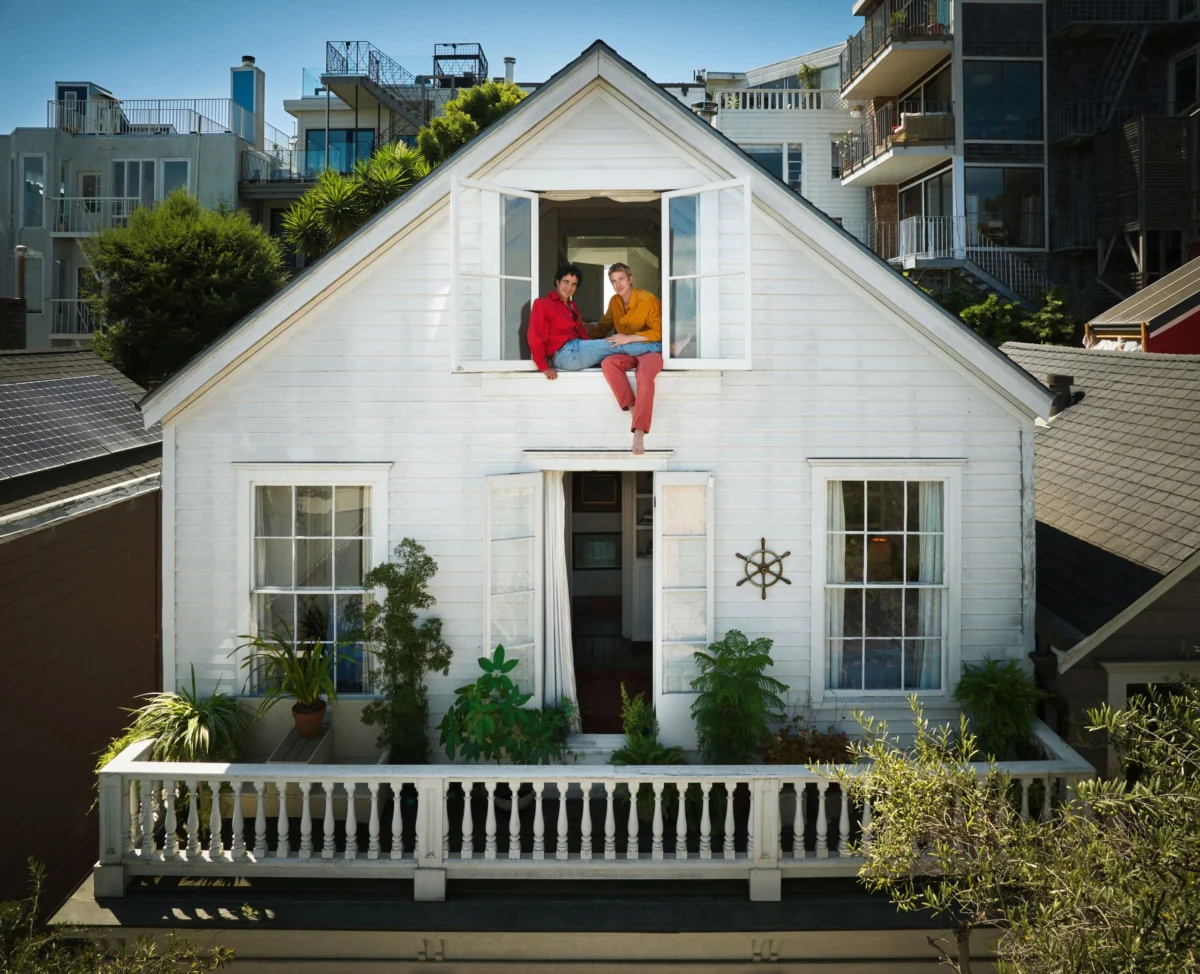
Fashion designer Zac Posen and his partner, actor and former New York City Ballet principal Harrison Ball, have unveiled the interior of their San Francisco residence, a project that signals a departure from the high-gloss, hyper-curated aesthetic often associated with celebrity home design. Situated in the historic Telegraph Hill neighborhood, the property is an 1850s captain’s cottage that has served as a silent witness to the evolution of San Francisco’s bohemian cultural history. The transformation of this rental property, achieved through a collaboration with renowned interior designer Ken Fulk, offers a case study in "anti-curation," favoring layered, lived-in imperfection over the static perfection of luxury staging.

The Chronology of a Cross-Country Transition
The relocation process began approximately two and a half years ago, catalyzed by Posen’s appointment as the executive vice president and creative director at Gap Inc. and chief creative officer at Old Navy. This transition necessitated a significant lifestyle shift for the couple, who have maintained a bicoastal existence, balancing their professional commitments in New York with their growing presence in the Bay Area.

For Harrison Ball, the search for a home was an intensive process. A self-described enthusiast of real estate digital platforms, Ball sought a residence that offered a sense of continuity with his personal history. Having spent his youth visiting Robin Hood’s Bay in Yorkshire, England, Ball was drawn to the maritime aesthetic and historical gravity of the Telegraph Hill cottage. The property is well-known within local lore, with a legacy that includes stints as a Prohibition-era club and reports of occupancy by literary and cultural figures such as Armistead Maupin and folk singer Joan Baez.
By the time the couple secured the lease, the property had fallen into a state of aesthetic neglect, described by the occupants as having an “Airbnb vibe.” The structural integrity remained, but the interior lacked the soul one might expect from a building with over 170 years of history. The garden, a focal point of the cottage’s appeal, was similarly neglected, prompting Ball to undertake an extensive restoration of the outdoor space, introducing species such as pink begonia, Brugmansia, and Ligularia to create a lush, temperate urban oasis.

The Design Philosophy: Embracing the Imperfect
The collaboration with Ken Fulk emerged organically from a social encounter shortly after the couple’s arrival in San Francisco. Fulk, an AD100 designer known for his theatrical and immersive interiors, opted for a radical departure from his typical methodology. There were no formal mood boards, extensive concept presentations, or rigid project timelines. Instead, the design direction was rooted in the philosophy of "accidental" accumulation.

Fulk’s approach to the project was to treat the space not as a canvas for a singular artistic vision, but as an ongoing narrative. The goal was to bypass the current cultural trend of over-curation, which often results in sterile living environments. By incorporating vintage finds—ranging from 19th-century military desks to mid-century lighting—the design team aimed to achieve a look that feels as though it has been assembled over decades rather than months.
In the primary bedroom, the decor reflects this eclectic mix: a 1930s faux-bamboo and cane bed serves as the anchor, dressed with Libeco Home textiles and vintage kilim pillows. The inclusion of artwork by Stephen Posen, the designer’s father, provides a personal provenance that contrasts with the commercial sourcing of other elements. The kitchen remains largely untouched in its original configuration, retaining its 1950s O’Keefe & Merritt stove, a decision that aligns with the couple’s desire to respect the historical utility of the cottage.

Contextualizing the Aesthetic Shift
The move toward an “anti-decorator” aesthetic, as described by Fulk, reflects a broader shift in interior design toward authenticity. Data from recent market reports in the luxury home sector suggests that homeowners are increasingly moving away from the “white-box” minimalism that dominated the 2010s. There is a measurable preference for “maximalist” touches, vintage provenance, and pieces that show signs of wear, signaling a rejection of the disposable furniture cycle.

This shift is partly an economic response to the rising costs of sustainable luxury. By repurposing existing structures and sourcing from vintage markets, residents can achieve a high-end look that is both environmentally conscious and culturally rich. The use of “leftover” materials, such as the canvas testing scraps used for wall treatments in the office, exemplifies this trend of upcycling within the design industry.
Logistics and Structural Constraints of Rental Living

The project also highlights the specific challenges of upgrading a rental property. Because the couple does not own the cottage, the modifications were limited to non-permanent interventions—paint, textiles, lighting, and furniture placement. This constraint serves as a practical reminder that domestic comfort is often achieved through personal objects rather than architectural renovation.
The “crow’s nest” attic guest room provides a clear example of how limited space can be maximized through aesthetic choices. By keeping the beams whitewashed and utilizing simple, textural elements like a tall wicker lamp, the designers maintained the cottage’s original, slightly cramped, yet intimate atmosphere. The couple’s willingness to embrace “mistakes,” such as the paint color Ball selected for the kitchen, reinforces the narrative that a home is a living entity subject to trial and error.

Impact on the Neighborhood and Design Community
Telegraph Hill, historically defined by its working-class roots and its later evolution into a bohemian enclave, remains a protected architectural environment. The renovation of the captain’s cottage serves as a reminder of the importance of preserving these historical structures, not just as museum pieces, but as functional, contemporary homes.

From an industry perspective, the collaboration between a fashion creative and a high-profile interior designer underscores the blurred lines between fashion and home design. Posen’s background in high-end couture, characterized by intricate draping and attention to material, is reflected in the home’s textile-heavy aesthetic. Similarly, Fulk’s ability to synthesize disparate styles into a cohesive, if unconventional, narrative demonstrates the growing demand for interior design that feels performative yet deeply personal.
Statements and Professional Implications

While the project is largely personal, its reception within the design community has been largely positive, cited by industry observers as a refreshing break from the homogeneity of digital-first interior design. The “junk shop meets art student” aesthetic provides a template for younger homeowners who may lack the budget for luxury renovations but possess the creative inclination to layer textiles and vintage objects.
As the couple continues to manage their bicoastal professional lives, the cottage serves as a stabilizing anchor. The residence is not merely a temporary stopover but a carefully crafted retreat that bridges the gap between their New York identities and their new life in California.

Broader Implications for Luxury Housing
The wider implications of this project for the residential market are significant. As remote work continues to influence where creative professionals choose to live, the demand for “character-filled” rental properties is likely to rise. Landlords and property managers may find that tenants are increasingly looking for historical authenticity rather than modern finishes.

Furthermore, the emphasis on “anti-curation” may influence retail strategies for home goods brands. If the market continues to favor items that appear to have a history, retailers may shift toward stocking more vintage-inspired or distressed pieces, moving away from the polished, mass-produced items that have defined the last decade of home retail.
Conclusion

The transformation of the Telegraph Hill captain’s cottage is an exercise in restraint and revelry. By allowing the history of the house to dictate the design, Posen and Ball have created a space that is as much a testament to the past as it is a reflection of their own tastes. The project stands as a critique of modern perfectionism, proving that the most resonant interiors are often those that allow for the "higgledy-piggledy" nature of life to show through. In a landscape of over-curated, digital-ready homes, this cottage offers a compelling alternative: a home that does not look like it was designed, but rather, one that feels like it has been inhabited for a century, growing and evolving with those who call it their own.