Layla Zulfa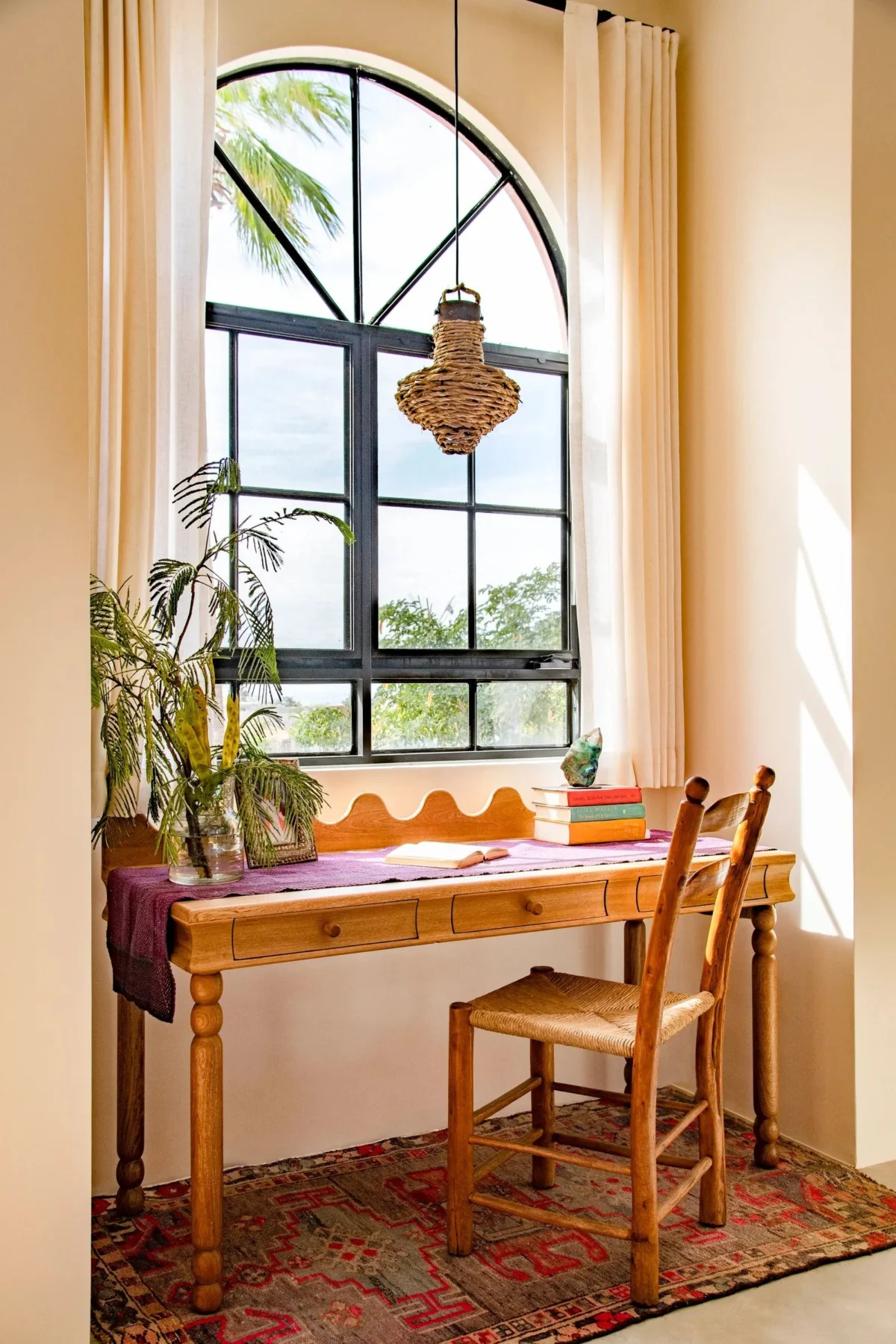
The transition to permanent remote and hybrid work models has fundamentally altered the interior design landscape, shifting the focus of office furniture from sterile, corporate-mandated aesthetics to residential integration. As millions of professionals continue to spend forty or more hours a week within their home workspaces, the demand for equipment that balances medical-grade ergonomics with domestic interior design has reached an all-time high. Market analysis indicates that the global home office furniture sector is projected to maintain steady growth through 2030, driven by the realization that poor posture and inadequate workspace planning have long-term consequences for both physical health and professional productivity.
A Brief Chronology of the Home Office Evolution
Before 2020, the home office was frequently relegated to a secondary bedroom or a repurposed corner of a living area. Furniture choices were often utilitarian—frequently limited to "flat-pack" desks or hand-me-down seating that lacked lumbar support. The global health crisis served as an immediate catalyst for a paradigm shift. By mid-2020, retailers reported a 400% surge in demand for ergonomic task chairs and adjustable standing desks.
This period of rapid adoption revealed a significant gap in the market: consumers were forced to choose between uncomfortable, "cubicle-coded" office equipment that was physically supportive but visually intrusive, or stylish residential furniture that lacked the necessary features to prevent chronic musculoskeletal strain. The current market has matured, with premium furniture manufacturers now prioritizing "human-centric design," which aims to harmonize advanced mechanical engineering with high-end materials such as walnut, leather, and architectural-grade steel.
Ergonomics and the Science of Sustained Productivity
The medical consensus on sedentary work is clear: static positioning is a primary driver of chronic back pain, reduced circulation, and decreased mental focus. The most reputable furniture brands today rely on research-backed adjustments, such as dynamic lumbar support, seat-depth regulation, and 4D armrests.
Herman Miller, long considered the gold standard for high-performance office seating, has successfully bridged the gap between the boardroom and the home. Their engineering philosophy focuses on "kinematic motion," allowing the chair to mimic the natural movement of the human spine. While the initial capital expenditure for such pieces remains high—often ranging from $1,000 to $3,500—long-term data suggests that the prevention of workplace-related injuries justifies the investment for professional-grade setups.
Emerging Market Leaders: A Comparative Analysis
The current furniture market is stratified by design philosophy and target consumer needs. To provide a comprehensive overview of where to source high-quality pieces, we categorize these retailers by their core value proposition.
-
The Architectural Icons: Herman Miller and 2Modern
For those who view their workspace as an extension of their personal brand, midcentury-modern design remains the benchmark. Herman Miller’s Airia Desk and the classic Eames Soft Pad chairs represent a fusion of historical design influence and modern utility. Similarly, 2Modern has positioned itself as a curator of design heritage, stocking pieces from Gubi and Fritz Hansen. Their collection is specifically targeted at the collector who desires furniture that maintains its resale value while serving as a functional tool. -
Ergonomic Specialists: Branch and Steelcase
Branch and Steelcase occupy the space between professional contract-grade furniture and direct-to-consumer accessibility. Branch has gained significant traction by simplifying the purchase process, offering a streamlined aesthetic that fits most contemporary home interiors. Their "Ergonomic Chair Pro" is frequently cited in trade reviews as a top-tier performer in the sub-$600 category, providing adjustable support that rivals chairs twice its price. Steelcase, meanwhile, remains the titan of the contract-furniture industry. Their "Gesture" chair is the result of years of observational research regarding how humans interact with technology, featuring a backrest that adapts to the user’s posture regardless of whether they are leaning back, slouching, or upright. -
The Intersection of Style and Executive Presence: West Elm, Arhaus, and Crate & Barrel
For professionals who require a workspace that blends seamlessly into a living room or primary suite, the "executive residential" look is paramount. West Elm’s office collection utilizes warm wood tones and performance-grade fabrics to remove the "corporate" feel from the room. Arhaus takes a more traditionalist approach, often utilizing solid mahogany and hand-finished veneers to create a sense of gravitas. Their Towry Executive Desk, for instance, hides modern cord management and storage solutions behind a classic, heavy-wood exterior. Crate & Barrel rounds out this category by leveraging collaborations with prominent interior designers like Athena Calderone, ensuring that their office pieces—such as the Greye Burl Wood Desk—function as high-end furniture items that happen to be optimized for work.
Data-Driven Selection: What to Prioritize
When curating a home office, experts suggest a hierarchy of needs. First, the chair is non-negotiable; it is the single most important asset for physical health. Second, the desk surface height must allow for a neutral wrist position, which often necessitates either a height-adjustable standing desk or a custom-fitted table. Finally, task lighting and cable management are the "quiet" factors that dictate the longevity of a space.
Industry data confirms that "clutter-reduction features"—such as integrated cable trays, hidden drawer systems, and modular filing units—directly correlate to increased employee satisfaction. As noted by industry analysts, the "invisible office" trend is growing, where desks are designed to look like console tables or vanities when not in use, allowing homeowners to mentally disconnect from work at the end of the day.
Implications for the Future of Domestic Design
The implications of this shift are profound. As major corporations move toward permanent hybrid arrangements, the home office is no longer a temporary setup but a permanent architectural requirement. Real estate developers are increasingly incorporating dedicated "work-from-home nooks" into new residential floor plans, and interior designers report that clients are now allocating as much budget to the office as they would to a primary kitchen or living area.
Furthermore, the rise of "contract-grade" consumer furniture has created a new standard for quality. Consumers are increasingly rejecting fast-furniture in favor of pieces that offer long-term warranties, modular parts, and sustainable manufacturing practices. The "best" office furniture, therefore, is no longer defined by how many cubicle accessories it possesses, but by its ability to provide structural support for the body while enhancing the aesthetic integrity of the home.
Official Responses and Industry Outlook
While major players like Haworth continue to dominate the B2B space, their move into the direct-to-consumer retail sector underscores the broader industry trend: the office is wherever the user is. Official statements from design conglomerates suggest that research and development spending is now heavily tilted toward "residential-grade high-performance" goods. This means that the technology previously reserved for Fortune 500 offices—such as weight-sensitive recline mechanisms and breathable 3D-knit meshes—is now reaching the residential market at an unprecedented rate.
As the lines between domestic life and professional duty continue to blur, the furniture industry has responded with a level of sophistication that was previously unthinkable. The successful modern home office is an exercise in restraint and functionality, proving that the most effective tools for productivity are those that do not compromise the beauty of the home environment. Whether the goal is to recreate the midcentury modern aesthetic of a television drama or to build an ergonomic fortress that supports ten hours of continuous focus, the current market offers a level of customization and professional-grade engineering that has finally caught up to the demands of the modern workforce.