Layla Zulfa
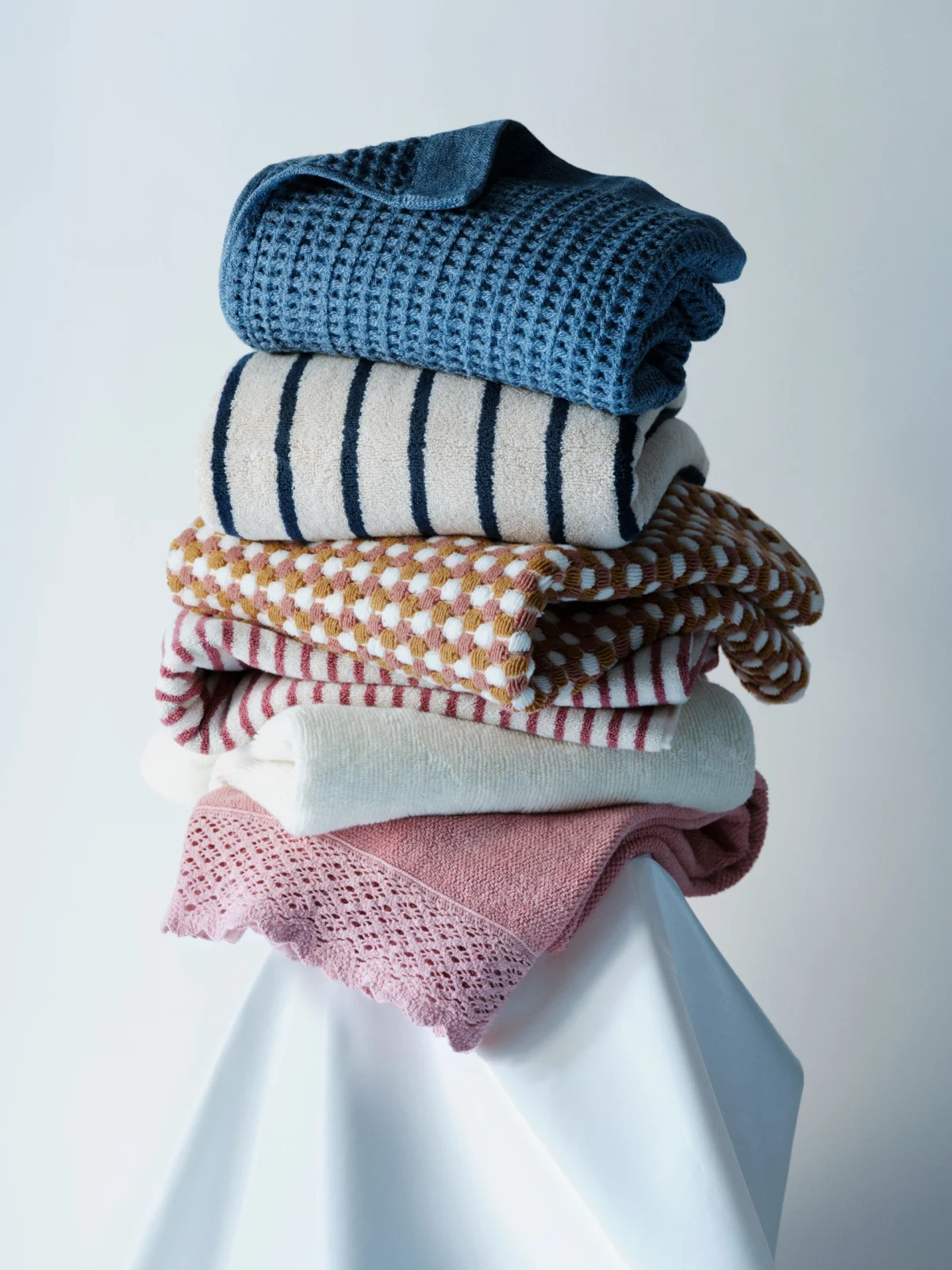
The modern bathroom has transcended its purely utilitarian roots to become a central focus of residential design. As homeowners increasingly prioritize wellness and self-care, the selection of bath textiles—specifically towels—has emerged as a critical component of interior aesthetics and daily functionality. Far from being simple drying tools, high-quality bath towels serve as essential design elements that influence the sensory experience of a home. Achieving the perfect balance between absorbency, durability, and aesthetic appeal requires an understanding of textile science, fabric weight, and the nuances of sustainable manufacturing.
The Evolution of Bath Textile Standards
Historically, bath towels were categorized strictly by utility. However, the market has shifted significantly over the past decade as consumer demand for hotel-quality luxury at home has increased. The contemporary textile market is now dominated by high-end materials such as Aegean Turkish cotton, Supima cotton, and organic fibers that adhere to strict global certifications.
Industry data suggests that the global home textile market, which includes bath linens, is expected to maintain a steady growth trajectory through 2030, driven by an increased emphasis on sustainable, organic, and chemically-safe manufacturing processes. This shift is mirrored by the adoption of certifications such as the Global Organic Textile Standard (GOTS), Fair Trade, and Made Safe, which provide consumers with objective benchmarks for evaluating the ethics and environmental impact of their purchases.
Understanding Technical Specifications: GSM and Weave
For the discerning consumer, navigating the technical jargon of bath linens is essential to making an informed investment. The most critical metric is Grams per Square Meter (GSM), which serves as a proxy for both density and weight.

- 300–400 GSM: These lightweight towels are typically thinner and designed for rapid drying. They are ideal for high-humidity environments or for those who prefer a less cumbersome feel.
- 450–600 GSM: Considered the industry "Goldilocks" zone, these towels provide a balance of softness and absorbency without becoming excessively heavy when saturated.
- 700–900 GSM: Representing the premium segment, these high-density towels offer a plush, spa-like experience. While they provide superior water retention, they also require more substantial drying time and proper ventilation to prevent the growth of mildew.
Beyond weight, the weave construction dictates performance. Terry cloth, the traditional loop-based weave, is optimized for maximum surface area and moisture absorption. Conversely, waffle-weave textiles utilize a grid pattern that creates small pockets to wick away water. Waffle towels have gained significant market share recently due to their superior quick-drying capabilities and minimalist, modern aesthetic.
Leading Market Options and Comparative Analysis
Market analysis indicates that brands like Brooklinen, Matouk, Quince, Parachute, Coyuchi, and Onsen have established themselves as leaders by emphasizing distinct material properties and design philosophies.
Brooklinen has gained prominence through its focus on Turkish cotton, often utilizing high-GSM counts to achieve a plush, opulent feel. Their product line effectively bridges the gap between high-end department store quality and direct-to-consumer accessibility.
Matouk, a legacy brand in the textile space, often focuses on high-end, luxury cotton yarns. Their products frequently feature zero-twist construction, which allows for maximum loft and softness. The tradeoff, as noted by industry reviewers, is that high-loft, zero-twist towels may experience more initial linting—a standard occurrence in high-quality, long-staple cotton textiles as the fibers settle after the first several wash cycles.
Quince has disrupted the market by offering Turkish cotton products at a price point that challenges traditional retail markup structures. Their focus on density and durability—often exceeding 800 GSM—caters to consumers seeking a heavy, substantial towel.

On the innovative end of the spectrum, brands like Onsen and Baina are redefining aesthetics. Onsen’s reliance on Supima waffle weaves offers a structural, highly efficient drying experience that appeals to those who prioritize performance over the traditional, plush terry feel. Baina, meanwhile, treats the towel as a design object, employing reversible jacquard patterns that integrate seamlessly into high-design, midcentury-modern, or contemporary bathroom interiors.
Sustainability and Manufacturing Integrity
The shift toward sustainability is not merely a marketing trend but a response to consumer pressure for transparency. The production of conventional cotton textiles is historically resource-intensive, requiring significant water and, in some cases, heavy pesticide use. Consequently, the rise of organic cotton, which is grown without synthetic fertilizers or genetically modified seeds, has become a hallmark of quality.
Coyuchi serves as a notable case study in this category. By prioritizing certifications like GOTS and Made Safe, the company ensures that its supply chain remains free of harsh chemicals and ethical labor violations. For the consumer, these certifications serve as an assurance that the product is safe for sensitive skin and compliant with international environmental standards.
Maintenance and Longevity: A Proactive Approach
The lifespan of a high-quality bath towel is directly proportional to the care it receives. Textile experts generally advise against the overuse of fabric softeners, which can coat the fibers in a waxy film that reduces absorbency over time.
Recommended maintenance protocols include:

- Washing in cold or lukewarm water to preserve fiber integrity.
- Utilizing a gentle detergent to prevent chemical breakdown of the cotton.
- Avoiding bleach, which can weaken long-staple fibers and cause yellowing.
- Tumble drying on low heat or line-drying to prevent the fibers from becoming brittle.
Following these practices can extend the life of premium towels by years, ensuring that the initial investment remains viable and comfortable.
The Broader Implications of Interior Wellness
The renewed focus on high-quality bath linens reflects a broader societal trend: the "resort-at-home" movement. As professional and personal boundaries continue to blur, the home is increasingly expected to provide restorative experiences. Investing in quality textiles is a low-friction way to elevate the daily routine, turning a mundane act like drying off into a sensory, high-end experience.
Furthermore, the integration of design-forward towels allows for a non-permanent, yet impactful, transformation of a bathroom’s aesthetic. By rotating patterns, textures, or colorways, homeowners can update their space without the need for costly renovations.
Future Outlook and Industry Trajectory
Looking ahead, the bath textile industry is expected to continue integrating smart-textile technology and even more rigorous environmental standards. We are seeing a move toward closed-loop manufacturing, where water and chemical waste are minimized throughout the production cycle. Additionally, as consumers become more educated on the nuances of GSM, material origin, and weaving techniques, the market will likely see an increase in specialized, niche products that cater to specific needs—such as hyper-absorbent hair towels or extra-long bath sheets for enhanced coverage.
Ultimately, the best bath towel is one that aligns with the user’s specific lifestyle requirements—whether that be the need for a quick-drying textile for a busy, minimalist morning routine, or a heavy, plush wrap to provide comfort in a spa-like, meditative environment. By considering the interplay between weight, material composition, and design, consumers can curate a collection of linens that serves both the body and the home’s interior design narrative. As the market for luxury home goods continues to expand, the criteria for "the best" will remain rooted in the enduring combination of material quality, ethical production, and functional excellence.