Ferry Irwandi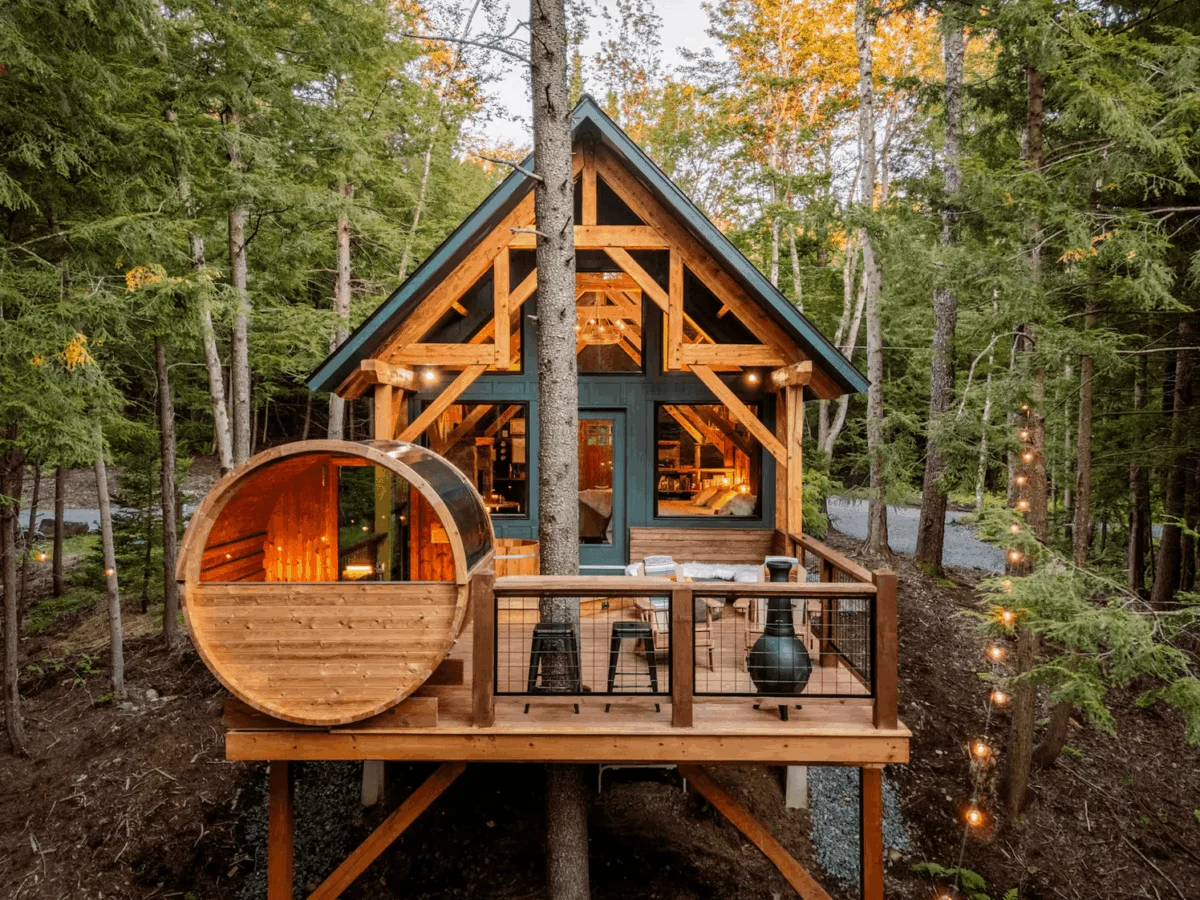
The landscape of hospitality in Vermont is undergoing a significant transformation as travelers increasingly pivot from traditional inns and boutique hotels toward personalized short-term rentals. While the Green Mountain State has long been defined by its historic lodging industry, a new era of travel—defined by a "back-to-the-land" spirit and a desire for architectural diversity—is reshaping the local economy. This shift is particularly evident in the rise of highly curated Airbnbs, which range from restored 19th-century farmhouses to modern treehouses and cedar cabins. As tourism remains a cornerstone of Vermont’s economy, the professionalization of the short-term rental (STR) market is reflecting broader cultural trends, including the romanticization of rural life and the influence of contemporary popular culture on travel patterns.
The Economic Impact of Vermont’s Tourism Sectors
Tourism in Vermont is a multi-billion dollar industry that sustains approximately 10% of the state’s workforce. According to data from the Vermont Department of Tourism and Marketing, the state welcomes over 13 million visitors annually, contributing nearly $3 billion in direct spending. Historically, this revenue was concentrated in the state’s renowned ski resorts and historic village inns. However, the emergence of platforms like Airbnb has redistributed this wealth into more remote, residential areas.
The "Meals and Rooms Tax," a significant revenue generator for the state, has seen a steady increase in contributions from short-term rentals. In the last fiscal year, tax receipts from STRs reached record highs, signaling that the preference for private homes over traditional hotels is not merely a transient trend but a structural shift in consumer behavior. This shift is driven by the seasonal versatility of the state, where summer lake activities, autumn foliage tours, and winter sports create a year-round demand for varied accommodations.
Chronology of Vermont’s Hospitality Transformation
The evolution of Vermont’s lodging market can be categorized into four distinct eras that mirror the state’s socio-economic changes:
1. The Traditional Era (Pre-2010)
During this period, Vermont’s tourism was anchored by "Mom and Pop" bed-and-breakfasts and large-scale ski resorts. Lodging was often standardized, and the "back-to-the-land" experience was reserved for those who owned property or attended summer camps.
2. The Digital Disruption (2010–2019)
The entry of Airbnb and VRBO into the Vermont market allowed homeowners to monetize underutilized spaces. Initially, listings were modest—spare rooms or basic seasonal cabins. However, as the platform grew, a new class of "Superhosts" emerged, focusing on high-end amenities and professional photography to attract a global audience.
3. The Pandemic Pivot (2020–2022)
The COVID-19 pandemic accelerated the demand for rural escapes. Vermont, with its low population density and abundance of outdoor recreation, became a primary destination for "Zoomers"—remote workers seeking long-term rentals. This period saw a surge in the renovation of historic farmhouses and the construction of design-forward retreats as investors sought to capitalize on the "work-from-anywhere" movement.
4. The Cultural Renaissance (2023–Present)
The current era is defined by a convergence of high-design architecture and popular culture. The release of Vermont native Noah Kahan’s album Stick Season in late 2022 provided a cultural soundtrack to the state’s aesthetic, romanticizing the often-overlooked late-autumn period. This has led to a spike in bookings during "shoulder seasons," traditionally the slowest times for Vermont tourism.
The Architectural Diversity of the Short-Term Rental Market
The current inventory of Vermont Airbnbs is characterized by a high degree of specialization, catering to specific traveler personas. These properties are no longer just places to sleep; they are marketed as "destinations" in their own right.
Restored Farmhouses and Historic Preservation
A significant portion of the "Guest Favorite" listings consists of restored 19th-century farmhouses. These properties often retain original features such as wide-plank "creaky" floors, exposed hand-hewn beams, and wood-burning fireplaces. The appeal of these homes lies in their ability to provide an "authentic" Vermont experience, connecting guests to the state’s deep agricultural roots.
Design-Forward Retreats and Modern Minimalism
In contrast to the rustic farmhouse, a new wave of "design-forward" retreats has emerged. Influenced by Scandinavian and Japanese minimalism, these structures often feature floor-to-ceiling glass walls, cedar cladding, and open-concept interiors. These rentals are strategically positioned to maximize "mountain views" and provide a seamless indoor-outdoor living experience, catering to a demographic that values aesthetics and architectural innovation.
Niche Accommodations: Treehouses and Cedar Cabins
Eco-tourism has driven the popularity of unconventional structures. Treehouses suspended among maple trees and cedar cabins hidden deep in the woods offer a sense of seclusion and "off-grid" living, even when they include high-end amenities like Wi-Fi and hot tubs. These properties frequently maintain high occupancy rates due to their novelty and their appeal to the "glamping" market.
The "Noah Kahan Effect" and Popular Culture’s Role
The influence of popular culture on Vermont’s tourism cannot be overstated. The global success of Noah Kahan has brought international attention to the state’s specific brand of rural melancholia and natural beauty. Search data indicates an uptick in queries for "Vermont getaways" and "Stick Season travel" following the album’s viral success on social media platforms.
This cultural phenomenon has benefited Airbnb hosts by extending the viable tourism season. Traditionally, the period between the end of foliage season in October and the start of ski season in December was considered a "dead zone." However, the romanticization of this "stick season"—characterized by bare trees, misty mornings, and cozy indoor atmospheres—has created a new market for travelers seeking a quieter, more introspective experience.
Regulatory Responses and Community Impact
The rapid growth of the STR market has not been without controversy. Local governments and housing advocates have raised concerns regarding the impact of short-term rentals on the long-term housing supply. In response, several Vermont municipalities have implemented or are considering new regulations:
- Registration Requirements: Many towns now require STR owners to register their properties and undergo health and safety inspections.
- Taxation: The state has clarified that STRs are subject to the 9% Meals and Rooms Tax, ensuring that these rentals contribute to the state’s General Fund and Education Fund.
- Zoning Restrictions: Some areas are exploring limits on the number of STRs allowed in residential zones to prevent "touristification" and preserve community character.
In a statement regarding the balance of tourism and housing, state officials noted that while STRs provide essential income for many Vermonters and support the tourism economy, a "balanced approach" is necessary to ensure that local residents are not priced out of their own communities.
Data-Driven Insights: What Makes a Vermont Airbnb Successful?
An analysis of top-rated Vermont listings reveals several common denominators that contribute to "Superhost" and "Guest Favorite" status:
- Location Synergy: Proximity to hiking trails, swimming holes, or major ski resorts like Stowe, Killington, and Stratton remains a primary driver of bookings.
- Curated Amenities: High-performing rentals often include specific "Vermont" touches, such as locally sourced coffee, high-quality outdoor gear (sleds, snowshoes), and well-maintained fire pits.
- Authentic Storytelling: Successful hosts often lean into the history of their property, providing guests with a narrative about the home’s origin or the surrounding land.
- Seasonal Adaptability: Properties that offer air conditioning for humid summer months and robust heating/insulation for winter maintain higher year-round ratings.
Broader Implications for the New England Travel Industry
The shift toward specialized Airbnbs in Vermont is indicative of a broader trend across New England. Travelers are increasingly seeking "slow travel" experiences that prioritize privacy, nature, and unique architecture over the standardized luxury of traditional hotel chains. This trend is forcing the traditional hospitality sector to adapt, with many older inns undergoing renovations to incorporate "Airbnb-style" amenities and more personalized service.
As Vermont continues to navigate its role as a premier destination for domestic and international travelers, the short-term rental market will likely remain a central, albeit debated, component of its identity. The state’s ability to blend its historic charm with modern hospitality demands will determine its economic resilience in an increasingly competitive global travel market. For now, the "sweet, sprawling oases" found in Vermont’s woods and valleys represent the current pinnacle of the New England travel experience, offering a glimpse into a lifestyle that is both deeply rooted in the past and carefully designed for the future.