Ferry Irwandi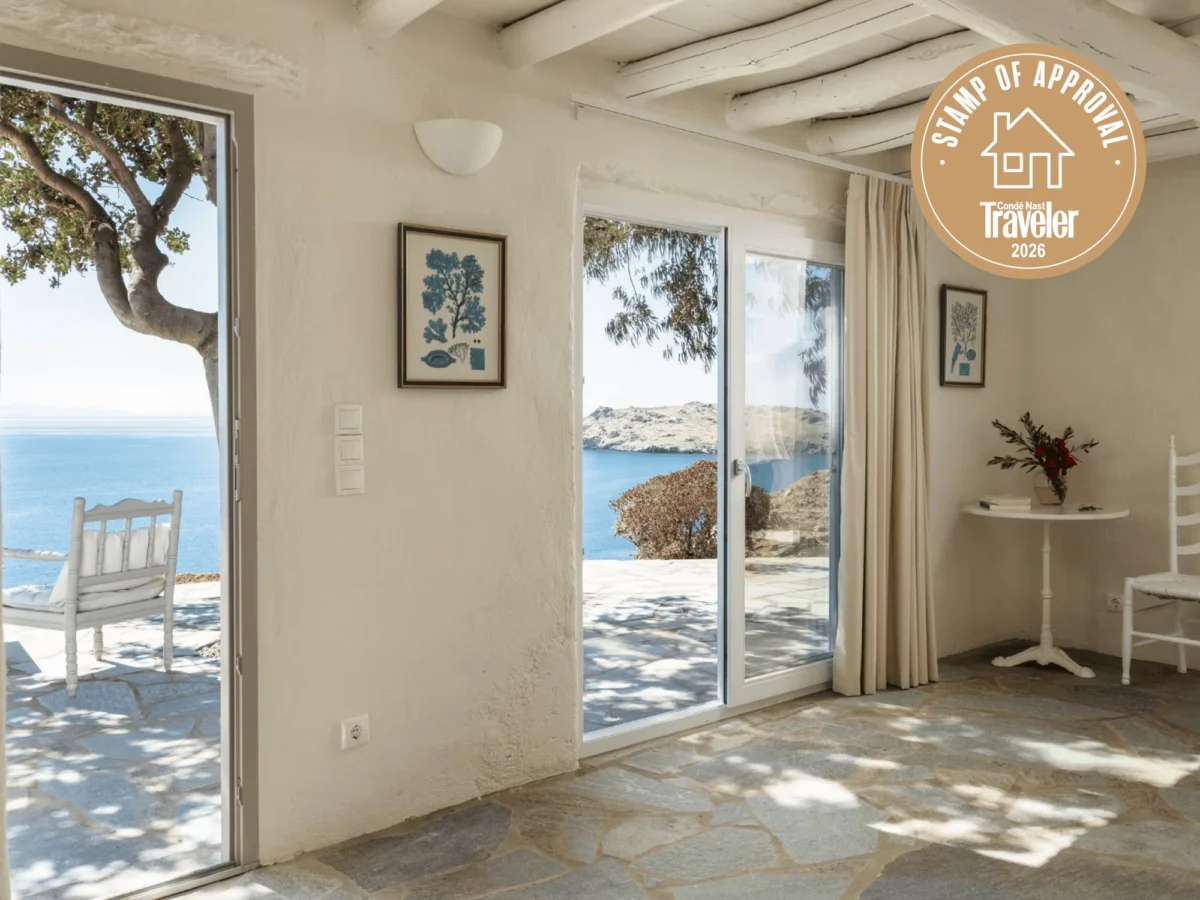
The Unseen Cyclades: A Comprehensive Guide to Andros as a Model for Authentic Greek Tourism represents a shift in the contemporary travel landscape, where discerning voyagers are increasingly bypassing the high-traffic hubs of Mykonos and Santorini in favor of the rugged, authentic charm of the northernmost Cycladic island. Located just an hour from the port of Rafina by ferry, Andros offers a distinct topographical and cultural alternative to its more arid neighbors. Unlike the scorched-earth aesthetics typically associated with the Aegean, Andros is characterized by lush greenery, mountainous terrain, and an abundance of natural springs. This unique environment has fostered a tourism model centered on privacy, architectural minimalism, and a deep connection to the island’s agricultural and maritime heritage. Central to this experience is the emergence of high-end, secluded rentals that emphasize "slow travel" and the "Blue Mind" philosophy, which posits that proximity to water significantly enhances psychological well-being.
The Strategic Positioning of Andros in the Greek Archipelago
Andros occupies a unique geographical position as the second-largest island in the Cyclades. Its proximity to Athens makes it a convenient destination for domestic travelers, which has historically insulated the island from the more extreme effects of international mass tourism. While islands like Mykonos have seen property prices and visitor density skyrocket, Andros has maintained a steady, manageable growth rate. According to data from the Hellenic Statistical Authority (ELSTAT), the Cyclades region continues to lead Greece in tourism revenue, but a growing percentage of visitors are seeking "underrated" destinations that offer a more localized experience.
The island’s infrastructure is designed for those with a degree of "traveler’s verve." Navigating the island requires a rental vehicle, often a 4×4, to traverse the winding, rocky, and cliffside roads that lead to its most secluded gems. Companies like Escape in Andros have seen an uptick in demand for rugged vehicles as tourists seek out the island’s far-off, unspoiled beaches. This barrier to entry—the physical difficulty of reaching certain locations—acts as a natural filter, preserving the tranquility of sites like Achla Beach and the Kalamaki settlement.
Architectural Minimalism and the Rise of Hilltop Hideaways
A core component of the Andros appeal is its architectural integration with the landscape. The rise of high-end Airbnb properties, such as the hilltop hideaways in the Kalamaki region, showcases a departure from "try-hard" bohemian aesthetics in favor of authentic Cycladic minimalism. These properties often feature whitewashed walls, stone-tiled floors, and the strategic use of local flora, such as carob trees, to provide natural shade.
Host Dimitris, a prominent figure in the local rental market, exemplifies this trend by offering properties that prioritize the "sublime" view of the Aegean over excessive interior decoration. His "Cycladic oasis" model features self-contained bedrooms with en-suite bathrooms, designed to facilitate an indoor-outdoor lifestyle. This architectural approach aligns with modern luxury trends that value space, light, and silence over material opulence. The inclusion of outdoor kitchens—complete with brick ovens and hot plates—allows guests to engage directly with local produce, further cementing the connection between the visitor and the land.

The Chronology of an Authentic Andros Itinerary
The typical progression of a high-end stay on Andros reflects a deliberate slowing of pace. The journey begins at the port of Gavrio, a bustling hub where visitors can procure local staples such as sesame bread, Greek yogurt, and seasonal fruits like apricots. From Gavrio, the transition to the island’s more remote settlements, such as Kalamaki, involves a rigorous drive that serves as a psychological palate cleanser, distancing the traveler from the metropolitan bustle of Athens.
Phase 1: Immersion and Local Integration
The initial days of an Andros residency are often spent within the confines of the property. This phase is characterized by the "Blue Mind" experience—waking to the sight of the Aegean and the sound of cicadas. Guests are encouraged to forage from on-site gardens, picking fresh tomatoes and herbs to supplement their meals. This "garden-to-table" lifestyle is a cornerstone of the island’s appeal, offering a sensory engagement that traditional hotels cannot replicate.
Phase 2: Exploration of Unspoiled Coasts
Mid-stay, the focus typically shifts to the island’s more inaccessible beaches. Achla Beach, widely considered one of the most beautiful in Greece, requires a steep, rocky descent. The reward is a pristine cove where the fresh water of a nearby river meets the sea, creating a unique ecosystem that often hosts unexpected wildlife, such as swans. These locations remain "unspoilt" precisely because they are difficult to reach, a fact that travel analysts suggest is becoming a primary luxury indicator.
Phase 3: Cultural and Urban Engagement
The final phase of an Andros itinerary usually involves a visit to Chora, the island’s capital. Unlike the whitewashed villages of other Cycladic islands, Chora is a marble-lined city that reflects the wealth of its ship-owning families. It is home to the Museum of Contemporary Art and the iconic Tourlitis Lighthouse, which sits on a spire of rock in the sea. Dining at establishments like Aegean Balcony allows travelers to experience "casual magnificence"—high-quality local cuisine, such as souvlaki, served against a backdrop of the western coastline’s dramatic sunsets.
Scientific Perspectives: The Blue Mind Theory and Wellness Tourism
The psychological impact of the Andros landscape is often explained through the "Blue Mind Theory," a term popularized by marine biologist Wallace J. Nichols. The theory suggests that being near, in, on, or under water can provide a long-term boost to happiness and health. The semi-private beaches of Andros, characterized by calm waters and marble-esque rocks, provide a controlled environment for this cognitive reset.
Travelers staying at hilltop properties report that even mundane activities—such as taking a phone call or stepping out of the shower—become romanticized when performed in view of the Aegean. The presence of marine life, including occasional dolphin sightings from bedroom windows, reinforces the sense of being part of a thriving, healthy ecosystem. This wellness aspect is a significant driver for the "luxury rental" sector, as guests are willing to pay a premium for environments that actively reduce cortisol levels and promote mental clarity.

Economic Analysis: Overtourism vs. Sustainable Development
Andros serves as a critical case study in the fight against overtourism. While Mykonos and Santorini have faced criticism for environmental degradation and the displacement of locals, Andros has maintained a balance. The island is populated by more Greek tourists than international ones, ensuring that the local economy remains rooted in traditional hospitality rather than being entirely dictated by global trends.
Supporting data suggests that the "underrated" status of an island can be its greatest economic asset. By avoiding the "Disneyfication" of its villages, Andros attracts a demographic that stays longer and spends more on local services, such as private housekeepers like Chara, who provide daily maintenance for high-end rentals. This creates a sustainable economic cycle where the benefits of tourism are distributed among the local workforce rather than being siphoned off by international hotel chains.
Cultural Heritage: Chora and the Maritime Legacy
The historical context of Andros is inextricably linked to the sea. During the 19th and early 20th centuries, Andros was a powerhouse of Greek shipping. This maritime wealth is visible in the neoclassical mansions of Chora and the philanthropic contributions of families like the Goulandris and Embirikos. This legacy provides a layer of cultural depth that is often missing from purely resort-driven islands.
The Tourlitis Lighthouse, reconstructed after being destroyed in World War II, stands as a symbol of the island’s resilience and its enduring connection to the Aegean. For the modern traveler, these landmarks provide a narrative framework for their stay, transforming a simple vacation into a journey through Greek history.
Broader Impact and Implications for the Future of Travel
The growing popularity of Andros reflects a broader trend in the travel industry toward authenticity and "friction-maxxing"—the idea that the effort required to reach a destination increases its perceived value. As travelers become more aware of the environmental and social impacts of their choices, islands that offer a balance of rugged nature, high-end private accommodations, and genuine local culture will likely see continued growth.
In conclusion, Andros offers a blueprint for the future of Mediterranean tourism. By leaning into its "underrated" status, the island has preserved the very qualities that make it desirable: its green mountains, its difficult roads, and its "casual magnificence." For those willing to navigate its cliffs and rocky paths, Andros provides a rare opportunity to experience the Aegean not as a crowded spectacle, but as a silent, restorative expanse of blue. The success of hosts like Dimitris and the enduring charm of towns like Chora suggest that the most memorable travel experiences are those that require a bit of effort to find and a lot of heart to leave.