
 Ferry Irwandi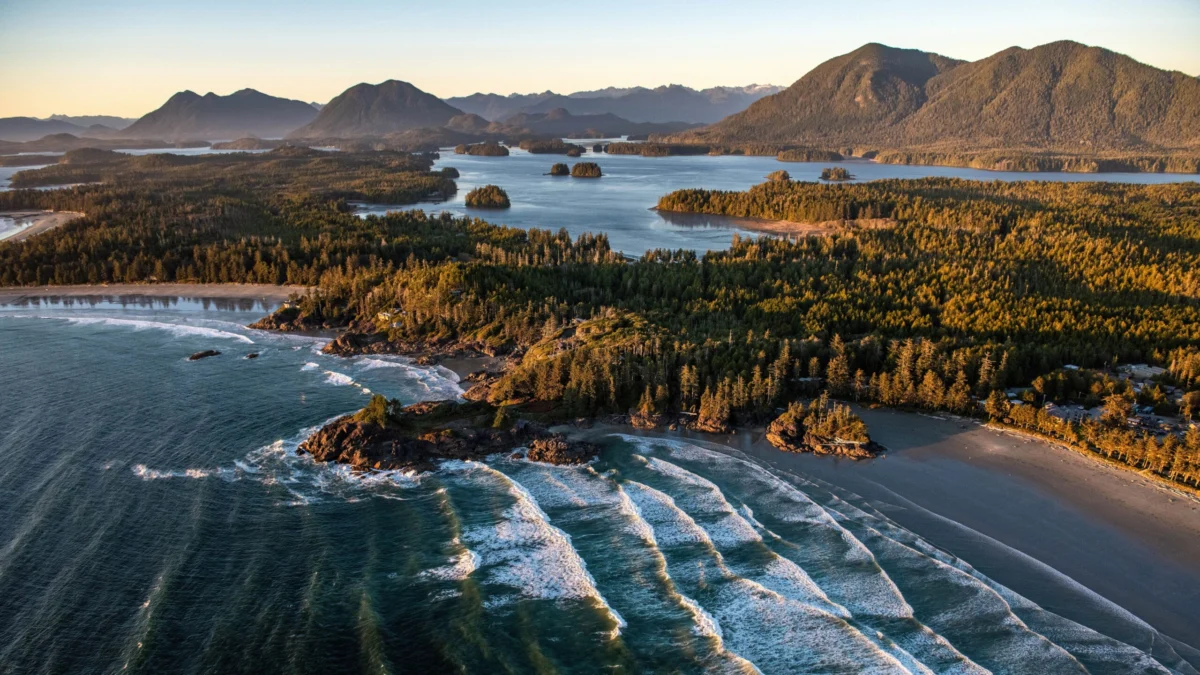
Vancouver Island is undergoing a profound evolution in travel, shifting from a destination sought strictly for rugged adrenaline sports to a premier corridor for holistic health and nature-infused wellness. This burgeoning sector, often characterized by industry experts as a spa safari, merges high-end hydrotherapy, ancient ecological preservation, and deep-rooted Indigenous stewardship. Spanning hundreds of kilometers from the urban harbor of Victoria to the remote, glacier-carved fjords of Clayoquot Sound, the island offers a unique convergence of sybaritic comfort and untamed wilderness that is reshaping modern wellness tourism in the Pacific Northwest.
Main Facts and the Regional Wellness Landscape

The modern wellness movement on Vancouver Island is built on a dual identity of exhilaration and deep restoration. While the island’s west coast has long attracted surfers, hikers, and eco-tourists to its fathomless forests and dramatic coastlines, a parallel infrastructure of specialized hydrotherapy and thermal bathing has matured significantly over the past decade.
According to regional tourism data from Destination Greater Victoria and Tourism Tofino, eco-conscious wellness travel has seen a steady rise in visitor demand, driven by travelers seeking low-impact, high-immersion experiences. Rather than traditional enclosed urban spas, the island’s wellness offerings leverage the natural topography—utilizing geothermal activity, ocean water, native kelp species, and old-growth forest canopies to create therapeutic environments. This movement bridges the gap between luxury hospitality and ecological engagement, offering visitors an osmotic experience where the natural elements are central to the healing process.
Chronology of the Wellness Corridor
-%2520credit%2520to%2520HAVN%2520saunas.jpg)
The journey through Vancouver Island’s wellness safari follows a distinct geographic and chronological path from south to north, mapping the evolution of hydrotherapy in the region.
Starting in the provincial capital of Victoria, the wellness circuit begins at modern marine installations such as HAVN, a floating sauna experience constructed on a refurbished naval barge moored in the city’s active harbor. Opened to meet the growing demand for urban thermal bathing culture, HAVN introduces visitors to contrast therapy—cycling between wood-fired saunas, cold plunge pools, and magnesium-infused salt scrubs—against a backdrop of passing float planes and maritime traffic.
Traveling northeast for a few hours brings visitors to the east shore of the island near Comox and Courtenay, home to the Kingfisher Pacific Resort & Spa. For two decades, the resort has anchored the regional wellness economy, evolving from a traditional coastal hotel into a hydrotherapy landmark. In late 2024, the property expanded its infrastructure by unveiling its Healing Caves—a subterranean circuit featuring multi-sensory chambers, a plumeria-scented steam room, a pink salt cave, a cryotherapy room with LED arctic projections, and a simulated storm pool complete with wind, rain, and lightning effects.

Further west, past the towering ancient cedars of Cathedral Grove and the Taylor River, the route reaches Tofino and Clayoquot Sound. Here, wellness takes an off-grid, deeply elemental form. Establishments such as the Moon Jelly Bathhouse, constructed by marine builder Mike Mavis, utilize wood-fired tubs filled with local kelp species. This practice adapts traditional Celtic seaweed bathing methods to the Pacific Ocean ecosystem, infusing the water with marine minerals like iodine, magnesium, and potassium.
The journey culminates in some of the most remote territories of the island, including Hot Springs Cove within Maquinna Marine Provincial Park—locally known as muxʷłiʔa, or "steaming from rock"—and the ultra-remote Clayoquot Wilderness Lodge, accessible solely by floatplane or boat. At these frontier locations, the distinction between high-adventure wilderness expeditions and restorative spa therapy entirely dissolves.
Supporting Data and Ecological Context

The success and authenticity of Vancouver Island’s spa safari are inextricably linked to the region’s strict environmental protections and the stewardship of its First Nations. The territory surrounding Clayoquot Sound is the ancestral home of the Nuu-chah-nulth, a collective of 14 First Nations whose name translates to "all along the mountains and sea." The Nuu-chah-nulth have inhabited these coastal rainforests for over five thousand years.
The ecological integrity that underpins the region’s wellness appeal is the result of decades of organized environmental protection. In the 1980s, the Nuu-chah-nulth secured a crucial legal injunction to protect 2,000-year-old cedar trees from commercial logging. This momentum culminated in the 1990s during the War for the Woods, recognized as one of Canada’s largest civil protests against industrial clear-cutting. Today, these communities manage Indigenous Guardian initiatives, ensuring that the ancient hemlock forests, resident orca pods, black bears, and pristine coves remain protected for future generations. This ongoing conservation provides the pristine backdrop necessary for authentic nature-based therapy.
Statements and Industry Perspectives

Hospitality leaders and wellness practitioners emphasize that the therapeutic value of Vancouver Island lies in its ability to disconnect visitors from modern psychological stressors through complete environmental immersion.
Bodyworkers and therapists operating within the region’s remote lodges note that physical treatments are merely a gateway to deeper mental decompression. Senior bodywork practitioners at wilderness properties frequently observe that guests arrive conditioned by urban habits of hyper-vigilance, requiring physical fascial release to mirror the natural stillness of the surrounding old-growth ecosystem.
Furthermore, local nature guides and forest therapy practitioners—such as certified guides operating near Courtenay, Comox, and Nanaimo—stress that wellness here is participatory rather than passive. Activities like forest bathing, tidal foraging, and cold-water immersion encourage participants to re-establish a reciprocal relationship with the natural world, moving beyond standard spa pampering toward a broader ecological mindfulness.

Broader Impact and Economic Implications
The rapid growth of the spa safari sector on Vancouver Island carries significant economic and operational implications for British Columbia’s tourism industry. By diversifying offerings beyond traditional summer wildlife viewing and autumn storm-watching, hospitality operators have successfully extended the tourism shoulder season. Thermal facilities, floating saunas, and indoor-outdoor hydrotherapy circuits allow resorts to market the island as a year-round destination, maintaining steady visitation through moody and rain-heavy winter months.
At the same time, this expansion underscores the delicate balance required between commercial tourism development and ecological preservation. As remote floating bathhouses, geothermal boardwalks, and luxury wilderness lodges see increased global attention, regional stakeholders face the ongoing challenge of maintaining ecological carrying capacities. The active involvement of First Nations in land and marine stewardship remains critical to ensuring that the commercialization of wellness does not compromise the very natural assets that draw visitors to the Pacific rim.

Ultimately, Vancouver Island’s wellness corridor demonstrates a modern shift in travel preferences. By anchoring luxury hydrotherapy in deep ecological history, Indigenous land stewardship, and untamed coastal geography, the island offers a blueprint for sustainable, immersive wellness travel that benefits both the visitor and the ecosystem.








