
 Johny Marice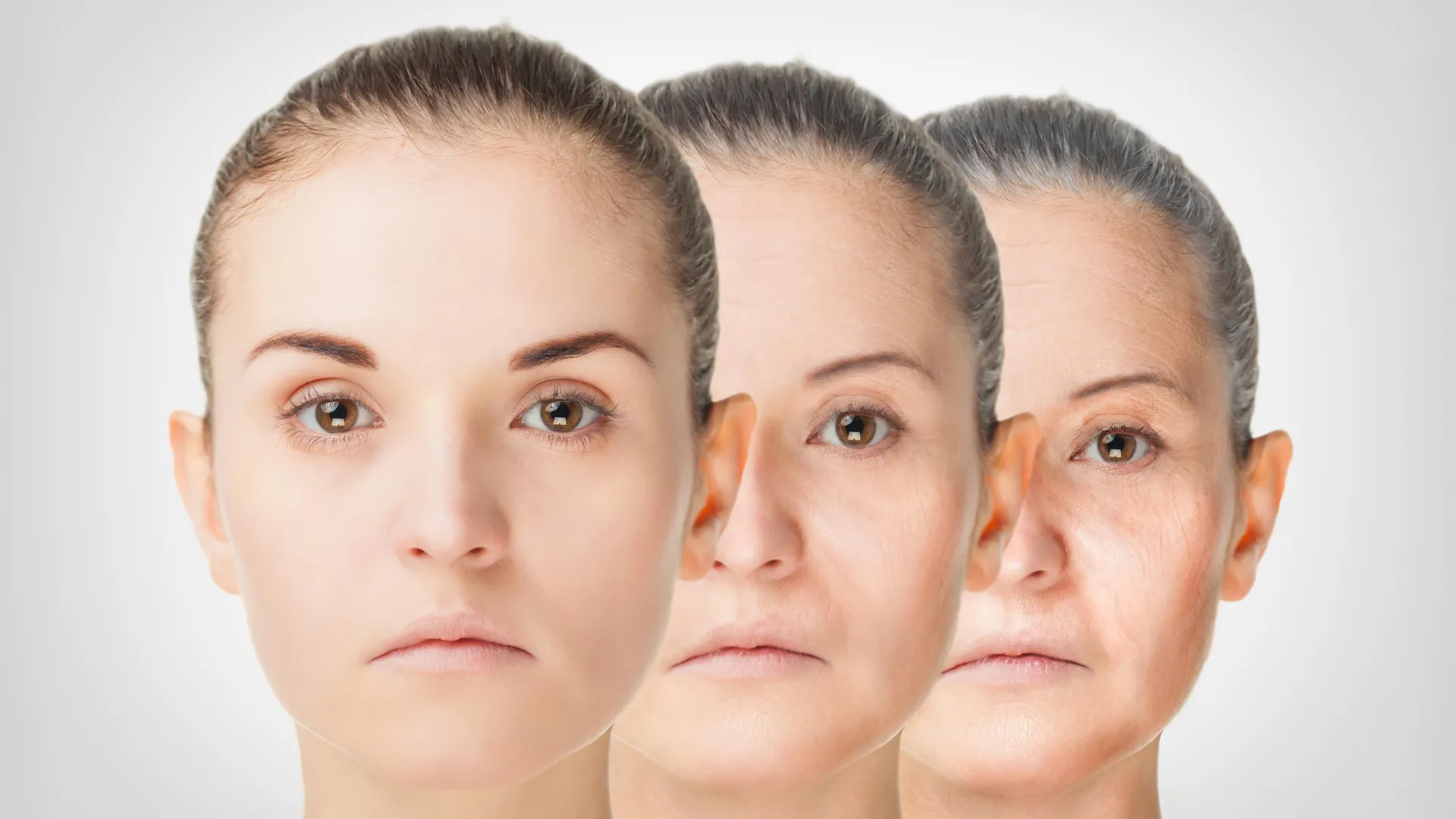
For decades, the scientific community has viewed aging as a slow, inevitable accumulation of cellular damage across the body’s disparate systems—a gradual wearing out of tissues, organs, and physiological functions. However, a series of breakthrough studies beginning in 2023 has challenged this paradigm, suggesting that the "master switch" for systemic aging may reside within the hypothalamus, a small but critical region at the base of the brain. Central to this new understanding is a protein known as Menin, which researchers have identified as a vital regulator of brain chemistry, inflammation, and overall longevity.
The Menin Discovery: A New Perspective on Biological Decline
The investigation into Menin began with a team of researchers led by Lige Leng at Xiamen University in China. Their findings, published in the journal PLOS Biology in March 2023, established a compelling link between the loss of Menin and the manifestation of age-related physical and cognitive decline. The researchers observed that as mice aged, Menin levels significantly diminished specifically within hypothalamic neurons.
When the scientists used genetic tools to artificially lower Menin levels in young, healthy mice, the results were striking: the animals began to exhibit classic signs of accelerated aging, including thinning skin, reduced bone mass, chronic neuroinflammation, and impaired cognitive function. Crucially, these mice also experienced a reduction in their overall lifespan. This suggested that Menin is not merely a marker of youth but an active guardian against the physiological degradation typically associated with old age.
Chronology of Breakthroughs: Mapping the Hypothalamic Connection
The identification of Menin as a key player in aging served as a catalyst for a surge in research focused on the brain’s role in systemic aging. Following the 2023 discovery, the scientific timeline of this field expanded rapidly:
- March 2023: The landmark PLOS Biology study is published, proving that restoring Menin in the ventromedial hypothalamus (VMH) of 20-month-old mice reverses skin thinning, bone density loss, and memory impairment within 30 days.
- Early 2024: Research in Cell Metabolism identifies a distinct hypothalamic circuit communicating with adipose tissue, demonstrating that signals from the brain can dictate metabolic health and physical activity levels in aging mice.
- Mid-2024: The Journal of Physiology and Biochemistry releases evidence that Menin provides direct neuroprotective benefits, shielding hippocampal cells from stress-induced programmed cell death.
- January 2025: A massive genomic analysis of 1.2 million mouse brain cells published in Nature confirms that the region surrounding the third ventricle—a hub within the hypothalamus—is the most sensitive site for age-related gene expression changes, specifically those related to inflammation.
- 2026: Two separate studies published in Cell and Cell Metabolism demonstrate that reinforcing circadian rhythms and optimizing protein signaling between skeletal muscles and the hypothalamus can significantly extend the lifespan of laboratory mice.
The Role of D-Serine in Cognitive Preservation
One of the most intriguing findings from the original Menin study was the downstream effect on D-serine, a naturally occurring amino acid that acts as a vital neurotransmitter. D-serine is essential for the activation of NMDA receptors, which are the primary gatekeepers for synaptic plasticity—the brain’s ability to form new memories and learn.
The research established that Menin regulates the production of PHGDH, an enzyme required to synthesize D-serine. When Menin levels drop, the brain experiences a "serine deficiency," leading to the cognitive deficits often seen in aging. In a follow-up experiment, researchers provided older mice with D-serine supplements in their drinking water. Remarkably, the mice showed significant improvements in learning and memory tasks within just three weeks.
However, scientists caution that these results require nuanced interpretation. While D-serine restored cognitive acuity, it did not resolve the physical markers of aging, such as bone density loss or skin degradation. This implies that while Menin is a broad-spectrum regulator affecting multiple systems, D-serine is a specific mediator of cognitive health.
Scientific Skepticism and the Challenge of Translation
Despite the excitement surrounding these findings, the path to human application is fraught with biological complexity. A central concern is the consistency of results across different experimental models. For instance, a 2025 study in Cellular and Molecular Life Sciences highlighted that in models of Alzheimer’s disease, an excess of D-serine—rather than a deficiency—was actually linked to pathological signaling. This suggests that the optimal level of D-serine is highly dependent on the baseline state of the brain.
Furthermore, a small 2016 randomized clinical trial involving 50 healthy older adults yielded mixed results. While some participants showed improvement in spatial learning, there was no uniform cognitive or mood-related benefit across the cohort. Researchers emphasize that these "brain-first" aging interventions are still in their infancy. Questions remain regarding long-term safety, particularly concerning the impact of high-dose amino acid supplementation on kidney function, and whether the Menin-D-serine pathway functions identically in the human brain.
Broader Implications for Gerontology
The cumulative data from the last three years suggests a paradigm shift in how aging is perceived. Instead of viewing the body as a collection of independent systems slowly failing in isolation, scientists are increasingly viewing the hypothalamus as a "central processing unit" that coordinates the aging of distal organs, such as skin, bone, and muscle.
If aging is indeed a regulated process directed by the brain, it potentially transforms from an inevitable outcome into a manageable biological condition. Dr. Lige Leng has noted that the decline of Menin expression could be a fundamental "driving factor" of the aging process, acting as a bridge between genetic predispositions, inflammatory markers, and metabolic failures.
Future Directions and Ethical Considerations
The research into Menin and hypothalamic signaling opens doors to a new class of potential therapeutics. If the signaling pathways between the brain and peripheral organs can be recalibrated, the future of geriatric medicine might involve "neuromodulatory" approaches to aging rather than merely treating individual symptoms of decline.
However, the medical community remains cautious. The leap from mouse models to human longevity is significant, and the risks of systemic manipulation are not yet fully understood. Potential therapies that target hypothalamic pathways must account for the brain’s delicate homeostatic balance, where even small disruptions can lead to significant side effects in metabolism, sleep, and hormonal regulation.
As researchers move toward more complex models and eventually larger clinical studies, the primary goal remains to isolate which signals are truly "drivers" of aging and which are merely symptoms. The discovery of the Menin pathway provides a clear target for such investigation, offering the most compelling evidence to date that our biological clocks may be subject to intervention from within the brain itself. Whether this knowledge will eventually lead to pharmaceutical interventions that extend the human "healthspan"—the number of years spent in good health—remains the subject of intense ongoing inquiry. For now, the scientific community treats these findings as a foundational map for a new territory of medical research, one that promises to rewrite our understanding of the human lifespan.









