Ferry Irwandi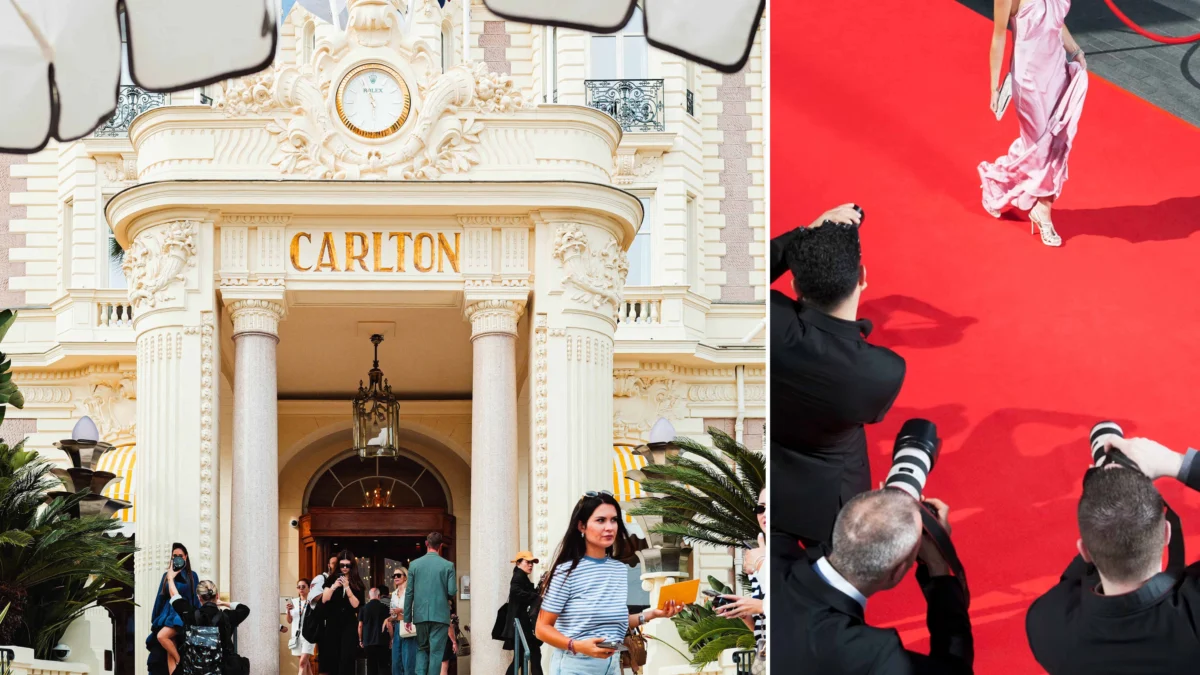
The 79th annual Cannes Film Festival commenced this week under a clearing sky, as the traditional Mediterranean sun finally broke through storm clouds to illuminate La Croisette. This iconic waterfront promenade, defined by its palm-studded boardwalk and Belle Époque architecture, serves as the primary artery for the world’s most prestigious cinematic event. At the heart of this activity stands the Carlton Cannes, a Regent Hotel, an establishment that does not merely house the festival’s most prominent figures but serves as a critical operational hub for the event’s complex logistics. As the site of the very first Cannes Film Festival in 1946, the Carlton maintains a legacy that transcends traditional hospitality, functioning as a high-stakes production environment where the schedules of A-list talent, studio executives, and global media are managed with military precision.
The Historical Anchor: From 1946 to the Present
To understand the Carlton’s role in the contemporary festival, one must look to its historical significance. In the immediate aftermath of World War II, the French government sought to create a cultural event that would rival the Venice Film Festival. The Carlton Cannes was selected as the venue for the inaugural 1946 edition, hosting the first screenings and social gatherings that would eventually evolve into the global juggernaut the festival is today.
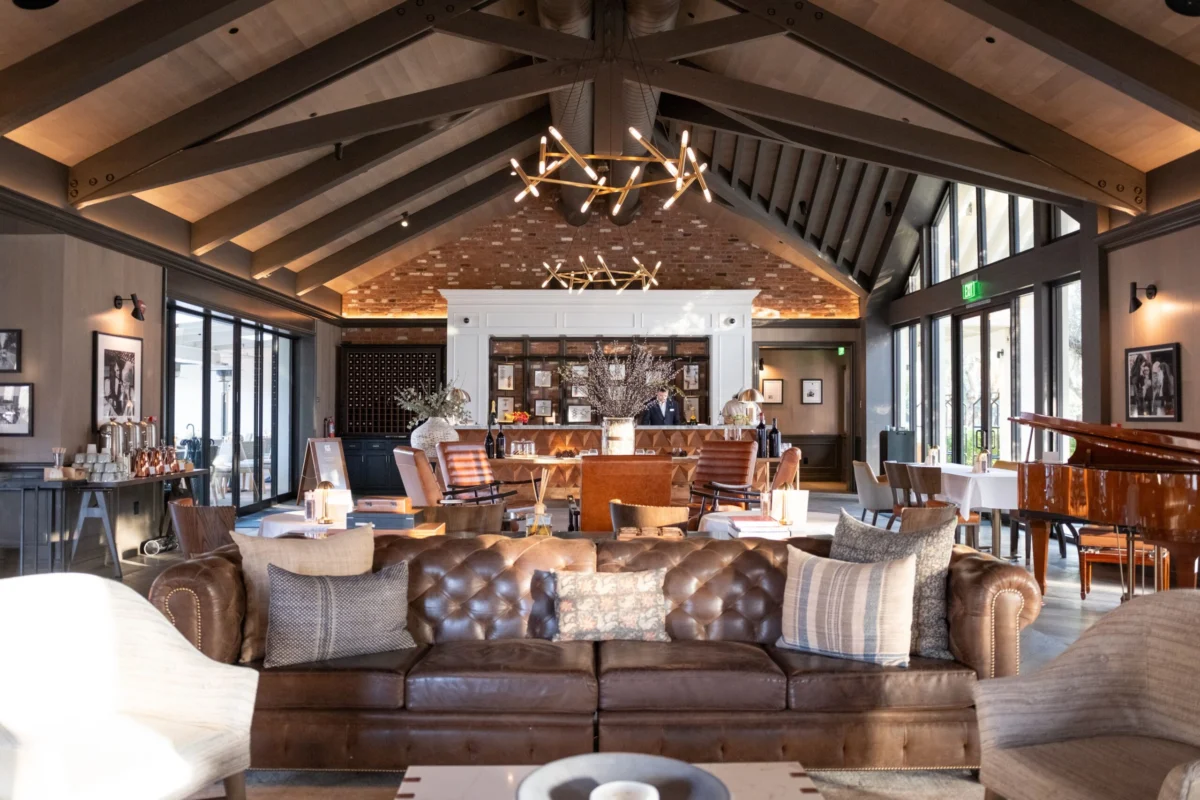
Over the decades, the hotel has transitioned from a simple host to a "supporting cast member" in the festival’s narrative. Its grand suites have been the backdrop for legendary deal-making and its terrace the site of countless historical photographs. Today, the hotel undergoes a total transformation for the two-week duration of the festival. Standard guest services are replaced by a specialized operation designed to cater exclusively to the film industry, including bankers from JP Morgan, studio principals, and the world’s most recognizable actors.

Monday: The Orchestration of Pre-Festival Logistics
The 48 hours leading up to the opening ceremony are characterized by intense physical and logistical preparation. On the Monday prior to the festival’s start, the Carlton was a hive of activity. Maintenance crews worked in tandem with floral designers and hospitality specialists to ensure the property met the exacting standards of the incoming VIPs. Window cleaners scaled the ornate stonework while champagne trolleys and high-end beauty products were distributed to the upper floors.
A key feature of the Carlton’s festival strategy is the suspension of "regular" guest bookings. During these two weeks, every individual on the property is connected to the film industry. This exclusivity allows the hotel to implement security and privacy measures that would be impossible under normal circumstances. High-profile guests frequently arrive under pseudonyms or studio accounts, bypass the lobby entirely, and are escorted directly to their suites via secure routes.
Maxime Nerkowski, the head concierge at the Carlton, describes the period as a "military operation." On the eve of the festival, Nerkowski manages dozens of active communication channels—primarily through encrypted messaging apps—to coordinate the idiosyncratic requirements of his guests. These tasks range from sourcing rare luxury items to managing the precise timing of arrivals and departures that prevent logistical bottlenecks on the driveway.
The Invisible Architecture: Bespoke Hospitality for the Elite
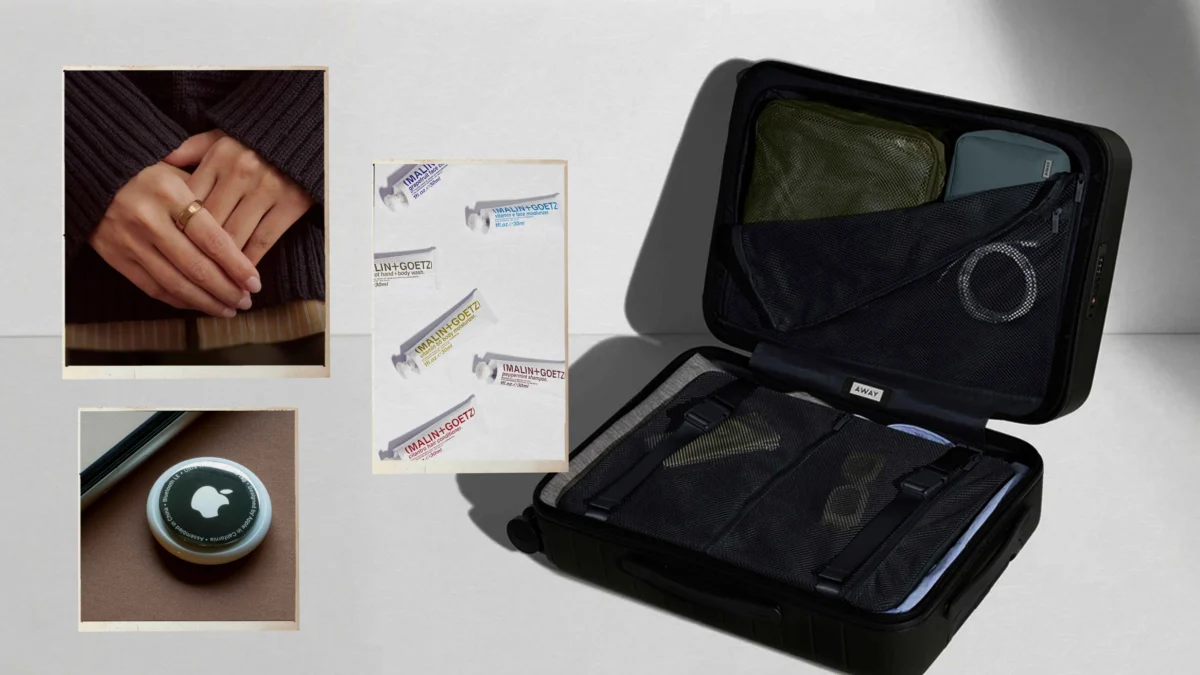
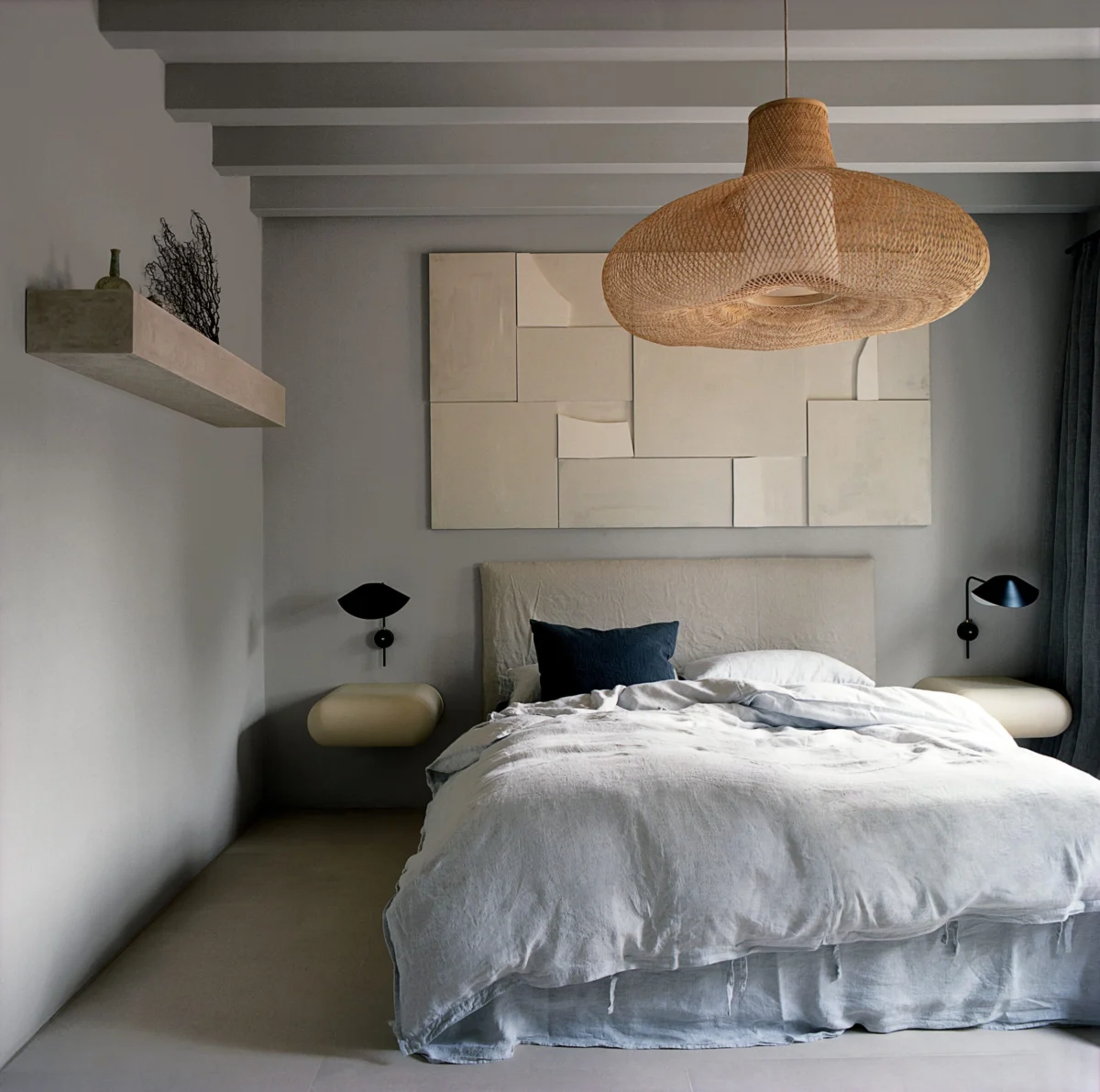
The Director of Rooms at the Carlton leads a team that conducts extensive research on VIP guests long before they land at the Nice Côte d’Azur Airport. This preparation involves personalizing suites with framed family photographs, preferred skincare brands, and specific room configurations. The objective is to eliminate the need for guests to make requests, allowing them to focus entirely on the business of the festival.

Unlike traditional luxury stays where the goal is relaxation, the Cannes Film Festival is a grueling professional marathon. "Nobody here is on vacation," the hotel’s management noted. The environment is one of high-frequency turnover; an A-list actor may occupy a suite for 48 hours for a premiere and press junket before checking out to make room for the next principal. This necessitates a "reset" protocol that can transform a suite in a matter of hours, maintaining a seamless standard of luxury despite the rapid pace.
Tuesday: The Transition from Preparation to High-Stakes Production
By Tuesday afternoon, the atmosphere at the Carlton shifted from preparation to execution. The hotel effectively became a multi-floor production studio. In the suites overlooking the Bay of Cannes, celebrity photographers such as Julian Ungano conducted shoots with actors like Frida Gustavsson and Maika Monroe, utilizing the natural Mediterranean light that has become a hallmark of Cannes photography.
Simultaneously, the hotel’s ground-floor amenities and beach club served as networking epicenters. A luncheon hosted by IHG Hotels & Resorts and Vanity Fair at the Carlton Beach Club exemplified the "baseline conversation" of Cannes. Actors like Lucas Bravo and Alex Pettyfer moved between tables where news of future projects—such as upcoming seasons of The White Lotus—was exchanged with the casualness of routine business.
However, the glamour of the beach club is underpinned by rigorous operational management. When a sudden Mediterranean wind threatened the outdoor setup, staff were forced into "full improvisation mode," securing furniture and linens to maintain the aesthetic integrity of the event without disrupting the flow of conversation among the high-profile attendees.

The Red Carpet Pipeline: A Precision Valet Operation
The most critical logistical challenge of the opening day is the "Red Carpet Pipeline." The entrance of the Carlton is a focal point for thousands of fans and paparazzi who line the barriers of the Croisette. To manage this, the hotel employs a "minor army" of valet and security personnel.
Each guest is assigned a dedicated car slot. Because the Palais des Festivals—the main venue—operates on a rigid broadcast schedule, a delay of even two minutes at the hotel entrance can result in a guest missing their allocated arrival time on the red carpet. Missing a slot can have significant professional consequences, potentially excluding talent from the televised ascent of the Palais staircase. This pressure makes the concierge’s coordination efforts the backbone of the festival’s public-facing spectacle.
Tuesday Night: The Lockdown and the Opening Ceremony
Hours before the opening ceremony, the Carlton entered a state of "lockdown." The lobby became a high-pressure environment where talent, including Kelly Rutherford and Demi Moore, navigated a gauntlet of flashbulbs and publicists. The sensory experience was one of extreme contrast: the frantic energy of the lobby, the sharp click of heels on marble, and the urgency of studio executives, followed by the "extraordinary quiet" of the soundproofed rooms above.
Security during this period is not merely a matter of personal safety but of asset protection. For instance, when high-value jewelry is loaned to actors by brands like Cartier, security guards are often permanently assigned to the individual for the duration of the evening. This level of oversight ensures that the millions of dollars in assets on display during the red carpet walk are accounted for at every moment.

The transition from the hotel to the Palais des Festivals marks the climax of the opening 48 hours. As talent like Harry Collett and Emmett J. Scanlan departed for the ceremony, they were met with the "firing squad of glass"—the walls of photographers at the Palais. Inside, the ceremony served as a reminder of why the logistics matter: the celebration of cinema as a global art form and a massive commercial industry.
Wednesday: The Stabilization of a High-Frequency Environment
Following the intensity of the opening night, Wednesday morning saw the hotel settle into its established festival rhythm. The "aftermath" of the media storm revealed the hotel’s dual role as a place of business and a place of rest. At the Riviera restaurant, industry legends like Peter Jackson and Elijah Wood were observed in quiet conversation, reflecting on Jackson’s Honorary Palme d’Or win from the previous evening.
Even as some guests decompress, the production cycle continues. Shoots for brands like L’Oréal took place in the hotel’s gardens, and makeup artists continued to move between suites with the focused urgency of a film set. The Carlton’s ability to function as a production hub, a high-security residence, and a dining destination simultaneously is what defines its value to the festival.
Economic and Cultural Significance: The Broader Impact
The logistics managed by the Carlton Cannes are a microcosm of the festival’s broader economic impact. The Cannes Film Festival is estimated to bring in over 200 million euros to the local economy, with the luxury hotel sector accounting for a significant portion of that revenue. During the festival, room rates at "Grande Dame" hotels can increase by over 500%, reflecting the extreme demand for proximity to the Palais and the networking opportunities provided by the Carlton’s lobby.
.jpg)
Furthermore, the festival remains the world’s largest film market. While the red carpet captures the public’s imagination, the "murmuring deal-making" in the Carlton’s lobby bar is where the future of international cinema is often financed. The hotel’s role in providing a secure, efficient, and prestigious environment for these negotiations is essential to the film industry’s global ecosystem.
As the 79th annual festival continues, the Carlton Cannes remains in a state of constant motion. The "military operation" led by Nerkowski and his team will repeat daily for two weeks, ensuring that the transition from the private luxury of a suite to the public spectacle of the red carpet remains seamless. For the hotel that started it all in 1946, this high-stakes choreography is not an exception to the rule, but the defining standard of its legacy.