Johny Marice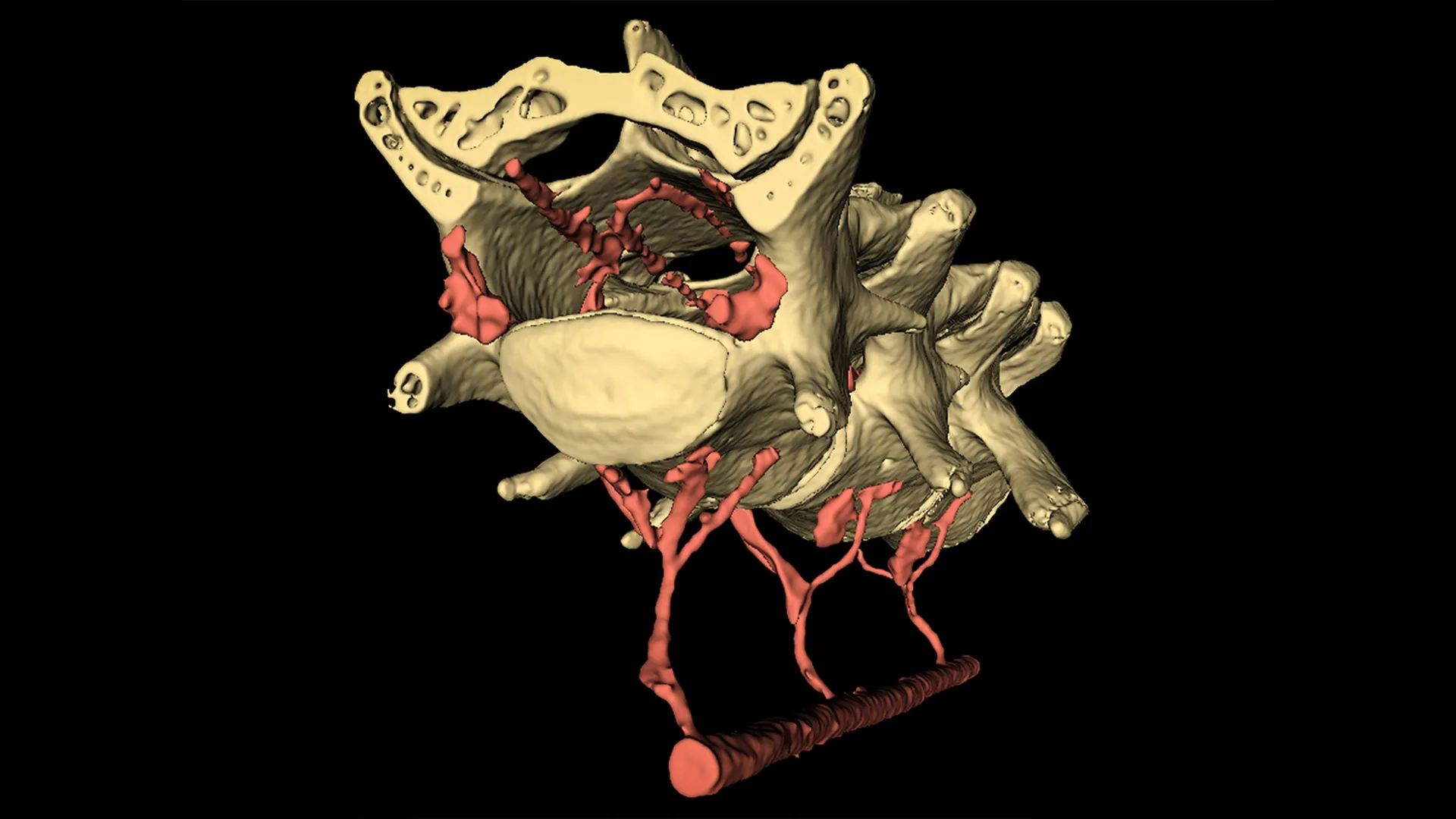
A groundbreaking discovery published in the April 27th edition of Nature Neuroscience has fundamentally reshaped our understanding of the intricate physical connection between the human body and the brain. Researchers at Penn State University, through a combination of sophisticated experiments on mice and advanced computer simulations, have identified a previously unrecognized mechanism by which physical activity appears to directly support and enhance brain health. The study elucidates how the simple act of contracting abdominal muscles can create a subtle yet significant movement within the skull, facilitating the crucial flow of cerebrospinal fluid (CSF) and potentially aiding in the removal of waste products that can contribute to neurodegenerative diseases.
The Hydraulic Connection: Abdominal Contraction and Brain Motion
At the core of this revelation is the finding that when abdominal muscles tense, they exert pressure on the blood vessels connected to the spinal cord and the brain. This internal pressure, much like a subtle hydraulic push, causes the brain to gently shift within the confines of the skull. Scientists posit that this minimal, yet consistent, motion is instrumental in driving the movement of cerebrospinal fluid across the brain’s surface and through its intricate internal spaces. This fluid circulation is vital for transporting metabolic waste products away from brain tissue, a process that is increasingly recognized as critical for preventing the accumulation of toxic proteins associated with conditions like Alzheimer’s and Parkinson’s disease.
Dr. Patrick Drew, a distinguished professor at Penn State whose expertise spans engineering science and mechanics, neurosurgery, biology, and biomedical engineering, served as the corresponding author on the research paper. He explained that this latest work builds upon prior investigations into the role of sleep and neuronal loss in regulating CSF flow. "Our research explains how just moving around might serve as an important physiological mechanism promoting brain health," Dr. Drew stated. "In this study, we found that when the abdominal muscles contract, they push blood from the abdomen into the spinal cord, just like in a hydraulic system, applying pressure to the brain and making it move. Simulations show that this gentle brain movement will drive fluid flow in and around the brain. It is thought the movement of fluid in the brain is important for removing waste and preventing neurodegenerative disorders. Our research shows that a little bit of motion is good, and it could be another reason why exercise is good for our brain health."
Dr. Drew, who also holds the position of associate director of the Huck Institutes of the Life Sciences, drew a compelling analogy to a hydraulic system, with the abdominal muscles acting as the pump. This mechanism, he emphasized, is not limited to strenuous exercise. Even seemingly minor actions, such as bracing one’s core before standing up or taking a step, can initiate this beneficial pressure transmission. The force is transmitted through the vertebral venous plexus, an extensive network of veins that connects the abdominal region to the spinal cavity, ultimately leading to the observed subtle displacement of the brain within the cranial vault.
Illuminating the Mechanism: Advanced Imaging Techniques in Action
To empirically validate this novel hypothesis, the research team employed state-of-the-art imaging technologies to observe the brain’s movement in real-time within living mice. The study utilized two-photon microscopy, a powerful technique capable of capturing exceptionally detailed images of living tissues at the cellular level, and microcomputed tomography (micro-CT), which provided high-resolution three-dimensional reconstructions of entire organs.
The imaging data revealed a clear correlation: the brain exhibited a discernible shift in position immediately preceding the animals’ voluntary movements, a movement that was triggered by the contraction of their abdominal muscles. This temporal relationship strongly suggested a direct causal link between abdominal muscle activation and brain displacement.
To further solidify this connection and rule out confounding factors, the researchers conducted a series of experiments where controlled, gentle pressure was applied to the abdomens of lightly anesthetized mice. Crucially, no other form of movement was induced. The applied pressure was deliberately kept at a level significantly lower than that encountered during a routine blood pressure measurement. Despite the minimal external force, the imaging confirmed that this external abdominal pressure was sufficient to induce a measurable movement of the brain.
"Importantly, the brain began moving back to its baseline position immediately upon relief of the abdominal pressure," Dr. Drew noted, underscoring the sensitivity and responsiveness of this system. "This suggests that abdominal pressure can rapidly and significantly alter the position of the brain within the skull." This finding is critical, as it demonstrates that the physical forces generated by internal muscle contractions can directly and dynamically influence the brain’s position.
Computational Modeling: Unraveling the Fluid Dynamics of Waste Clearance
With the mechanical link between abdominal contraction and brain motion firmly established, the researchers then turned their attention to understanding how this physical movement might translate into enhanced cerebrospinal fluid circulation and waste removal. At the time of the study, existing imaging techniques were not sufficiently advanced to capture the rapid and complex dynamics of CSF flow in the detail required.
"Luckily, our interdisciplinary team at Penn State was able to develop these techniques, including conducting the imaging experiments of living mice and creating computer simulations of fluid motion," Dr. Drew highlighted. "That combination of expertise is so important for understanding these types of complicated systems and how they impact health."
The complex computational modeling was spearheaded by Dr. Francesco Costanzo, a professor with joint appointments in engineering science and mechanics, biomedical engineering, mechanical engineering, and mathematics. Dr. Costanzo described the unique challenges inherent in modeling fluid flow within and around the brain. "Modeling fluid flow in and around the brain offers unique challenges because there are simultaneous, independent movements, as well as time-dependent, coupled movements. Accounting for all of them requires accounting for the special physics that happens every time a fluid particle crosses one of the many membranes in the brain," he explained.
To overcome these complexities, the team adopted a simplified yet effective conceptual model. They likened the brain’s internal structure to that of a sponge, characterized by a soft, porous matrix through which fluids can permeate. This analogy allowed them to simulate how fluid travels through the varying interstitial spaces, mirroring the intricate folds and pathways within the brain.
"Keeping with the idea of the brain as a sponge, we also thought of it as a dirty sponge — how do you clean a dirty sponge?" Dr. Costanzo posed. "You run it under a tap and squeeze it out. In our simulations, we were able to get a sense of how the brain moving from an abdominal contraction can help induce fluid flow over the brain to help clear waste products." The simulations demonstrated that the gentle, rhythmic movement of the brain, driven by abdominal pressure, could effectively "squeeze" and "flush" the brain’s intricate architecture, promoting the convective transport of waste products out of the central nervous system.
Broader Implications for Human Health and Disease Prevention
While the current findings are derived from studies on mice, the researchers are optimistic about their potential implications for human brain health. The discovered mechanism suggests that everyday physical activities, from walking to simply engaging in postural adjustments, could play a significant role in maintaining optimal brain function throughout life. The continuous circulation of CSF, facilitated by these subtle movements, is believed to be a crucial aspect of the brain’s intrinsic self-cleaning process.
"This kind of motion is so small. It’s what’s generated when you walk or just contract your abdominal muscles, which you do when you engage in any physical behavior. It could make such a difference for your brain health," Dr. Drew emphasized. The accumulation of metabolic byproducts, such as amyloid-beta and tau proteins, is a hallmark of several debilitating neurodegenerative disorders. By enhancing the efficiency of waste clearance, even through seemingly minor physical exertions, individuals may potentially mitigate their risk of developing these conditions.
The research team is now focused on further investigations to confirm the direct applicability of these findings to humans. Future studies may explore non-invasive methods to measure this brain-body hydraulic link in human subjects and to assess how various forms of physical activity influence CSF flow dynamics. Understanding the precise interplay between abdominal muscle strength, physical activity levels, and the efficacy of brain waste clearance could pave the way for novel therapeutic and preventative strategies for a range of neurological conditions.
A Collaborative Endeavor and Funding Support
This pioneering research was the result of a multidisciplinary effort involving a dedicated team of scientists and researchers. Co-authors on the Nature Neuroscience paper include C. Spencer Garborg, a postdoctoral researcher in Dr. Drew’s lab; Beatrice Ghitti, formerly a postdoctoral researcher under the joint supervision of Drs. Costanzo and Drew, now a research fellow at the University of Auckland; Qingguang Zhang, formerly an assistant research professor in Dr. Drew’s lab, now an assistant professor of physiology at Michigan State University; Joseph M. Ricotta, a postdoctoral researcher in Dr. Drew’s lab; Noah Frank, who earned his bachelor’s degree in mechanical engineering from Penn State; Sara J. Mueller, who led the Penn State Center for Quantitative Imaging during the research period and is now executive director of the Wildlife Leadership Academy; Denver L. Greenawalt and Hyunseok Lee, graduate students at Penn State; Kevin L. Turner and Ravi T. Kedarasetti, who completed their doctorates at Penn State under the co-supervision of Drs. Drew and Costanzo; and Marceline Mostafa, an undergraduate student who obtained a degree in biology.
The advanced microcomputed tomography imaging essential for this project was conducted at the Penn State Center for Quantitative Imaging, a core research facility within the university’s Institute for Energy and the Environment.
The scientific endeavors were generously supported by grants from several prestigious organizations, including the National Institutes of Health, the Pennsylvania Department of Health, and the American Heart Association. This collective support underscores the significance and broad interest in unraveling the fundamental mechanisms of brain health and disease prevention. The findings represent a significant stride forward, offering a tangible and actionable insight into how our physical engagement with the world directly contributes to the well-being of our most vital organ.