Ferry Irwandi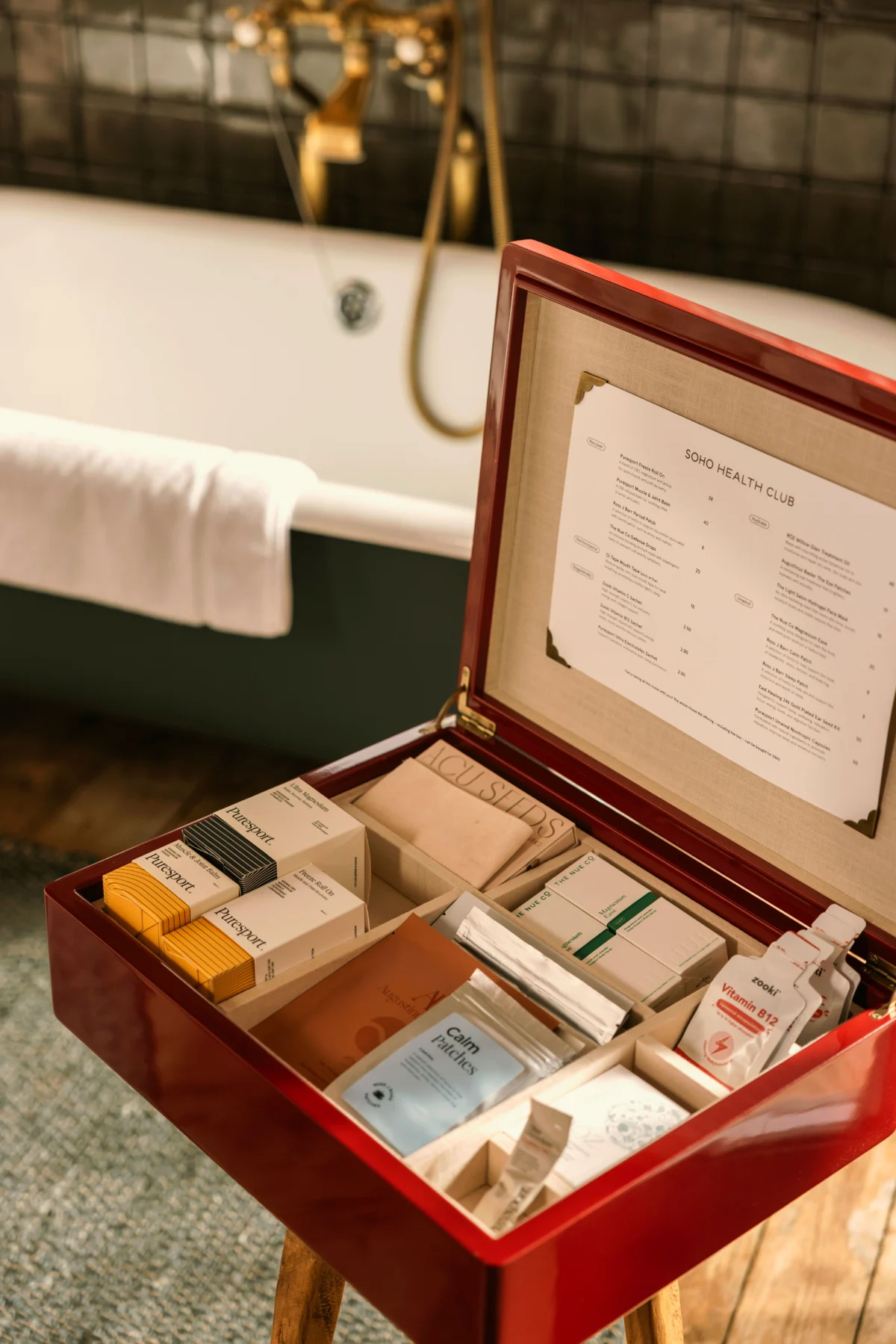
The global luxury hospitality sector is currently undergoing a structural transformation as the traditional hotel gym, often relegated to windowless basement levels, is being superseded by high-tech, in-room wellness ecosystems. This shift represents a move toward hyper-personalization, where fitness equipment, biohacking technology, and nutritional optimization are integrated directly into the guest’s private living quarters. The trend is driven by a sophisticated traveler demographic that views health not as a seasonal retreat, but as a non-negotiable component of daily life. According to the 2025 Global Wellness Economy Monitor, the wellness market has reached a record valuation of $6.8 trillion, with wellness tourism serving as a primary engine of growth. As hospitality brands compete for market share, the bedroom has become the new frontier for health-conscious innovation.
The Evolution of Wellness Hospitality: A Chronology of Change
The integration of health and wellness into the hotel experience has evolved through several distinct phases over the last four decades. In the 1980s and 1990s, "fitness facilities" were largely standardized, consisting of basic cardiovascular equipment and free weights in communal areas. The early 2000s saw the "Spa Boom," where luxury properties began investing in dedicated treatment floors and thermal suites, positioning wellness as an indulgent, separate activity rather than a continuous lifestyle.
By the mid-2010s, boutique fitness partnerships began to emerge, with hotels offering Peloton bikes or branded yoga mats. However, the post-pandemic era has catalyzed a more radical transition. Travelers now prioritize "longevity" and "recovery," seeking to maintain their physiological baselines while away from home. This has led to the current 2024–2026 era of "In-Room Integrated Wellness," characterized by the installation of medical-grade recovery tools, temperature-controlled sleep systems, and bespoke fitness furniture that blends seamlessly with high-end interior design.
Economic Drivers and Market Demand
The financial impetus behind this shift is significant. Data from the Global Wellness Institute indicates that wellness travelers spend, on average, 130% more than the typical international tourist. This "wellness premium" is prompting major hospitality groups, such as Maybourne, Equinox, and Rosewood, to reinvest capital into in-room infrastructure.

Aimee Hodgkin, hotel curation and partnerships director at Mr & Mrs Smith, notes that wellbeing is no longer confined to the spa. "It has become an ecosystem with touch points that span across the entire aspect of a stay," Hodgkin states. This systemic approach is a response to a consumer shift where "wellbeing" is the primary filter through which luxury travelers select their accommodations.
Case Studies in Private Wellness Integration
Several leading international properties have established new benchmarks for what constitutes an in-room wellness offering. These hotels have moved beyond the provision of a simple yoga mat to offer sophisticated technological and nutritional support.
The Berkeley, London: The Rise of Bespoke Fitness Furniture
At The Berkeley, part of the Maybourne Hotel Group, the introduction of the "Surenne trolley" has redefined in-room fitness. The trolley is a mobile, high-design unit containing bespoke weights, resistance straps, and medicine balls, designed to complement the aesthetic of the hotel’s wood-paneled suites. This initiative reflects a broader strategy by Maybourne to support guest performance and recovery. Hattie David-Wilkinson, global head of wellness and longevity at Maybourne, explains that the goal is to ensure guests return home feeling better than when they arrived, rather than viewing travel as a disruption to their health routines.
Equinox Hotel New York: The Biohacking Suite
The Equinox Hotel at Hudson Yards represents perhaps the most complete integration of fitness and hospitality. Developed by the premium fitness brand Equinox, the hotel treats wellness as the core design brief. Rooms feature a "RoomBar" stocked with over 80 wellness products, ranging from magnesium patches to collagen masks. The "Sleep Lab" rooms utilize Eight Sleep Pod 5 mattresses with biometric temperature control and automated blackout systems designed to synchronize with the guest’s circadian rhythm. This focus on "sleep hygiene" is a response to the growing scientific consensus on the importance of rest in cognitive and physical performance.
SIRO Boka Place, Montenegro: Recovery-First Architecture
SIRO, a new brand by Kerzner International, focuses on "functional fitness." The rooms at Boka Place include "Recovery Cabinets"—integrated wall units featuring wooden gym ladders, bands, and blocks. This design acknowledges that high-achieving travelers often prefer to exercise in private, away from the social pressures of a public gym. The wellness focus extends to the mini-bar, which is stocked with nutrient-dense options rather than traditional high-sugar snacks.

Rosewood Munich: Digital Training and Local Partnerships
In Germany, Rosewood Munich has partnered with the sports-lifestyle brand SouSou to provide "Houses" and "Suites" with premium, all-black fitness sets. To bridge the gap between equipment and instruction, the hotel offers a dedicated app featuring training sessions filmed on-site. This digital integration ensures that the in-room equipment is utilized effectively, providing a guided experience that mimics a personal training session.
Technological Innovations in the Private Suite
The "in-room revolution" is heavily reliant on the miniaturization of wellness technology. Several specific tools have become staples in the luxury hospitality toolkit:
- PEMF Mats: Pulsed Electromagnetic Field therapy, utilized by properties like Soho Farmhouse Ibiza, uses electromagnetic waves to stimulate cellular repair and reduce inflammation.
- LED Red Light Therapy: Hotels such as Kimpton Charlotte Square and The Newman provide LED face masks and SAD (Seasonal Affective Disorder) lamps. Red light therapy is increasingly sought after for its collagen-boosting and mood-stabilizing properties.
- Percussive Therapy: Devices like the Theragun are now frequently included in "Stay Well" menus to assist with muscle recovery after long-haul flights.
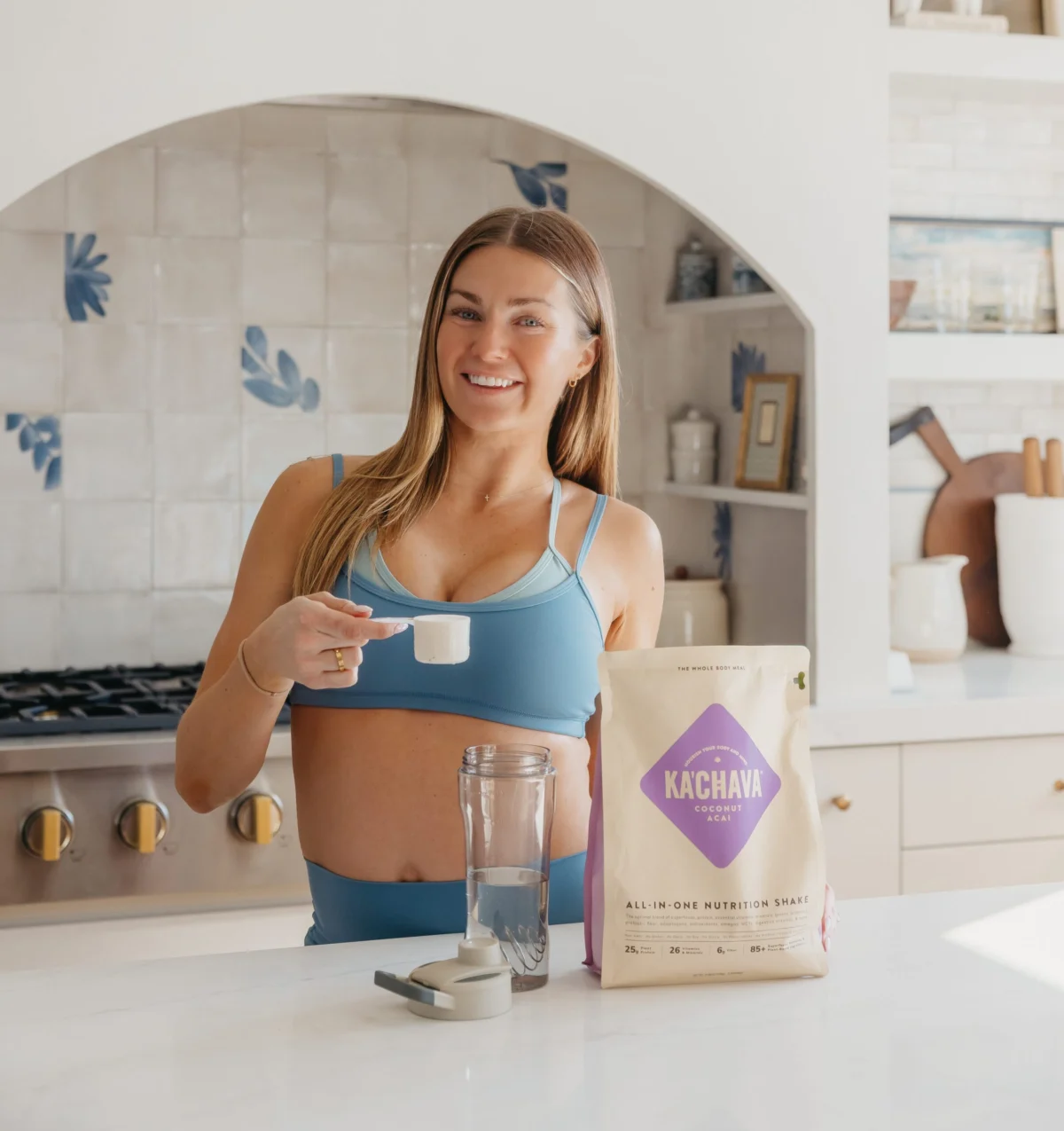
- Adaptogenic Nutrition: Traditional mini-bars are being replaced by "Wellness Bars" containing CBD gummies, magnesium supplements, and adaptogenic coffees infused with lion’s mane and ashwagandha.
Official Responses and Industry Sentiment
The shift toward in-room wellness is not merely a marketing tactic but a response to evolving guest expectations. Oliver Milne-Watson, General Manager at The Newman in London, emphasizes that wellness is no longer a prescriptive experience. "Wellness is not prescriptive, it is personal," Milne-Watson notes. By integrating yoga mats, guided meditation via in-room televisions, and a choice of specialized pillows, hotels are giving guests the autonomy to curate their own health experience.
Furthermore, the integration of wellness into the room allows for a more "balanced" approach to travel. Industry experts suggest that by providing health tools in a private setting, guests feel less pressure to adhere to a rigid "retreat" lifestyle and are more likely to engage in wellness activities while still enjoying the traditional luxuries of a hotel stay, such as fine dining or a glass of wine.
Broader Implications for the Hospitality Industry
The rise of in-room wellness has several long-term implications for the hospitality sector:

1. Architectural and Interior Design: Future luxury hotels will likely be designed with larger guest rooms to accommodate "fitness zones." Soundproofing will become even more critical to prevent noise from in-room workouts from disturbing other guests.
2. Labor and Service Models: The role of the hotel concierge is expanding to include "wellness coordination." Staff may need training in the operation of biohacking equipment and the benefits of various adaptogens.
3. Sustainability and Ethics: As hotels stock more wellness products and tech, there will be increased scrutiny on the sustainability of these supply chains. Guests seeking wellness often prioritize environmental health as well, leading to a demand for organic materials and energy-efficient tech.
4. Data and Personalization: With the use of biometric mattresses and wellness apps, hotels may eventually offer "wellness profiles" for returning guests, pre-setting room temperatures and equipment based on previous data.
Conclusion
The transition from communal spa facilities to private, in-room wellness sanctuaries represents a fundamental shift in the definition of luxury. In an era where time and privacy are the ultimate commodities, the ability to maintain a high-performance health routine within the confines of a hotel suite is the new gold standard. As the $6.8 trillion wellness economy continues to expand, the hospitality brands that successfully integrate these "ecosystems of wellbeing" into the very fabric of their guest rooms will be the ones that define the future of travel. Wellness is no longer a destination; it is the environment in which the modern traveler expects to live.