Ferry Irwandi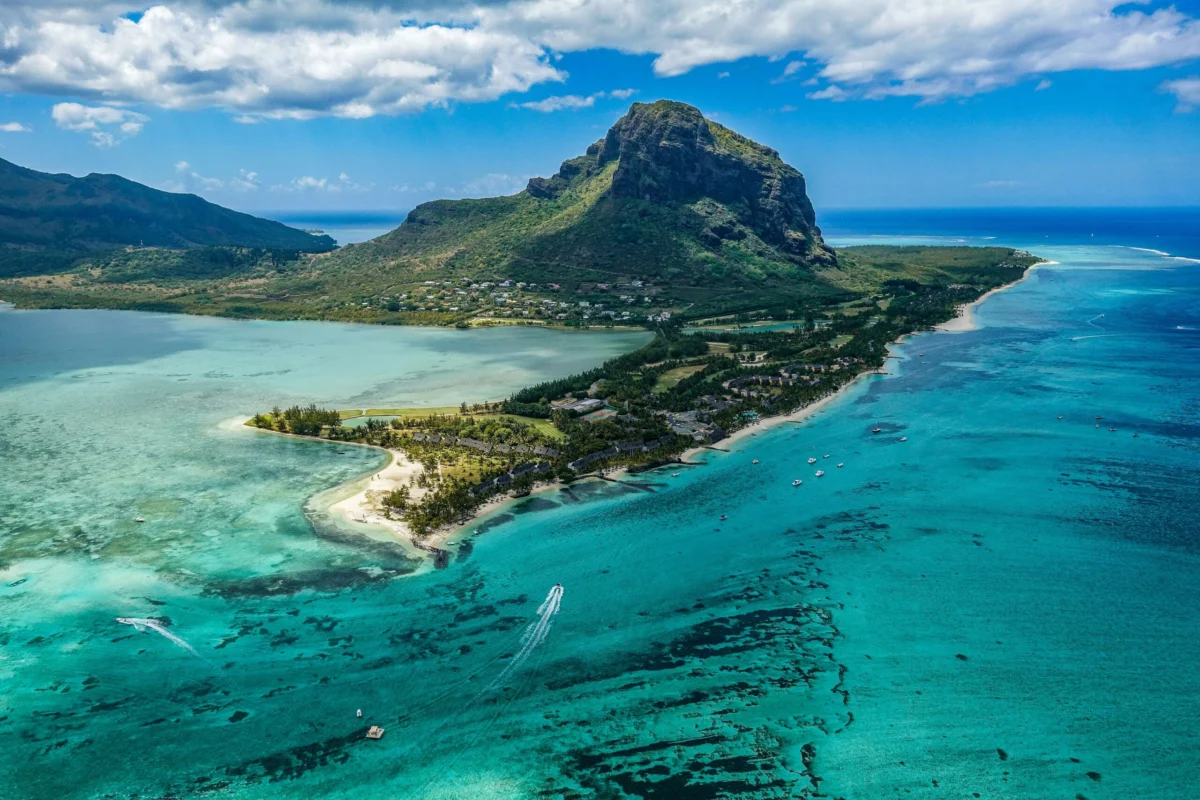
The government of Mauritius has officially announced the launch of a new, highly selective "golden visa" program designed to attract 100 global millionaires annually to the Indian Ocean island nation. Prime Minister Navin Ramgoolam detailed the initiative during a parliamentary session on May 5, positioning the program as a strategic response to a surge in international interest from high-net-worth individuals seeking to relocate their families and business operations to the archipelago. Under the new framework, applicants who commit a minimum of $1 million to the country’s burgeoning high-tech and financial sectors will be eligible for a renewable two-year residency permit, featuring a streamlined approval process intended to outpace similar programs in Europe and the Caribbean.
The introduction of the golden visa marks a significant pivot in the economic strategy of Mauritius, which has historically relied on luxury tourism and textile exports. By targeting specific "high-value" industries—including financial technology (FinTech), artificial intelligence (AI), biotechnology, and renewable energy—the Mauritian government aims to foster a sophisticated knowledge economy. The program is not merely a residency-for-investment scheme but is structured as a mechanism for long-term economic integration, encouraging wealthy expatriates to channel their capital and expertise into sectors that promise sustainable growth for the local population.
Investment Criteria and the Focus on Innovation
Unlike many global residency programs that focus primarily on real estate acquisition, the Mauritian golden visa requires a direct capital injection of $1 million within the first year of residency. This investment must be directed toward industries designated as strategic priorities by the state. Prime Minister Ramgoolam emphasized that the Economic Development Board (EDB) will maintain strict oversight of these investments to ensure they contribute to the nation’s technological advancement and industrial diversification.
The focus on sectors like AI and biotechnology reflects the nation’s ambition to become a regional hub for innovation between Africa and Asia. In recent years, Mauritius has invested heavily in its digital infrastructure, including high-speed fiber-optic connectivity and a robust legal framework for intellectual property. The golden visa program is expected to accelerate this transition by bringing in not only capital but also the "human capital" of experienced entrepreneurs and tech leaders. The EDB’s role will involve monitoring the progress of these investments to verify that they are generating the intended economic "multiplier effect," such as job creation for Mauritian citizens and the transfer of technical skills.
A Comprehensive Suite of "Golden Perks"
To compete with established residency programs in jurisdictions like Portugal, Greece, and the UAE, Mauritius is offering an extensive package of benefits for visa holders and their dependents. The program grants a two-year renewable visa to the primary investor, their spouse, and their children. Beyond the right to reside on the island, the government has integrated several "soft-landing" services to facilitate a seamless transition for international families.
Visa holders will have access to a dedicated concierge service, a unique feature designed to navigate the logistical complexities of international relocation. This service includes assistance with moving business headquarters to Mauritius, opening local bank accounts, and navigating the administrative requirements of the Passport and Immigration Office. Furthermore, the program permits families to bring pets and provides streamlined enrollment for children in the country’s network of elite private schools, which offer international curricula in English and French.
One of the most notable aspects of the program is the promised processing time. Prime Minister Ramgoolam stated that the government aims to return a decision on applications within just five days of submission. This efficiency stands in stark contrast to the administrative backlogs seen in European programs; for instance, Portugal’s golden visa process has faced criticism for delays that can stretch between 18 and 24 months. By offering a rapid turnaround, Mauritius is positioning itself as a highly agile and business-friendly alternative for global investors.
Strategic Economic Context and Global Trends
The launch of this program comes at a time when the global landscape for "citizenship by investment" (CBI) and "residency by investment" (RBI) is undergoing significant shifts. Several European Union member states have recently tightened their rules or abolished their programs entirely due to pressure from the European Commission over security concerns and the impact on local housing markets.
Mauritius is entering this space with a model that seeks to avoid the pitfalls of its predecessors. By capping the number of visas at 100 per year, the government is maintaining an aura of exclusivity while ensuring the influx of foreign capital does not overwhelm the local economy. From a macroeconomic perspective, Mauritius has maintained a steady growth trajectory, with a GDP growth rate often exceeding the regional average for Sub-Saharan Africa. The country’s strategic location in the Indian Ocean makes it a natural gateway for investors looking to access the African Continental Free Trade Area (AfCFTA) while enjoying the legal protections of a stable, democratic jurisdiction.
Addressing Security and Social Concerns
Golden visa programs are frequently criticized for their potential to facilitate money laundering or tax evasion. In his parliamentary address, Prime Minister Ramgoolam was proactive in addressing these concerns, stating that the new program would be governed by a "robust, risk-based due diligence framework." All applicants will undergo rigorous background checks conducted by the EDB in coordination with international security agencies and the Mauritian Passport and Immigration Office.
Another common criticism of golden visas is their impact on local real estate prices, which can often lead to housing affordability crises for the local population. To mitigate this risk, the Mauritian government has implemented a bifurcated real estate strategy. Golden visa holders will be directed toward specific, designated luxury rental properties and hotels rather than the general housing market. This separation is intended to insulate local residents from the inflationary pressures often associated with high-net-worth migration.
For those specifically interested in property ownership, Mauritius continues to offer its existing residency-by-real-estate-investment programs. Under these separate schemes, foreigners can obtain residency by purchasing eligible property valued at a minimum of $375,000. By keeping the new golden visa focused on industrial and technological investment while maintaining separate real estate paths, the government hopes to balance capital attraction with social stability.
A Multicultural Haven for International Families
The appeal of Mauritius extends beyond its financial incentives. The nation is renowned for its social harmony and multicultural fabric, with a population that is fluent in English, French, and Creole, and a significant portion of the citizenry also speaking Hindi, Urdu, and Spanish. This linguistic diversity, combined with a legal system that blends English common law and French civil law, makes it an exceptionally accessible destination for a globalized workforce.
The island’s natural beauty—characterized by its white-sand beaches, coral lagoons, and interior rainforests—has long made it a premier destination for luxury tourism and honeymoons. However, the government is now marketing these assets as part of a high-quality "lifestyle package" for permanent residents. The ability to work in a high-tech environment while living in a tropical paradise is a central pillar of the nation’s value proposition to the "modern millionaire."
Complementary Residency Pathways
The 100-millionaire golden visa is the newest addition to a suite of residency options tailored to different demographics. For individuals over the age of 50, Mauritius offers a 10-year renewable retirement permit, provided the applicant can demonstrate a monthly income or a bank balance of at least $24,000. This has made the island a popular choice for European and South African retirees.
Additionally, the "Premium Visa" remains available for digital nomads and remote workers. This one-year renewable visa allows individuals to live in Mauritius while working for employers based abroad, provided they do not enter the local labor market. These varied pathways demonstrate a comprehensive national strategy to attract diverse tiers of foreign talent and capital, ranging from young tech workers to ultra-high-net-worth industrial investors.
Implications for the Future
The success of the new golden visa program will likely be measured by its ability to catalyze the "high-value" sectors identified by the Prime Minister. If the program succeeds in attracting 100 investors annually, it represents a minimum yearly injection of $100 million in direct foreign investment into the tech and green energy sectors.
Industry analysts suggest that the move could spark a "virtuous cycle" of investment. As more FinTech and AI firms relocate to the island, they create a cluster effect that attracts further talent and supporting industries, such as specialized legal and accounting services. However, the five-day processing guarantee will be the first major test of the government’s administrative capacity. If the EDB can maintain this speed while conducting thorough due diligence, Mauritius could quickly become the preferred destination for the world’s mobile elite, setting a new standard for residency-by-investment programs globally.
As the government prepares to launch the application portal, the global financial community will be watching closely. For a small island nation, the stakes are high: the goal is to transform from a picturesque vacation spot into a formidable, tech-driven economic engine in the heart of the Indian Ocean.