Ferry Irwandi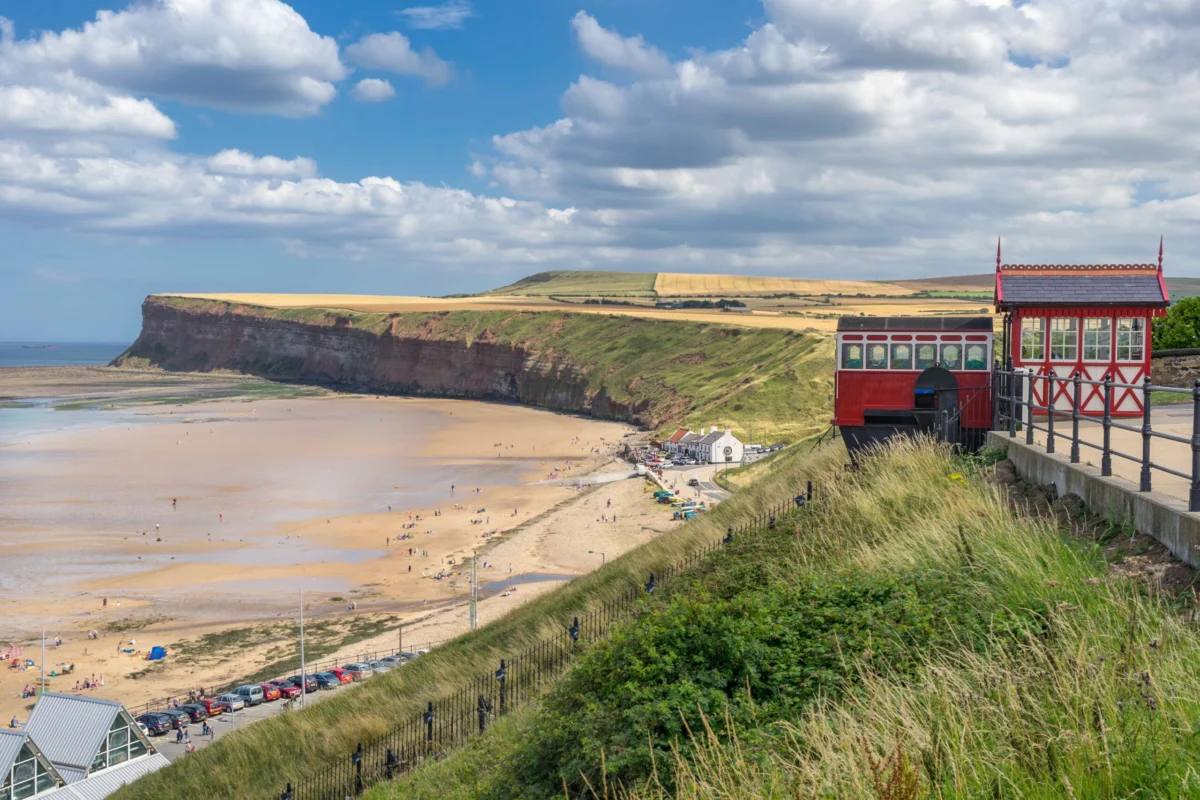
The coastal landscape of Northern England is currently undergoing a significant cultural and economic shift, moving away from the traditional "bucket and spade" stereotypes of the mid-20th century toward a more nuanced, heritage-driven tourism model. While established hubs such as Blackpool and Scarborough continue to draw large crowds with high-energy amusements, a growing segment of domestic and international travelers is seeking the "wilder, moodier" aesthetic of the North’s lesser-known B-roads. From the rugged cliffs of Northumberland to the Victorian boulevards of Merseyside, these coastal enclaves offer a blend of ecological conservation, maritime history, and a price point that remains significantly more accessible than the burgeoning resorts of Southern England.
The Historical Context of the Northern Seaside
The development of the Northern British seaside is inextricably linked to the Industrial Revolution and the expansion of the railway network in the 19th century. Towns like Saltburn-by-the-Sea and Southport were purpose-built to accommodate the Victorian elite and the burgeoning middle class, who sought the "bracing air" of the North Sea and the Irish Sea for health reasons.
By the mid-1840s, the "excursion train" had democratized coastal travel, allowing workers from industrial powerhouses like Manchester, Leeds, and Newcastle to reach the coast. However, the late 20th century saw a decline in these traditional resorts as cheap aviation made Mediterranean holidays more accessible. Today, a "quiet comeback" is underway. Data from VisitBritain suggests a renewed interest in "staycations," with Northern England seeing a steady increase in domestic tourism spend since 2021. This resurgence is fueled by a desire for authentic experiences, high-quality local gastronomy, and outdoor activities such as hiking and birdwatching.
Northumberland: Maritime Heritage and Ecological Sanctuaries
Northumberland’s coastline, much of which is designated as an Area of Outstanding Natural Beauty (AONB), represents the "unvarnished" appeal of the North. Two primary hubs, Seahouses and Amble, exemplify the region’s dual focus on working harbors and ecological preservation.

Seahouses: A Working Harbor First
Located on the northeastern coast, Seahouses serves as the gateway to the Farne Islands. Unlike many southern resorts that have prioritized retail over industry, Seahouses remains a working harbor first. The village is characterized by its "bijou" harbor where fishing boats operate alongside tour vessels.
The historical significance of Seahouses is anchored by the Swallow Fish smokehouse. Operating since 1843, it is credited by some historians as the site where the kipper—a smoked herring—was first perfected. Today, the village balances this industrial heritage with wildlife tourism. The Farne Islands, managed by the National Trust, are home to approximately 100,000 pairs of breeding seabirds, including puffins, kittiwakes, and shags, as well as one of the UK’s largest colonies of Atlantic gray seals.
Amble: The "Friendliest Port"
Further south at the mouth of the River Coquet, Amble has rebranded itself as a center for sustainable seafood and boutique retail. The development of the "Harbour Village"—a collection of small wooden pods housing local artisans—has been cited by local planners as a successful model for small-town economic diversification.
A key feature of Amble’s recent modernization is the Northumberland Seafood Centre. This facility includes a "lobster hotel," designed to house local catches in optimal conditions, ensuring sustainability and quality. The center also plays a vital role in educating visitors on the life cycles of local marine life, such as the 40,000 puffins that nest on nearby Coquet Island during the summer months.
The Victorian Grandeur of Teesside and Merseyside
While Northumberland offers ruggedness, Saltburn-by-the-Sea and Southport provide a window into the architectural ambitions of the Victorian and Edwardian eras.

Saltburn-by-the-Sea: Victorian Ambition
Saltburn-by-the-Sea, located in Teesside, was largely the vision of Henry Pease, a Quaker industrialist. The town’s layout, featuring the massive Zetland Hotel (now luxury apartments), was designed to provide a sophisticated alternative to the more boisterous resorts of the era.
Saltburn is home to Britain’s oldest surviving water-balanced cliff tramway, a feat of Victorian engineering that remains operational today. The town’s 208-meter-long pier remains a focal point, having survived numerous North Sea storms. In recent years, Saltburn has also emerged as a premier surfing destination, with the local economy benefiting from year-round visits by the surfing community, which contrasts with the seasonal nature of traditional seaside tourism.
Southport: The Parisian Connection
Southport, situated north of Liverpool, offers a different aesthetic entirely. The town’s Lord Street is a long, arcaded boulevard that historical accounts suggest inspired Prince Louis Napoleon (later Napoleon III) during his residence there in the 1840s. Upon returning to France, he is believed to have used Lord Street as a blueprint for the redevelopment of the Champs-Élysées in Paris.
Southport’s cultural footprint is further expanded by The Atkinson, an integrated arts center. It houses the Goodison Collection of Ancient Egyptian artifacts, one of the most significant private collections in the UK. Despite challenges, including the temporary closure of its historic pier (the second longest in Britain) for safety repairs estimated at over £13 million, Southport remains a cornerstone of the North’s "elegant" coastal offering.
The Wild West: Cumbria and Lancashire
The western coast of Northern England offers a starkly different landscape, defined by the Irish Sea and the proximity of the Lake District.

St. Bees: The Off-Grid Frontier
St. Bees in Cumbria marks the westernmost point of Northern England. It is famous as the starting point of Alfred Wainwright’s Coast to Coast Walk, a 192-mile trek to Robin Hood’s Bay. The village is defined by its red sandstone cliffs, which reach heights of 300 feet and serve as an RSPB nature reserve.
The ecological significance of St. Bees Head cannot be overstated; it is the only nesting site in England for the black guillemot. The village also maintains a deep sense of history, centered on the 12th-century St. Bees Priory, which houses some of the best-preserved Norman architecture in the region.
Morecambe: The Quiet Comeback
Morecambe, Lancashire, is currently at the center of one of the UK’s most significant coastal regeneration projects: the Eden Project North. This £100 million venture aims to transform the seafront into a world-class environmental destination, similar to its counterpart in Cornwall.
Historically, Morecambe was a major destination for mill workers from the North and Scotland. Today, its appeal lies in its sweeping bay and the Stone Jetty walking route, which features public art installations. The town’s "nostalgic but not stuck" atmosphere is a testament to its resilience in the face of changing travel trends.
North Yorkshire’s Gothic and Edwardian Staples
North Yorkshire holds two of the most iconic coastal locations in Britain: Whitby and Filey. Each offers a distinct atmosphere, ranging from the dramatic and macabre to the serene and traditional.

Whitby: Literature and Maritime Exploration
Whitby is perhaps the most famous of all Northern seaside towns, largely due to its association with Bram Stoker’s Dracula. The ruins of Whitby Abbey, perched atop the East Cliff, remain a major draw for "dark tourism" and the biannual Whitby Goth Weekend, which contributes millions of pounds to the local economy.
Beyond the Gothic, Whitby is a center for maritime history. It was the birthplace of the ships used by Captain James Cook on his voyages of discovery. The replica of the Bark Endeavour and the Captain Cook Memorial Museum provide historical context to Whitby’s role in global exploration. Furthermore, the town’s culinary reputation, spearheaded by institutions like the Magpie Cafe, sets a national standard for traditional fish and chips.
Filey: The Preservation of the Edwardian Era
Filey represents a deliberate rejection of modern commercialism. The town has maintained its Edwardian character, focusing on its five-mile stretch of golden sand and the natural phenomenon of Filey Brigg, a long narrow peninsula.
The town’s economy is supported by its proximity to RSPB Bempton Cliffs, home to one of the UK’s most important mainland seabird colonies. Filey’s appeal is "restorative," catering to a demographic that values quietude and natural beauty over high-street retail or digital entertainment.
Supporting Data and Economic Analysis
The shift toward these Northern coastal towns is backed by regional economic data. According to the North East Tourism Alliance, tourism in Northumberland alone contributes over £1 billion annually to the local economy. In Yorkshire, the coastal "visitor economy" supports approximately 25,000 jobs.

Table: Comparative Regional Coastal Strengths
| Region | Primary Appeal | Key Economic Driver |
|---|---|---|
| Northumberland | Wildlife/Heritage | Conservation Tourism |
| Teesside | Victorian Architecture | Sports/Surfing |
| Cumbria | Wilderness/Hiking | Active Outdoor Tourism |
| Lancashire | Bay Views/Environment | Large-scale Regeneration |
| Merseyside | Elegance/Culture | Heritage/Arts |
| North Yorkshire | History/Gastronomy | Literary & Maritime Tourism |
Broader Implications and Future Outlook
The evolution of Northern England’s seaside towns suggests a broader trend in the UK travel industry: the move toward "Slow Travel." This philosophy emphasizes connection to local culture, history, and food, rather than rapid, high-consumption tourism.
Local government responses have been largely supportive. The UK government’s "Levelling Up" fund has allocated significant resources to coastal towns for infrastructure improvements, such as the repairs to Southport Pier and the development of the Eden Project North. Analysts suggest that if these projects are successful, the North of England could become a primary model for sustainable coastal regeneration globally.
In conclusion, the coastal North offers a compelling alternative to the traditional British seaside experience. By leveraging their unique maritime histories, ecological assets, and architectural grandeur, towns from Seahouses to Southport are not merely surviving; they are redefining what it means to be a modern seaside destination. As travelers continue to seek authenticity over artifice, the "salt-bitten charm" of the North is poised to remain a significant fixture in the British cultural landscape.