Jono Maryono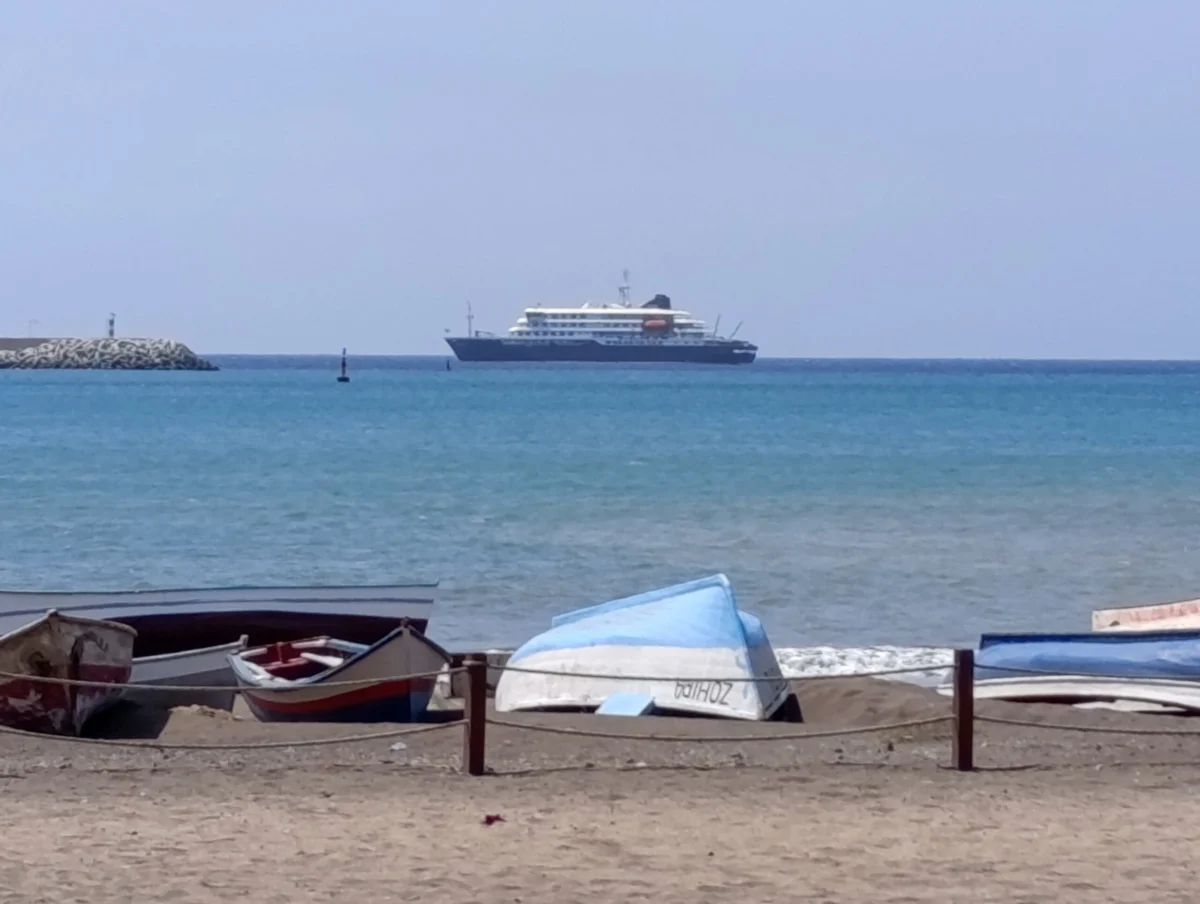
The Canary Islands have emphatically refused to allow a luxury cruise ship, the MV Hondius, to dock at any of its ports due to a burgeoning hantavirus outbreak, a rare and potentially lethal disease transmitted to humans primarily through rodents. This firm stance by regional authorities directly contradicts the Spanish central government’s assertion that the vessel would be permitted to land, underscoring a significant inter-governmental and international health security dispute. Fernando Clavijo, the President of the Canary Islands, cited a critical lack of comprehensive information regarding the outbreak as the primary reason for his decision, stating that regional authorities could not adequately guarantee public safety under such circumstances. The ship, currently anchored off the coast of Cape Verde, carries approximately 150 individuals from 23 different nations, many of whom are now in a state of limbo as the standoff continues.
The Evolving Hantavirus Crisis Aboard the MV Hondius
The hantavirus outbreak onboard the MV Hondius has tragically claimed the lives of three passengers to date: a Dutch couple and a German national. The World Health Organization (WHO) has officially identified eight cases associated with the vessel, comprising three confirmed infections and five suspected cases. In a bid to secure specialized medical care, three individuals with suspected hantavirus infections have been evacuated to the Netherlands for treatment, according to updates from the WHO. The virus, while rare, is a serious concern, with different strains exhibiting varying modes of transmission and severity.
Hantaviruses are a group of viruses spread mainly by infected rodents. Transmission to humans typically occurs through inhalation of airborne viral particles shed in rodent urine, droppings, and saliva, or through direct contact with these materials. In rarer instances, particularly with the Andes strain of hantavirus, human-to-human transmission can occur after prolonged and very close contact. This latter possibility has amplified concerns among health officials and governmental bodies involved in the current situation.
A Timeline of the Hantavirus Outbreak and Diplomatic Standoff
The MV Hondius embarked on its voyage from the southern tip of Argentina in late March. The initial reports of a hantavirus outbreak emerged while the ship was en route to its next destination, Cape Verde. The first fatality, a Dutch national, was recorded on April 11th. His remains were kept on board the luxury vessel until April 24th, highlighting the complex logistical and ethical challenges faced by the ship’s crew and the affected passengers.
As the situation onboard escalated and the number of affected individuals grew, international health organizations and national governments became involved. The WHO and the European Centre for Disease Prevention and Control (ECDC) issued requests for assistance and guidance, prompting Spain’s Ministry of Foreign Affairs to state that the ship would be allowed to dock in the Canary Islands. This decision was framed as an adherence to Spain’s obligations under "international law and humanitarian principles."
However, upon the MV Hondius’s approach to the Canary Islands, regional President Fernando Clavijo firmly rejected the central government’s directive. His public pronouncements indicated a unilateral decision by the Canary Islands’ regional government to deny entry. President Clavijo has since called for an urgent meeting with Spanish Prime Minister Pedro Sanchez to address the escalating crisis and the discrepancy in governmental approaches.
International Reactions and Varying Risk Assessments
The international community is closely monitoring the situation, with several nations confirming cases among their citizens onboard. Switzerland has reported that one of its nationals contracted the illness and is currently receiving treatment in Zurich. Swiss authorities have emphasized that their patient does not pose a public health threat, a statement aligning with the WHO’s broader assessment of the risk.
In South Africa, a British national is undergoing treatment for the Andes strain of the hantavirus, according to the country’s National Institute for Communicable Diseases. The identification of the Andes strain is particularly noteworthy due to its potential for human-to-human transmission, although officials emphasize that such occurrences are rare and typically require extensive close contact.
The World Health Organization, through its Director-General, Tedros Adhanom Ghebreyesus, has repeatedly stated that the current risk to the wider public remains "low." This assessment is based on the understanding that hantavirus transmission between humans is not easily achieved and requires sustained, intimate contact. Nevertheless, the presence of a confirmed outbreak on a densely populated vessel capable of traversing international waters necessitates a cautious and coordinated response.
Background and Broader Implications of Hantavirus
Hantaviruses are found worldwide, with different types endemic to various regions. The Hantavirus Pulmonary Syndrome (HPS) is prevalent in the Americas, while Hemorrhagic Fever with Renal Syndrome (HFRS) is more common in Europe and Asia. Symptoms of HPS typically appear one to eight weeks after exposure and can include fever, severe headache, muscle aches, dizziness, and abdominal pain. As the disease progresses, it can lead to difficulty breathing and a sudden drop in blood pressure, progressing to pulmonary edema and shock. HFRS symptoms are generally milder but can include fever, headache, back pain, and sometimes a rash, with potential complications affecting the kidneys.
The isolation of the MV Hondius and the subsequent diplomatic friction highlight the complex challenges in managing global health crises, particularly those originating in international waters. The incident underscores the delicate balance between national sovereignty, humanitarian obligations, and public health security. The refusal by the Canary Islands to allow the ship to dock, despite central government approval, suggests a deep-seated concern at the regional level regarding the adequacy of preparedness and response protocols.
Supporting Data and Public Health Protocols
The WHO’s role in such situations is to provide technical guidance, epidemiological support, and facilitate international cooperation. Their assessment of the risk is typically based on available data regarding the specific strain of the virus, the mode of transmission observed, and the effectiveness of containment measures. In this instance, the WHO’s classification of the risk as "low" for the general public is likely predicated on the understanding that the primary mode of transmission on the ship was likely through rodent contact in the environment the ship visited prior to the outbreak, and that the human-to-human transmission, if occurring, is not widespread.
However, the regional authorities in the Canary Islands may be prioritizing a more conservative approach, demanding a higher threshold of certainty regarding the safety of allowing the ship to disembark passengers and crew. This could involve detailed health screenings, confirmation of negative test results for all individuals onboard, and assurances of robust quarantine and isolation protocols at the point of disembarkation. The lack of "enough information," as stated by President Clavijo, suggests a perceived deficit in the transparency and completeness of data shared by the ship’s operators and potentially by the Spanish central government.
The implications of this standoff extend beyond the immediate health concerns. It raises questions about the coordination between different levels of government in managing international health emergencies. It also brings to the fore the preparedness of cruise lines to handle such outbreaks, and the ethical considerations surrounding the containment of potentially infectious diseases at sea. The prolonged waiting period for the passengers and crew of the MV Hondius also presents significant humanitarian concerns, including access to essential supplies, medical care, and psychological support.
Analysis of Implications and Future Preparedness
The incident serves as a stark reminder of the interconnectedness of global health and the potential for infectious diseases to disrupt travel, trade, and international relations. The differing stances between the Spanish central government and the Canary Islands’ regional authorities point to potential systemic issues in disaster preparedness and inter-governmental communication during health crises.
For the cruise industry, this event could lead to increased scrutiny of health and safety protocols, particularly concerning voyages to regions known to harbor rodent populations that can carry hantaviruses. Stricter onboard sanitation measures, enhanced pest control, and more rigorous pre-voyage health assessments might become standard operating procedures.
Furthermore, the diplomatic friction could prompt a review of international maritime health regulations and the mechanisms for resolving disputes between sovereign nations and regional authorities when public health is at stake. The ultimate resolution of the MV Hondius situation will likely involve a complex negotiation, balancing humanitarian needs with the imperative of safeguarding public health, and may set a precedent for future maritime health emergencies. The focus remains on ensuring the well-being of those onboard while preventing the further spread of this serious disease.