Layla Zulfa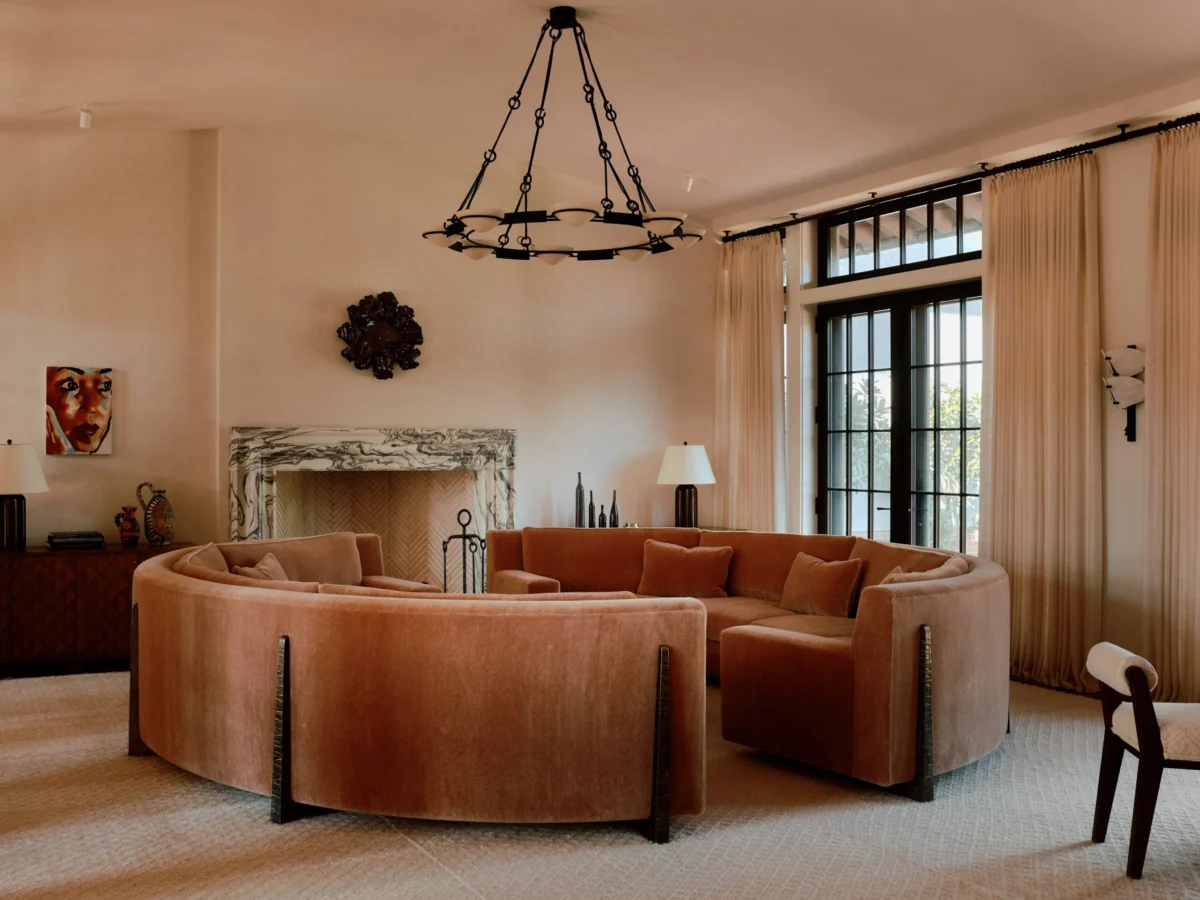
In the exclusive enclave of the Hamptons, where the architectural landscape is often dominated by traditional shingle-style estates, a newly completed 15,000-square-foot residence has emerged as a significant departure from regional norms. Situated on a lush five-acre plot near the Atlantic Ocean, the estate represents a sophisticated synthesis of early 20th-century British architectural heritage and 21st-century continental interior design. The project, a collaboration between the New York-based firm Kligerman Architecture & Design and the London-based interior designer Bryan O’Sullivan, serves as a modern homage to the Arts and Crafts movement, specifically the work of Sir Edwin Lutyens.

The development of the property began with a clear vision from the homeowner, who sought to create a legacy estate that transcended the typical "summer cottage" aesthetic. By studying the historical works of Lutyens—an architect renowned for his ability to blend grandiosity with intimate, human-scaled proportions—the owner established a framework for a home that emphasizes steeply pitched rooflines, massive masonry chimneys, and a rigorous attention to material honesty. This approach aligns with the broader resurgence of interest in artisanal craftsmanship and historical architectural literacy within the luxury residential market.

Architectural Foundations and the Lutyens Influence
The selection of Kligerman Architecture & Design was a strategic move rooted in the firm’s established reputation for handling complex, traditional commissions. Joe Carline, a partner at the firm, led the architectural development, focusing on the "quiet perfection of proportion" that defined the Edwardian era’s most celebrated country houses. The structure utilizes a palette of brick and local stone, arranged in patterns that evoke a sense of permanence and geological connection to the site.

Sir Edwin Lutyens (1869–1944) remains a foundational figure in Western architecture, best known for his ability to adapt classical and vernacular styles into a cohesive, often whimsical, whole. His collaboration with garden designer Gertrude Jekyll redefined the relationship between a house and its grounds, a philosophy that is central to this Hamptons project. The home’s exterior features the "weighty" chimneys and gabled rooflines characteristic of Lutyens’ Surrey houses, such as Munstead Wood and Orchards, providing a silhouette that is both imposing and welcoming.

A Global Collaboration: From Instagram to Manhattan
While the architectural direction was settled early in the process, the search for an interior designer proved more complex. The homeowner sought a partner who could balance high-concept creativity with the logistical rigor required for a project of this scale. The eventual selection of Bryan O’Sullivan occurred via an unconventional modern channel: a direct message on Instagram.

O’Sullivan, whose portfolio includes high-profile hospitality projects such as the redesign of the restaurant at Claridge’s in London and the Westmoreland Café at the Frick Collection in New York, brought a distinctly European sensibility to the project. This commission served as a catalyst for O’Sullivan’s professional expansion; following the start of the project, he established a permanent office in Manhattan and relocated his family to New York, signaling the growing demand for his "soft-modern" European aesthetic in the American market.

The collaboration was defined by a shared commitment to global sourcing. During the construction phase, the design team and the clients traveled to Italy for a three-day intensive tour of marble quarries. This trip resulted in the selection of rare, heavily veined slabs for the home’s multiple bathrooms and public spaces, ensuring that the material palette remained unique and of the highest quality.

Interior Narrative: Balancing Tradition and Modern Family Life
Inside the 15,000-square-foot structure, the challenge was to ensure that the grand scale did not compromise the home’s livability. The homeowner, a mother of three, emphasized that the interiors needed to accommodate a family with teenagers while maintaining the sophistication of an art-filled estate.

The Public Spheres and Artistic Detail
The foyer serves as a preamble to the home’s material depth, featuring a vintage marble console and 1940s vessels by Gio Ponti. The staircase, a central architectural feature, includes custom balusters crafted by David DeSantis of Forged Artistry, an upstate New York metalworker. This focus on bespoke metalwork continues throughout the home, bridging the gap between structural necessity and decorative art.

The dining room is perhaps the most vivid example of the project’s creative ambition. Bryan O’Sullivan designed a custom wood table with a fluted base, paired with chairs upholstered in rosy taupe tweed. The walls are clad in wood paneling that features a hand-painted geometric mural by artist Maria Redondo. This integration of fine art into the architectural envelope is a hallmark of the Arts and Crafts tradition, which sought to unify all the decorative arts under one roof.

The Orangerie and Landscape Dialogue
A brick-paved gallery, designed in the style of an orangerie, runs parallel to the main living areas. Flooded with natural light from French doors, the space is decorated with oversized copper lanterns from Jamb in London and houses lemon trees, creating an indoor-outdoor transition.

This gallery leads to the grounds, which were designed by landscape architect Deborah Nevins. In a direct nod to the Lutyens-Jekyll partnership, Nevins created a naturalistic landscape that establishes a dialogue with the house. The centerpiece of the outdoor space is a swimming pool, the bottom of which features a commissioned work by the late conceptual artist Lawrence Weiner. The inclusion of Weiner’s text-based art—facilitated by art consultant Ivy Shapiro—provides a contemporary counterpoint to the historical architecture.

Chronology and Development Timeline
The realization of the estate was a multi-year endeavor that followed a precise development timeline:

- Site Acquisition and Conceptualization: The owner secured the five-acre oceanfront plot and began researching local and international architectural precedents.
- Architectural Drafting: Kligerman Architecture & Design developed the master plans, focusing on the Lutyens-inspired footprint and material selection.
- Interior Design Onboarding: Bryan O’Sullivan was commissioned after a series of initial meetings in New York, leading to the integration of bespoke furniture and international sourcing.
- Material Sourcing (The Italy Trip): A pivotal three-day trip to Italian quarries ensured the procurement of the estate’s signature marble.
- Construction and Artisanal Integration: Over several years, specialized craftsmen, including metalworkers and muralists, executed the interior details.
- Landscape and Art Installation: The final phase involved Deborah Nevins’ horticultural work and the installation of the Lawrence Weiner pool commission.
Supporting Data: The Scale of Luxury
The project reflects broader trends in the ultra-high-net-worth (UHNW) residential market, where "stealth wealth" and "bespoke legacy" are replacing standardized luxury.

- Scale: At 15,000 square feet, the home is significantly larger than the average Hamptons luxury build, yet its layout into distinct wings and levels prevents it from feeling cavernous.
- Artisanal Investment: The project utilized over a dozen independent artisans and studios across three continents, highlighting a shift away from ready-made luxury furniture.
- Economic Impact: The commission contributed to the expansion of Bryan O’Sullivan’s studio into the U.S., a move that reflects a 15% increase in demand for European designers in New York’s luxury sector over the last five years.
Broader Implications for Residential Architecture
The completion of this Hamptons estate suggests a maturing of the American "trophy home" market. While previous decades favored the "McMansion"—large homes with generic architectural features—current trends favor architectural literacy and historical resonance. By looking to Sir Edwin Lutyens, the team has created a home that feels "rooted" despite being new construction.

The project also highlights the importance of the "architectural interior." Rather than treating the house as a shell to be decorated, O’Sullivan and Carline worked in tandem to ensure that the interior details—such as the custom walnut vanities in the bathrooms and the mezzanine office’s built-in shelving—were integral to the building’s DNA.

In a statement regarding the project’s completion, Joe Carline noted that the success of the home lies in its "honest expression of materials." This sentiment is echoed by the homeowner, who views the property not just as a summer getaway, but as a functional environment where "memory can enrich a modern family’s day-to-day life." As the Hamptons continue to evolve, this estate stands as a benchmark for how historical inspiration can be successfully reinterpreted for the modern era, proving that the principles of the Arts and Crafts movement remain as relevant today as they were a century ago.