Ferry Irwandi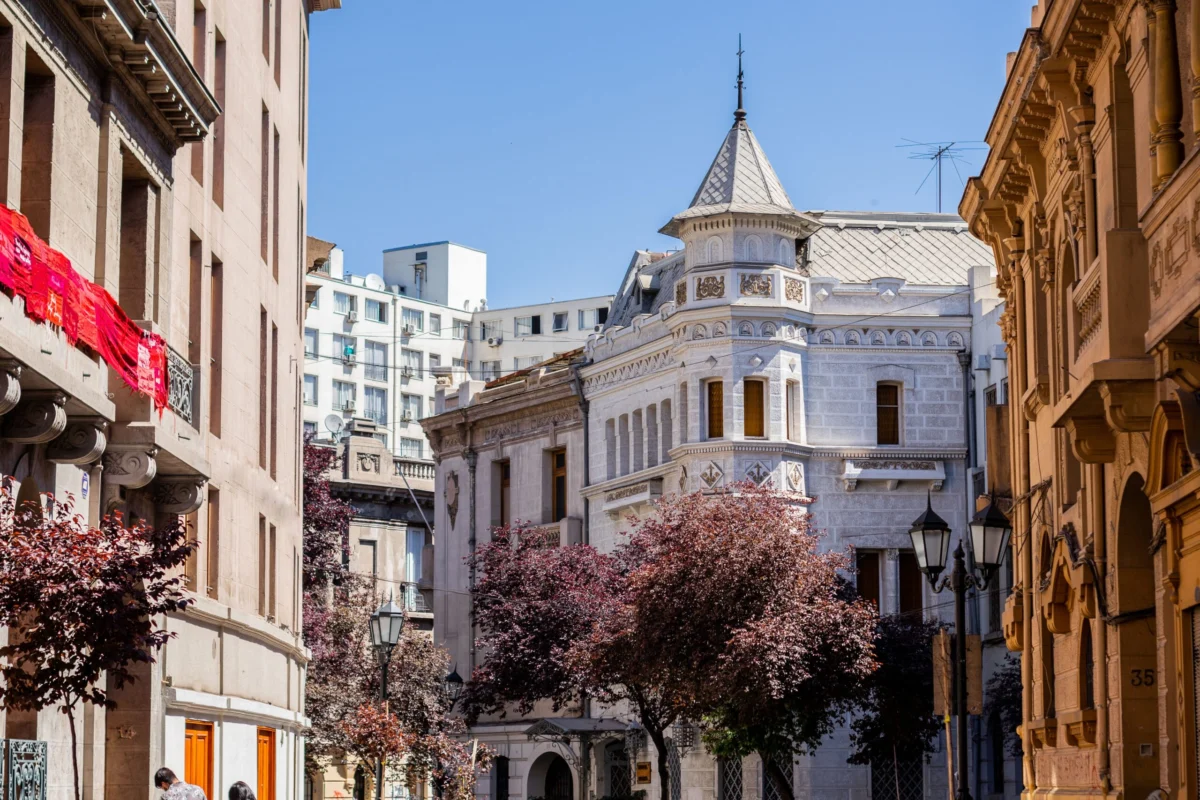
Santiago de Chile, a sprawling metropolis of seven million residents, serves as the primary gateway to the Southern Cone and stands as one of South America’s most geographically striking capitals. Positioned within a central basin, the city is flanked by the Chilean Coast Range to the west and the formidable, snow-capped peaks of the Andes Mountains to the east. Long considered a mere stopover for travelers destined for the glacial landscapes of Patagonia or the lunar terrains of the Atacama Desert, Santiago has undergone a significant cultural and infrastructural metamorphosis. This evolution has culminated in its recognition as a premier global destination for 2026, driven by a sophisticated culinary scene, world-class museums, and a strategic location that allows for access to both high-altitude ski resorts and Pacific coastal towns within a two-hour radius.
Historical Trajectory and Urban Evolution
The foundation of Santiago dates back to February 12, 1541, when Spanish conquistador Pedro de Valdivia established the settlement at the foot of Santa Lucía Hill. Throughout the colonial era and the subsequent independence movement of the early 19th century, the city served as the administrative heart of the nation. However, its modern identity is inextricably linked to the events of the late 20th century. The presidential palace, La Moneda, remains a somber monument to the 1973 military coup, an event that reshaped the nation’s political and social fabric for nearly two decades.

Since the transition to democracy in 1990, Santiago has experienced an economic boom, characterized by the rise of "Sanhattan"—the high-rise financial district in Las Condes and Vitacura—and the expansion of its sophisticated underground metro system. Today, the city is a study in contrasts: neoclassical architecture in the historic core sits alongside the Gran Torre Santiago, the tallest building in South America. This blend of historical weight and forward-looking ambition defines the contemporary Santiaguino experience.
Strategic Connectivity and Infrastructure
Santiago is anchored by the Arturo Merino Benítez International Airport (SCL), which recently underwent a major expansion with the inauguration of a new international terminal (Terminal 2). This development has significantly increased the airport’s capacity, facilitating its role as the primary hub for LATAM Airlines, the largest carrier in Latin America. Through a strategic joint venture with Delta Air Lines, the airport maintains robust connectivity with major North American hubs, including New York, Miami, Atlanta, Dallas, Houston, and Los Angeles.
Upon arrival, the city’s transportation network is regarded as one of the most efficient in the region. The Santiago Metro spans over 140 kilometers across seven lines, utilizing a contactless payment system known as the Bip! card, which also integrates with the city’s comprehensive bus network, Red Metropolitana de Movilidad. While traditional taxis remain prevalent, ride-sharing platforms like Uber and Cabify are widely utilized by international visitors for their transparency in pricing and safety protocols.

Climate and Optimal Visitation Windows
The city’s Mediterranean climate provides distinct seasonal experiences, influenced heavily by its proximity to the Andes.
The Spring Shoulder Season (September–November)
Professional travel analysts frequently recommend the southern spring as the ideal visitation window. During these months, daytime temperatures typically hover in the mid-70s Fahrenheit (23–25°C). This period coincides with "Fiestas Patrias" in mid-September, the national independence celebrations. Travelers can observe the "cueca"—Chile’s national dance—and visit "fondas," temporary festivals featuring traditional foods such as empanadas de pino and "chicha" (fermented grape cider).
The Arid Summer (December–February)
Summer in Santiago is characterized by high temperatures and low humidity. While the mercury can reach the 90s, the lack of humidity and the cool evening breezes from the mountains prevent the climate from feeling oppressive. This is the peak season for the coastal regions of Zapallar and Valparaíso, though the capital itself becomes noticeably quieter as residents depart for their own summer holidays in late January.

The Winter Ski Season (June–August)
Winter brings the majority of the region’s precipitation, which translates to heavy snowfall in the high Andes. This attracts a global demographic of skiers and snowboarders to resorts such as Valle Nevado, La Parva, and El Colorado. These resorts are part of major international pass networks, including the Ikon Pass and Mountain Collective, highlighting Santiago’s status as a premier destination for Southern Hemisphere winter sports.
The Gastronomic Renaissance and Viticulture
Santiago’s food scene has transitioned from traditional fare toward a sophisticated, ethnographical approach to dining. The city has become a global leader in the "Nikkei" movement—a fusion of Japanese techniques with South American ingredients.
Fine Dining and Innovation
At the forefront of this movement is Chef Rodolfo Guzmán of Boragó, consistently ranked among the best restaurants in the world. Guzmán’s menu is a research-based exploration of Chile’s endemic flora and fauna, featuring ingredients like Patagonian rainberries and Atacama desert plants. Similarly, 99 Restaurante, led by Chef Kurt Schmidt, utilizes a rotating seasonal menu that focuses on the specific terroir of various Chilean wine valleys, providing a hyper-local dining experience.

Urban Markets and Casual Fare
The recent opening of Mercado Urbano Tobalaba (MUT) represents a shift toward integrated urban spaces. This seven-story complex combines retail, art, and high-quality casual dining. Notable tenants include Mirai Food Lab, which focuses on fermentation, and La Vermuteria, which produces vermouths using botanicals sourced from the Chilean countryside. For more traditional experiences, the Lastarria neighborhood offers Bocanáriz, a premier wine bar showcasing the diversity of Chile’s 4,000 miles of viticultural geography.
Viticulture of the Maipo Valley
Santiago is one of the few global capitals with world-class vineyards located within its metropolitan limits. The Maipo Valley is world-renowned for its Cabernet Sauvignon and Carmenere—the latter a French grape variety that was thought extinct until it was rediscovered in Chile in 1994. Historic estates such as Concha y Toro and Santa Rita offer tours that provide context on the region’s volcanic soils and the "Andean effect" on grape maturation.
Cultural Institutions and the Preservation of Memory
The city’s commitment to culture is evident in its diverse array of museums and galleries. The Chilean Museum of Pre-Columbian Art is an essential stop for understanding the indigenous history of the Americas, housing an extensive collection of ceramics, textiles, and "chemamüll" (wooden funerary statues) from the Mapuche people.

Equally significant is the Museum of Memory and Human Rights in the Yungay district. Opened in 2010, the museum serves as a dedicated space to document the human rights violations committed during the military dictatorship between 1973 and 1990. The institution plays a vital role in the national process of reconciliation and serves as a powerful educational tool for visitors.
For literary enthusiasts, "La Chascona" provides a window into the life of Nobel Prize-winning poet Pablo Neruda. Located in the bohemian Bellavista neighborhood, the house was designed by Neruda to reflect his eclectic tastes and his deep connection to the sea, despite its landlocked location.
Regional Geography and Outdoor Recreation
Santiago’s location offers unparalleled access to diverse ecosystems. To the southeast lies the Cajón del Maipo, a dramatic gorge that leads deep into the Andes. Here, hikers can access trails leading to the San José Volcano or the El Morado Natural Monument. The area is also famous for the Termas de Colina, natural hot springs tiered along the mountainside.
.jpg)
To the west, the port city of Valparaíso offers a starkly different aesthetic. A UNESCO World Heritage site, Valparaíso is built across dozens of steep hills overlooking the Pacific. It is famous for its historic funiculars, vibrant street art, and its role as a major maritime hub. Adjacent to it is Viña del Mar, a more modern resort city known for its beaches and the iconic "Reloj de Flores" (Flower Clock).
Hospitality and Economic Implications
The hospitality sector in Santiago has diversified to cater to both the "Sanhattan" business traveler and the luxury leisure tourist. The Mandarin Oriental and the W Santiago represent the pinnacle of modern luxury in the eastern districts, offering high-rise views and extensive amenities. Conversely, the Lastarria and Bellas Artes neighborhoods provide boutique experiences in restored historical buildings. The Singular Santiago is a notable example, blending neo-classical architecture with high-end modern design.
The growth of this sector is a key indicator of Chile’s broader economic stability. Tourism has become a vital pillar of the national economy, with the government investing heavily in "Sernatur" (the national tourism service) to promote sustainable travel. The focus on 2026 as a target year for increased international arrivals reflects a strategic push to position Santiago not just as a regional hub, but as a primary destination that competes with the likes of Buenos Aires and Rio de Janeiro.

Conclusion
Santiago, Chile, stands as a testament to the resilience and ambition of the Chilean people. By leveraging its dramatic geography, preserving its complex history, and fostering a world-class culinary and viticultural industry, the city has successfully redefined itself for the 21st century. Whether exploring the high-altitude trails of the Andes, reflecting on the historical weight of the Museum of Memory, or sampling the avant-garde flavors of a Nikkei kitchen, visitors to Santiago encounter a city that is as intellectually stimulating as it is visually spectacular. As it approaches 2026, the Chilean capital is poised to further solidify its status as an indispensable pillar of South American travel.