Jono Maryono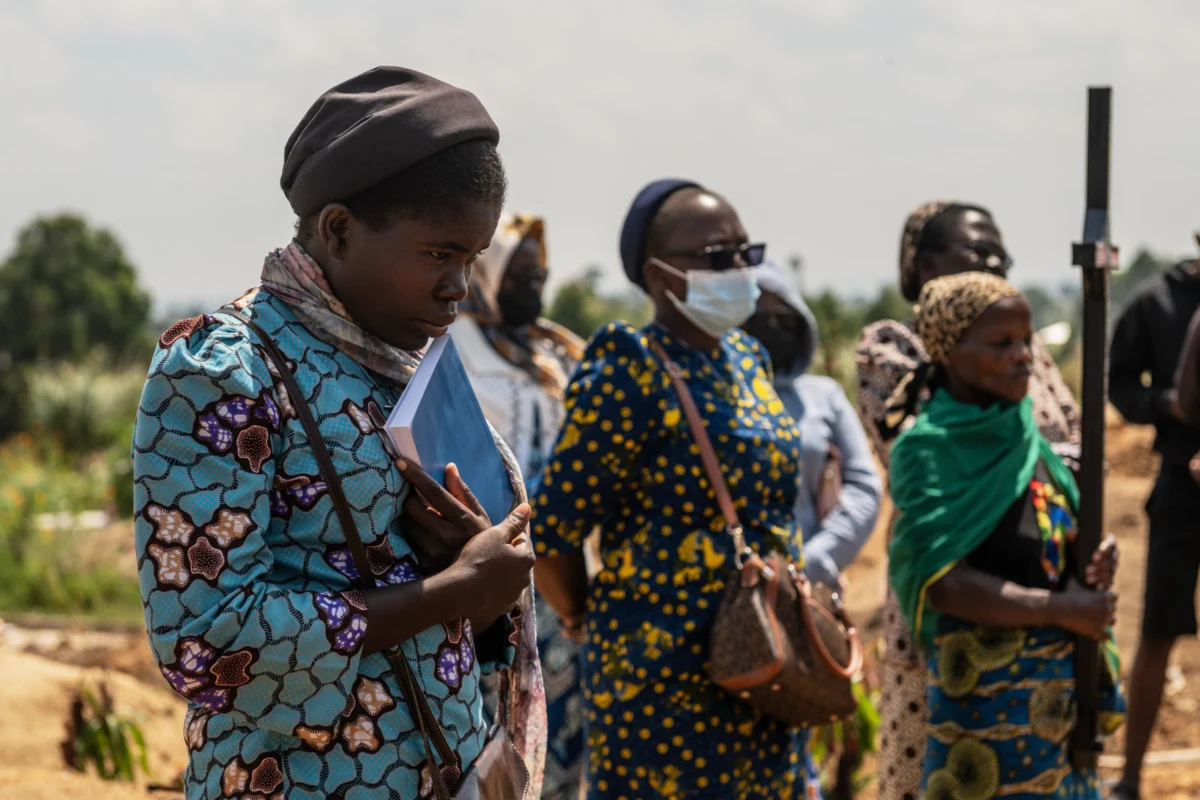
The Democratic Republic of the Congo (DRC) is grappling with a devastating Ebola outbreak, with confirmed cases now exceeding 1,000. Health officials are confronting a deepening crisis in the eastern part of the country, where relentless violence and the resultant mass displacement of populations are severely hampering containment efforts. The outbreak, primarily centered in the northeastern Ituri province, represents a stark challenge to public health infrastructure and international humanitarian response mechanisms.
Escalating Numbers and Grim Statistics

As of Sunday, the DRC’s Ministry of Health reported a grim milestone: 1,003 confirmed cases of Ebola. Tragically, this has resulted in 254 deaths since the outbreak was officially declared on May 15. While 100 individuals have successfully recovered, a significant number, at least 365, remain hospitalized or in isolation facilities, underscoring the ongoing threat posed by the virus.
This outbreak is caused by the Bundibugyo strain of Ebola, a particularly virulent and rare variant for which there is no approved vaccine or specific antiviral treatment. The rapid spread in its initial month made it the country’s worst on record, a grim testament to the challenges faced by health workers on the ground. Officials have openly acknowledged the likelihood of numerous undetected infections, suggesting that the epidemic’s peak may still be on the horizon.
Obstacles to Containment: Violence and Displacement

The efficacy of contact tracing, a crucial component in curbing the spread of infectious diseases, has been severely compromised. The Ministry of Health indicated that contact tracing efforts have only reached approximately 55 percent of individuals who may have been exposed. This leaves significant gaps in the response, making it difficult to identify and isolate potential chains of transmission.
Dr. Jean Kaseya, director general of the Africa Centres for Disease Control and Prevention, articulated the core challenge: "If you want to control an outbreak, especially an Ebola outbreak, you must know the index case. We don’t have confidence in when this outbreak started." This uncertainty about the initial source of infection further complicates epidemiological investigations and the implementation of targeted interventions.
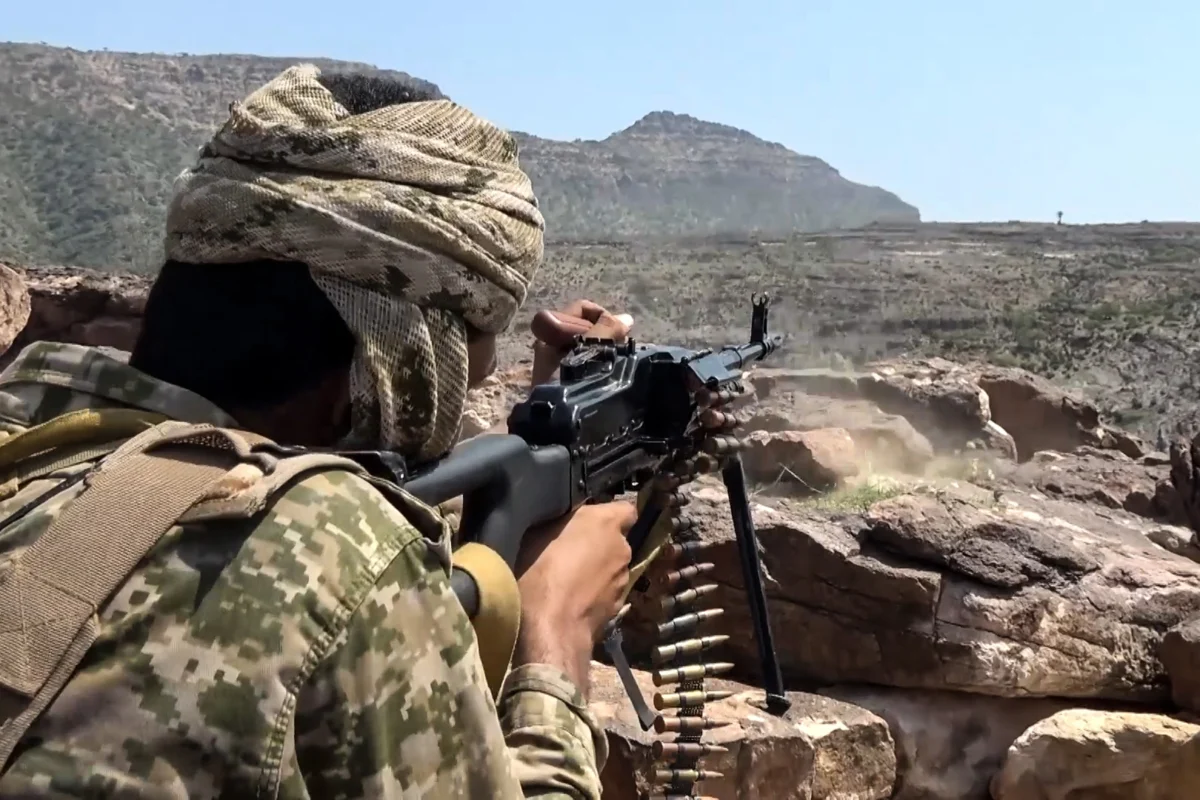
The pervasive insecurity in eastern DRC, fueled by persistent attacks from armed groups such as the ISIL-linked Allied Democratic Forces (ADF), is a primary driver of the current crisis. These attacks have not only isolated entire villages but have also forced tens of thousands to flee their homes, seeking refuge in overcrowded displacement camps. These camps, often lacking basic sanitation and adequate healthcare facilities, become fertile ground for the rapid transmission of infectious diseases, including Ebola.

One such camp, Kigonze, located near Bunia, has become a focal point of concern. It currently shelters over 20,000 displaced individuals. Last week, officials at Kigonze reported 10 unexplained deaths, prompting an urgent call for an investigation. While no confirmed Ebola cases have been linked to the camp thus far, the situation remains highly volatile.
Charite Banza, a civil society leader in Ituri, expressed the dire sentiment felt by many: "If a disease or epidemic were to spread among the thousands of people living at this site, it would be a real catastrophe, given our already very precarious living conditions." This statement highlights the precarious humanitarian situation and the amplified risk of a widespread epidemic in such densely populated and resource-limited environments.
Background: A History of Outbreaks in the DRC

The Democratic Republic of the Congo has a long and tragic history of Ebola outbreaks. The first-ever identified Ebola epidemic occurred in the DRC (then Zaire) in 1976, with subsequent outbreaks occurring periodically throughout the country. These recurring events have, to some extent, built capacity within the national health system and fostered collaboration with international health organizations like the World Health Organization (WHO) and Médecins Sans Frontières (MSF).
However, the current outbreak in Ituri province presents a unique set of challenges. The Bundibugyo strain, while less common than the Zaire strain which caused the devastating West Africa epidemic of 2014-2016, is known for its severity. Furthermore, the persistent instability and widespread presence of armed groups in eastern DRC create an environment fundamentally different from previous outbreaks, making humanitarian access and public health interventions significantly more difficult. The region has been plagued by decades of conflict, involving numerous armed factions vying for control of resources and territory, leading to widespread displacement and a breakdown of social services.
Timeline of Key Developments (Illustrative based on provided data)

- May 15: The Ebola outbreak in the northeastern Democratic Republic of the Congo (DRC), specifically in Ituri province, is officially declared.
- Early Weeks: The outbreak rapidly escalates, with initial case numbers growing significantly. The Bundibugyo strain is identified as the causative agent.
- Ongoing: Violence perpetrated by groups like the ADF intensifies, leading to mass displacement of populations from affected and surrounding areas.
- Recent Weeks: Tens of thousands flee their homes, seeking refuge in displacement camps such as Kigonze. Overcrowding and poor living conditions become a major concern.
- Last Week: Officials at Kigonze displacement camp report 10 unexplained deaths, raising alarms about potential disease spread.
- Present: Confirmed cases surpass 1,000, with a significant death toll and hundreds still requiring isolation. Contact tracing efforts fall short of ideal coverage, leaving critical gaps in disease surveillance.
Supporting Data and Analysis
The statistics released by the Ministry of Health paint a stark picture of the outbreak’s severity:
- Total Confirmed Cases: 1,003
- Total Deaths: 254 (Case Fatality Rate: Approximately 25.3%)
- Recoveries: 100
- Individuals in Hospital/Isolation: At least 365
- Contact Tracing Coverage: Approximately 55% of potential contacts
The case fatality rate, while variable in Ebola outbreaks, indicates a significant proportion of infected individuals are succumbing to the virus. This rate can be influenced by factors such as the strain of Ebola, the speed of diagnosis and treatment, and the underlying health status of affected populations.

The fact that over half a thousand people are still in hospital or isolation suggests that the outbreak is far from contained and that the risk of further transmission remains high. The insufficient contact tracing coverage is particularly worrying. Effective contact tracing allows health workers to identify individuals who may have been exposed to the virus, monitor them for symptoms, and isolate them promptly if they become ill. Without this, the virus can spread undetected within communities, leading to exponential growth in case numbers.
The mention of "unexplained deaths" in the Kigonze displacement camp is a critical indicator of potential silent transmission. In densely populated, unsanitary environments, even a few undetected cases can quickly escalate into a widespread outbreak. The lack of basic hygiene facilities, clean water, and access to healthcare in such camps exacerbates the risk of not only Ebola but also other infectious diseases like cholera and measles, potentially leading to a multi-epidemic scenario.
Official Responses and International Collaboration

The Ministry of Health in the DRC, in collaboration with international partners such as the World Health Organization (WHO), the United Nations Children’s Fund (UNICEF), and various non-governmental organizations (NGOs), is actively engaged in the response. Efforts are underway to:
- Strengthen Surveillance: Enhancing the capacity to detect new cases and monitor the spread of the virus.
- Improve Case Management: Ensuring that treatment centers are adequately equipped and staffed to care for patients.
- Conduct Contact Tracing: Intensifying efforts to identify and monitor individuals exposed to confirmed cases, despite security challenges.
- Promote Infection Prevention and Control (IPC): Educating communities on hygiene practices and safe burial rituals.
- Vaccination Campaigns: While there is no vaccine for the Bundibugyo strain, efforts may be focused on experimental vaccines or specific treatments if available, and on broader public health messaging. (Note: The original article mentions no approved vaccine, which remains the case for Bundibugyo.)
- Provide Humanitarian Assistance: Delivering essential supplies, shelter, and water to displaced populations, while also working to improve living conditions in camps.
However, these efforts are consistently undermined by the volatile security situation. Access to remote areas is often restricted, and attacks on health workers and facilities have been reported in the past during similar outbreaks in the DRC, posing a significant risk to those on the front lines of the response.
Broader Impact and Implications

The current Ebola outbreak in the DRC has far-reaching implications beyond the immediate health crisis:
- Humanitarian Catastrophe: The combination of disease, violence, and displacement creates a complex humanitarian emergency. Vulnerable populations, including children and women, are disproportionately affected. The image of Catholic nuns attending the funeral of an infant orphaned by Ebola underscores the profound human cost of this epidemic.
- Economic Disruption: The outbreak disrupts local economies, impacts trade, and diverts resources that could otherwise be used for development. The fear of contagion can also lead to the isolation of affected regions, further hindering economic activity.
- Regional Instability: The DRC’s eastern region is already a hotspot of instability. A widespread Ebola outbreak could spill over into neighboring countries, posing a regional public health threat and potentially exacerbating existing tensions.
- Erosion of Trust: When public health responses are hindered by insecurity and a lack of basic resources, it can erode trust between communities and authorities, making future interventions more challenging. The perception that the government and international community are unable to protect its citizens can fuel resentment and instability.
- Long-Term Health Consequences: Survivors of Ebola can experience long-term health complications, including vision problems, joint pain, and neurological issues. The psychological toll on individuals, families, and communities grappling with loss and fear is immense.
The ongoing Ebola crisis in the eastern DRC serves as a critical reminder of the interconnectedness of health, security, and humanitarian needs. Addressing this complex challenge requires a sustained, multi-faceted approach that tackles the root causes of insecurity while simultaneously bolstering public health infrastructure and providing essential humanitarian aid to those most in need. The international community’s commitment to supporting the DRC in overcoming this devastating epidemic will be crucial in mitigating its immediate impact and preventing future catastrophes.