Nila Kartika Wati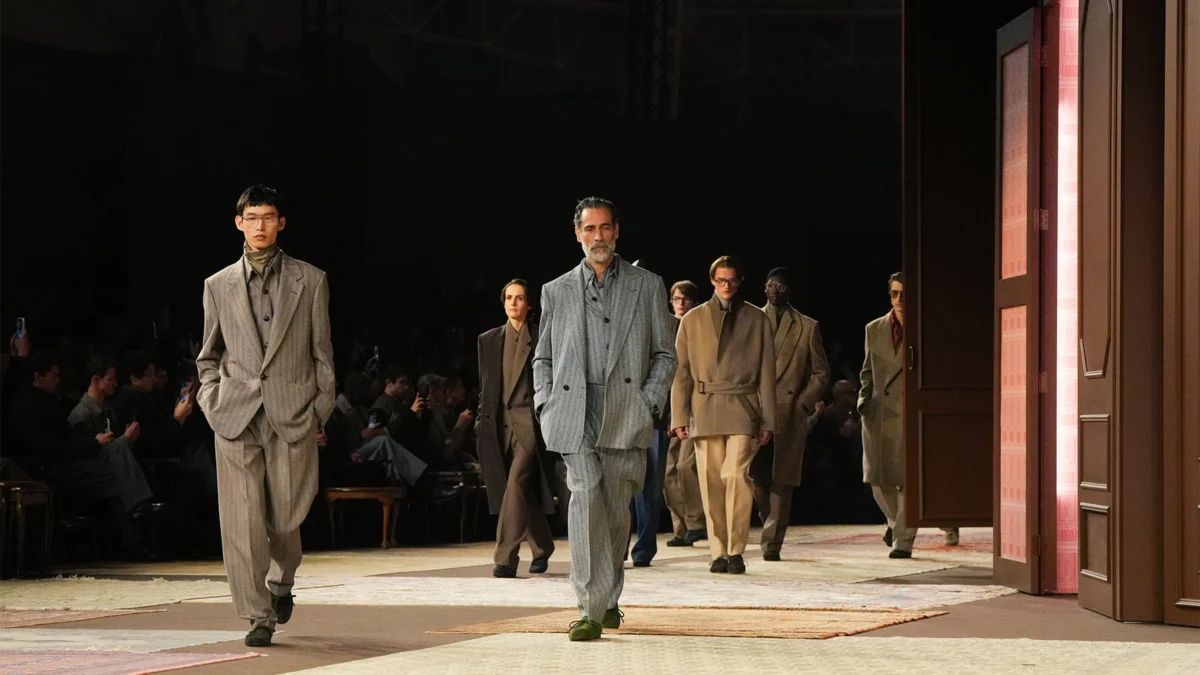
The global luxury fashion industry, long characterized by its aspirational appeal and imperviousness to economic downturns, is currently navigating a complex landscape. While pockets of robust growth persist, a discernible sector-wide slowdown has prompted brands to recalibrate their strategies and explore new avenues for engagement. In this dynamic environment, Italian menswear powerhouse Zegna is set to become the latest high-profile luxury player to host a significant runway presentation in the United States on Friday. This strategic move underscores the brand’s ambition to capitalize on the enduring strength of the American market, a relative bright spot amidst a period of broader industry headwinds. The show, expected to draw a constellation of fashion insiders, celebrities, and influential buyers, signals Zegna’s commitment to reinforcing its position and extending its winning streak in a market that continues to demonstrate remarkable consumer appetite for premium goods.
Zegna’s US Pivot: A Strategic Response to Market Dynamics
The decision by Zegna to stage a major runway show in the US is not merely a symbolic gesture but a calculated maneuver rooted in a deep understanding of current market realities. The luxury sector has witnessed a cooling of demand in some traditional strongholds, prompting brands to diversify their geographical focus and enhance their presence in markets exhibiting sustained momentum. The United States, with its affluent consumer base, vibrant retail landscape, and growing appreciation for artisanal craftsmanship, has emerged as a crucial battleground for luxury brands. By presenting its latest collection on American soil, Zegna aims to directly engage with this key demographic, foster deeper brand loyalty, and underscore its relevance in a market that has proven resilient even as other regions experience a deceleration in growth. This aligns with a broader trend observed among major luxury houses, including Dior, Gucci, and Louis Vuitton, which have increasingly prioritized US-based events and activations to connect with their American clientele.
The timing of Zegna’s US debut is particularly significant. The fashion calendar typically sees major menswear presentations concentrated in European fashion capitals like Milan and Paris. Shifting this focus to the US indicates a deliberate effort to tap into the burgeoning demand and to potentially influence trends from a different vantage point. This move also serves to highlight Zegna’s specific vision for menswear within the context of the American consumer’s evolving preferences, which increasingly lean towards sophisticated yet relaxed styles, a core tenet of Zegna’s brand identity.
The Broader Luxury Landscape: Navigating a Sector-Wide Slowdown
The fashion industry, particularly the luxury segment, has experienced a period of extraordinary growth in the aftermath of the COVID-19 pandemic, fueled by pent-up demand and significant wealth accumulation among affluent consumers. However, this momentum has begun to moderate. Global luxury sales, while still showing positive growth, have seen their trajectories flatten compared to the post-pandemic surge. Factors contributing to this slowdown include persistent inflation impacting discretionary spending, geopolitical uncertainties, and a normalization of consumer behavior after the initial burst of post-lockdown spending.
Recent reports from industry analysts and financial institutions highlight these shifts. For instance, consulting firm Bain & Company, in collaboration with Altagamma, has projected a more moderate growth rate for the personal luxury goods market in the coming years, compared to the double-digit expansion seen in 2021 and 2022. While the overall market is still expected to expand, reaching an estimated €540 billion by 2030, the pace of growth is adjusting. This necessitates a strategic re-evaluation by brands, moving away from broad-based expansion to more targeted and impactful initiatives.
Within this context, the US market has demonstrated a remarkable ability to absorb luxury goods. While European markets have faced challenges related to the cost of living crisis and a more cautious consumer sentiment, the American consumer has, by and large, maintained a strong purchasing power for high-end products. This resilience can be attributed to several factors, including a robust job market, sustained wealth creation, and a cultural inclination towards aspirational consumption. Brands that can effectively tap into this market are well-positioned to weather the broader industry slowdown.
Spotlight on Retail Giants: Macy’s and Zara’s Momentum
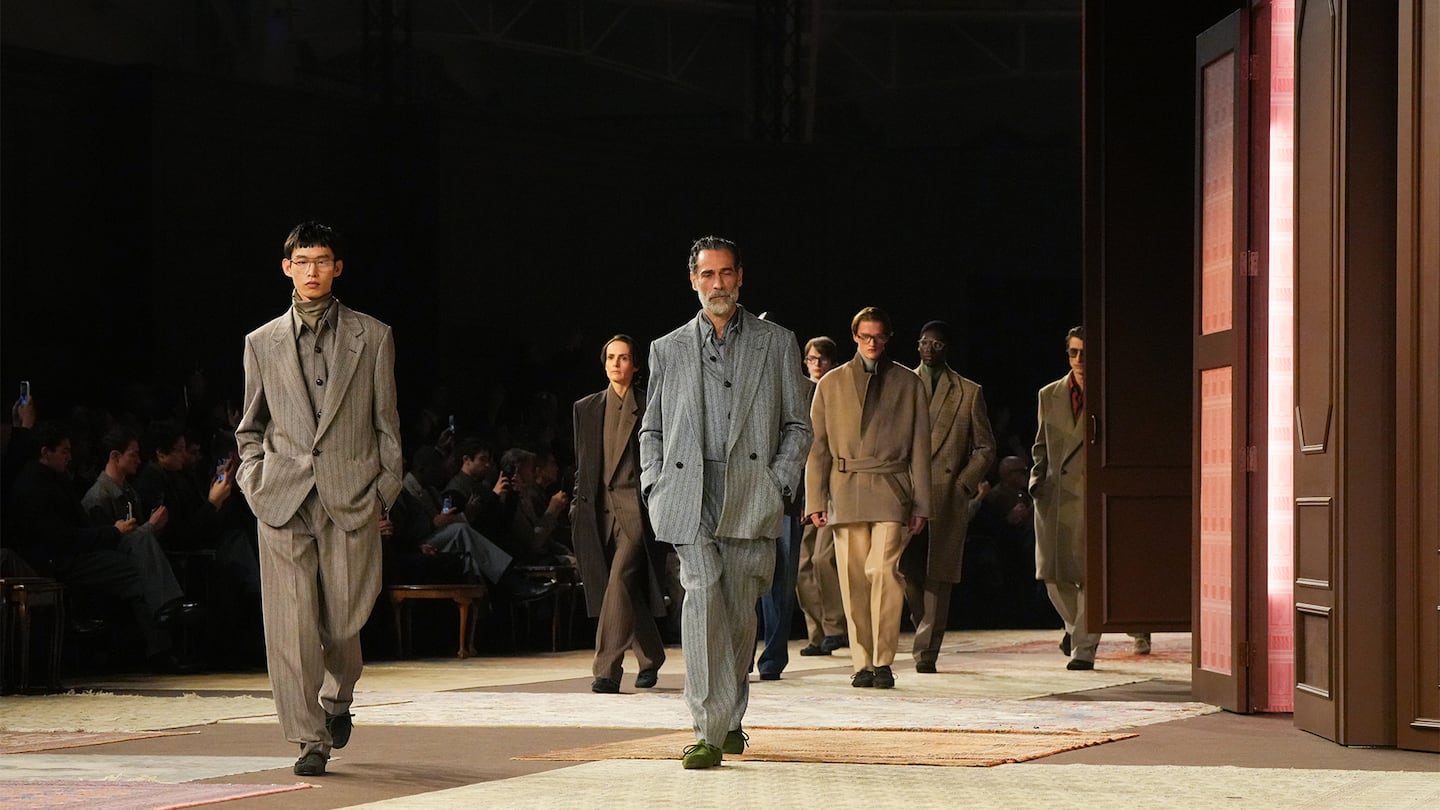
Beyond Zegna’s strategic runway presentation, the broader retail landscape in the US offers further insights into market dynamics. Macy’s, a venerable American department store, has been engaged in a significant turnaround effort. The company has been implementing a "Bold New Chapter" strategy, focusing on improving its digital presence, optimizing its store footprint, and enhancing the in-store customer experience. While the department store model faces inherent challenges in the current retail environment, Macy’s efforts to modernize and adapt are crucial for its long-term viability. Recent financial reports have indicated some progress, with the company striving to regain market share and appeal to a younger demographic while retaining its loyal customer base. The success of Macy’s turnaround will have broader implications for the traditional retail sector, demonstrating whether established players can successfully navigate the digital transformation and evolving consumer preferences.
Simultaneously, fast-fashion giant Zara continues to exhibit impressive momentum. Owned by Inditex, Zara has consistently outperformed many of its competitors, leveraging its agile supply chain, rapid trend adaptation, and strategic pricing to maintain strong sales figures. The brand’s ability to quickly translate runway trends into accessible fashion pieces has resonated with a wide consumer base, particularly younger shoppers. Zara’s ongoing success story serves as a case study in responsive retail, highlighting the importance of speed, flexibility, and a keen understanding of consumer demand in the contemporary fashion marketplace. Its performance offers a contrast to the more measured, heritage-driven approach of luxury brands like Zegna, yet both are navigating the same complex economic currents, albeit with different strategies and target audiences.
The Zegna Show: A Symbol of Enduring Luxury Appeal
Zegna’s decision to host its upcoming runway show in the US is more than just a seasonal event; it’s a potent symbol of the enduring appeal of luxury fashion and the strategic importance of the American market. The brand, with its rich heritage in fine tailoring and its contemporary vision for menswear, is poised to present a collection that embodies its commitment to quality, craftsmanship, and innovative design. The choice of location, while not yet disclosed, will likely be a significant factor, aiming to evoke a sense of place that resonates with American sensibilities and aspirations.
The presence of A-list celebrities, fashion influencers, and key industry figures at such an event is virtually guaranteed. These attendees not only lend prestige to the show but also act as powerful amplifiers of the brand’s message through social media and broader public discourse. The visual content generated from the runway, the front row, and the surrounding activations will be disseminated globally, reinforcing Zegna’s brand image and driving consumer interest.
Implications for the Future of Luxury Fashion
The strategic choices made by brands like Zegna in the current market climate offer valuable insights into the future trajectory of the luxury fashion industry. As the sector moves beyond a period of unprecedented, pandemic-fueled growth, a greater emphasis will be placed on strategic market penetration, targeted consumer engagement, and a deep understanding of evolving global economic and social trends.
The increasing focus on the US market by European luxury houses underscores its growing importance as a primary revenue driver and a trend-setting hub. This trend is likely to continue, with more brands exploring similar initiatives to cultivate deeper connections with American consumers. Furthermore, the success of Zegna’s US debut will likely be closely watched by its competitors, potentially influencing future fashion calendar decisions and market investment strategies.
The juxtaposition of Zegna’s high-end presentation with the ongoing retail transformations at Macy’s and the consistent success of fast-fashion leaders like Zara highlights the multifaceted nature of the fashion industry. While the luxury segment aims to maintain its exclusivity and aspirational value, it must also adapt to the broader economic realities and the diverse purchasing behaviors of consumers across different market tiers. The ability of brands to navigate these complexities, offering compelling products and experiences that resonate with their target audiences, will be the key determinant of success in the years to come. Zegna’s foray into the US market is a bold step in this ongoing evolution, a testament to its confidence in the resilience of luxury and its strategic vision for sustained global growth.