Nila Kartika Wati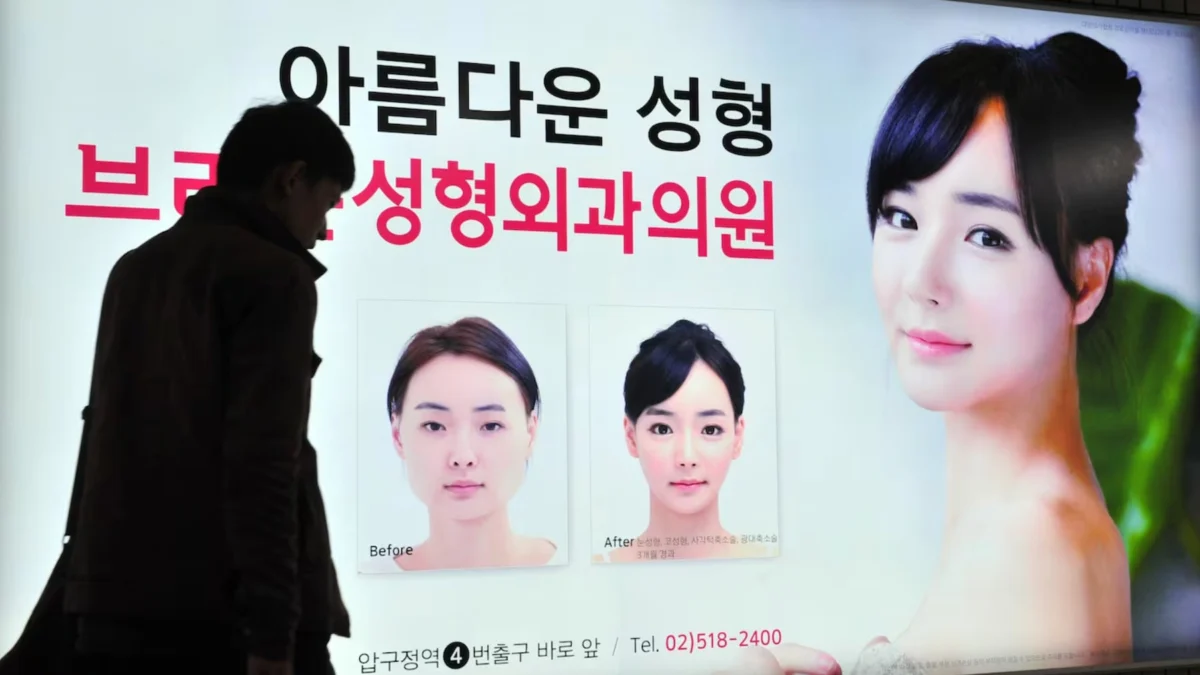
South Korea is rapidly transforming into a global hub for aesthetic treatments, with a significant surge in foreign patients seeking non-invasive procedures. This trend is not only reshaping the country’s tourism landscape but also highlighting the growing demand for accessible and advanced cosmetic services. Recent data indicates that the number of foreigners visiting South Korea for medical treatments has nearly doubled, significantly outpacing general tourist arrivals. This phenomenon is driven by a combination of factors, including the country’s reputation for cutting-edge technology, highly skilled practitioners, and competitive pricing, particularly for non-invasive procedures like LED therapy, ultrasound treatments, and injectables.
The Rise of Medical Tourism in South Korea
The allure of South Korea for aesthetic treatments is multifaceted. For years, the nation has been a global leader in skincare innovation and cosmetic surgery, earning the moniker "beauty capital." However, the recent shift towards non-invasive procedures signifies a maturing market catering to a broader demographic of international visitors. These treatments, often requiring less downtime and carrying lower risks than surgical interventions, are proving particularly attractive to a wider range of travellers.
Maria Zu’s recent experience in April exemplifies this trend. Having first visited Seoul eight years ago for traditional tourism, her latest trip was distinctly different. Instead of exploring cafes and parks, a significant portion of her time was dedicated to visiting skincare clinics. Under the watchful eyes of medical professionals, she underwent treatments involving laser technology and injectables. This personal narrative underscores a broader pattern: a growing number of international visitors are prioritizing aesthetic enhancements as a key component of their South Korean itinerary.
Statistical Snapshot: A Doubling of Medical Tourists
The statistics paint a compelling picture of this burgeoning sector. In the past year, South Korea welcomed just over 2 million foreign visitors specifically for medical treatments. This figure represents a remarkable increase from the 1.17 million recorded in the preceding year, effectively indicating a near doubling of medical tourism in a short period. This growth rate significantly outpaces the recovery and growth observed in general international tourism, suggesting a distinct driver behind these arrivals.
The surge in medical tourists highlights a strategic shift in South Korea’s approach to attracting international visitors. While traditional tourism remains vital, the country has successfully leveraged its expertise in the beauty and healthcare sectors to create a new, high-value segment of its tourism industry. This diversification is not only beneficial for the healthcare providers but also for ancillary industries such as hospitality, transportation, and retail, which benefit from the increased spending of these specialized visitors.
The Appeal of Non-Invasive Treatments
The preference for non-invasive treatments among foreign patients is a key differentiator in this growth narrative. Procedures such as LED (Light Emitting Diode) therapy, which utilizes specific wavelengths of light to address various skin concerns like acne, wrinkles, and inflammation, have gained immense popularity. Similarly, ultrasound treatments, known for their skin-tightening and collagen-stimulating effects without the need for incisions, are in high demand. Injectables, including dermal fillers and neuromodulators (like Botox), also remain a cornerstone of this trend, offering subtle yet significant improvements with minimal recovery time.
Several factors contribute to the popularity of these non-invasive options:
- Reduced Downtime: Unlike surgical procedures that often require weeks of recovery, non-invasive treatments typically allow patients to resume their daily activities almost immediately, making them ideal for travellers with limited time.
- Lower Risk Profile: The inherent risks associated with surgery are significantly reduced with non-invasive methods, appealing to a broader and potentially more risk-averse clientele.
- Technological Advancement: South Korea’s reputation for embracing and excelling in advanced medical technology means that foreign patients have access to state-of-the-art equipment and techniques.
- Skilled Practitioners: The country boasts a highly trained and experienced pool of dermatologists and cosmetic physicians who specialize in these procedures, often with years of practice and a deep understanding of facial anatomy and skin science.
- Cost-Effectiveness: While quality remains paramount, South Korea often offers competitive pricing for aesthetic treatments compared to many Western countries, making it an attractive destination for those seeking value for money without compromising on results.
A Chronology of Growth and Development
The ascent of South Korea as a medical tourism destination for aesthetic treatments has been a gradual yet deliberate process. While cosmetic surgery has long been a draw, the foundations for the current boom in non-invasive procedures were laid over the past decade.
Early 2010s: South Korea began to gain international recognition for its advancements in plastic surgery, particularly for procedures like double eyelid surgery and rhinoplasty. This initial phase attracted a specific demographic seeking more significant surgical enhancements.
Mid-2010s: The "K-Beauty" phenomenon, driven by the global popularity of Korean skincare products and K-dramas, started to influence perceptions of South Korea as a centre of beauty excellence. This increased general interest in Korean beauty standards and practices.
Late 2010s: As K-Beauty gained momentum, there was a noticeable increase in demand for less invasive aesthetic treatments. Clinics began to invest more heavily in non-surgical technologies and training for their practitioners in areas like laser treatments and injectables. The infrastructure for medical tourism, including multilingual staff and dedicated patient services, also began to expand.
Early 2020s (including post-pandemic recovery): The COVID-19 pandemic initially saw a dip in international travel. However, as travel restrictions eased, there was a pent-up demand for elective procedures. South Korea, with its perceived strong healthcare system and advanced non-invasive offerings, became a prime destination for those looking to address aesthetic concerns. The increased focus on self-care and personal appearance during lockdowns further fueled this demand. The current figures represent the strong rebound and continued growth in the post-pandemic era.
Supporting Data and Market Insights
The growth in medical tourism for aesthetic treatments in South Korea is supported by several key indicators:
- Clinic Expansion: The number of clinics specializing in dermatology and aesthetic procedures, particularly in areas like Gangnam and Apgujeong in Seoul, has seen a significant increase. These districts have become de facto tourist attractions for foreigners seeking beauty treatments.
- Government Initiatives: The South Korean government has actively promoted medical tourism through various initiatives, including targeted marketing campaigns, streamlined visa processes for medical tourists, and support for healthcare providers seeking international accreditation.
- Technological Investment: South Korean clinics and research institutions are at the forefront of developing and adopting new aesthetic technologies. This constant innovation ensures that the country remains a competitive and attractive destination for cutting-edge treatments.
- Patient Testimonials and Online Presence: The proliferation of positive patient testimonials, vlogs, and social media content from international visitors sharing their experiences with South Korean aesthetic treatments has created a powerful word-of-mouth marketing effect.
Reactions from Related Parties (Inferred)
The surge in foreign patients is likely eliciting a range of reactions from various stakeholders:
- South Korean Healthcare Providers: Clinics and medical professionals are experiencing unprecedented demand. This presents significant business opportunities, leading to increased investment in staff training, technology upgrades, and patient service enhancements. However, it also necessitates careful management to ensure quality of care and prevent over-saturation.
- Government and Tourism Agencies: The Ministry of Health and Welfare and the Korea Tourism Organization are likely viewing this trend with optimism, as it contributes significantly to the national economy and enhances South Korea’s global image. They are expected to continue supporting and facilitating the growth of this sector.
- Domestic Patients: While the focus is on foreign patients, the increased investment and technological advancements driven by medical tourism can also benefit local residents, potentially leading to improved access to and quality of aesthetic treatments within South Korea.
- International Competitors: Countries with established medical tourism sectors, particularly in aesthetic procedures, may view South Korea’s rapid growth as a challenge. This could lead to increased competition and a drive for innovation in other markets.
Broader Impact and Implications
The burgeoning trend of non-invasive aesthetic tourism in South Korea carries several broader implications:
- Economic Diversification: This sector provides a significant boost to the South Korean economy, creating jobs, generating revenue, and diversifying the country’s tourism offerings beyond traditional cultural and entertainment attractions.
- Global Beauty Standards: The continued prominence of South Korea in aesthetic treatments can influence global beauty standards and practices. The emphasis on natural-looking enhancements and preventative care through non-invasive methods may become more widely adopted internationally.
- Ethical Considerations: As the industry grows, there will be an increasing need for robust regulatory frameworks and ethical guidelines to ensure patient safety, prevent exploitation, and maintain the integrity of the medical profession. This includes addressing issues related to advertising, informed consent, and the management of patient expectations.
- Technological Innovation: The competitive landscape is likely to spur further innovation in non-invasive aesthetic technologies, benefiting patients worldwide.
- Integration of Tourism and Healthcare: The success of medical tourism in South Korea highlights the potential for closer integration between the healthcare and tourism industries, creating a symbiotic relationship that benefits both sectors.
In conclusion, South Korea’s transformation into a premier destination for non-invasive aesthetic treatments is a testament to its innovation, expertise, and strategic approach to healthcare and tourism. As more international travellers like Maria Zu discover the benefits of these advanced yet accessible procedures, the country is set to solidify its position as a global leader in the ever-evolving world of beauty and wellness. The sustained growth in this sector underscores a significant shift in how people approach self-care and rejuvenation, prioritizing convenience, safety, and cutting-edge technology.