Reynand Wu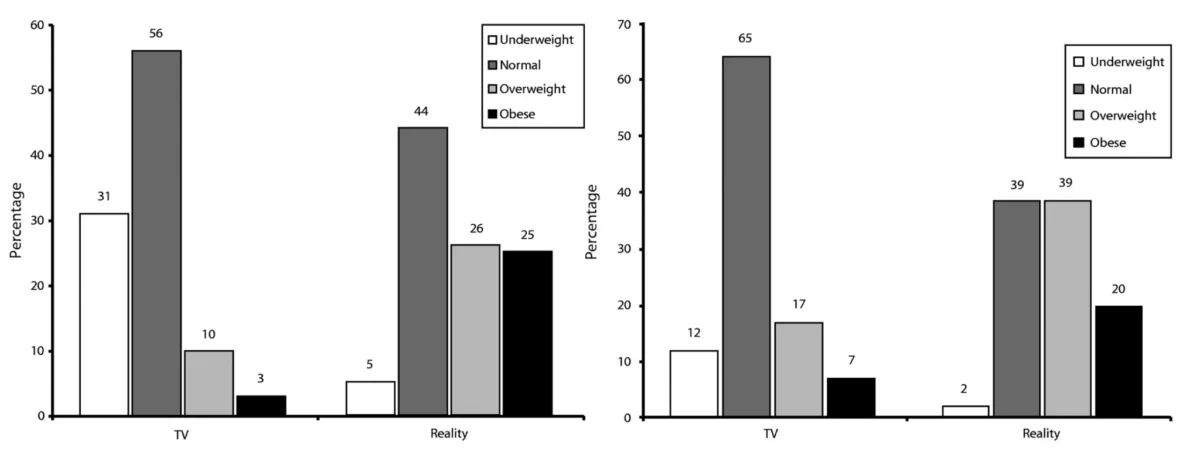
This skewed representation actively constructs and reinforces a societal standard where external beauty is exclusively equated with thinness, effectively excluding anyone who deviates from this restrictive definition. Viewers, particularly vulnerable demographics such as adolescents and young adults, can internalize this "thin ideal," leading to significant challenges in developing a positive self-image and fostering self-acceptance. When one’s own body does not align with the perpetually showcased media ideal, the disparity can fuel body dissatisfaction, anxiety, and a host of related psychological struggles. The consistent negative portrayal and treatment of fat characters on television thus directly influence how audiences perceive their own bodies and those of others, embedding a subtle yet powerful message about worth and desirability based on physical size.
The Pervasive Problem: Caricature and Omission
The issue extends beyond the mere absence of positive reinforcement; it encompasses the active dehumanization and trivialization of fat characters. Their stories are often secondary, their personalities superficial, and their presence primarily serves to advance the plotlines of thinner, more conventionally attractive characters. This lack of narrative depth prevents audiences from connecting with or understanding fat characters as complex individuals, further cementing them as "other." The findings from Tzoutzou et al. are not isolated incidents but symptomatic of a broader industry trend where physical attributes are disproportionately celebrated or condemned based on a narrow aesthetic. The subliminal message conveyed is that only thin bodies are worthy of admiration, romantic interest, or genuine character development, diminishing the humanity of anyone outside this prescribed norm.
Underrepresentation and Skewed Reality
Compounding the problem of negative portrayal is the significant underrepresentation of fat bodies on television screens compared to their prevalence in the real world. This phenomenon, often termed "Bigger Bodies, Smaller Roles," creates a distorted reality for viewers. Data from studies like Brownell et al. (2003) comparing female and male body types on television versus reality in the late 1990s and early 2000s illustrate this stark discrepancy. While a substantial portion of the general population falls into average or overweight categories, television predominantly features thin individuals. For instance, if a significant percentage of women in reality are categorized as overweight or obese, their representation on television remains dramatically lower, often less than half of their real-world presence. The same imbalance is observed in male portrayals.
This persistent gap between on-screen representation and demographic reality sends a powerful message that larger bodies are somehow less "normal" or less worthy of visibility. It contributes to a sense of invisibility for many viewers, who rarely see reflections of themselves or their lived experiences in the media they consume. The absence of diverse body types normalizes a singular, often unattainable, aesthetic, implicitly suggesting that other body shapes are deviations rather than valid forms of human existence. This underrepresentation is not merely an oversight; it is an active editorial choice that shapes public perception and contributes to the marginalization of larger individuals.
The Tropes: Comedy and Villainy
When fat characters do appear, their roles are often confined to deeply problematic archetypes: the comedic sidekick or the malevolent villain. These tropes serve to reinforce negative stereotypes and further diminish the humanity of individuals with larger bodies.
In comedy, the laughter often comes at the expense of fat characters, rather than with them. Overweight women, in particular, are disproportionately targeted for humor, being about twice as likely to be the subject of a joke compared to their thinner counterparts. These jokes frequently revolve around their physical size, eating habits, or perceived clumsiness, stripping them of dignity and reducing them to mere punchlines. Beyond being the butt of jokes, these characters are often relegated to smaller, less significant roles, experience fewer romantic relationships, and engage in fewer positive interactions than thin characters. This pattern perpetuates the harmful stereotype that fat individuals are inherently less desirable, less capable of complex emotions, and less deserving of love and respect, particularly within a romantic context. Such portrayals contribute to a culture where fat individuals are seen as objects of ridicule, rather than subjects of genuine narrative interest.
Equally concerning is the prevalent use of fat characters as villains. A study by Himes and Thompson revealed that in 64% of the most popular children’s videos, obesity was explicitly equated with negative traits such as evil, unattractiveness, unfriendliness, and cruelty. Iconic examples abound in children’s literature and film, such as Ursula from The Little Mermaid or the Queen of Hearts from Alice in Wonderland. These characters, often depicted with exaggeratedly large or imposing figures, serve as visual shorthand for malevolence and moral corruption. By associating fatness with villainy from an early age, media creators inadvertently embed a powerful, detrimental message in the minds of young viewers, fostering an unconscious bias against larger bodies. This demonization goes beyond mere neglect; it actively constructs and reinforces the idea that fatness is inherently negative, linking it to moral failings and undesirability. Such portrayals rob fat characters of their humanity, preventing the development of nuanced narratives that could challenge existing prejudices.
Psychological and Societal Repercussions
The continuous bombardment of negative and stereotypical portrayals of fat people in television has profound and lasting effects on audiences, impacting self-esteem, mental health, and social interactions. Viewers, especially those who do not conform to the thin ideal, can quickly internalize these damaging messages. A study by Fouts and Burggraf found that as little as 30 minutes of television viewing can significantly alter a young woman’s perception of her own body, leading to immediate feelings of dissatisfaction.
The Tzoutzou et al. study further highlighted that girls often acknowledge the media’s influence on their desire for thinness and adherence to beauty standards. This internalization frequently manifests in unhealthy behaviors, such as restrictive dieting, disordered eating patterns, and a preoccupation with weight loss. Many eating problems are directly linked to the pursuit of unrealistic body standards, an image relentlessly transmitted by mass media. The constant pressure to conform to an unattainable ideal can trigger a cycle of body shame, self-criticism, and attempts to alter one’s body, often to the detriment of physical and mental well-being.
Beyond individual psychological impact, these misrepresentations contribute to a broader societal issue of weight stigma and discrimination. Viewers may come to believe that if they do not fit the "body norm," they will be subjected to the same sexist, demeaning, or dismissive treatment they witness on screen. This can lead to anticipatory anxiety and a reluctance to engage in social situations, impacting career opportunities, romantic relationships, and overall quality of life. The fear of judgment and ridicule, fueled by media portrayals, can become a self-fulfilling prophecy, as societal biases often mirror what is seen on screen. All these aspects collectively contribute to a female viewer (and indeed, any viewer) feeling worse about themselves, not only regarding their appearance but also in their perceived social value and potential for positive interactions, all rooted in fictional and distorted depictions.
The Call for Change: Industry Responsibility and Advocacy
Television, at its core, is intended to be a source of entertainment, connection, and reflection. However, for a significant portion of the audience, it has become a source of discomfort and judgment. The persistent exclusion and demonization of larger bodies prevent many viewers from truly relaxing and enjoying the content, as they are constantly confronted with messages that invalidate their existence or portray them negatively. All bodies deserve to feel represented, valued, and seen in the diverse tapestry of television narratives.
The increasing awareness of these issues has spurred calls for greater responsibility within the entertainment industry and galvanized advocacy groups. Organizations like the National Association to Advance Fat Acceptance (NAAFA) and The Body Positive movement have consistently campaigned for more authentic, respectful, and diverse representation of all body types. Their demands include not only an increase in the number of fat characters but, crucially, a radical shift in how these characters are written and cast. This means moving beyond tokenistic appearances to developing complex, multi-dimensional characters whose stories are not solely defined by their weight. It calls for authentic casting, where fat actors are given opportunities to portray a full range of human experiences, including romantic leads, professionals, heroes, and nuanced individuals with rich inner lives.
While progress has been slow, there are nascent signs of change. Shows like Shrill, My Mad Fat Diary, and specific storylines within This Is Us have been lauded for attempting more nuanced and positive portrayals of fat characters, exploring their lives, relationships, and challenges with depth and empathy. These examples demonstrate that inclusive storytelling is not only possible but also resonates deeply with audiences craving authentic representation. Such efforts validate the experiences of viewers who have long been invisible or caricatured, fostering a sense of belonging and promoting healthier body image.
However, these positive examples remain the exception rather than the norm. The deeply ingrained nature of fatphobia within society and the entertainment industry means that systemic change requires a concerted and sustained effort. It necessitates a re-evaluation of casting practices, writing room diversity, and executive decision-making processes. There is also a compelling business case for diversity: a media landscape that accurately reflects the real world is more likely to engage and retain a broader, more loyal audience.
Moving Forward: A Vision for Inclusive Storytelling
The ultimate goal is for television to become a truly inclusive space where every individual, regardless of body size, can see themselves reflected with dignity and complexity. This means moving beyond the current paradigms of caricature and omission to embrace narratives where fat characters are simply people with full, rich lives. They deserve to experience passionate romantic relationships, achieve professional success, navigate complex emotional landscapes, and embody a wide range of human traits, independent of their physical dimensions. Their stories should not be solely about their weight, but about their aspirations, fears, joys, and struggles, just like any other character.
The power of media to shape cultural perceptions and influence individual self-worth is undeniable. Television creators, writers, producers, and executives bear a significant responsibility in determining the narratives that permeate our homes and minds. By consciously choosing to challenge entrenched stereotypes, embrace diverse casting, and craft authentic storylines, the industry has the potential to move beyond demonization and contribute to a more body-positive and inclusive world. This shift would not only enrich the viewing experience for all but also foster a healthier, more compassionate society that values individuals for their inherent worth, rather than their adherence to an arbitrary and often harmful beauty ideal.