Nila Kartika Wati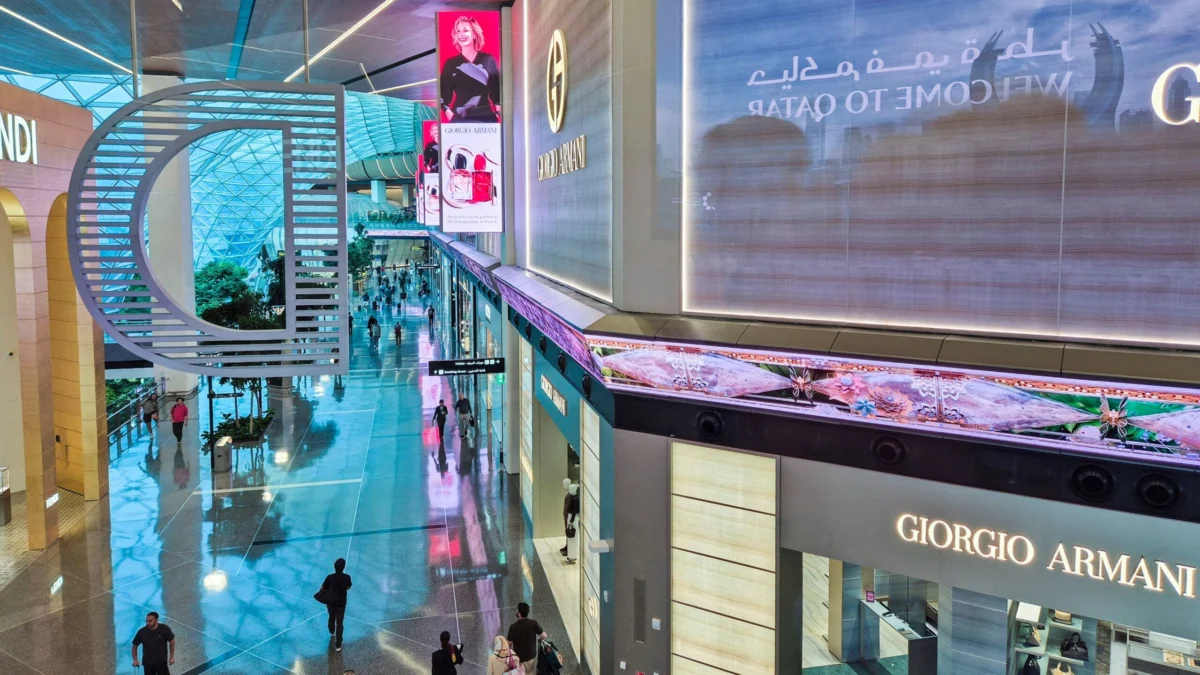
The halcyon days of duty-free shopping are decidedly over. Despite a robust recovery in global passenger numbers, which have now returned to pre-pandemic levels, sales within airport retail hubs are exhibiting a concerning sluggishness. This stark reality is compelling a significant number of brands to re-evaluate their presence in these traditionally lucrative travel retail spaces. For those brands still committed to chasing volume, the imperative is clear: innovate their product offerings or adapt their physical store footprints to function more as high-impact brand billboards rather than pure sales channels.
The initial post-pandemic surge in air travel was met with optimism from retailers, who anticipated a swift return to the spending habits of pre-2020. Data from the International Air Transport Association (IATA) indicated a dramatic rebound in passenger traffic, with global passenger traffic in 2023 reaching 94.6% of 2019 levels, and projections suggesting a full recovery to exceed 2019 figures by early 2024. Airports, once again bustling with travellers, seemed poised for a retail renaissance. However, the ground reality has proven far more complex. Anecdotal evidence and industry reports suggest that while people are flying, they are not necessarily opening their wallets in the same way they once did in the curated environment of duty-free.
A significant factor contributing to this retail lag appears to be a shift in consumer behaviour and priorities. The prolonged period of travel restrictions and economic uncertainty has fostered a more discerning shopper. Travellers are increasingly prioritizing experiences over material possessions, or are more budget-conscious due to broader inflationary pressures impacting household incomes. Furthermore, the rise of e-commerce has accustomed consumers to a wider selection, competitive pricing, and the convenience of home delivery, eroding some of the unique selling propositions of airport retail. The inherent inconvenience of carrying purchases through airports and onward travel also remains a deterrent for many.
The notion that delayed flights or extended layovers automatically translate into increased retail spending is being challenged. While passengers may indeed find themselves with more time on their hands, their inclination to indulge in impulse purchases at inflated airport prices appears to have diminished. This sentiment is subtly reflected in the muted performance of duty-free zones, which historically relied on captive audiences with limited alternatives and the perceived allure of tax savings.
The Evolving Airport Retail Landscape
The traditional model of duty-free, characterized by vast product assortments and a focus on high-value, low-volume luxury goods, is facing a critical juncture. Brands that historically saw airports as a prime channel for global exposure and sales are now confronted with the need for a strategic pivot. The challenge is multifaceted: how to capture the attention of a returning, yet potentially more cautious, traveller and convert their footfall into meaningful engagement and, ultimately, sales.
One key area of adaptation is the innovation of the offering itself. This could manifest in several ways:
- Exclusive Airport Collections: Brands could introduce limited-edition products or travel-exclusive kits that offer unique value and appeal specifically to the airport shopper. These items, unavailable elsewhere, create a sense of urgency and exclusivity.
- Experiential Retail: Moving beyond mere transactional spaces, airport stores are being reimagined as immersive brand experiences. This could include interactive displays, personalized consultations, virtual try-ons, or even small cafes offering a taste of the brand’s lifestyle.
- Curated Assortments: Instead of attempting to replicate the full range of a brand’s offering, stores might focus on a more curated selection of best-sellers, travel-friendly items, or gifts, making the shopping decision less overwhelming.
- Integration of Digital Services: Leveraging in-store technology, such as QR codes for product information, click-and-collect services from online inventories, or personalized recommendations based on pre-travel online behaviour, can bridge the gap between physical and digital retail.
Adapting Stores as Brand Billboards
For brands that prioritize brand visibility and awareness over immediate sales volume, the airport store can evolve into a powerful marketing tool. This strategy emphasizes creating memorable brand encounters that foster long-term customer loyalty. In this context, the physical space serves as a dynamic advertisement, designed to leave a lasting impression on millions of travellers.
- Striking Visual Merchandising: Stores can be designed with a strong visual narrative, utilizing striking architecture, innovative lighting, and captivating displays that reflect the brand’s identity and aesthetic. The goal is to create an "Instagrammable" moment that encourages sharing on social media.
- Brand Storytelling: Airports offer a unique opportunity to tell a brand’s story to a diverse, global audience. This can be achieved through multimedia installations, heritage displays, or interactive exhibits that educate and engage travellers about the brand’s origins, values, and craftsmanship.
- Partnerships and Collaborations: Airports are increasingly becoming venues for pop-up shops and collaborations with other complementary brands or local artisans. This can inject novelty and excitement into the retail landscape, attracting a wider range of shoppers.
- Service Hubs: Beyond retail, stores can function as service points, offering product demonstrations, styling advice, or even acting as pick-up points for online orders placed prior to travel. This adds value and convenience for the customer.
The Financial Implications and Brand Strategies
The sluggish sales performance in duty-free hubs has tangible financial implications for both brands and airport operators. For brands, a reduced return on investment from airport retail can necessitate a reallocation of marketing budgets and a re-evaluation of their global distribution strategy. For airport authorities, retail revenue is a significant component of their income, and a downturn can impact infrastructure development and passenger service improvements.
Industry analysts suggest that brands are increasingly segmenting their airport retail strategy. Those with a strong focus on direct-to-consumer sales and a well-established e-commerce presence might view airport retail more as a brand-building exercise, focusing on experiential elements and brand storytelling. Conversely, brands that heavily rely on travel retail for a substantial portion of their sales are under immense pressure to adapt their product and service offerings to stimulate demand.
This shift is not entirely new, but the pandemic has undoubtedly accelerated these trends. The convergence of changing consumer habits, the maturation of e-commerce, and the ongoing evolution of the travel experience have created a perfect storm for traditional duty-free retail.
A Look Back: The Rise and Reign of Duty-Free
Duty-free shopping emerged in the mid-20th century as a way to boost international tourism and provide an incentive for travellers to spend money within a country’s borders. The concept was simple: by exempting certain goods from domestic taxes and duties, retailers could offer them at a lower price to international travellers. This model proved incredibly successful, particularly for luxury goods, cosmetics, perfumes, and alcohol, which were often seen as prime candidates for duty-free sales.
Airports, with their captive audience of travellers in transit, became the natural epicentre for duty-free operations. Over the decades, these retail spaces grew in size and sophistication, transforming from modest kiosks into sprawling emporiums that rivaled high-street department stores. Brands recognized the immense global reach that airport retail offered, providing an unparalleled opportunity to connect with consumers from diverse backgrounds and markets. For many luxury brands, duty-free represented a significant, and often highly profitable, sales channel.
The timeline of duty-free’s evolution is marked by increasing competition, consolidation among retail operators, and a constant drive for innovation to capture the traveller’s attention. However, the underlying premise – that travellers are eager to shop and save money on taxes – has remained largely consistent until recent years.
The Road Ahead: Navigating the New Normal
The future of airport retail will likely be defined by a greater emphasis on personalization, digitalization, and experiential offerings. Brands that fail to adapt to these evolving consumer expectations and the changing retail landscape risk becoming increasingly irrelevant in this crucial travel touchpoint.
- Data-Driven Strategies: Leveraging passenger data and purchase history will be crucial for offering personalized recommendations and tailored promotions.
- Seamless Omnichannel Integration: The line between online and offline shopping will continue to blur, with airports becoming an integral part of a brand’s overall omnichannel strategy.
- Focus on Sustainability and Ethics: As consumers become more conscious of their purchasing decisions, brands that highlight their commitment to sustainability and ethical practices may find a receptive audience.
The current sluggishness in duty-free sales is not necessarily an indictment of travel itself, but rather a clear signal that the established retail paradigms need a significant overhaul. The brands that embrace innovation, understand the modern traveller’s mindset, and are willing to reimagine their airport presence will be best positioned to thrive in this new era of travel retail. The opportunity for engagement and sales remains, but the methods of capturing it must evolve. The era of passive duty-free sales is over; the future belongs to active, engaging, and adaptable brand experiences.