
 Reynand Wu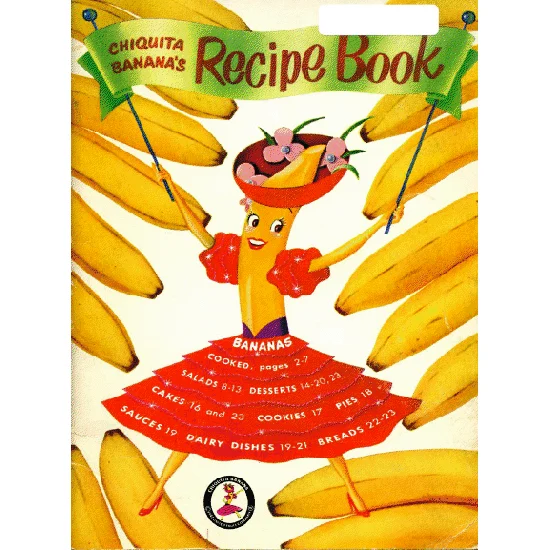
Over the course of the past year, M&M’s, the iconic chocolate candy brand, has found itself at the epicenter of a swirling public debate, garnering extensive media attention across news outlets, social media platforms, and even prime-time Super Bowl commercials. The controversy ignited when parent company Mars Wrigley initiated a strategic rebranding of its beloved spokescandies, aiming for a more inclusive and contemporary image. This seemingly innocuous marketing adjustment, however, unexpectedly touched a nerve within broader societal discussions surrounding gender, representation, and identity, provoking a significant cultural backlash that far exceeded initial corporate expectations.
A Chronology of Candy Controversy
The saga began in January 2022, when Mars Wrigley announced significant modifications to the visual identities of its female M&M’s mascots. The brown M&M, traditionally portrayed with high heels, saw her footwear updated to shorter, more practical heels. More notably, the green M&M, long characterized by her distinctive go-go boots, had them replaced with sneakers. Mars Wrigley stated its intention was to foster "a world where everyone feels they belong" and to create "more dynamic, progressive personas" for its characters. The brand articulated that these changes were part of a broader global commitment to inclusivity and equity, aiming to modernize its visual language to better reflect contemporary values.
The immediate aftermath of these changes was a wave of public discourse, much of it critical. Prominent conservative media personality Tucker Carlson swiftly became the most recognizable face of the backlash. On his Fox News program, Carlson vehemently criticized the alterations, asserting, "M&M’s will not be satisfied until every last cartoon character is deeply unappealing and totally androgynous." This sentiment resonated with a segment of the audience who perceived the changes as an overreach of "woke" corporate culture into seemingly apolitical consumer products.
Adding another layer to the complex reaction, the redesign also drew critique from an unexpected quarter. In a Rolling Stone article provocatively titled, "Let the Green M&M Be a Nasty Little Slut," senior writer EJ Dickson articulated a different form of discontent. Dickson argued against the desexualization of the green M&M, stating, "The green M&M has spent decades building her brand as a horny, sexy bitch, and for what? For her creators to give her Larry David footwear in the name of feminism?" This perspective highlighted the multifaceted nature of gender representation debates, where even attempts at inclusivity can be viewed critically from various standpoints.
The narrative evolved further in September 2022 with the debut of a new M&M character: the purple M&M. Introduced as the first female M&M in a decade, the purple character was explicitly designed to embody "self-acceptance and authenticity." This addition, rather than calming the waters, reignited the "culture war." Tucker Carlson again took to his platform, remarking on the perceived changes to the green M&M and the introduction of the purple character. His comments escalated, implying that the green M&M was "now a lesbian maybe?" and describing the new purple M&M as "plus-sized, obese." These remarks, though nonsensical in their literal interpretation regarding candy characters, underscored the deeply ingrained societal pressures placed on women to conform to specific gender norms and to accommodate male sexual desires.
The controversy reached a fever pitch, prompting Mars Wrigley to announce a "temporary pause" on its spokescandies in January 2023. In a statement, the company acknowledged that its characters had become "polarizing" and that the brand’s intent was to "bring people together." To de-escalate the situation, Mars Wrigley announced a new spokesperson: comedian Maya Rudolph, who was introduced as a "chief of fun" for the brand. This decision, though framed as a temporary measure, signaled the company’s recognition of the intense scrutiny and public division generated by the mascot changes. Rudolph’s role was envisioned to bring a unifying, lighthearted tone, moving away from the charged discourse surrounding the candy characters’ appearances.
Mars Wrigley’s Stated Intent and Broader Marketing Trends
Mars Wrigley’s initial motivation for the mascot redesign was rooted in a contemporary marketing strategy increasingly adopted by global brands: aligning corporate identity with social values. The company explicitly stated its ambition to evolve its iconic brand to "create a world where everyone feels they belong," emphasizing diversity, equity, and inclusion. This move was not isolated; many corporations in recent years have sought to update their branding to resonate with a younger, more socially conscious consumer base and to reflect changing societal norms regarding gender, race, and identity. The M&M’s rebranding was part of a larger, global initiative from Mars, Incorporated, aimed at fostering a more inclusive environment across its diverse portfolio.
The decision to modify the female M&M characters’ footwear was presented as a step towards making them more "relatable" and "empowering," moving away from overtly sexualized portrayals towards characters that could represent a wider spectrum of femininity. The introduction of the purple M&M further exemplified this strategy, with the character designed to promote messages of self-love and acceptance, explicitly embracing a more diverse body type and personality.
The Echo Chamber of Outrage: Deconstructing the Criticisms
The backlash against the M&M’s changes revealed a stark divide in public perception and highlighted the sensitivities surrounding gender representation. Tucker Carlson’s critique, that the characters were becoming "unappealing and totally unandrogynous," articulated a specific fear: that moves towards gender neutrality or less conventional femininity inherently diminish aesthetic appeal or challenge traditional gender roles. His subsequent remarks regarding the green M&M potentially being "lesbian" and the purple M&M being "plus-sized, obese" exemplify a resistance to any deviation from established, often heteronormative and idealized, feminine archetypes. These statements, while seemingly directed at candy characters, underscored a broader cultural anxiety about evolving gender identities and body positivity movements.
Conversely, EJ Dickson’s Rolling Stone article presented a different, albeit also critical, viewpoint. Her argument, "Let the Green M&M Be a Nasty Little Slut," stemmed from a position that questioned whether desexualization, particularly of a character long established as conventionally "sexy," genuinely advanced feminist goals. This perspective suggests that removing an aspect of a character’s identity, even if it’s sexualized, can be seen as undermining agency or reducing complexity, rather than enhancing it. It touches on the nuanced debate within feminism itself about the boundaries of sexual expression and objectification. Both forms of criticism, despite their differing ideological foundations, converged on the point that Mars Wrigley’s changes were problematic, albeit for vastly different reasons.
Historical Context: The Persistent Sexualization of Women in Food Marketing
The M&M’s controversy is not an isolated incident but rather a contemporary manifestation of a long-standing pattern of sexualizing women in commercial advertising, particularly within the food industry. This practice dates back decades, deeply embedded in how brands have historically appealed to consumers.
A pertinent historical example is the Chiquita Banana. Making her debut in the 1940s, Miss Chiquita Banana was the world’s first branded fruit and a pioneering example of character-based marketing. The original Miss Chiquita Banana was designed to be both racialized and sexualized to appeal to the American market. Her femininity was overtly emphasized and hypersexualized through specific visual cues: flirtatious winking and eye-rolling, frilly dresses, and prominent lipstick. This portrayal served to make the fruit product more "attractive" and memorable to consumers, leveraging conventional notions of female charm and allure.
Similarly, M&M’s has a long history of employing this strategy with its female spokescandies. The hypersexualization of characters like the green M&M has been evident not only in their attire but also in the explicit erotic nature of some of their commercials. The green M&M has been depicted in suggestive scenarios, including pole dancing, stripping, and provocatively interacting with chocolate. Crucially, these commercials often featured the male M&M characters in the background, visibly "ogling" their female counterparts. This persistent visual trope serves to reinforce the pervasiveness of the "male gaze," a concept in feminist theory where women are depicted from a masculine, heterosexual perspective, often as passive objects of male sexual desire. This advertising technique, while effective in capturing attention, contributes to a broader cultural environment that objectifies women.
A Sociological Lens: Emphasized Femininity and Hegemonic Masculinity
The intense reactions to the M&M’s mascot changes can be deeply understood through sociological concepts like "emphasized femininity" and "hegemonic masculinity."
Emphasized femininity refers to a set of traditional feminine norms and behaviors that are often presented as ideal, encouraging women to accommodate men’s sexual appetites and desire for control. This construct legitimizes the gender hierarchy, where men hold dominant positions, and upholds various forms of oppression by prescribing a narrow, subordinate role for women. When women adhere to emphasized femininity, they are often rewarded socially; when they deviate, they face societal penalties.
When the female M&M’s characters became less conventionally "sexy" and departed from these stereotypical cultural notions of emphasized femininity, it created a perceived challenge to this established order. For individuals who subscribe to the ideals of hegemonic masculinity—a dominant form of masculinity that legitimizes male patriarchal power—these changes felt threatening. Hegemonic masculinity often relies on the subordination of women and the maintenance of traditional gender roles. Therefore, when female characters, even candy mascots, cease to fulfill the role of sexualized objects, those who identify with hegemonic masculinity may experience a sense of anger or loss, feeling that their sexual desires or expectations are no longer being accommodated. The outrage, in this context, becomes a defensive reaction to a perceived erosion of traditional power dynamics.
This phenomenon reveals a broader societal pattern: women often face the prospect of being labeled "socially undesirable" when they exhibit characteristics traditionally associated with masculinity or when they defy conventional feminine expectations. Tucker Carlson’s remark, "When you’re totally turned off, we’ve achieved equity," encapsulates this sentiment perfectly. It suggests that for some, gender equity is undesirable if it means women no longer conform to roles designed to appeal to men. In a patriarchal society, when a woman exhibits defiance, authority, or independence, men may feel threatened unless they can effectively stigmatize and "feminize" her behavior—often by labeling her negatively.
When a woman does not conform to the "good girl" archetype, she risks being branded with derogatory terms such as "bitch," "lesbian," or "slut." These labels serve as social control mechanisms, designed to punish non-conformity and pressure women back into subservient roles, particularly roles that prioritize male approval and the male gaze. The M&M’s controversy, therefore, serves as a vivid, albeit commercial, illustration of these deeply ingrained societal mechanisms at play.
Broader Implications: The Impact of Hypersexualization on Youth and Society
The hypersexualization of women in media, exemplified by historical advertising practices and the very controversy surrounding the M&M’s mascots, carries profoundly harmful implications, particularly for young people. Adolescents, constantly exposed to a sexualized media environment, are at risk of internalizing the message that women are primarily valuable as sex objects. When young girls and women repeatedly see their bodies objectified, they can begin to internalize the idea that their physical appearance and sexual appeal are their most valuable attributes. This can lead to body dissatisfaction, self-objectification, and a pervasive sense of inadequacy if they do not meet society’s often unattainable standards of beauty and sexual desirability. They may become acutely aware that they are perceived as "sexual playthings waiting to please men’s sexual desires," fostering feelings of unworthiness and potentially leading to mental health challenges. It is particularly concerning when even ubiquitous children’s candy mascots contribute to this pervasive narrative.
The so-called "culture war" waged against M&M’s, while seemingly ludicrous in its focus on candy characters, carries significant real-world implications. The power behind words, rhetoric, and visual representation is immense. This controversy underscores how deeply ingrained traditional gender roles and expectations are, and how even minor shifts can trigger intense reactions. It highlights the urgent need for a critical examination of how brands market their products and the messages they inadvertently or intentionally convey about gender.
The vicious cycle of sexualizing women, whether they are human models or cartoon mascots, for commercial profit must be brought to an end. Furthermore, prominent public figures and media personalities bear a responsibility to consider the real-world impact of their commentary. Using the oppression or objectification of others as a punchline or as fodder for sensationalized media narratives only serves to perpetuate harmful stereotypes and obstruct progress towards a more equitable and inclusive society. The M&M’s mascot controversy, therefore, transcends mere candy; it is a stark reflection of ongoing societal battles over identity, representation, and the fundamental value placed on women in contemporary culture.







