
 Reynand Wu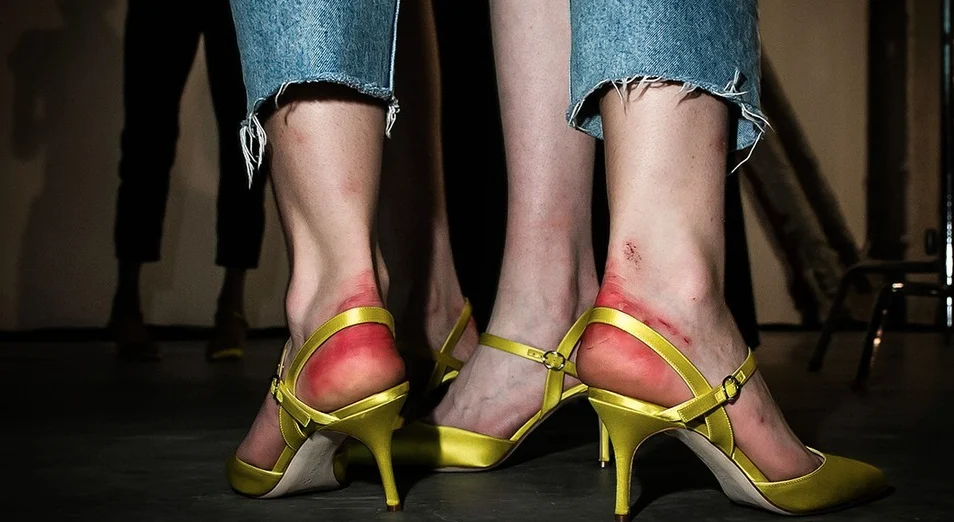
A recent photograph captured by Dina Litovsky, depicting a model’s visibly inflamed feet squeezed into slingback heels during a fashion week event, has ignited a fierce debate across social media and mainstream platforms. The image, which quickly went viral after being reposted by influential accounts including National Geographic and numerous Instagram personalities, garnered over 500,000 likes and a torrent of comments predominantly criticizing the fashion industry’s apparent prioritization of aesthetic over physical well-being. This incident is not an isolated occurrence; strikingly similar scenes unfolded during Louis Vuitton’s 2012 show in Paris, where images of models’ battered and bruised feet circulated widely, provoking comparable outrage and discussions about the hidden toll of the runway.
A Recurring Problem: The Historical Context of Fashion’s Demands
The phenomenon of models enduring significant discomfort, if not outright pain, for the sake of high fashion is deeply embedded in the industry’s history. For decades, designers have pushed boundaries with increasingly elaborate, often impractical, footwear and garments. From gravity-defying heels to constrictive corsetry and voluminous ensembles, the runway has frequently served as a stage for sartorial extremes. While some argue this represents artistic expression and a challenge to conventional norms, critics contend it often comes at the expense of the human body.
The chronology of these incidents underscores a persistent tension. In 1993, supermodel Naomi Campbell famously stumbled and fell on the runway while wearing Vivienne Westwood’s notoriously high platforms, an event that became emblematic of the risks models often take. Lindsey Wixson, another prominent model, has also openly spoken about the challenges of navigating runways in difficult shoes. The 2012 Louis Vuitton show, under Marc Jacobs, featured models descending an elaborate train-station set, many struggling visibly in towering, often embellished, heels. These incidents, spaced across different eras and design houses, highlight a systemic issue rather than isolated errors. The recent Litovsky photograph, shared widely in September 2023, serves as a stark reminder that despite decades of discussion, the fundamental pressures on models remain largely unchanged. The viral nature of these images, amplified by social media, ensures that the conversation reaches a broader public, transforming what was once an industry secret into a global talking point.
The Model’s Predicament: Professionalism at the Price of Pain
Models, particularly those with less established careers or lower industry status, face immense pressure to conform to these rigorous demands. The industry often cultivates an environment where refusing to wear a designer’s chosen footwear, no matter how uncomfortable or damaging, can be perceived as unprofessional, jeopardizing future opportunities. This unspoken code forces many models into a difficult position: prioritize personal well-being and risk being blacklisted, or endure discomfort to maintain their professional standing.
Sociologist Ashley Mears, in her ethnography Pricing Beauty, extensively details how models embody cultural ideals of gender, race, class, and sexual identity, while simultaneously having their personhood commoditized as "aesthetic laborers." They navigate a world of high-stakes exclusivity and idealism, often experiencing demanding and isolating work conditions. The industry subtly, and sometimes overtly, praises models for their ability to endure long shoots, complex poses, and challenging attire. This measurement of professionalism by a model’s willingness to suffer demonstrates a toxic aspect of professional status, where one’s well-being is secondary to the aesthetic output. Phrases like "beauty is pain" and "look good, feel good" are not merely colloquialisms within this context; they are deeply ingrained ideologies that link a model’s appearance and perceived value to their capacity for endurance. On the catwalk, these professional norms significantly skew models’ agency, forcing them to pay a "price of pain" to justify, uphold, and maintain a specific professional image dictated by the industry.
Industry Perspectives and the Drive for Artistic Expression
From the perspective of designers and creative directors, the choice of footwear is integral to the overall artistic vision of a collection. High heels, in particular, are often seen as transformative, altering a model’s gait, posture, and silhouette to achieve a desired aesthetic effect that aligns with the brand’s narrative or the collection’s theme. They can symbolize power, elegance, vulnerability, or a futuristic ideal, depending on the design. The runway show itself is a performance, a theatrical presentation where every element, from lighting to music to the models’ attire, is meticulously curated to create a specific impact.
Within this artistic framework, the practicalities of comfort can sometimes be overlooked in favor of conceptual boldness or visual drama. Brands invest millions in fashion weeks, viewing them as crucial marketing platforms to generate buzz, influence trends, and drive sales. The pursuit of viral moments, unforgettable imagery, and cutting-edge aesthetics can overshadow concerns about models’ temporary discomfort. There’s also an element of legacy and innovation; designers are constantly seeking to push boundaries, and sometimes this involves creating footwear that challenges conventional design and wearability. Casting directors and stylists, acting as intermediaries, often operate under the directive to execute the designer’s vision flawlessly, which inherently places pressure on models to adapt to whatever is presented to them. While there is increasing awareness and discussion about model welfare, the fundamental tension between artistic freedom, commercial imperatives, and ethical considerations remains a complex challenge for the industry.
Broader Societal Echoes: From Runway to Everyday Life
The struggle extends far beyond the confines of the fashion industry, permeating into the everyday lives of consumers. The ideals presented on the runway often become aspirational benchmarks, shaping cultural expectations of beauty and self-presentation. The concept of "aesthetic labor" is not limited to models; it extends to anyone whose job or social role requires a specific presentation of self, often involving significant effort and sometimes discomfort.
Jia Tolentino, in her essay "Always Be Optimizing," brilliantly connects the themes of pain and suffering to the modern pursuit of "self-optimization." She narrates her experiences with intense Pilates and barre workouts, arguing that gendered beauty ideals have subtly transformed into an relentless quest for optimization, often masking oppressive cultural beauty standards. These painful practices are frequently rebranded as "self-care," an empowering choice to "sweat it out" and achieve a "toned and sculpted body." The allure lies in the illusion of "agency" – the idea that one is actively choosing to "optimize" or improve their physique. This rhetoric of "look good, feel good" and the enduring cultural adage that "beauty is pain" serve to justify the aches and discomfort from workouts, diet regimens, or, indeed, wearing uncomfortable shoes.
Shoes, in this broader context, transcend their functional purpose as mere vehicles for our feet. They become potent symbols, laden with gendered cultural and societal expectations, standards, and ideals. High heels, historically and currently, are often associated with femininity, elegance, and power, but also with vulnerability and restriction. The decision to wear them, whether on a red carpet, in a corporate office, or on a casual outing, is often influenced by these deeply ingrained cultural narratives.
The Health and Wellness Implications
The physical toll on models’ feet, as evidenced by the viral photographs, is significant. Prolonged wear of ill-fitting or excessively high heels can lead to a range of orthopedic issues, including bunions, hammertoes, corns, calluses, nerve damage, and chronic pain. The unnatural posture induced by high heels can also strain the knees, hips, and lower back, potentially leading to long-term musculoskeletal problems. While specific statistics for models are scarce, general population studies indicate that a substantial percentage of women who regularly wear high heels experience foot pain and related ailments. For example, the American Podiatric Medical Association reports that a significant portion of women experience foot pain, with high heels being a major contributing factor.
Beyond the physical, there are psychological implications. The constant pressure to look perfect, coupled with physical discomfort, can contribute to stress, anxiety, and body image issues. Models, like other public figures, are subjected to intense scrutiny, and any perceived flaw can be magnified, adding to the mental burden. The industry’s slow adaptation to prioritizing model welfare can exacerbate these issues, creating an environment where speaking out is difficult.
The Role of Social Media: A Catalyst for Change?
Social media has emerged as a powerful, albeit double-edged, sword in this ongoing debate. While it can amplify unrealistic beauty standards and foster comparison, it also provides an unprecedented platform for exposure and critique. The rapid dissemination of images like Dina Litovsky’s means that uncomfortable truths about the fashion industry are no longer confined to trade publications or niche discussions. They reach a global audience, sparking widespread condemnation and forcing brands and industry stakeholders to confront these issues publicly.
This increased visibility can act as a catalyst for change. Public pressure, particularly from influential online communities, can compel brands to re-evaluate their practices. Model advocacy groups, which have historically struggled for recognition and influence, find their voices amplified through social media, allowing them to connect with a broader base of support and exert greater pressure for ethical reforms. The discussion has broadened to include not just footwear, but also issues of body diversity, mental health support, and fair labor practices within the modeling industry.
Calls for Reform and a Shifting Paradigm
There is a growing chorus of voices calling for substantive changes within the fashion industry. Model advocacy organizations, such as the Model Alliance, have long pushed for better working conditions, including health and safety standards, fair contracts, and protections against exploitation. These groups advocate for greater agency for models, empowering them to refuse unsafe or uncomfortable attire without fear of professional reprisal.
Some designers and brands are beginning to respond, albeit slowly, by incorporating more practical footwear or offering options that prioritize comfort without sacrificing style. The rise of sneakers and more comfortable shoe styles on the runway in recent years could be seen as a subtle shift, though extreme heels continue to dominate many high fashion presentations. The broader cultural conversation around body positivity, authenticity, and holistic well-being is also influencing consumer expectations, potentially creating a market demand for fashion that is both beautiful and humane.
However, deep-seated traditions and commercial pressures make radical change challenging. The aesthetic ideals that underpin high fashion are powerful, and the pursuit of groundbreaking, attention-grabbing designs often clashes with practical considerations. Moving forward, the industry faces the complex task of balancing artistic innovation with ethical responsibility, ensuring that the pursuit of beauty does not come at an unacceptable human cost. The viral images of models’ bruised feet serve as a poignant, recurring reminder of this enduring tension and the imperative for meaningful reform.
Rachel Bickelman, a MA and PhD student at the University of Massachusetts Boston, continues to contribute to the ongoing discourse surrounding these critical issues within the fashion industry and broader societal beauty standards.









