Nila Kartika Wati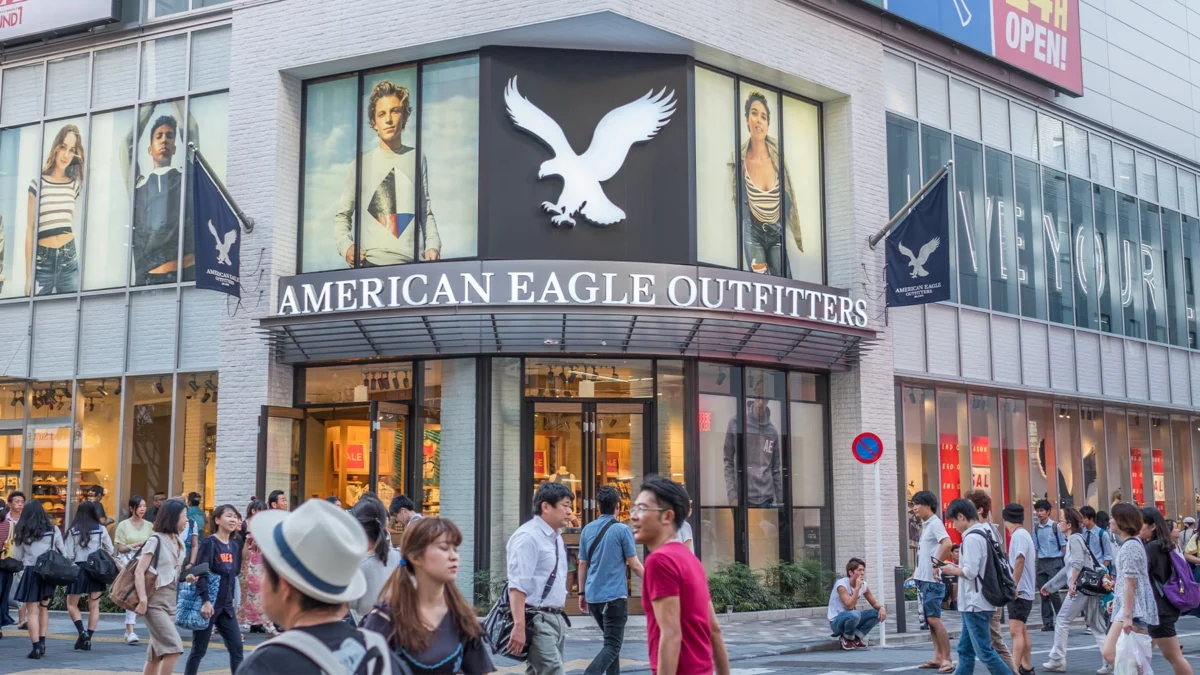
Shares of prominent apparel retailers Gap Inc. and American Eagle Outfitters experienced significant declines in premarket trading on Friday, a stark reflection of investor concern following the release of weak annual forecasts. Gap’s stock plummeted by approximately 15 percent, while American Eagle Outfitters saw a drop of around 10 percent. This downturn is directly attributable to the companies’ projections for the upcoming fiscal year, which signal a challenging period ahead as consumers increasingly tighten their belts and curb discretionary spending in the face of a persistent tough macroeconomic climate.
The cautious outlook from these established players in the apparel sector underscores a broader trend impacting the retail landscape. Rising inflation, elevated interest rates, and ongoing global economic uncertainties are collectively eroding consumer confidence and purchasing power. As a result, non-essential purchases, such as new clothing, are often among the first to be deprioritized by households grappling with increased costs for necessities like food, housing, and energy. This shift in consumer behavior poses a significant challenge for apparel retailers who rely on robust demand to drive sales and profitability.
Economic Climate and Consumer Behavior
The current economic environment is characterized by a confluence of factors that are collectively dampening consumer sentiment. Inflation, while showing signs of moderation in some regions, remains a significant concern for households worldwide. The cost of everyday goods and services has risen substantially over the past year, leaving consumers with less disposable income. Furthermore, central banks globally have implemented aggressive interest rate hikes to combat inflation, which, while necessary, increases the cost of borrowing for both consumers and businesses. This can lead to reduced spending on big-ticket items and a general sense of economic caution.
For the apparel industry, this translates into a more discerning consumer who is less likely to engage in impulse buying or frequent wardrobe updates. Instead, shoppers are prioritizing value, durability, and necessity. This often means extending the life of existing garments, opting for sales and discounts, or shifting purchases to lower-priced alternatives. Brands that have historically relied on aspirational marketing or trend-driven consumption are particularly vulnerable in such an environment.
Company-Specific Performance and Forecasts
The weak forecasts from Gap and American Eagle Outfitters are not isolated incidents but rather indicative of the broader pressures facing the sector. While specific details of the companies’ annual projections were not fully elaborated in the initial reports, the downward revisions signal a revised expectation for sales growth and potentially profit margins.
Gap Inc., a company with a diverse portfolio of brands including Gap, Old Navy, Banana Republic, and Athleta, has been navigating a complex market for some time. The company has faced challenges in adapting to evolving consumer preferences, particularly within its namesake brand. Its ability to generate strong sales across its different segments has been a key focus for investors. The projected downturn suggests that even its more resilient brands may be feeling the pinch of reduced consumer spending. Analysts will be closely watching for specific guidance on same-store sales, inventory levels, and promotional strategies that the company intends to implement to mitigate the impact of the slowdown.
Similarly, American Eagle Outfitters, known for its popular brands American Eagle and Aerie, has demonstrated an ability to connect with younger demographics. However, even brands that have a strong following are not immune to macroeconomic headwinds. The company’s forecast likely reflects an anticipation of slower foot traffic in stores and a potential decrease in average transaction values as consumers become more price-conscious. The performance of its Aerie brand, which has been a significant growth driver, will be a critical factor to monitor in assessing the company’s overall resilience.
Historical Context and Precedent
The current economic climate is reminiscent of past periods of consumer belt-tightening, such as the 2008 financial crisis or the initial stages of the COVID-19 pandemic. During these times, retailers that offered strong value propositions, managed inventory effectively, and adapted quickly to changing consumer habits were better positioned to weather the storm. Conversely, those that were slow to respond or heavily reliant on discretionary spending often experienced significant financial distress.
The apparel industry, being a discretionary sector, is particularly susceptible to economic downturns. Historically, brands that can pivot to offer timeless styles, sustainable options, or cater to specific consumer needs that remain relevant even in challenging times tend to fare better. The ability to manage costs, optimize supply chains, and maintain healthy inventory levels are crucial for profitability when sales volumes are under pressure.
Investor Reactions and Market Implications
The immediate reaction from investors highlights the sensitivity of the stock market to forward-looking guidance from publicly traded companies. The significant drops in Gap and American Eagle Outfitters’ share prices reflect a repricing of these companies’ valuations based on the revised earnings expectations. This can have a ripple effect across the broader retail sector, potentially leading to a reassessment of other apparel companies’ prospects.
For investors, the current environment demands a careful evaluation of companies’ financial health, balance sheets, and their ability to adapt to changing consumer dynamics. Companies with strong brand loyalty, diversified product offerings, and effective cost management strategies are likely to be more resilient. The focus will shift from growth at all costs to sustainable profitability and efficient capital allocation.
Broader Impact and Future Outlook
The weak forecasts from these apparel retailers have broader implications for the industry and the wider economy. They signal a potential slowdown in consumer spending that could impact other discretionary sectors, such as entertainment, travel, and leisure. Furthermore, a sustained downturn in apparel sales could lead to reduced hiring, increased promotional activity, and potential store closures for some retailers, particularly those that are already struggling.
The outlook for the apparel sector in the coming year will depend on several factors. The trajectory of inflation and interest rates, the overall health of the job market, and geopolitical stability will all play a role in shaping consumer confidence and spending habits. Retailers will need to remain agile, innovative, and deeply attuned to the evolving needs and financial realities of their customer base.
Key Considerations for the Apparel Industry:
- Inventory Management: With uncertain demand, retailers will need to be extremely cautious about inventory levels to avoid costly markdowns and potential write-offs.
- Promotional Strategies: While discounts can drive sales, excessive promotions can erode margins and devalue brands. A balanced approach is crucial.
- Direct-to-Consumer (DTC) Channels: The ongoing shift towards online shopping and DTC models will continue to be important, but even these channels are subject to overall consumer spending patterns.
- Brand Differentiation and Value Proposition: In a competitive market, brands that clearly communicate their unique value proposition and resonate with consumers on an emotional or functional level are more likely to succeed.
- Sustainability and Ethical Practices: While price remains a key factor, a growing segment of consumers is also prioritizing brands that align with their values regarding sustainability and ethical production.
The coming months will be a critical test for the apparel retail industry. Companies that can demonstrate resilience, adaptability, and a deep understanding of the current economic landscape will be best positioned to navigate these challenging times and emerge stronger. The weak forecasts from Gap and American Eagle Outfitters serve as an early indicator of the significant headwinds that the sector is expected to face.