Nila Kartika Wati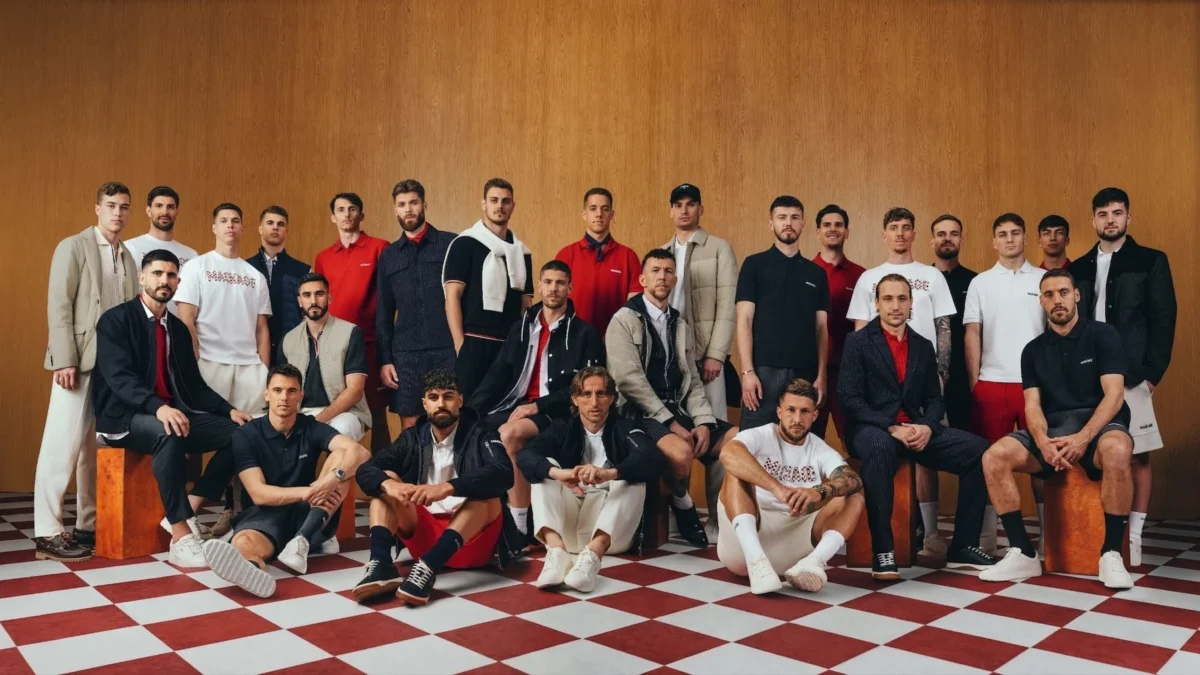
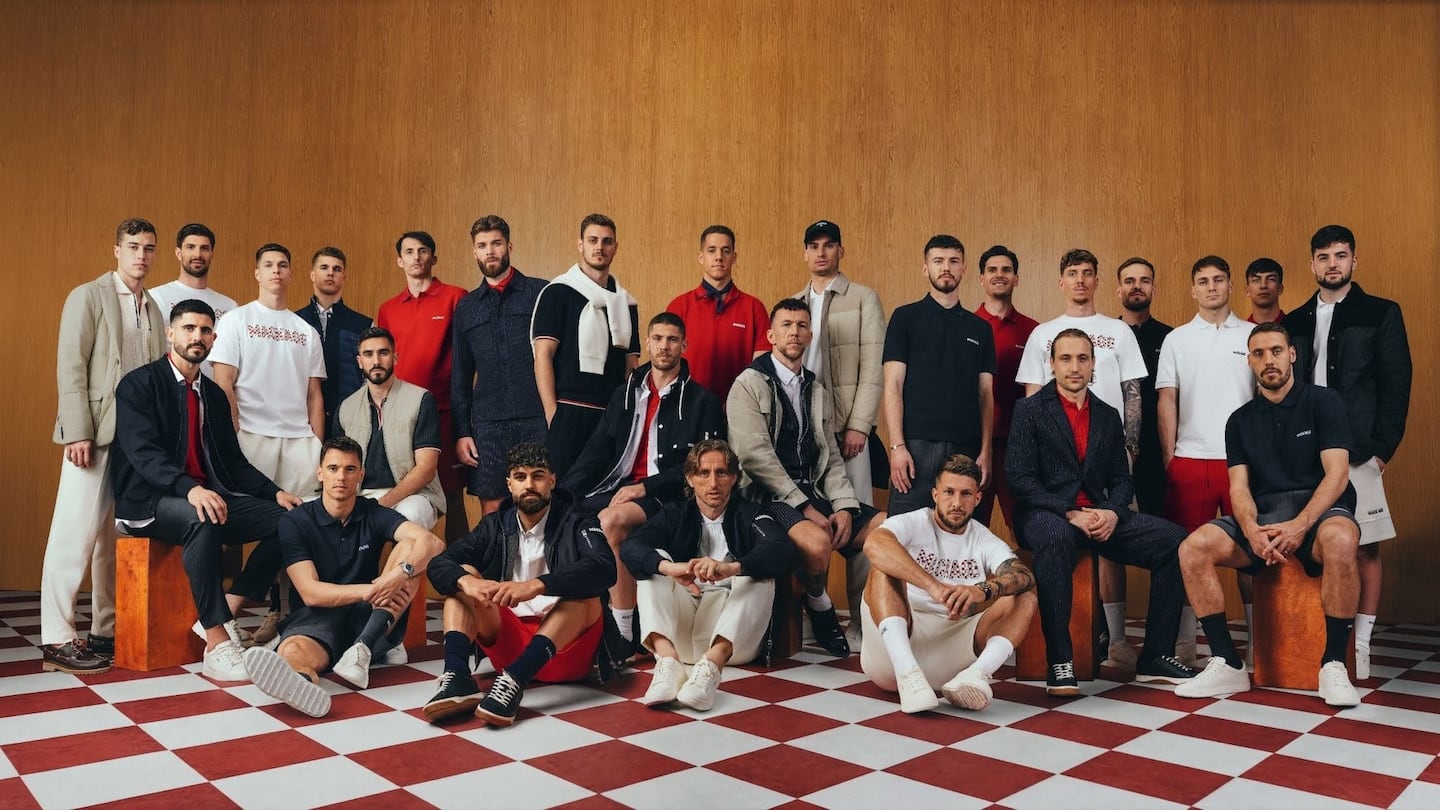
The global fashion industry is increasingly recognizing the immense commercial and cultural power of major sporting events, with the upcoming 2026 FIFA World Cup emerging as a particularly compelling nexus for brand engagement. Tanya Golesic, CEO of the Canadian luxury outerwear brand Mackage, articulated this burgeoning interest, explaining the strategic rationale behind fashion labels’ keen attention to the tournament. Mackage itself has already made a significant move into the sports sponsorship arena, becoming the official sponsor for the Croatian National Football Team in November of the previous year, a testament to the perceived value of aligning with high-profile athletic endeavors.
The World Cup as a Global Catwalk: Beyond the Game
The FIFA World Cup, a quadrennial global spectacle, transcends its primary function as a sporting competition. It transforms into a worldwide stage where national pride, cultural identity, and consumer aspirations converge. For the fashion industry, this presents an unparalleled opportunity to connect with a vast and diverse audience, estimated to reach billions of viewers across the globe. The 2026 World Cup, co-hosted by the United States, Canada, and Mexico, is poised to be the largest iteration of the tournament to date, with an expanded format featuring 48 teams and 104 matches spread across 16 host cities. This unprecedented scale amplifies the potential reach and impact for any brand that strategically positions itself within the event’s ecosystem.
The allure of the World Cup for fashion brands lies in several key factors:
- Massive Global Reach: The tournament commands an audience that dwarfs most other cultural events. In 2022, the FIFA World Cup in Qatar reportedly garnered over 5 billion engagements across various platforms, with the final match alone attracting an estimated 1.5 billion viewers. The 2026 edition, with its North American focus and expanded participant list, is anticipated to surpass these figures, offering brands exposure to a demographic that is often fragmented and challenging to reach through traditional advertising.
- Emotional Resonance and Cultural Significance: Football, or soccer, is the world’s most popular sport, deeply embedded in the cultural fabric of numerous nations. The World Cup evokes intense passion, loyalty, and a sense of collective identity. Brands that can tap into this emotional connection, aligning themselves with the aspirations and triumphs of national teams or the spirit of the game itself, can forge deeper and more meaningful relationships with consumers.
- Diverse Consumer Base: The global nature of the World Cup means it attracts a broad spectrum of consumers from various socioeconomic backgrounds, age groups, and geographic locations. This diversity offers fashion brands the chance to tailor their messaging and product offerings to resonate with distinct market segments, potentially driving both brand awareness and sales.
- Platform for Innovation and Storytelling: The World Cup provides a fertile ground for creative marketing campaigns. Brands can leverage the narrative power of the tournament – stories of underdog triumphs, national pride, and athletic excellence – to craft compelling brand narratives. This can extend beyond simple product placement to encompass collaborative collections, athlete endorsements, and immersive digital experiences.
Mackage’s Strategic Entry: Sponsoring the Croatian National Football Team
Mackage’s decision to sponsor the Croatian National Football Team is a calculated move designed to capitalize on these very opportunities. Croatia, a nation with a fervent football culture and a history of strong performances in international tournaments, offers a potent platform for brand visibility. The team’s success in reaching the 2018 World Cup final, for instance, generated immense national pride and global attention, demonstrating the significant leverage that athletic achievement can provide.
"The World Cup is more than just a sporting event; it’s a cultural phenomenon that unites people from all walks of life," stated Golesic in an internal discussion that informed the brand’s strategy. "For Mackage, aligning with a national team offers a unique opportunity to connect with consumers on an emotional level, showcasing our commitment to quality, performance, and the spirit of dedication that is synonymous with elite athletes. The Croatian team, with its passionate fanbase and proven track record, represents an ideal partner for us to amplify our brand presence on a global stage."
The sponsorship deal, initiated in November of the preceding year, likely encompasses a range of activations. These could include:
- Team Apparel and Fanwear: Designing and providing official outerwear for the Croatian team, ensuring visibility during official appearances and travel. This also opens avenues for producing high-quality fan apparel that resonates with the team’s aesthetic and brand.
- Marketing Collaborations: Joint marketing campaigns featuring team members, highlighting Mackage’s products in contexts that blend athletic performance with everyday style.
- Digital Engagement: Leveraging social media and digital platforms to create content that engages fans, showcasing the team’s journey and Mackage’s role in it. This is particularly crucial for reaching younger demographics.
- Exclusive Collections: Potentially launching limited-edition collections inspired by the Croatian team or the World Cup, further integrating the brand into the tournament’s narrative.
The Broader Trend: Fashion’s Deepening Embrace of Sports
Mackage’s move is indicative of a broader trend within the fashion industry. Historically, fashion and sports sponsorships were often separate domains, with luxury brands focusing on art, culture, and traditional advertising. However, in recent years, a significant convergence has occurred, driven by shifting consumer behaviors and the evolving media landscape.
Key Developments Fueling This Trend:
- The Rise of Athleisure: The persistent popularity of athleisure has blurred the lines between athletic wear and everyday fashion. This has made sports-adjacent branding feel more organic and relevant to a wider consumer base.
- Influence of Athletes as Style Icons: Many athletes have transcended their sporting personas to become influential figures in fashion and culture. Their personal style, endorsements, and social media presence make them powerful brand ambassadors.
- Data-Driven Marketing: Brands are increasingly using data analytics to identify high-impact engagement opportunities. The massive, well-defined audience of global sporting events like the World Cup presents a compelling case for investment.
- The Digital Revolution: The proliferation of social media and digital content has amplified the reach and impact of sports sponsorships. Brands can now create direct, engaging content with athletes and teams, bypassing traditional media gatekeepers.
Examples of Fashion-Sports Convergence:
- Luxury Brands and Football Clubs: Numerous high-end fashion houses have partnered with leading football clubs. Louis Vuitton designed the trophy travel case for the 2022 World Cup, while brands like Balenciaga and Gucci have collaborated with teams like Real Madrid and Juventus, respectively.
- Designer Collaborations with Athletes: Athletes are increasingly becoming collaborators and muses for fashion designers. LeBron James’s long-standing relationship with Nike and his forays into fashion, or Rihanna’s Fenty x Savage line with its ties to athletic performance, exemplify this.
- Emergence of Sports-Focused Fashion Brands: New brands are emerging that are explicitly designed to bridge the gap between performance athletic wear and high fashion, often drawing inspiration from global sporting events.
The 2026 World Cup: A Unique Opportunity for Fashion
The 2026 FIFA World Cup, with its North American hosts and expanded format, presents a unique set of advantages for the fashion industry:
- North American Market Focus: The co-hosting by the United States and Canada positions the event directly within two of the world’s largest and most influential consumer markets for fashion. Mexico’s inclusion further broadens the appeal across Latin America.
- Expanded Tournament Format: The increase from 32 to 48 teams means more nations participating, and consequently, more national identities and fanbases to engage with. This provides a wider array of sponsorship and marketing opportunities.
- Diverse Host Cities: The 16 host cities across the three countries offer a mosaic of cultural influences, allowing brands to tailor campaigns to specific regional tastes and demographics within North America and beyond.
- Technological Advancements: The tournament is expected to leverage cutting-edge technology in broadcasting and fan engagement, providing fashion brands with innovative platforms for immersive marketing experiences.
Analysis of Implications and Future Outlook
The strategic engagement of fashion brands with events like the 2026 World Cup signifies a fundamental shift in marketing and brand building. It moves beyond mere product placement to a more integrated approach, where brands become part of the cultural narrative surrounding these global events.
For companies like Mackage, this strategy offers:
- Enhanced Brand Equity: Associating with a globally recognized and emotionally resonant event like the World Cup can significantly elevate brand perception, imbuing it with qualities of passion, performance, and global appeal.
- Access to New Consumer Segments: The vast audience of the World Cup includes demographics that might not typically engage with traditional fashion advertising, opening up new avenues for customer acquisition.
- Global Market Penetration: Sponsoring a global event provides a powerful springboard for international expansion, allowing brands to build awareness and credibility in markets worldwide.
- Competitive Differentiation: In an increasingly crowded fashion landscape, strategic sports sponsorships can provide a unique point of differentiation, setting brands apart from their competitors.
However, the success of such ventures hinges on authenticity and strategic execution. Brands must ensure that their partnerships are genuine and that their marketing efforts resonate with the spirit of the sport and its fans. Superficial endorsements or misaligned brand messaging can backfire, leading to consumer skepticism.
The 2026 World Cup is set to be a landmark event, not just for football, but for the broader cultural and commercial landscape. As Tanya Golesic aptly points out, the fashion world’s keen interest is well-founded. The tournament represents a potent confluence of global reach, cultural significance, and diverse consumer engagement, offering an unparalleled opportunity for fashion brands to connect, inspire, and ultimately, thrive on the world’s biggest stage. The ongoing integration of fashion and sports is likely to deepen, with major sporting events becoming integral components of fashion industry marketing strategies.