Jono Maryono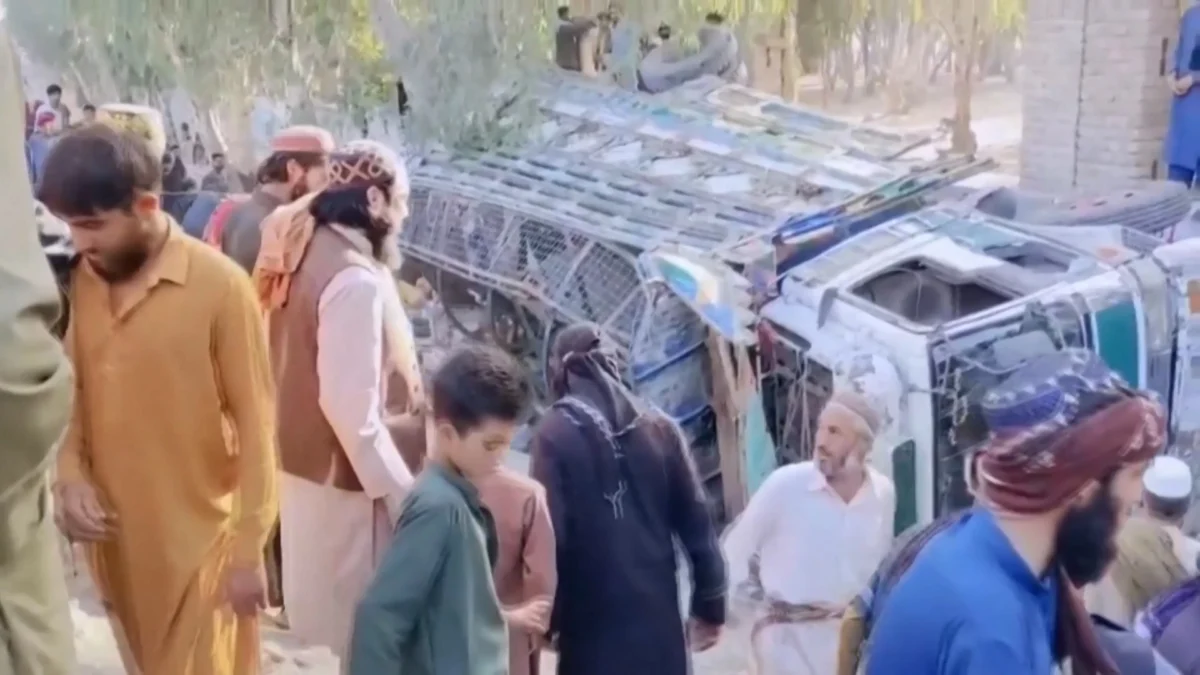
A devastating incident in Laghman Province, eastern Afghanistan, has resulted in the deaths of at least 22 individuals and left 36 others injured when a truck transporting recently returned Afghan refugees overturned. The tragic event underscores the perilous journeys undertaken by many Afghans seeking to rebuild their lives, often in precarious conditions. Authorities have confirmed that the driver lost control of the vehicle, leading to the catastrophic accident. An investigation has been launched to determine the precise cause and circumstances surrounding the crash.
The Tragedy in Laghman Province
The accident occurred on May 30, 2026, a date that will now be marked by profound sorrow for the families affected. The truck, reportedly carrying a significant number of passengers, was traveling through Laghman Province when the driver, for reasons yet to be fully ascertained, lost control. The vehicle overturned, inflicting severe casualties among those on board. Emergency services were immediately dispatched to the scene, working tirelessly to rescue survivors and recover the deceased. The injured were transported to local medical facilities, where they are receiving treatment. The sheer scale of the loss of life has sent shockwaves through the region and drawn international attention to the plight of returning refugees.
Background: The Complexities of Refugee Returns in Afghanistan
The incident is set against a backdrop of a complex and often fraught refugee return situation in Afghanistan. For years, and particularly in recent times, large numbers of Afghans have been displaced both internally and externally due to prolonged conflict, economic hardship, and political instability. Many who fled to neighboring countries, such as Pakistan and Iran, or sought asylum further afield, have been compelled or have chosen to return. These returns, however, are frequently undertaken with limited resources and under challenging circumstances.
Data from organizations like the UNHCR (United Nations High Commissioner for Refugees) consistently highlight the difficulties faced by returning refugees. Many arrive with few possessions, limited access to shelter, healthcare, and employment opportunities. The infrastructure in many areas of Afghanistan remains underdeveloped, and the security situation, while improved in some respects, continues to be a concern in others. This precarious environment often forces individuals and families to rely on whatever means of transport they can find, which can include overcrowded and unsafe vehicles, as tragically demonstrated by the Laghman incident.
The recent years have seen fluctuating patterns of return. While some periods have witnessed significant repatriation efforts, often driven by external pressures or improved conditions, others have seen increased displacement. The economic downturn and the ongoing need for humanitarian assistance have been persistent challenges for the Afghan government and its international partners. The drivers of return are multifaceted, encompassing voluntary decisions, forced deportations, and the pursuit of better living conditions. Regardless of the impetus, the journey back is often fraught with peril.
Chronology of Events (Inferred and Based on Standard Incident Reporting)
While a precise, minute-by-minute account of the accident is not yet publicly available, a general timeline can be inferred based on the information provided and typical incident reporting protocols:
- Pre-Accident: The truck, laden with recently returned Afghan refugees, was en route through Laghman Province. The exact origin and destination are likely part of the ongoing investigation. The conditions of the vehicle and the driver’s state are crucial factors being examined.
- The Incident: At an unspecified point, the driver lost control of the truck. The exact cause of this loss of control—whether due to mechanical failure, road conditions, driver error, or other factors—is central to the investigation. The truck then overturned.
- Immediate Aftermath: Survivors, if able, would have likely attempted to extricate themselves and assist others. The severity of the crash would have dictated the immediate survival rates.
- Discovery and Response: Local residents or other travelers would have been the first to discover the scene. News of the accident would have quickly reached local authorities.
- Emergency Services Deployment: Provincial authorities and emergency medical services would have been alerted and dispatched to the location. The response time would depend on the proximity of the accident to populated areas and emergency hubs.
- Rescue and Recovery Operations: Rescue teams would have worked to free trapped individuals and provide immediate medical assistance to the injured. Recovery efforts for the deceased would have commenced.
- Transportation of Injured: Survivors requiring advanced medical care would have been transported to hospitals and clinics in Laghman Province and potentially neighboring districts.
- Official Confirmation and Investigation: Local officials would have confirmed the casualty figures and initiated an investigation into the cause of the accident. This would involve examining the vehicle, the crash site, and interviewing any witnesses.
- Public Announcement: Information regarding the incident, including casualty numbers and the commencement of an investigation, would have been released to the public and media.
Supporting Data and Broader Context
The tragic loss of life highlights critical issues related to road safety, transportation infrastructure, and the welfare of returning populations in Afghanistan.
- Road Safety in Afghanistan: Afghanistan has long faced significant challenges with road safety. According to the World Health Organization (WHO), road traffic injuries are a major public health concern in the country. Factors contributing to this include poorly maintained roads, a high volume of older vehicles, inadequate traffic law enforcement, and driver behavior. Data from previous years has indicated high fatality rates per capita for road accidents. The sheer number of vehicles on the road, coupled with these contributing factors, creates a dangerous environment.
- Transportation of Vulnerable Populations: The use of trucks for transporting people, particularly vulnerable groups like refugees and migrants, is a practice that has been observed globally in situations where formal transportation options are limited or unaffordable. These vehicles are often not designed or equipped for passenger transport, leading to increased risks of injury and death in the event of an accident. The economic desperation of many returning refugees can force them to opt for such dangerous methods of travel.
- Scale of Refugee Returns: Afghanistan has one of the largest internally displaced populations and a significant number of refugees returning from neighboring countries. The International Organization for Migration (IOM) and UNHCR regularly report on these figures. For instance, in recent years, hundreds of thousands of Afghans have returned from Pakistan and Iran, often facing precarious living conditions upon arrival. The capacity of the Afghan government and humanitarian organizations to provide adequate support, including safe transportation and integration services, is stretched thin.
Official Responses and Statements (Inferred)
Following such a tragic event, official responses are expected from various levels of government and humanitarian organizations.
- Provincial Authorities: Officials in Laghman Province would have been the first responders and would likely issue statements expressing condolences to the victims’ families and pledging their commitment to the investigation. They would also be responsible for coordinating immediate relief efforts and ensuring adequate medical care for the injured. A spokesperson for the provincial government might state: "This is a deeply tragic incident that has claimed innocent lives. Our hearts go out to the families of the deceased and those injured. We are dedicating all available resources to assist the survivors and are launching a thorough investigation to understand how this happened and to prevent future tragedies."
- National Government: The central government in Kabul would likely issue a statement from a relevant ministry, such as the Ministry of Refugees and Repatriation or the Ministry of Public Health. This statement would likely express national grief, reiterate the government’s commitment to the welfare of its citizens, and call for a swift and transparent investigation. The Ministry of Public Health would likely provide updates on the condition of the injured and the medical response.
- Humanitarian Organizations: International organizations working in Afghanistan, such as the UNHCR and IOM, would undoubtedly release statements expressing their deep sorrow and concern. They would likely emphasize the need for safer transportation options for returning refugees and call for increased support for integration programs. A representative from a humanitarian agency might comment: "We are devastated by this loss of life. It is a stark reminder of the dangers faced by many returning Afghans. We urge all stakeholders to prioritize the safety and dignity of displaced persons and to ensure access to safe and reliable transportation and support services."
- International Community: Diplomatic missions and international bodies present in Afghanistan would also likely issue statements of sympathy and support, potentially reiterating their commitment to assisting Afghanistan in its development and humanitarian efforts.
Broader Impact and Implications
The Laghman Province truck overturning incident has several significant implications, extending beyond the immediate tragedy:
- Exposing Vulnerabilities: The event starkly highlights the inherent vulnerabilities faced by returning refugees in Afghanistan. It underscores the urgent need for improved infrastructure, safer transportation networks, and more robust support systems for those reintegrating into the country. The reliance on unsafe modes of transport points to economic hardships and a lack of viable alternatives.
- Re-evaluation of Refugee Return Policies: This incident may prompt a re-evaluation of current refugee return policies and their implementation. It could lead to increased pressure on international bodies and the Afghan government to ensure that returns are voluntary, safe, and dignified, with adequate provisions for onward journey and reception.
- Road Safety Imperative: The incident serves as a grim reminder of the ongoing road safety crisis in Afghanistan. It is likely to renew calls for comprehensive road safety reforms, including stricter enforcement of traffic laws, improved road maintenance, and public awareness campaigns on safe driving practices. Investment in modernizing the vehicle fleet and promoting safer commercial transport options will be crucial.
- Humanitarian Aid Focus: The tragedy underscores the critical need for sustained humanitarian assistance. While the immediate focus will be on the survivors and the families of the deceased, the long-term implications for the displaced population and the challenges of reconstruction and development in Afghanistan remain paramount. This event may galvanize further international support for programs aimed at improving living conditions and creating opportunities for returning Afghans.
- Need for Integrated Solutions: The incident demonstrates that addressing the challenges faced by returning refugees requires an integrated approach. This includes not only humanitarian aid and safe passage but also long-term solutions such as job creation, access to education and healthcare, and the rebuilding of communities. Without these, vulnerable populations will continue to be exposed to such devastating risks.
The investigation into the Laghman Province tragedy is expected to shed more light on the specific factors that led to this devastating loss of life. However, the incident has already served as a potent symbol of the profound challenges confronting Afghanistan and its returning citizens, demanding a renewed commitment to safety, dignity, and sustainable solutions.