Layla Zulfa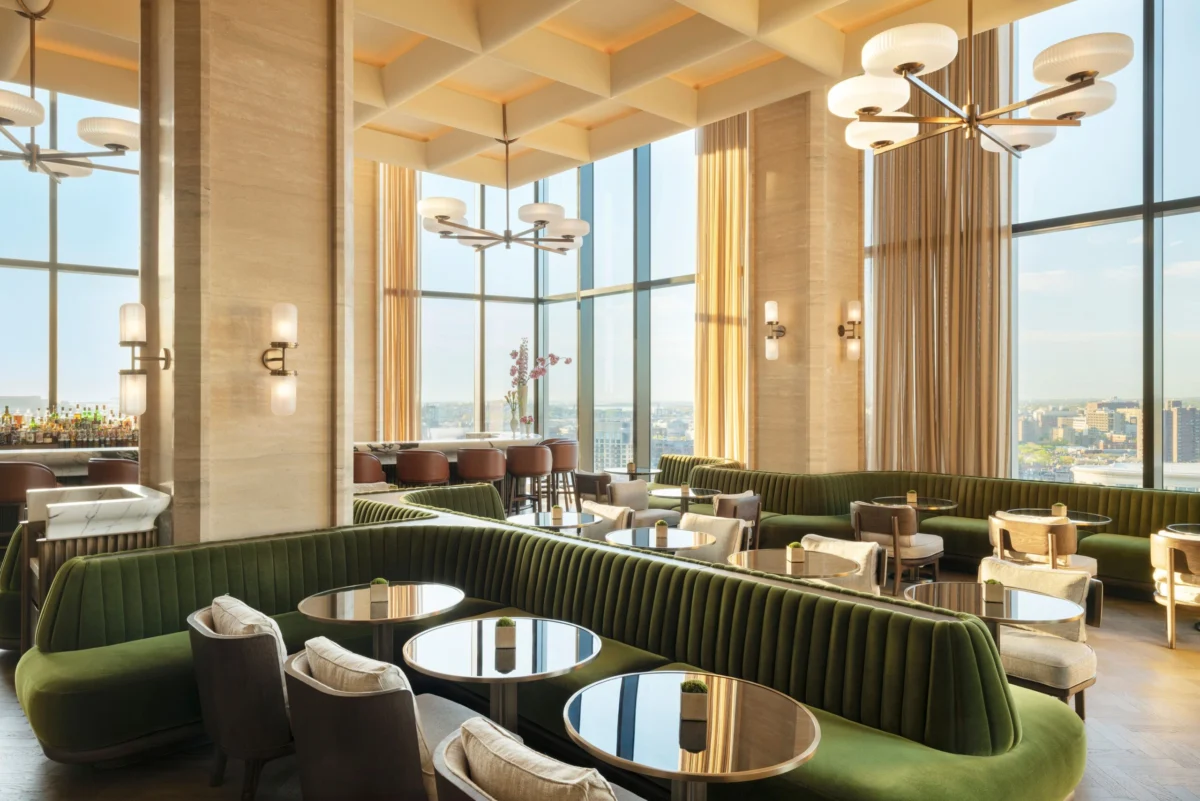
Boston has long maintained a reputation as the intellectual and historical heart of New England, a city where the "storied patina" of the American Revolution meets the cutting-edge innovation of the 21st century. While the city’s identity was historically rooted in a traditional, somewhat conservative aesthetic, a recent wave of development and multi-million-dollar renovations has transformed the local hospitality landscape. Today, Boston’s high-end lodging market represents a sophisticated blend of heritage preservation and bold, contemporary design. This evolution reflects the city’s broader economic trajectory, fueled by a booming life sciences sector, prestigious academic institutions, and a revitalized waterfront. From the historic brick row houses of Beacon Hill to the glass towers of the Seaport District, the city’s premier hotels now serve as cultural hubs, featuring world-class art collections, James Beard Award-winning culinary programs, and architectural interventions that redefine urban luxury.
A Chronology of Transformation: From 1927 to the Innovation Era
The history of luxury lodging in Boston is anchored by the 1927 opening of the country’s first Ritz-Carlton, a limestone-clad structure situated at the start of Newbury Street. For decades, this property set the standard for "Old Boston" elegance. However, the 21st century has seen a rapid acceleration in the diversification of the market. The timeline of this transformation reached a critical juncture in the early 2020s, as several landmark properties underwent comprehensive reimagining.
In June 2021, The Langham Boston reopened following a two-year, $200 million renovation that converted the former Federal Reserve Bank of Boston into a jewel-toned sanctuary in the Financial District. That same year, The Newbury Boston emerged from its previous identity as The Taj, unveiling interiors by Champalimaud Design and a rooftop destination, Contessa, designed by Ken Fulk. The momentum continued into September 2023 with the arrival of Raffles Boston, marking the ultra-luxury brand’s first foray into the North American market. This influx of international brands and localized boutique concepts indicates a market maturation, where Boston is no longer seen merely as a regional capital but as a global destination for design-conscious travelers.
The Allston Innovation District and The Atlas Hotel
The expansion of Boston’s luxury footprint is perhaps most evident in neighborhoods previously overlooked by high-end developers. Allston, long known for its student population and industrial roots, has seen the rise of the Enterprise Research Campus near Harvard University. At the forefront of this shift is The Atlas Hotel, a property designed by Marlon Blackwell Architects.
The building itself serves as a case study in sustainable modernism, having achieved LEED Gold certification. The interior design, executed by INC Architecture & Design, features 246 guest rooms that prioritize clean lines and warmth. The Atlas Suite, in particular, offers a "soaking tub with unobstructed views of the Charles River," signaling a shift toward experiential luxury. The hotel also serves as a gallery for local talent, showcasing works by Damien Hoar de Galvan and Cicely Carew, thereby grounding the "innovation district" in the local creative community. The culinary program, led by the James Beard-nominated team from Comfort Kitchen, further cements the hotel’s role as a bridge between the neighborhood’s diverse roots and its high-tech future.
Back Bay: The Intersection of Heritage and Modernity
Back Bay remains the epicenter of Boston’s luxury sector, home to a high concentration of five-star properties that balance historical reverence with modern amenities. The Raffles Boston, a 35-story tower near Copley Square, represents the pinnacle of this balance. The property features a three-story "Sky Lobby" on the 17th floor, a design choice that maximizes views of the city’s iconic skyline. With its renowned Butler Service and the inclusion of a Guerlain Spa—one of only four in the United States—Raffles has introduced a level of personalized service previously rare in the city.
Nearby, the Mandarin Oriental, Boston, and The Newbury Boston continue to evolve. The Mandarin Oriental debuted significant upgrades in 2021, with Champalimaud Design incorporating Chinoiserie elements alongside early New England motifs. The hotel’s commitment to wellness is evidenced by its 16,000-square-foot spa, which recently unveiled the Celadon Spa Suite, inspired by the brand’s signature Pantone color.
The Newbury Boston, meanwhile, maintains its status as a social anchor for the city. Beyond its 286 rooms, the hotel offers unique amenities such as "Fireplace Butlers" for its 42 suites equipped with wood-burning fireplaces. The rooftop restaurant, Contessa, has become one of the most sought-after reservations in the city, reflecting a broader trend where hotel dining rooms are no longer just for guests but serve as primary culinary destinations for residents.
Beacon Hill and the Preservation of "Quiet Luxury"
In Beacon Hill, the architectural narrative is one of preservation. XV Beacon, housed in a registered historic building, retains original elevators and a marble staircase dating back to 1903. The hotel’s aesthetic is defined by "quiet luxury," utilizing canopy beds, custom mattresses, and electric fireplaces to create an atmosphere of residential intimacy. Its location near the Freedom Trail and the "Insta-famous" Acorn Street positions it as a preferred choice for travelers seeking a quintessentially Bostonian experience.
Similarly, The Eliot Hotel in Back Bay offers a Neo-Georgian aesthetic that belies its origins as a residence for Harvard professors. Renovated in 2024, the hotel’s 95 rooms feature soundproofed windows to ensure tranquility in the heart of the city. The property is also home to Uni, a modern izakaya overseen by James Beard Award-winning chef Ken Oringer. The success of Uni highlights a critical data point in the Boston hospitality market: the integration of high-concept dining is essential for maintaining competitive occupancy rates.
The Financial District and the Seaport Growth Engine
The Financial District and the Seaport represent the city’s economic engine, and the hotels in these areas reflect that vitality. The Langham Boston’s conversion of the 1922 Federal Reserve Bank is a masterpiece of adaptive reuse. The hotel’s "Sweet Dreams Pillow Menu," featuring lavender-infused options, caters to the wellness needs of high-stakes business travelers.
In the Seaport, the Omni Boston Hotel at the Seaport stands as a massive glass structure designed by Elkus Manfredi Architects. With 1,054 rooms, it is one of the largest hotels in the city, yet it maintains a boutique feel through its two distinct towers: the Patron Tower, themed around performing arts, and the Artist Tower, which offers loft-like studios. The hotel’s lobby serves as a public square, featuring a stage modeled after the Institute of Contemporary Art’s exterior steps, where local musicians perform regularly. This integration of public space and private luxury is a hallmark of the Seaport’s urban planning strategy.
Market Analysis and Supporting Data
The robust performance of Boston’s luxury hotel sector is supported by significant economic indicators. According to data from the Greater Boston Convention & Visitors Bureau, the city’s tourism industry contributes over $20 billion annually to the local economy. In the luxury segment, Average Daily Rates (ADR) have seen a steady increase, with premier properties often commanding upwards of $400 to $600 per night, depending on the season.
Occupancy rates in the Back Bay and Seaport submarkets have consistently outperformed national averages, driven by a mix of international tourism and the return of large-scale conventions. Furthermore, the "James Beard effect" is a documented phenomenon in Boston; hotels that partner with award-winning chefs see a measurable uptick in food and beverage revenue, often accounting for 30% to 40% of total property income.
Broader Impact and Future Outlook
The expansion of luxury hotels has a profound impact on Boston’s urban fabric. These properties act as anchors for neighborhood revitalization, as seen with The Atlas in Allston and the Omni in the Seaport. They also drive the local arts economy; by commissioning works from local artists and hosting live performances, these hotels have become essential patrons of the city’s creative class.
Looking ahead to 2026 and beyond, the industry is shifting toward "lifestyle" amenities. The Newbury Boston’s announcement of a bespoke canine travel program starting in July 2026 and the Omni Seaport’s recent pool renovations suggest that the next phase of competition will be fought on the grounds of specialized guest services and year-round outdoor amenities.
As Boston continues to grow as a hub for global innovation, its hotels are no longer just places to stay; they are reflections of the city’s ambition. The transition from traditional, "moth-worn tweed" aesthetics to "swanky," design-forward interiors mirrors Boston’s own journey from a historic colonial outpost to a world-class cosmopolitan center. For the visitor, this means a wealth of choices that offer not just comfort, but a deep, curated connection to the spirit of the city.