Ana Megawati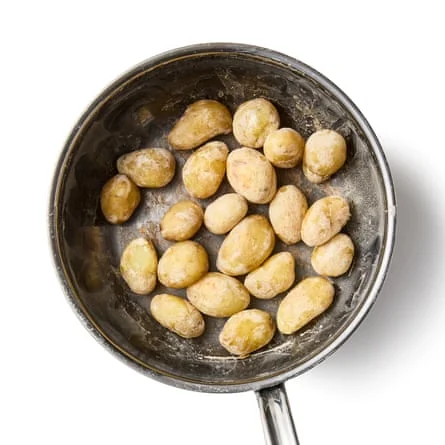
The culinary landscape of the Canary Islands is inextricably linked to a dish deceptively simple yet profoundly rich in history and flavour: papas arrugadas. Often translated, somewhat unappetisingly, as "wrinkly potatoes," these small, salt-crusted tubers are far more than a mere side dish; they are a standalone snack, a cultural touchstone, and an emblem of Canarian gastronomy, typically enjoyed with drinks and accompanied by vibrant mojo sauces. This reverence for the humble potato is no coincidence, reflecting centuries of cultivation and a unique historical trajectory that saw the archipelago become a crucial waypoint for the tuber’s journey from the New World to Europe.
The Potato’s Transatlantic Passage and Canarian Roots
The story of the potato in the Canary Islands begins not in Europe, but in the Andean highlands of Peru, where it was first domesticated thousands of years ago. When Spanish conquistadors ventured to the Americas in the 16th century, they encountered this remarkable crop. The Canary Islands, strategically located off the coast of North Africa, served as a vital stopover on the transatlantic trade routes. It was through these islands that the first potatoes are believed to have made their way to European soil, an agricultural migration that forever altered global food systems.
The islands’ volcanic, rocky soils, surprisingly akin to the Andean terrain, proved exceptionally hospitable for potato cultivation. This geological serendipity, combined with a favourable climate, laid the groundwork for a long and distinguished history of potato farming in the Canaries. While many unusual and ancient varieties, such as the papa negra or papa bonita, continue to be cultivated for local consumption and are highly prized for their distinct flavours and textures, the islands also engage in international agricultural exchange. Historically, ships would depart the Canaries laden with winter tomatoes bound for the British market, returning full of tubers, including popular UK varieties like King Edward and Arran Banner, which have since been naturalised and are known locally as quinegua and arambana, respectively. This symbiotic relationship underscores the enduring connection between the islands and European agriculture, shaping the local palate and economy.

Papas Arrugadas: Crafting the Iconic Wrinkle
Central to the appeal of papas arrugadas is the potato itself. The traditional recipe calls for new season potatoes, small and uniform in size, possessing delicate skins thin enough to be rubbed off with a fingernail. In the UK, the peak season for varieties like Jersey Royals offers an excellent opportunity to recreate this dish. While Jersey Royals are often celebrated for their inherent flavour simply with butter, the papas arrugadas preparation, despite its distinctive salt crust, remarkably allows the potato’s magnificent character to shine through. For those without access to ideal new potatoes, smooth-skinned, waxy salad potatoes can serve as a suitable, albeit less authentic, alternative, though they may not achieve the characteristic "wrinkle" with the same distinction.
The preparation of papas arrugadas is deceptively simple, yet precise. The potatoes are cooked whole in highly salted water until they are tender and the salt crystals cling to their skins like a delicate frost. This unique cooking method is not merely about seasoning; it’s about transforming the potato’s texture and intensifying its flavour.
The Science of Salt: Beyond Seasoning
The quantity of salt used in preparing papas arrugadas often raises eyebrows, as it significantly exceeds what one might typically use for boiling potatoes. Traditionally, it is said that the potatoes were cooked directly in seawater, a practice that likely emerged from the scarcity of fresh water in certain parts of the archipelago. Modern recipes specify coarse sea salt. While the precise scientific reason for preferring coarse over fine salt for this particular dish remains a subject of culinary discussion—some suggest fine grains result in an unpalatably salty outcome due to faster dissolution and absorption—the choice of coarse salt is consistently recommended by experts.
The true genius behind the generous application of salt lies in the principles of osmosis. As culinary scientist J. Kenji López-Alt observed in his experiments with similar salt-crusted potatoes (a technique also found in Colombian and upstate New York cuisines), potatoes cooked in heavily salted water undergo a significant transformation. They lose approximately 15% of their initial weight, a phenomenon attributable to osmosis. This process involves the potatoes’ internal moisture, a solvent with a lower solute concentration, migrating across the potato’s membrane to the surrounding water, which has a higher solute concentration due to the added salt. The result is a potato with a more intense, concentrated potato flavour and a denser, creamier texture, distinctly different from the fluffier consistency of plain boiled potatoes. This scientific insight explains why the seemingly excessive salt is not just for flavour, but fundamentally alters the potato’s very composition, creating the desired "baked potato" character.
Various culinary authorities offer differing recommendations for salt quantities. Fedac, the organisation dedicated to protecting and promoting traditional Canarian heritage, suggests a startling ratio of a quarter of the potato’s weight in salt. Chef Frank Camorra, on the other hand, proposes a more conservative 20g per kilo. Jill Norman, in her book Winter Food, strikes a compromise with a fifth of the potato’s weight. Given considerations for general heart health, a slightly reduced ratio of a sixth of the potato’s weight in coarse sea salt often yields an excellent and balanced result. Crucially, not all the salt added to the pan will be consumed; only the crystals that adhere to the potato skins will remain, contributing to the dish’s distinctive crust.
Mastering the Cooking Method: Traditional Wisdom and Expert Techniques
The cooking method for papas arrugadas has evolved, yet retains core principles. While some chefs, like Frank Camorra, propose an alternative method of boiling potatoes with a mere pinch of salt before sautéing them with fine salt – a technique that, while producing a tasty potato, doesn’t achieve the authentic "wrinkled" effect – most traditional approaches emphasize boiling with the salt.
Two primary boiling methods are commonly observed among experts:
- Boil, Drain, and Dry-Toss: Chefs like Jill Norman, Omar Allibhoy, and organisations like Fedac advocate boiling the potatoes until tender, then draining them (Allibhoy suggests retaining a few tablespoons of water). The potatoes are then returned to the hot pan and tossed over a low heat. This agitation, combined with the residual heat and salt, causes the skins to wrinkle and develop a fine salt coating.
- Boil-to-Dry: José Pizarro favours cooking the potatoes until all the water has evaporated completely. While this method is often described as easier, it carries the risk of overcooking the potatoes, especially if the pan size isn’t perfectly matched to the quantity of potatoes, prolonging the evaporation time. The first method, with its controlled draining and drying, is generally considered safer for consistent results.
Traditional Canarian cooks also employed clever techniques to enhance the cooking process. Fedac notes the practice of covering the potatoes with a cabbage leaf or a cloth before placing the lid on the pan. This technique, also recommended by Spanish daily El Mundo, effectively traps steam, allowing for less water to be used while ensuring even cooking and promoting the desired wrinkling. Any large, stout edible leaf can serve as a substitute. After cooking, Fedac advises storing the potatoes wrapped in cloth, sometimes with a slice of lemon, to prevent "sweating," though enjoying them immediately is often the best course.
Mojo: The Fiery Soul of Canarian Cuisine
No discussion of papas arrugadas is complete without its indispensable companion: mojo. The term "mojo" in the New World signifies a marinade or sauce, a meaning distinct from its usage in Spain. Culinary historian Marie José Sevilla suggests its derivation from the Portuguese molho, meaning "sauce," pointing to the strong Portuguese influence on Canarian cuisine, particularly evident in early coriander-based mojo recipes. Beyond Portugal, African culinary traditions have also left an indelible mark on the archipelago’s flavours, contributing to the vibrant and often spicy character of mojo.
While papas arrugadas can be served with mojo verde, a green sauce typically flavoured with fresh herbs like coriander or parsley (as seen in José Pizarro’s recipe on Food52), the most common and arguably iconic pairing is with mojo picón. This zingy red sauce delivers a powerful punch of heat from chillies, pungency from garlic, and a tangy finish from vinegar, creating a harmonious contrast with the salty, creamy potatoes.
The Anatomy of Mojo Picón: Ingredients and Global Sourcing
The authentic piquancy of mojo picón in its homeland comes from native Canarian chillies such as picona or the vividly named pimientas de la puta madre. These chillies offer a distinct flavour profile and heat level, with picona typically ranging from 8,000 to 20,000 units on the Scoville scale, comparable to or slightly hotter than a jalapeño. Sourcing these specific chillies outside the Canary Islands can be challenging, leading to the use of recommended substitutes like guajillo, serrano, or cayenne.
However, relying solely on cayenne pepper, while providing heat, often misses the fruity undertones inherent in the fresh red bell peppers found in recipes by chefs like Pizarro and Camorra. To achieve a more rounded flavour, many adapt by incorporating a mild red chilli, readily available in most UK retailers, alongside the cayenne. The addition of sweet (non-hot) smoked paprika is also a common thread in recipes from Camorra, Allibhoy, the Tenerife Tourist Bureau, and Pizarro. This ingredient not only contributes a beautiful deep red colour but also a rich, smoky depth of flavour. While some recipes call for hot smoked paprika, the combination of a fresh chilli and cayenne pepper typically provides sufficient heat.
Cumin is another essential spice, contributing an earthy back note that complements the garlic. Toasting the cumin seeds before grinding, as suggested by Camorra, significantly amplifies their aromatic complexity. Garlic, a foundational element, is often used generously; some traditional recipes, including Fedac’s, call for a "startling" six cloves, indicating its central role in the sauce’s robust flavour.
For the acidic component, sherry vinegar is a traditional choice, specified by Camorra. However, Omar Allibhoy sagely advises that "anything but balsamic will do," though one might add a personal caveat against malt vinegar, which could introduce an incongruous flavour. Traditionally, vinegar-soaked bread was sometimes used as a thickener, but for a mojo specifically designed to accompany papas arrugadas, a thinner, more fluid consistency is generally preferred to coat the potatoes lightly. Finally, olive oil is the standard fat, though a neutral oil can be used given the intensity of the other flavours. The simplicity of the ingredients means mojo picón can be prepared effectively using either a traditional pestle and mortar or a modern mini chopper.
Cultural Preservation and Global Appeal
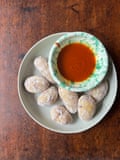
Papas arrugadas and mojo are more than just food items; they are integral to Canarian identity and a powerful draw for gastronomic tourism. Organisations like Fedac actively work to preserve these traditional recipes and techniques, recognising their importance in maintaining cultural heritage. For visitors, encountering papas arrugadas is often their first authentic taste of the islands, serving as an ambassador for a cuisine rich in history and diverse influences.
The dish’s enduring popularity, both within the Canary Islands and among those who have experienced its unique charm, speaks to its simple brilliance. It’s a testament to how humble ingredients, when treated with respect for tradition and an understanding of culinary science, can yield a dish of profound satisfaction and cultural significance. Whether served as a delightful starter, a casual snack with drinks, or a vibrant accompaniment to barbecued meat or fish, papas arrugadas with mojo picón offer a taste of the Canary Islands that transcends geographical boundaries.
Recipe: Crafting Perfect Papas Arrugadas and Mojo Picón
This recipe combines traditional methods with insights from culinary experts to achieve the authentic taste and texture of this iconic Canarian dish.
Perfect Papas Arrugadas
Prep: 10 minutes
Cook: 20-25 minutes
Serves: 4
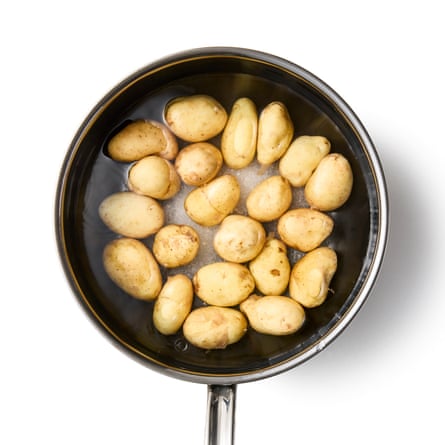
Ingredients:
- 600g small new potatoes, all roughly the same size
- 100g coarse sea salt
Instructions:
- Prepare the potatoes: Give the potatoes a thorough scrub, ensuring they are clean, but do not peel them. The delicate skins are crucial for the "wrinkled" effect.
- Set up for cooking: Place the scrubbed potatoes in a wide, heavy-bottomed pan. The pan should be just large enough to hold all the potatoes in a single layer, ensuring even cooking and salt coating. Add the 100g of coarse sea salt directly into the pan with the potatoes.
- Add water and cover: Pour in cold water until the potatoes are almost, but not quite, fully submerged. The water level should be just below the top layer of potatoes.
- Traditional steaming: For optimal results, place a clean kitchen cloth or a large cabbage leaf directly on top of the potatoes, ensuring it covers them. This traditional method helps trap steam, promoting a more even cook and the desired wrinkling. Securely place the pan lid on top.
- Boil and simmer: Bring the water to a rolling boil over high heat. Once boiling, reduce the heat to a gentle simmer. Cook for approximately 15-25 minutes, or until the potatoes are tender when pierced with a fork. The exact cooking time will depend on the size of your potatoes.
- Achieve the wrinkle: Once the potatoes are tender, carefully drain almost all the water from the pan, leaving only a very thin layer at the bottom, if any. Remove the cloth or cabbage leaf. Return the pan to a low heat. Shake the pan gently and continuously, allowing the potatoes to tumble and ensuring they do not stick to the bottom. Continue this process for a few minutes, or until the remaining moisture has evaporated and the salt crystals have visibly clung to the potato skins, creating the characteristic "wrinkled" appearance.
- Serve: Serve the papas arrugadas immediately with the freshly prepared mojo picón. Alternatively, if not serving straight away, you can wrap the pan in a clean tea towel to keep the potatoes warm and prevent them from sweating, though they are best enjoyed fresh.
Mojo Picón
Ingredients:
- 1 tsp cumin seeds
- 1 pinch of salt (for grinding)
- 3 garlic cloves, peeled and roughly chopped
- 1 mild-medium red chilli (e.g., a long red chilli), stalk, pith, and seeds removed and discarded, flesh roughly chopped (adjust to desired heat)
- 1 tbsp sweet smoked paprika
- ¼ – ½ tsp cayenne pepper, to taste (start with ¼ tsp and add more if desired)
- 50ml vinegar (sherry vinegar is traditional and recommended, but any wine vinegar works well; avoid balsamic or malt vinegar)
- 150ml olive oil (extra virgin for best flavour, or a neutral oil for a milder taste)
Instructions:
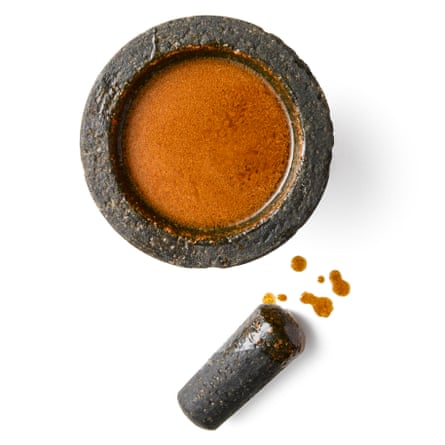
- Toast cumin: In a small, dry pan over medium heat, toast the cumin seeds until they become fragrant, typically about 1-2 minutes. Be careful not to burn them.
- Grind spices: Transfer the toasted cumin seeds to a pestle and mortar. Add a pinch of salt and grind them to a fine powder. The salt helps in the grinding process.
- Create the paste (Pestle & Mortar method): Add the roughly chopped garlic cloves to the pestle and mortar with the ground cumin and salt. Pound until a smooth paste forms.
- Add chilli and paprika: Incorporate the chopped red chilli into the paste and pound until well combined. Stir in the sweet smoked paprika and the cayenne pepper (starting with the smaller amount).
- Emulsify with vinegar and oil: Gradually add the vinegar to the paste, mixing thoroughly. Then, slowly drizzle in the olive oil, continuously beating and stirring until all ingredients are well mixed and the sauce has a smooth, emulsified consistency.
- Adjust seasoning: Taste the mojo picón and adjust the seasoning as needed. Remember that the potatoes will be very salty, so the mojo should have a pronounced flavour but not be overly salty itself. Add more cayenne pepper if a spicier kick is desired.
- Mini Chopper/Stick Blender method: If using a mini chopper or stick blender, simply combine the toasted cumin seeds, garlic, chilli, paprika, cayenne pepper, vinegar, and a pinch of salt. Process until a smooth sauce is formed, then slowly drizzle in the olive oil while blending until emulsified. Adjust seasoning.
Serving Suggestions:
Papas arrugadas with mojo picón are wonderful on their own as a tapas dish or a snack. They also make an excellent accompaniment to simply grilled or barbecued meats and fish. For fish dishes, offering a mojo verde alongside the picón can provide a refreshing contrast of flavours. This timeless dish, with its deep historical roots and captivating flavours, continues to be a highlight of Canarian cuisine, inviting diners to savour a piece of island heritage.